

Preservation Deep Plane Facelift
- Natural & long lasting results
- Free Surgeon Consultation
- Private En-suite recovery room
- Clinics in Manchester, Liverpool and Leeds
What is a Preservation Deep Plane Facelift?
A Preservation Deep Plane Facelift builds upon the traditional deep plane technique but takes refinement further. Understanding the facial layers of the face enhances safety and leads to more natural-looking outcomes. The traditional deep plane lifts the SMAS in a vertical fashion and requires more of the skin separating from the SMAS. Whereas the preservation deep plane separates less of the skin from the SMAS resulting in less bruising and faster recovery. The movement of the lift is also different in that it repositions the facial structures back to the position they were in during youth.
Unlike older facelift methods that separate and tighten skin alone, this approach:
Lifts the deeper muscle layer (SMAS) and facial ligaments as a unified structure
Minimizes unnecessary tissue trauma
Repositions descended mid-face fat pads
Restores youthful facial harmony
By respecting natural anatomy, this technique allows for:
Smoother nasolabial folds
Elevated cheeks
Reduction of jowls
Sharper jawline definition
Longer-lasting results
It treats the root cause of facial aging - not just the surface.
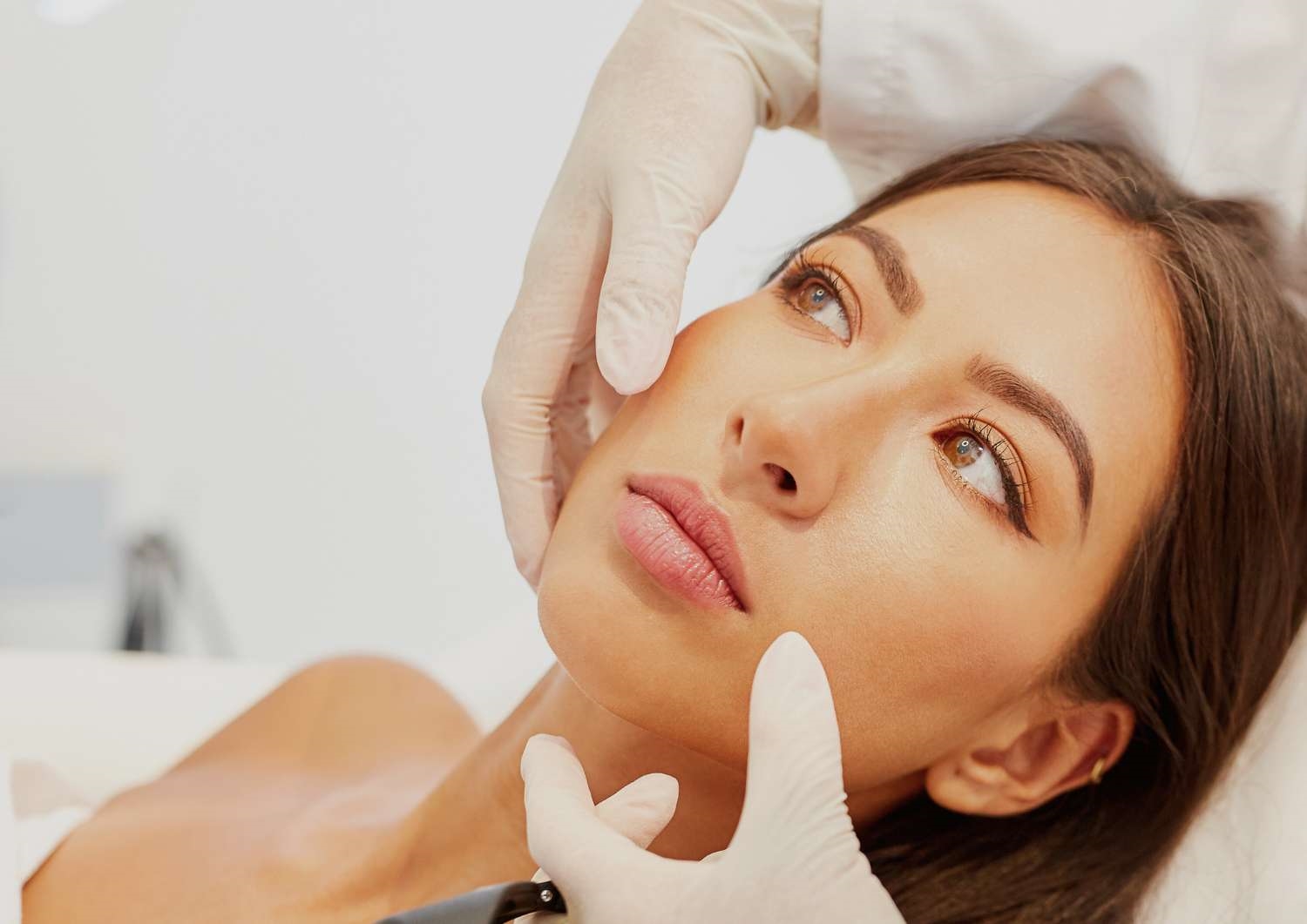
Key Benefits of the Preservation Technique Include:
- Natural, soft, unoperated appearance
- Long-lasting rejuvenation (often 10+ years)
- Restoration of mid-face volume without overfilling
- Minimal visible scarring
- Maintains authentic facial expressions
- Improved facial balance and symmetry
Am I a Candidate?
You may be a strong candidate if you are experiencing:
Sagging cheeks
Jowls or jawline softening
Loss of mid-face volume
Deep nasolabial folds
Neck laxity
Overall facial descent
Ideal candidates are in good general health, non-smokers, and have realistic expectations about surgical outcomes.
A personalised consultation is essential to determine candidacy.

What Makes This Different from a Traditional Facelift?
Traditional facelifts primarily tighten skin or superficially adjust the SMAS layer.
A Preservation Deep Plane Facelift:
Works beneath the SMAS layer
Releases specific ligaments responsible for mid-face descent
Lifts cheek volume back to natural positions from youth
Avoids tension on the skin
Produces longer-lasting structural support
This is why results appear more natural and age more gracefully.
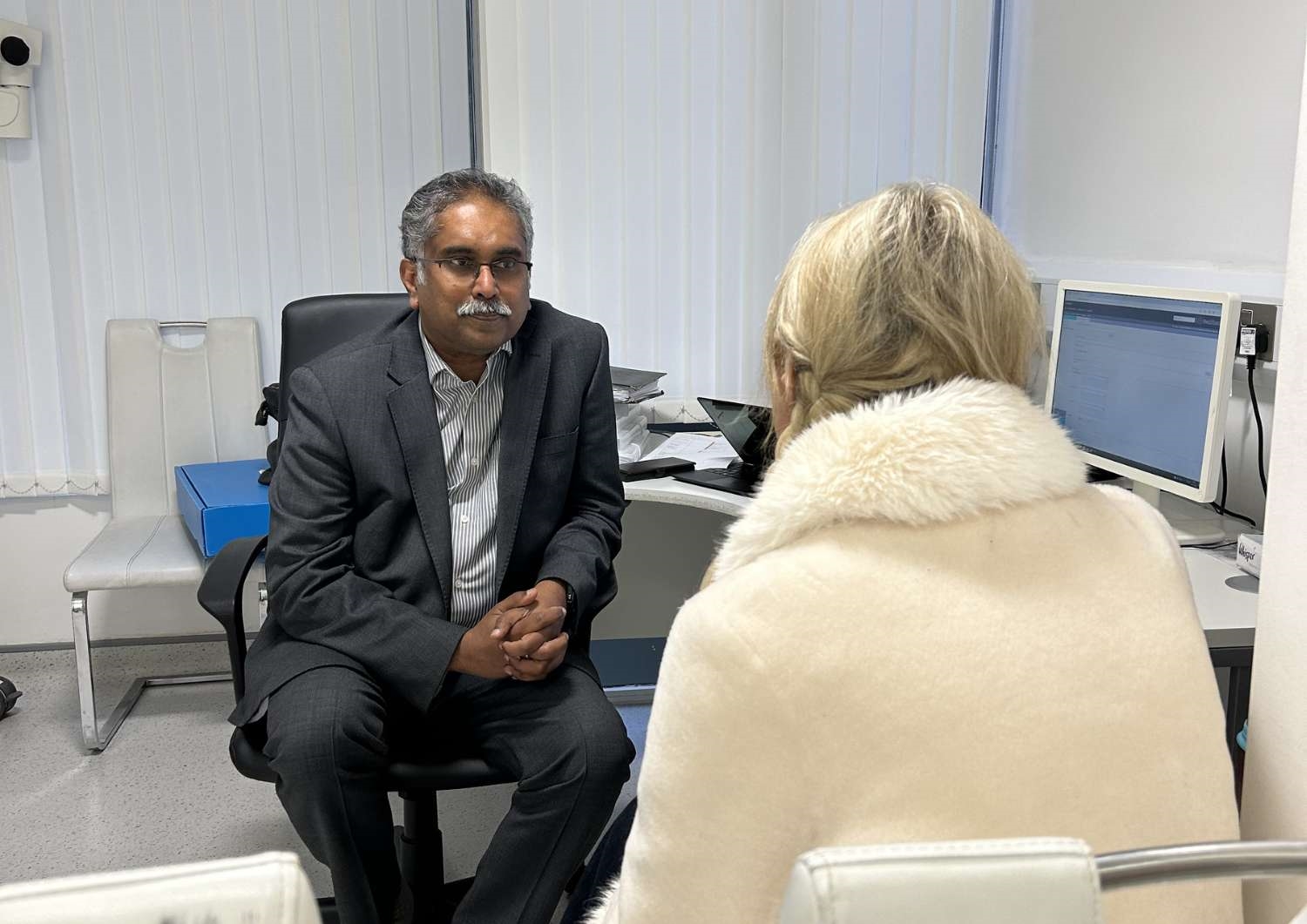
Meet our specialist facial rejuvenation surgeons
When you meet our surgeons, you’ll discover a patient-centered approach built on transparency, artistry and surgical excellence—ensuring you feel confident, informed, and cared for at every step of your rejuvenation journey.


Results & Longevity
Results from a Preservation Deep Plane Facelift typically last 10 years or longer.
While natural aging continues, the face maintains improved structure and contour over time. Proper skincare, sun protection, and a healthy lifestyle help extend longevity.
Can This Be Combined with Other Procedures?
Yes. Many patients combine a preservation deep plane facelift with:
Eyelid surgery (blepharoplasty)
Neck lift
Fat grafting - think of this as a natural filler material.
A tailored treatment plan ensures comprehensive rejuvenation while maintaining balance.
How much does Preservation Deep Plane Facelift cost?
| Procedure | Price From |
|---|---|
| Surgeon Consultation | Free |
| Preservation Face Lift Only | £19,998 |
| Preservation Face & Neck Lift | £22,988 |
| Preservation Face, Neck & Brow Lift | £24,988 |
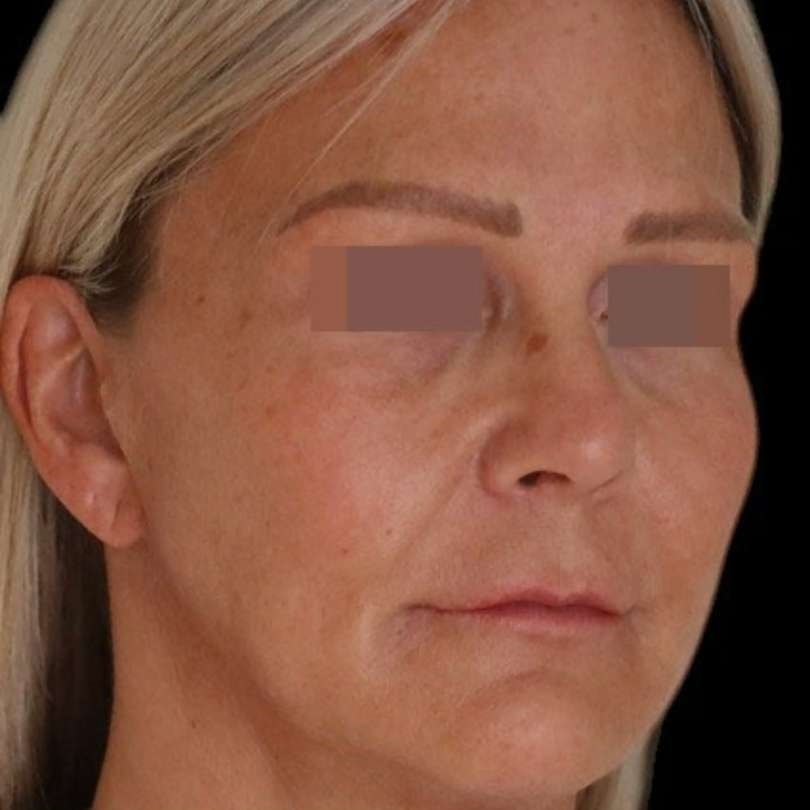
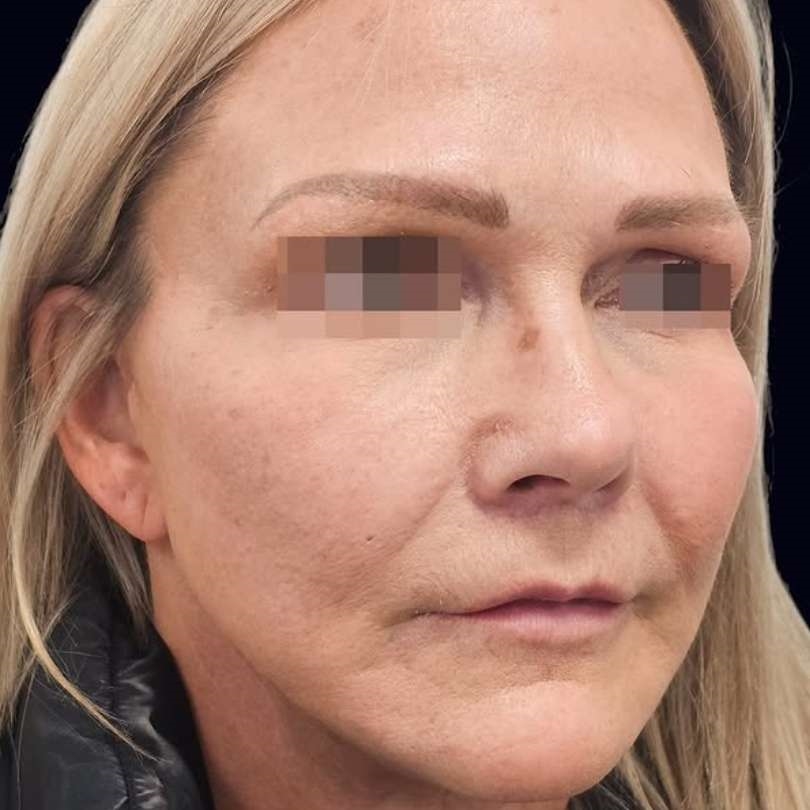
Preservation Facelift Before and Afters
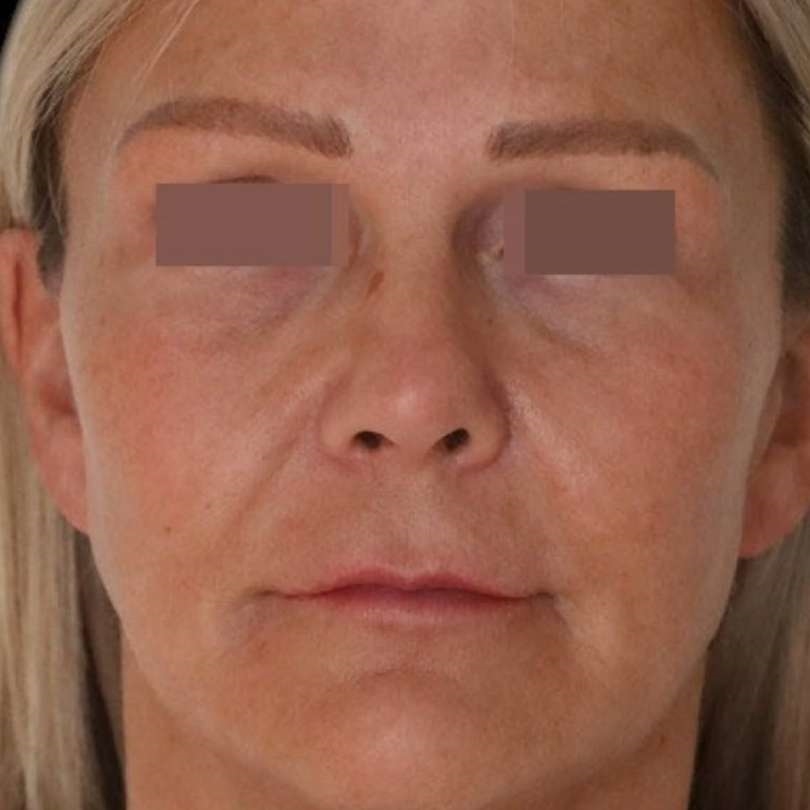
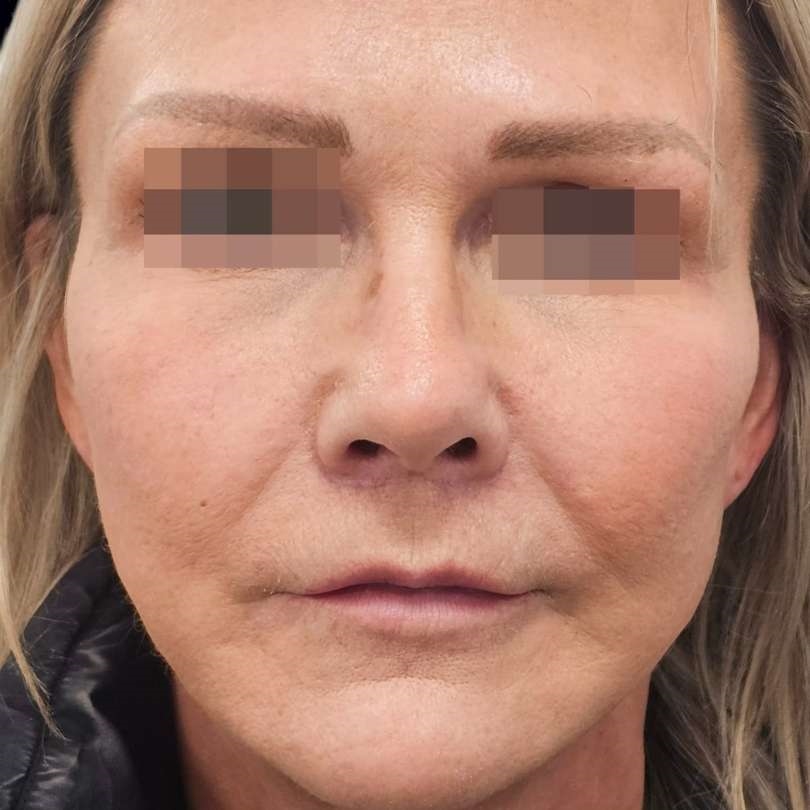
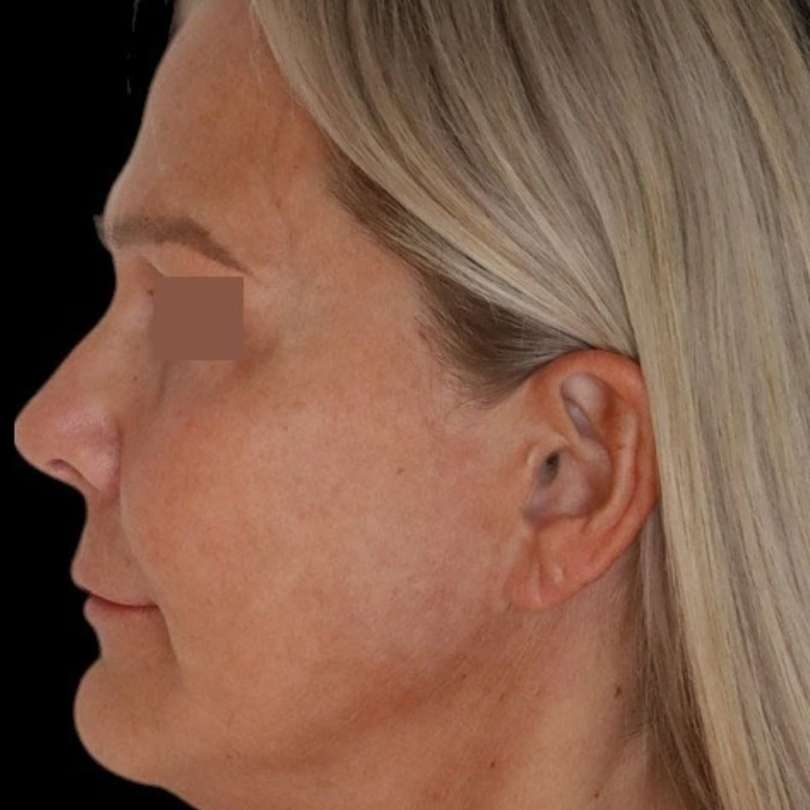
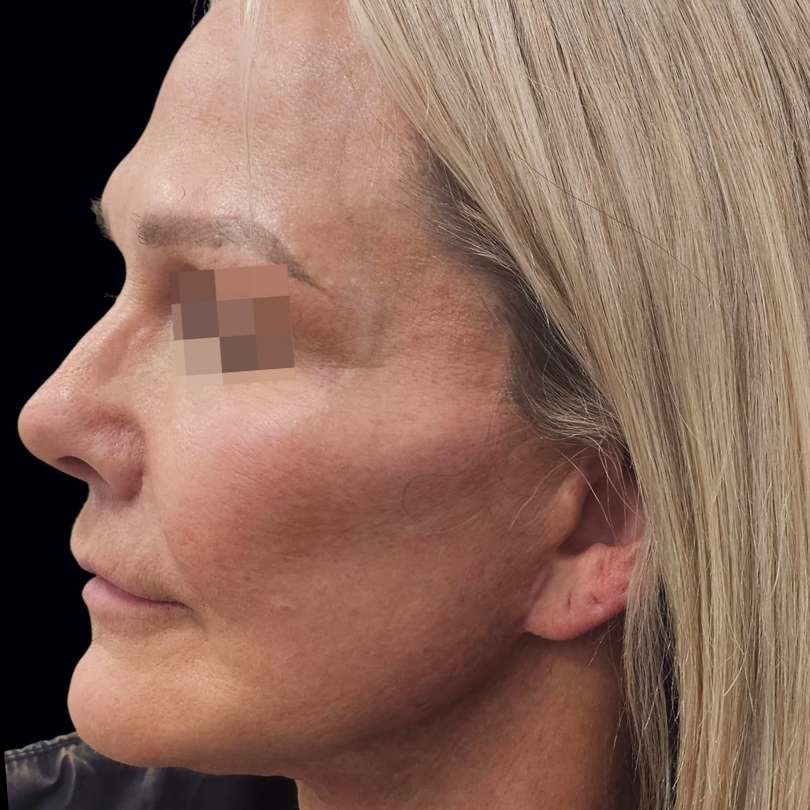

Why Choose a Preservation Deep Plane Facelift?
Undergoing this advanced technique in face lifts - restores what aging has changed - without altering who you are.
This approach focuses on:
Anatomical precision
Structural integrity
Long-term support
Natural beauty
The goal is not to make you look different or appear operated. It is to help you look like yourself - years earlier. Refreshed and youthful as you feel inside.
FAQs about Preservation Deep Plane Facelift
Our expert team is always on hand to help, advise and arrange appointments with our specialist consultants.
What is a deep plane facelift?
A deep plane facelift is an advanced surgical procedure that lifts not only the skin but also the deeper layers of facial tissue, including muscles and connective tissue.
This technique restores youthful contours by repositioning sagging cheeks, jawline, and mid-face structures, creating a natural, long-lasting appearance without the “pulled” look associated with traditional facelifts.
How long do results last?
Results from a deep plane facelift are long-lasting, typically 10 years or more. While natural aging continues, patients often notice a significant and sustained improvement in facial contours and skin tightness. Maintaining a healthy lifestyle, skincare routine, and sun protection can help prolong results.
Is the procedure painful?
During the surgery, patients are under general anesthesia, so the procedure itself is painless. Post-surgery, mild to moderate discomfort, swelling, and bruising are common for 1–2 weeks.
Most commonly patients notice a tight feeling that improves with recovery. These can be managed effectively with prescribed pain medications and cold compresses. Most patients describe discomfort as manageable and temporary.
Are there visible scars?
Incisions are hidden along the hairline and around the ears. Once healed, scars are typically discreet and fade significantly over time.
How is a deep plane facelift different from a traditional facelift?
Unlike traditional facelifts that lift only the skin, a deep plane facelift repositions underlying muscles and tissue. This allows for a more natural look, longer-lasting results, and improved mid-face volume restoration. A Preservation Deep Plane takes this further with more natural looking results and quicker recovery.
How is this different from fillers?
Fillers restore volume temporarily. It fills or plumps the baggy areas left by the tissue of the face ageing and descending. A Preservation Deep Plane Facelift repositions descended tissues for structural, long-term correction.
What if I have had a facelift before?
Most people who have had facelifts before and have signs of aging can be candidates for revision surgery.

 Medically reviewed by Gautham Ullas FRCS (ORL-HNS), previous EAFPS travelling Fellow.
Enquire About Preservation Deep Plane Facelift
A member of our team will be in touch with you to discuss your requirements.