
from £2,950
Private Hernia Surgery
- Self Pay or Insurance
- Surgery within 2-4 weeks
- 2 Years 0% Finance
- No NHS Referral Required
- Fixed Price Includes Aftercare
- Fast relief. Minimal downtime
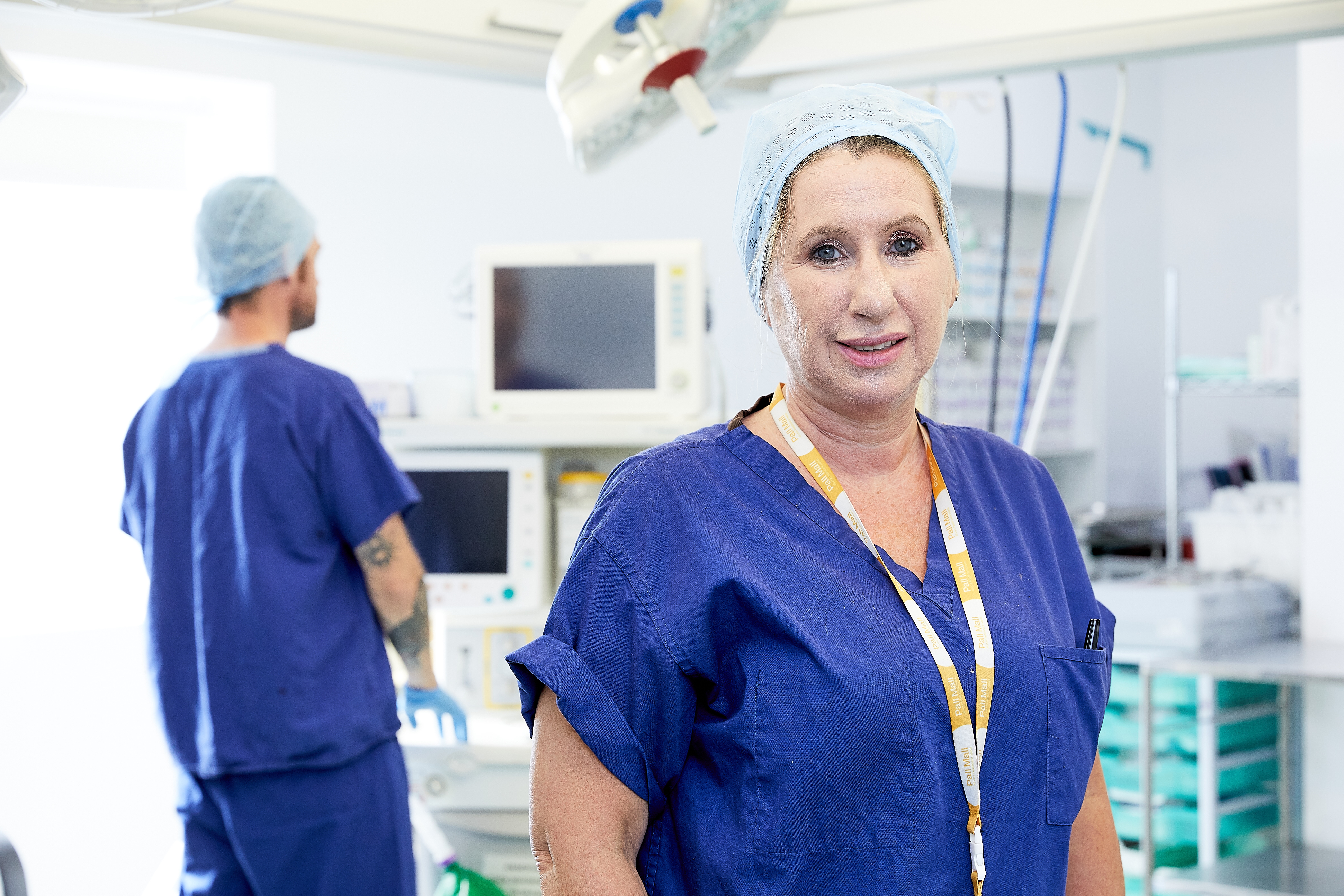
Your hernia treatment with Pall Mall - What to expect
From your first call or email, we are with you every step of the way. Whether you're still researching hernia repair surgery and would like more information or you're ready to meet a surgeon to see what results you can achieve, our team is here to help.
With fast access to tests and treatments, we can help relieve your symptoms and have you feeling better than ever in no time.
Diagnostic consultation
If you are keen to learn more and see what Pall Mall can do for you, we will arrange a private consultation with a surgeon that lasts around 20 to 45 minutes.
During this time, your surgeon will carefully examine the affected area and diagnose if you have a hernia or not, as well as which type. They will be able to explain what causes hernias and ask a few questions about your lifestyle, as well as discussing what you'd like to achieve through treatment.
Our team of experts have wide experience in performing hernia surgical repair and will create a treatment and recovery plan that is suited to you and your needs.
Your surgeon may also talk to you about the best anaesthetic choice during surgery. This might include a general anaesthetic (that puts you to sleep) or a local anaesthetic (you would be awake but can’t feel any sensation in your abdomen).
The best possible aftercare
At Pall Mall, we want you to feel reassured that you are receiving the best-quality treatment, care, and results. That includes aftercare.
We provide the highest levels of hygiene and patient care for a comfortable and worry-free experience. Plus, having our own private hospital means our diverse team of expert surgeons and nurses are all under our supervision.
Following your hernia repair surgery, you may require further monitoring. While the majority of patients are able to go home on the same day of their operation, some may need to stay overnight. You will have a team on hand to support you in any way we can, whenever or whatever you need. We understand that staying in hospital can be daunting. With your own private room, en suite facilities, and a TV, you can enjoy a home-away-from-home.
What to expect after the operation
It's perfectly normal to feel sore after your hernia repair - you will be provided with medication to help alleviate this pain by our care team. After any procedure, you may be given additional medications such as painkillers to take home. The doses, times to take the medications and other instructions around these medications will be explained to you in detail before discharge.
The surgical repair of hernias will leave some scarring - the extent of which will depend on the type of operation as well as the location and condition of the hernia itself. As a minimally invasive procedure, laparoscopic repair - or keyhole surgery - tends to reduce the level of scarring. It is also normal to experience some bruising and swelling around the repair site.
If you had laparoscopic hernia repair surgery, you may experience pain in your shoulder. This will only usually last about a day or two.
We will always ensure you have the best possible aftercare and your consultant will schedule a follow-up appointment to check you are healing correctly - this will be discussed with you on discharge.
Recovery time and professional advice
Patients who choose to have their repair under local anaesthetic typically recover much quicker than patients who choose general anaesthetic.
Recovery time will vary from case to case: the standard time frame is between 4 and 6 weeks before you are back to full fitness. Always follow your consultant's advice and be sure to raise any questions about your post-surgery recovery with them.
The recommended recovery time for other activities is listed below:
- Gym/swimming – 4 to 6 weeks
- Sexual activities – 2 to 3 weeks
- Flying – 2 weeks (or no restrictions if under local anaesthetic)
- Shower – 48 hours
- Driving – 10 days
Along with the support and guidance of our professional team, understanding how to take care of yourself at home is critical. Below are some simple steps that you can follow:
- Rest up - Getting enough sleep is crucial for your recovery.
- Easy movement - Once the pain has eased and you feel able, slowly build up to a walk a day (walking boosts your blood flow and can help to prevent constipation). Avoid heavy lifting of any kind, whether that's the weekly food shop, weights at the gym, a heavy briefcase, or a child.
- Avoid strenuous activity - The expression 'don't run before you can walk' has never been more relevant. Please stay away from any strenuous activities for at least 6 weeks.
- Returning to work - Although most patients are able to return to work within 1 to 2 weeks post-surgery, everyone is different and this is something you should discuss at your consultation.
- Showering - You are able to shower between 24 and 48 hours of your surgery, as long as your consultant has given the go-ahead. Make sure to gently pat the incision dry and avoid baths for the first 2 weeks.
- Diet - You will be advised to stick to a liquid diet for 12 to 24 hours after surgery to keep pressure off the abdomen and intestines. While you're healing, it is a good idea to stick to softer foods, such as plain yoghurt and purees, and build up to more fibre-rich foods, such as whole-grain rice and green beans.
- Fluids - Staying hydrated is key, so drink plenty of fluids (unless your consultant has advised otherwise).
- Breathing - Gently holding your incision, or using a pillow, when you cough or take deep breaths will help to support your stomach and ease the pain. Daily breathing exercises are also beneficial and can prevent pneumonia.
Hernia surgery finance
While there are several benefits to private healthcare, funding your hernia surgery may feel challenging.
Financial pressure can cause a significant amount of stress when you're in need of surgical treatment - the last thing anyone wants is to be worrying about money when they are suffering from an already unpleasant situation. Our aim is to make private healthcare as accessible as possible and we offer a range of flexible medical finance options to ease the pressure, enabling you to spread the cost over a longer period of time.
- 2 Years 0% Finance Available
- Pay over 3-5 years with 14.9% APR
- No hidden costs
- Flexible deposit options
Transparent treatment cost
If you are in a position to fund your repair surgery yourself, you can expect no surprises or sneaky hidden costs with our listed price. There is no additional cost for aftercare as we believe there should be no time limits on recovery.
Hernia surgery on private medical insurance
We work with all the major private medical insurance providers, including Bupa, Vitality, Allianz, and Aviva. This means you may be able to cover the cost of this service by using your medical insurance policy.
You should always contact your insurer before booking an appointment. Your insurer will check that your policy covers this service at Pall Mall Medical and can pre-authorise your treatment. You’ll need to provide us with your insurer details and pre-authorisation code when you get in touch with our team.
Financial support with your hernia surgery
You can get a free-of-charge finance quote by speaking to our friendly team. This can indicate your likely monthly costs, deposit amount and length of repayments. You will not need to register or have any credit checks performed for this.
Meet our hernia surgery specialist
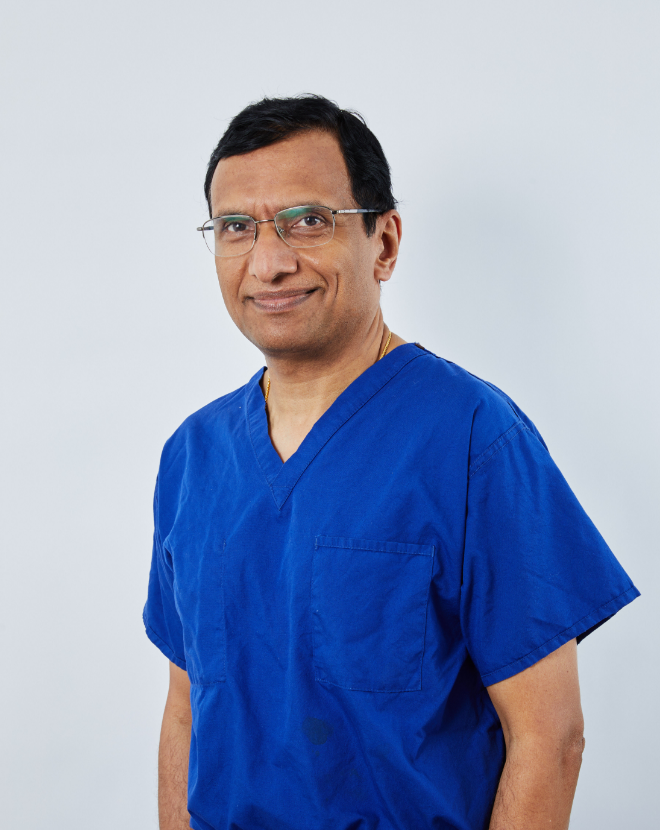
Our Consultant General Surgeon Mr Prasad is a specialist in hernia repair with a patient centered approach to each patients individual needs.
Book your consultation
A member of our team will be in touch with you to discuss your requirements.

Our Surgical Approach
For the majority of cases, surgical repair is the recommended treatment for a hernia. This is a safe, routine surgical procedure and is effective for most patients.
We understand that surgery can be daunting for many, and we are here to make the process as smooth and stress-free as possible. You will be prepped for surgery at our first-class facilities and made to feel comfortable before, during and after the procedure. With years of surgical experience in hospitals across the UK and abroad, you will be in the safe hands of our leading Consultant General Surgeon.
Following the operation, your surgeon will talk you through your recovery - this will include caring for the treated area, hygiene, rest and what to avoid. It is important to follow this advice carefully as it will aid your recovery and help to prevent any complications or risk of recurrence.
What Surgery Will You Need?
There are two surgery options available at Pall Mall. We’ll advise the best option for you, depending on your individual circumstances, as well as the hernia type and location:
Open Hernia Repair Surgery
During the open hernia repair procedure, you will be put under local or general anaesthetic. Your surgeon will begin by making a single incision (cut), usually around 2.5 to 3 inches, over the hernia area and push the protruding tissue back into your abdomen.
Once satisfied that the tissue has been properly relocated, they will use repair the weak tissue either with stitches or using a synthetic mesh (which will be stitches to the muscle under your skin).
Laparoscopic hernia repair surgery
This is a less invasive procedure, shortening the recovery period and resulting in less postoperative pain than a traditional open surgery approach. Hiatal hernia surgery is one example of a repair that can be achieved using the laparoscopic approach. This involves pulling your stomach down into your abdomen and reducing the opening in your diaphragm.
If your surgeon judges that you require laparoscopic hernia repair surgery, there are a few more steps that will need to be undertaken.
Your surgeon will start by making incisions in your abdomen and inserting gas so that your abdomen and internal organs are more easily visible. A small thin tube with a light and camera (called a laparoscope) is used to transmit video to a screen so that the surgeon can clearly see inside your abdomen.
Using microsurgical tools and instruments, your surgeon will expertly move the protruding tissue back into place. Like open surgery, your abdomen wall will be reinforced with synthetic mesh. Any excess gas inside your abdomen is then released and your incision will be closed with stitches.
Frequently Asked Questions
What sort of hernias can you repair?
Our Consultant Surgeons can repair all sorts of hernias, including inguinal, epigastric, femoral, incisional, spigelian, sportsman and ventral.
What should I do before and after my procedure?
General and more specific guidelines will be given to you by your consultant when you are booked for surgery and your procedure will be explained to you and where you will have the opportunity to ask any questions. The consultant anaesthetist that will be involved in your case and our practice manager will also contact you in the week running up to surgery.
How much time should I take off work?
Every case and patient are different and this is something that you should discuss with your consultant at your consultation and before your are booked for surgery.
When can I go home?
Depending on your procedure, most patients usually go home on the same day or the day after surgery. This will be discussed with you on the day of your procedure.
Will I need a follow up appointment?
Yes, your consultant will follow up your procedure. You will be told about your follow up appointment on discharge.
What medications should I take after my procedure?
This will be discussed with you prior to surgery. After any procedure you may be given additional medications such as pain killers to take home. The doses, times to take the medications and other instructions around these medications will be explained to you in detail before discharge.
How long will it take me to recover?
Patients who choose to have their repair under local anaesthetic typically recover much quicker than patients who choose general anaesthetic.
In terms of your recovery, you’ll be back to full fitness in 4-6 weeks.
For other activities:
- Gym/swimming – 4-6 weeks
- Sexual activities – 2-3 weeks
- Flying – 2 week (or no restrictions if under local anaesthetic)
- Swim – 4-6 weeks
- Shower – 48 hours
- Driving – 10 days
How long is hernia surgery?
The time it takes to complete the surgery will depend on the type of procedure, factoring in any potential risk of complication. Generally speaking, your hernia repair surgery will take around 120 minutes. The laparoscopic technique is usually quicker.
Following your surgical treatment, you will most likely be able to go home on the same day or within 24 hours. Undergoing surgery of any kind can leave you feeling hazy or groggy, especially if you've undergone general anaesthetic. We would always recommend arranging for a friend or family member to take you home and look after you post-operation. Having a cosy blanket and your favourite film lined up won't hurt either!
Returning to your usual self after general anaesthesia can take one to two days, impacting your memory, concentration and reflexes. Remember to avoid drinking, driving, operating heavy machinery and signing any legal documents during your recovery time.
General and more specific guidelines will be given to you by your consultant when you are booked for surgery and your procedure will be explained to you. The consultant anaesthetist will be involved in your case, and our patient care team will also contact you in the week running up to surgery. This is also the opportunity to ask any questions or share any concerns you may have.
What are the benefits of hernia repair surgery?
Hernia repair surgery is the only way to permanently treat a hernia. So, the sooner you get it repaired, the less complicated the surgery and the quicker you will heal. With Pall Mall, you will have fast access to an expert and won't have to wait weeks or even months for an appointment.
Prevent potentially life-threatening complications, such as the risk of a strangulated hernia.
- Relieve Pain
- Reduce Discomfort
- Return the herniated abdominal organs to their correct place
- Strengthen the weak muscle ar
What happens if a hernia is not treated?
If you suspect you have a hernia, don't play the waiting game. We recommend taking care of your hernia within the first six hours of noticing a lump or experiencing any of the previously outlined symptoms.
Leaving a hernia untreated will lead to more serious complications. Intestinal blockage, caused by the herniated bowel becoming pinched, will prevent normal waste from being passed and can cut off the blood supply to part of your intestine. This will result in infection of the intestinal wall.
An incarcerated hernia is classified as a medical emergency, occurring when part of your intestine or abdominal tissue has become trapped in the sac of the hernia. This condition will prevent you from digesting and processing food regularly, and can lead to strangulation.