Book a private pelvic ultrasound scan at our CQC clinics in Manchester, Liverpool & Newton-le-Willows
Pelvic Ultrasound Scans from £130
- Fast results
- No waiting times
- No referral required
- From £130

Should I get a pelvic ultrasound scan?
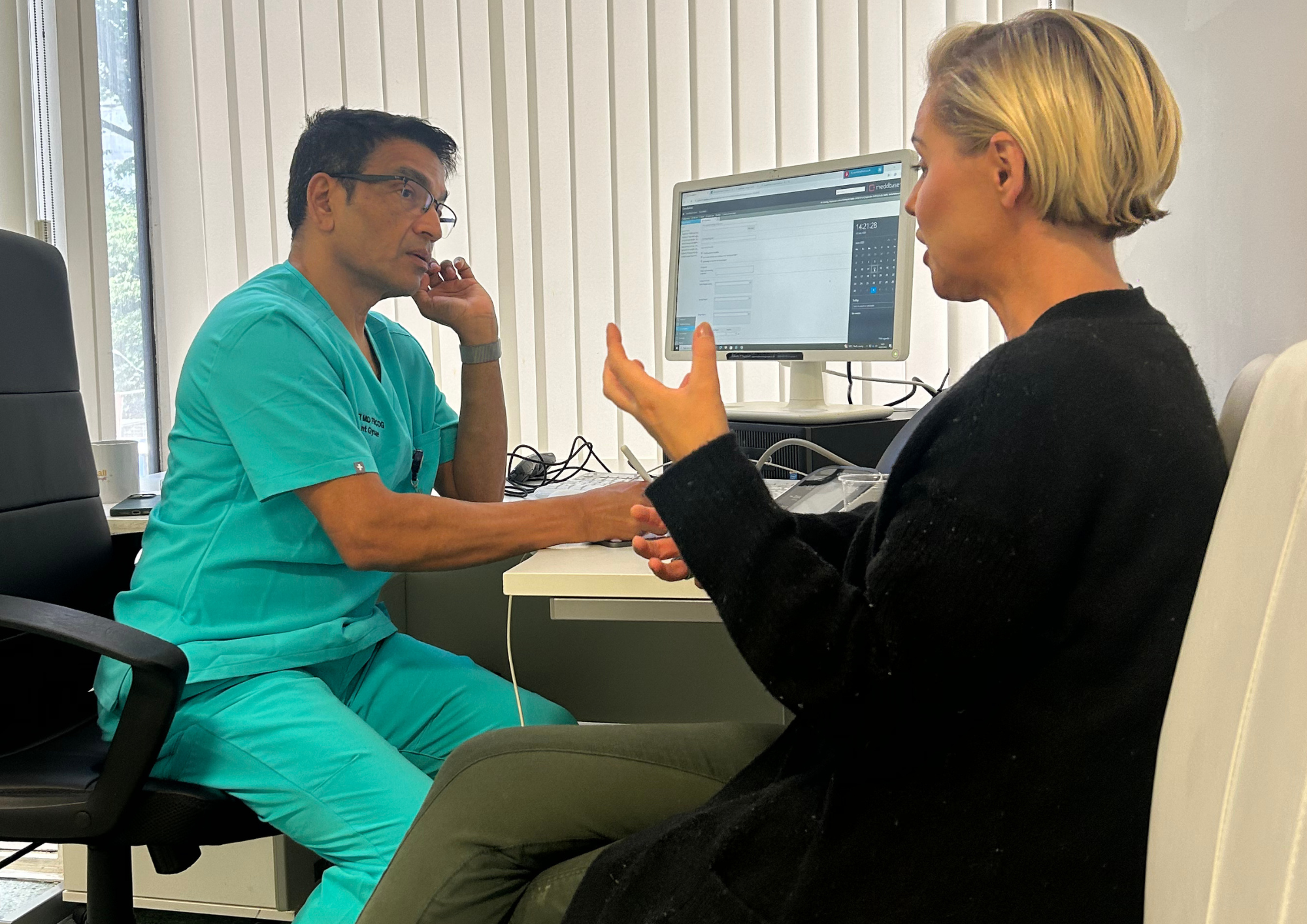
A pelvic ultrasound can be a helpful next step when something does not feel quite right, when you need more clarity about your symptoms, or when you’ve been referred by a GP.
Common reasons for getting a pelvic ultrasound include:
- Unexplained pelvic or lower abdominal pain
- Investigating unusual lumps or swelling
- Follow-up after abnormal findings elsewhere
Women
- Pelvic pain or abnormal bleeding
Irregular periods
Suspected fibroids, cysts, or endometriosis
Fertility investigations
Early pregnancy assessment
Monitoring known gynaecological conditions
Men
Urinary symptoms
Suspected prostate enlargement
Bladder abnormalities
What is a pelvic ultrasound scan?
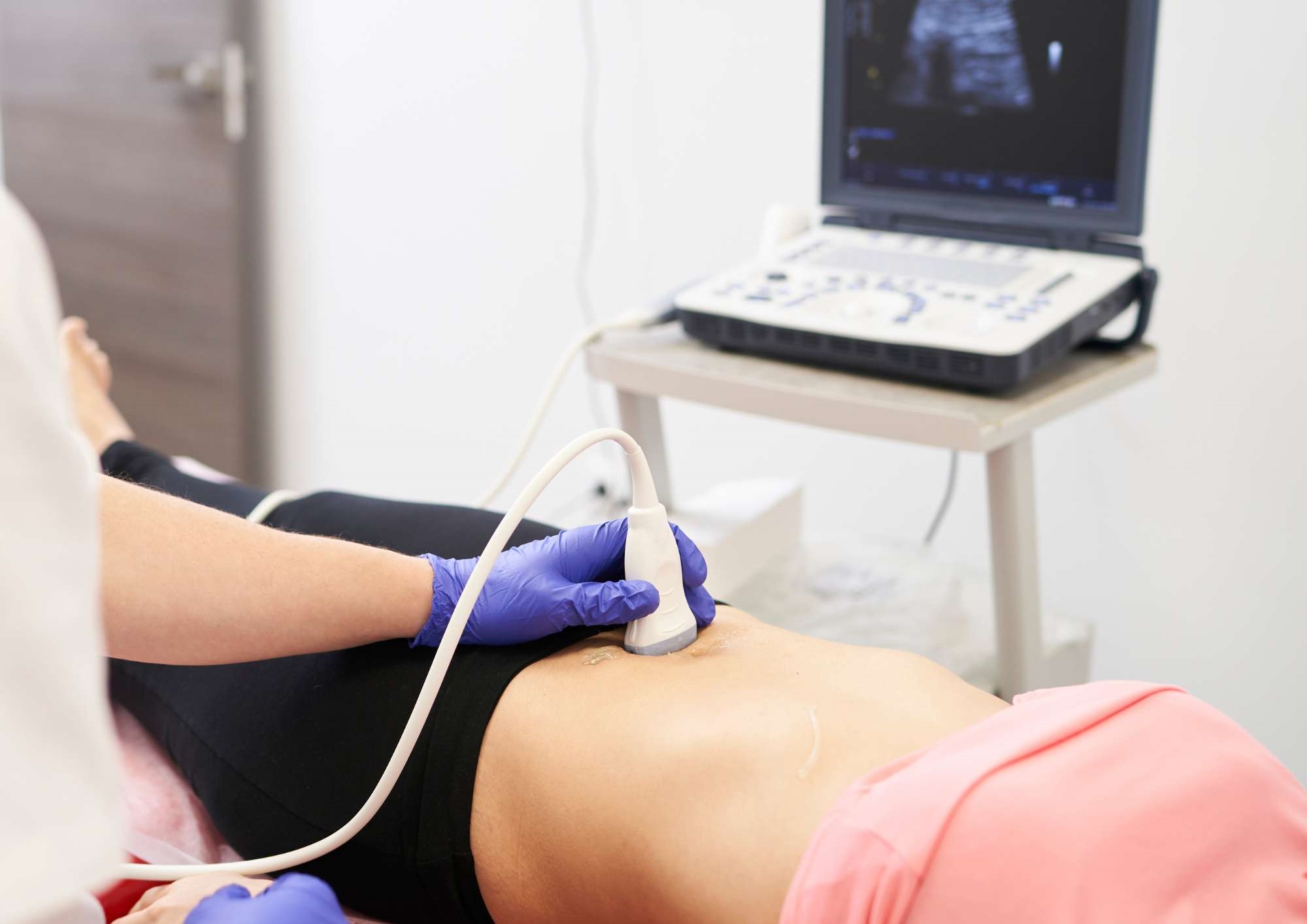
A pelvic ultrasound scan uses sound waves to produce images of structures in the lower abdomen and pelvis. It does not use X-rays or radiation.
It may be used to assess the bladder and, depending on your anatomy and clinical needs, the uterus, ovaries, fallopian tube area or prostate.
What happens during a pelvic ultrasound?
Expect your appointment to last 60 minutes, including preparation time.
For an external scan, you will lie on an examination couch while the sonographer applies gel to the lower abdomen and moves a small handheld probe across the skin.
The sonographer will explain the scan before it begins and answer any questions you may have. You can ask to pause or stop the examination at any time.
How to prepare for a pelvic ultrasound
You’ll usually need a full bladder, so drink 1 litre of water shortly before your appointment.

What can a pelvic ultrasound look for?
A pelvic ultrasound can help assess symptoms such as pelvic pain, heavy or irregular periods, bloating, urinary symptoms or concerns about the uterus, ovaries or bladder.
It may identify or help assess findings such as fibroids, ovarian cysts or changes in the lining of the womb. A scan does not always provide a complete diagnosis, and further investigation may sometimes be recommended

Why choose Pall Mall for your Pelvic Ultrasound scan?
Our expert team of doctors, nurses, and qualified health professionals will make sure you receive the highest level of patient care.
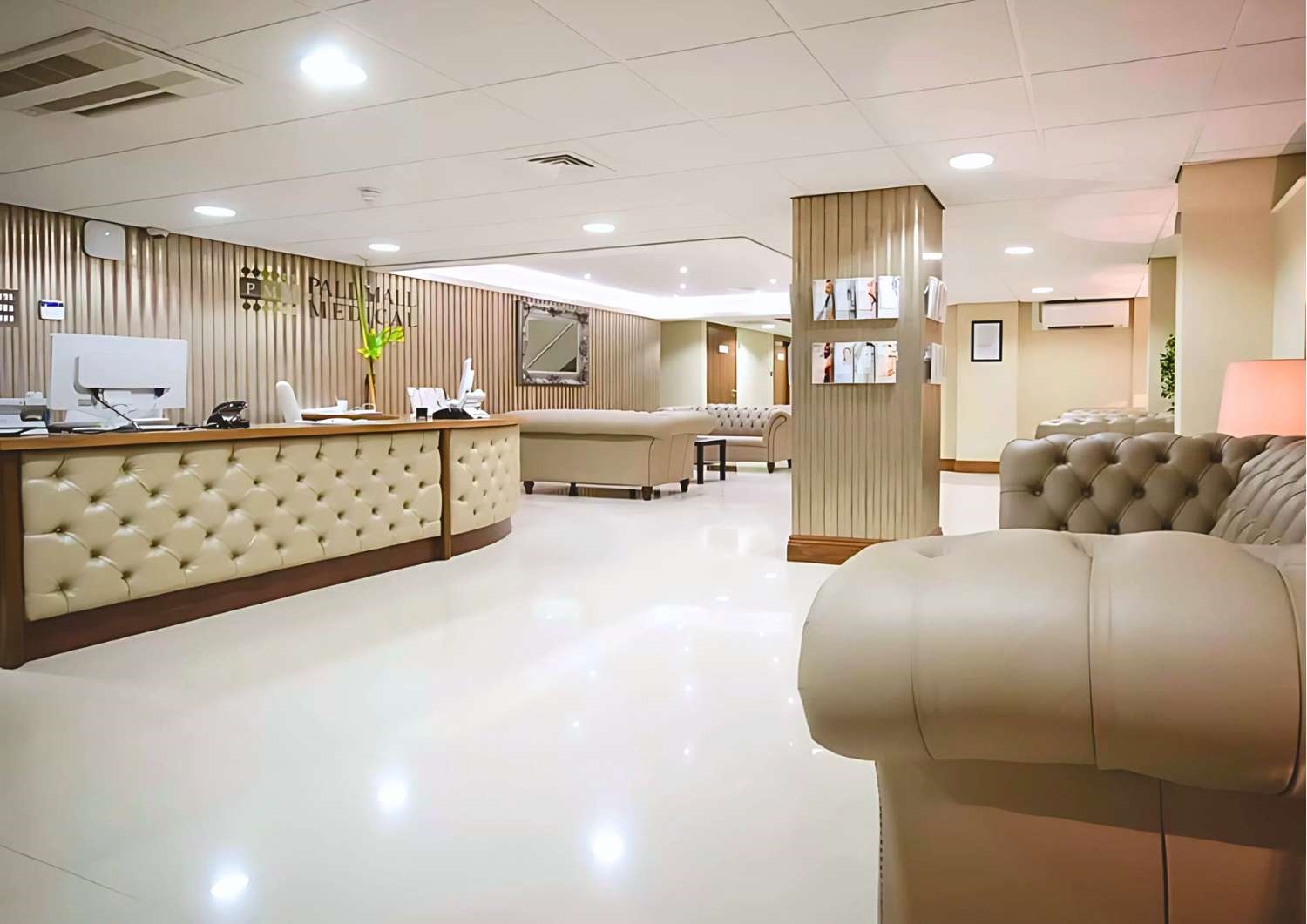
- Private Hospital setting - All scans are performed in our own private hospital, giving us complete control over the entire process—from GP consultation to diagnosis and treatment.
- Years of Experience - experts in conducting MRI scans, we have a strong reputation for quality, reliability, and patient care. You're in safe hands.
- No waits & Fast results - We offer quick access to scans, ensuring you receive prompt reports and get answers without delay.


Frequently Asked Questions.
Do I need a full bladder for a pelvic ultrasound?
For an external pelvic ultrasound, you will usually need to arrive with a full bladder. This helps create clearer images of the pelvic organs.
Your appointment instructions will explain how much to drink and when. Requirements vary between clinics, so it is important to follow the guidance provided for your scan.
Do I need to fast before a pelvic ultrasound?
You do not usually need to fast before a pelvic ultrasound. However, your preparation may vary depending on the type of scan and the area being assessed.
Please follow the instructions in your appointment confirmation or contact the clinic if you are unsure.
Can I take medication before my scan?
You can usually continue taking regular prescribed medication as normal. Take it with a small amount of water if required.
Speak to the clinic before your appointment if you have diabetes, are taking medication that affects your bladder, or have been given specific preparation instructions.
What happens during a pelvic ultrasound?
For an external scan, you will lie on an examination couch while the sonographer applies gel to the lower abdomen and moves a small handheld probe across the skin.
The sonographer will explain the scan before it begins and answer any questions you may have. You can ask to pause or stop the examination at any time.
Does a pelvic ultrasound hurt?
An external pelvic ultrasound should not be painful, although a full bladder can feel uncomfortable.
Does a pelvic ultrasound use radiation?
No. Ultrasound uses sound waves to create images and does not involve ionising radiation.
How long does a pelvic ultrasound scan take?
A pelvic ultrasound typically takes around 15 to 30 minutes. Your total appointment time may be longer to allow for check-in, preparation and time to discuss the next steps.
Can I bring someone with me?
You may be able to bring one adult friend, partner or family member for support, subject to clinic policy and room capacity. Whether they can stay in the scan room may depend on clinical and privacy requirements.
A chaperone can also be requested. Please mention this when booking or speak to the team when you arrive.
Do I need a GP referral for a pelvic ultrasound?
This depends on the reason for your scan and the service you are booking. Some private pelvic ultrasound appointments may be available without a GP referral, while others require a referral from a GP, consultant or other healthcare professional.
Our team can advise on the most appropriate booking route for your circumstances.
When will I receive my results?
Your images will be reviewed and a report prepared for the clinician overseeing your care. In some cases, the sonographer may be able to provide general information on the day, but formal results may take longer.
The results process and expected timeframe will be explained when you book your appointment.
What happens if my scan recommends further investigation?
Further investigation does not necessarily mean that anything serious has been found. It may mean that another scan, blood test, specialist consultation or other assessment could help provide a clearer answer.
Your clinician will discuss the findings with you and explain any recommended next steps.
What should I do if I have severe or urgent symptoms?
A pelvic ultrasound is not a replacement for urgent medical assessment. Seek urgent help if you have severe or worsening pelvic pain, heavy bleeding, fainting, chest pain, breathing difficulties or feel seriously unwell.
Call 999 or attend A&E for an emergency. For urgent advice that is not life-threatening, contact NHS 111.
Can I have a copy of my images?
Radiology images can be sent when requested. We are unable to send radiology images directly to NHS general practitioners; image transfers to NHS services must follow established clinical pathways and secure exchange platforms. We do not provide printed copies, postal delivery, or screenshots of imaging; images are sent via electronic transfer using Image Exchange Portal (IEP). Images will only be released to patients or third parties once the formal report has been issued
Are my scans and notes from Pall Mall available to an NHS doctor?
Yes. All clinical notes, lab results, and diagnostic images generated at Pall Mall Medical belong to you and can be securely transferred directly to your NHS GP or hospital consultant. Because your NHS specialist receives fully compiled diagnostic results, they can immediately place you into the NHS treatment queue under the Faster Diagnosis Standard without repeating early tests.
Enquire About Pelvic Ultrasounds
A member of our team will be in touch with you to discuss your requirements.