
Do I need a Pelvis MRI?
A symptom-led guide about pelvis MRI scans
We say it all the time – being a woman is tough! Our bodies are beautiful, but they’re incredibly complex, especially our sex and fertility organs. To enjoy all that our bodies have to offer – like having sex and getting pregnant – we need to look after our female organs. That includes getting them checked out when they’re not working as they should. In this blog, we detail alarm-bell symptoms that warrant a pelvic MRI scan.
Pelvis MRIs are quick, affordable, and pain-free; having one could be the start of improved sexual and reproductive health. If you have any questions while reading this blog, get in touch with our friendly gynae team today. No question is off-limits!
What is a pelvis MRI?
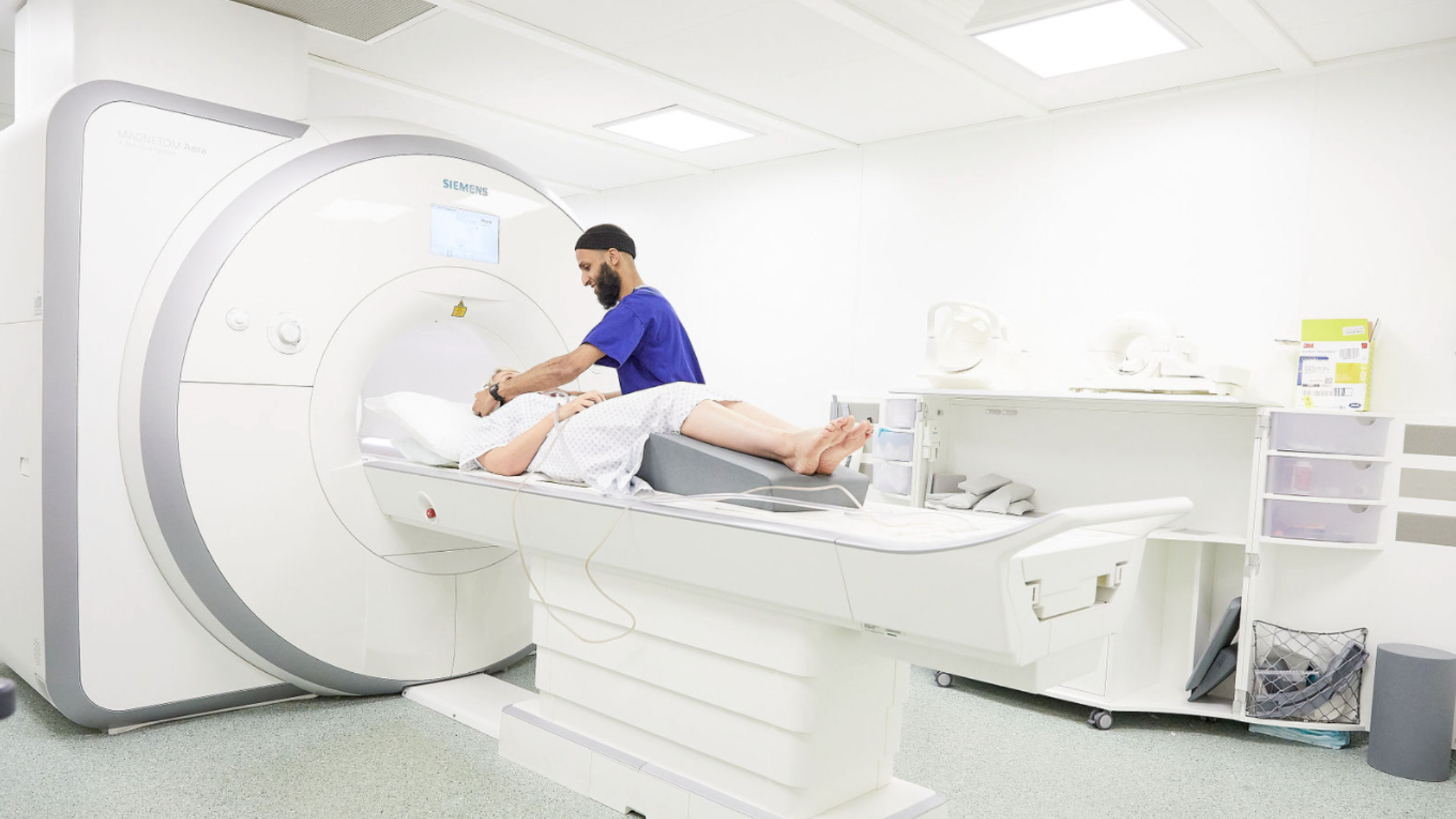
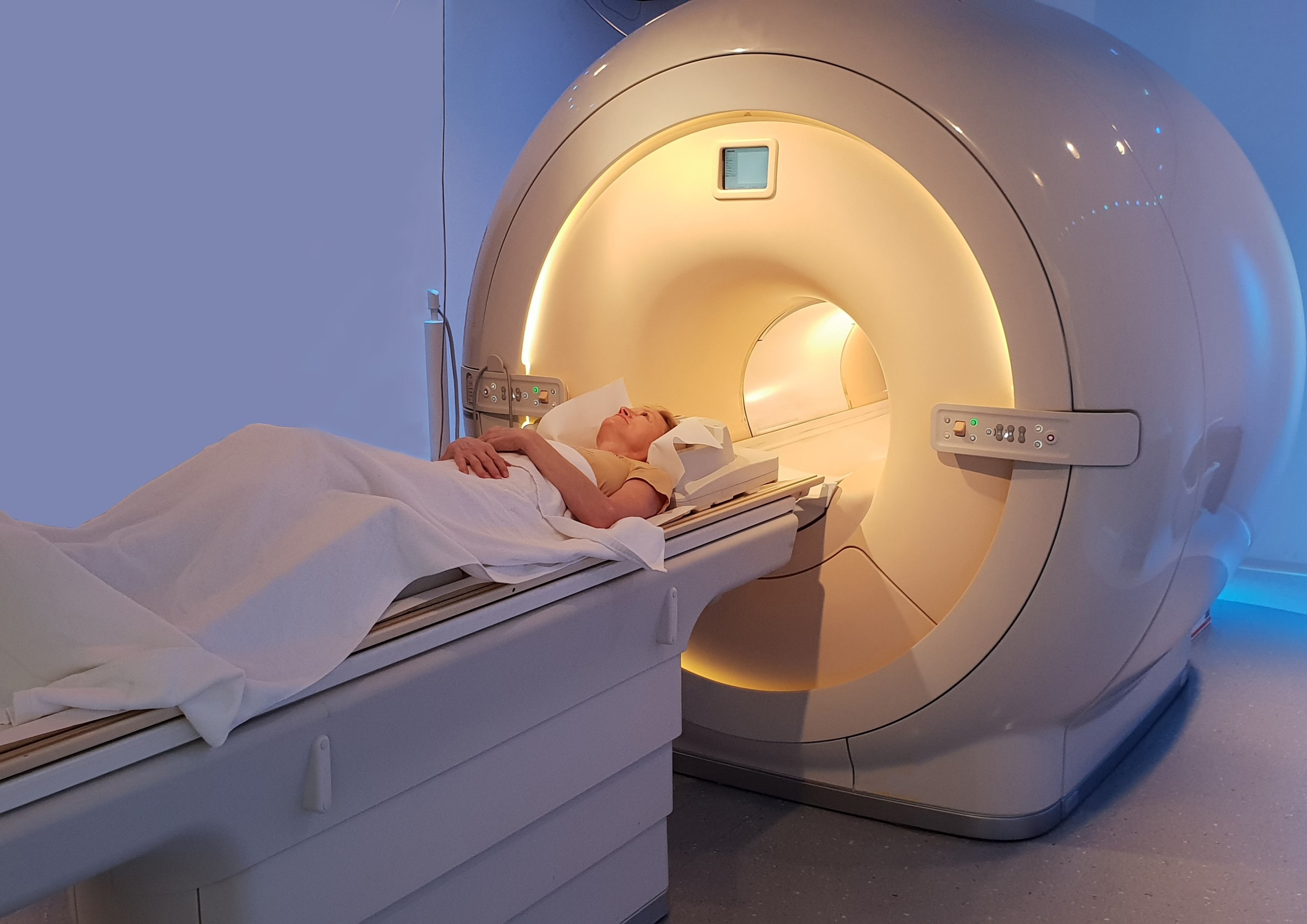
Let’s start by explaining what a pelvis MRI is. A pelvis MRI scan (Magnetic Resonance Imaging) uses a strong magnetic field, radio waves, and a computer to produce detailed images of your:
- Hip area
- Bladder
- Reproductive organs
- Bowel
- Pelvic bone
- And all the bits in-between!
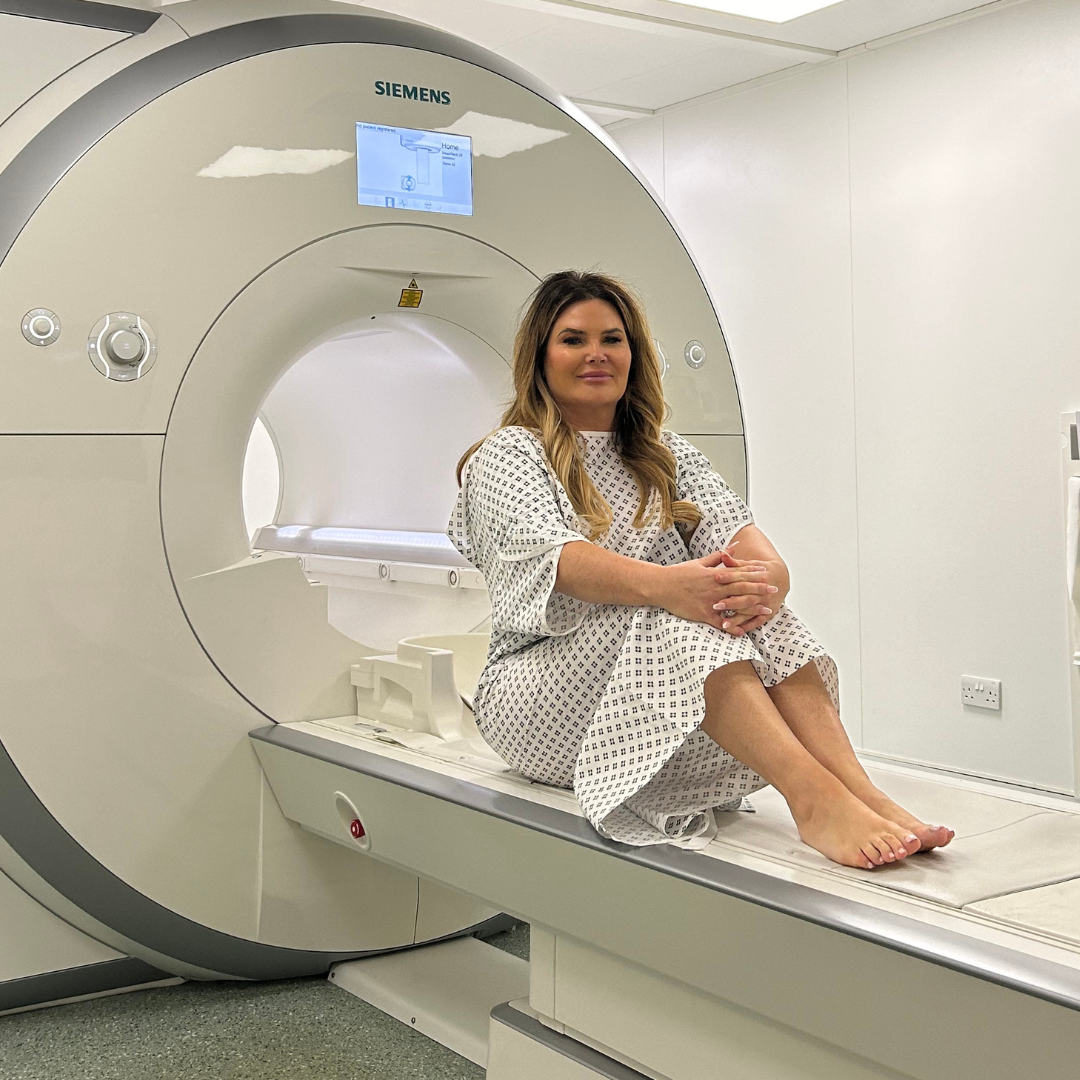
MRI scans are very good at scanning your soft tissue areas, so they can easily pick up on cysts, lesions, and other squishy growths attached to your pelvic area. This is particularly useful when diagnosing conditions like endometriosis. The scan takes between 30 and 60 minutes, and a lot of information can be picked up during that time.
Pelvic MRI scans can be noisy, but they’re painless. Before you are moved into the scanning position, you’ll be made as comfortable as possible with pillows and music. The specialists doing your scan can hear you at all times, just in case you need anything.

The importance of getting a pelvis MRI scan
Pelvis MRI scans can pick up on a wide variety of conditions, some being serious. While you shouldn’t worry about your painful pelvic symptoms until you know the cause, you mustn’t ignore them. Early detection is key for most pelvic-related conditions. If you have pain, swelling, or pressure in your pelvis, then booking in for a pelvis scan ought to be your first step.
Here are some of the conditions that a female pelvis MRI can pick up on:
- Infections
- Fibroids or endometriosis
- Chronic pelvic inflammatory disease
- Ovarian cysts
- And more
And less commonly:
- Tumours
- Cancer
If you’re worried about the outcome of your scan, you can always talk to our friendly gynae team. Try to relax and breathe slowly - it’s more likely that there is a less serious cause to your pelvic pain.
5 symptoms: 5 reasons to get a pelvic MRI scan
Here is our quick, scannable symptom guide. We hope you find it helpful!
1. Pelvic pain (chronic or intermittent)
Pelvic pain can be chronic (lasting months at a time) or intermittent (where it comes and goes). The pain can range from the following:
- Dull and aching
- to a sharp, stabbing sensation
- or cramping, similar to period or labour pain
The pain might get worse when you walk, exercise, or stand up too quickly. Pelvic pain can be incredibly hard to live with – especially when it’s there all the time. We feel you! If your pain is getting progressively worse or is stopping you from doing your day-to-day activities, then it’s time to seek medical investigation, such as an MRI scan. If you have a fever or bleeding alongside the pain, get it seen to immediately.
2. Heavy or irregular periods
While certain medications, contraceptive devices, or perimenopause can cause heavy or irregular periods, the random onset of them should not be ignored. A heavy period constitutes the following:
- Bleeding for 7+ days
- Changing tampons more frequently
- Passing large clots
- Leaking through your tampons or pads
- Feeling fatigued and sick due to blood loss
If your periods have changed with little explanation, and they have become more painful or heavier in flow, then it’s time to get them checked out.
3. Bloating or abdominal pressure
You might think that bloating and abdominal pressure are due to everyday stomach issues like IBS and constipation. Still, these can also be symptoms of a pelvic-related condition like cysts or fibroids. Abdominal pressure can present as the following:
- Tightness around the waist
- Feeling full all the time
- Cramping
- Pressure bearing down on your stomach
- Feeling uncomfortable after eating
If these symptoms persist for several weeks, or they are accompanied by bleeding or weight changes, then speak to our expert gynae team for quick, practical advice. No judgements here!
4. Fertility concerns or difficulty conceiving
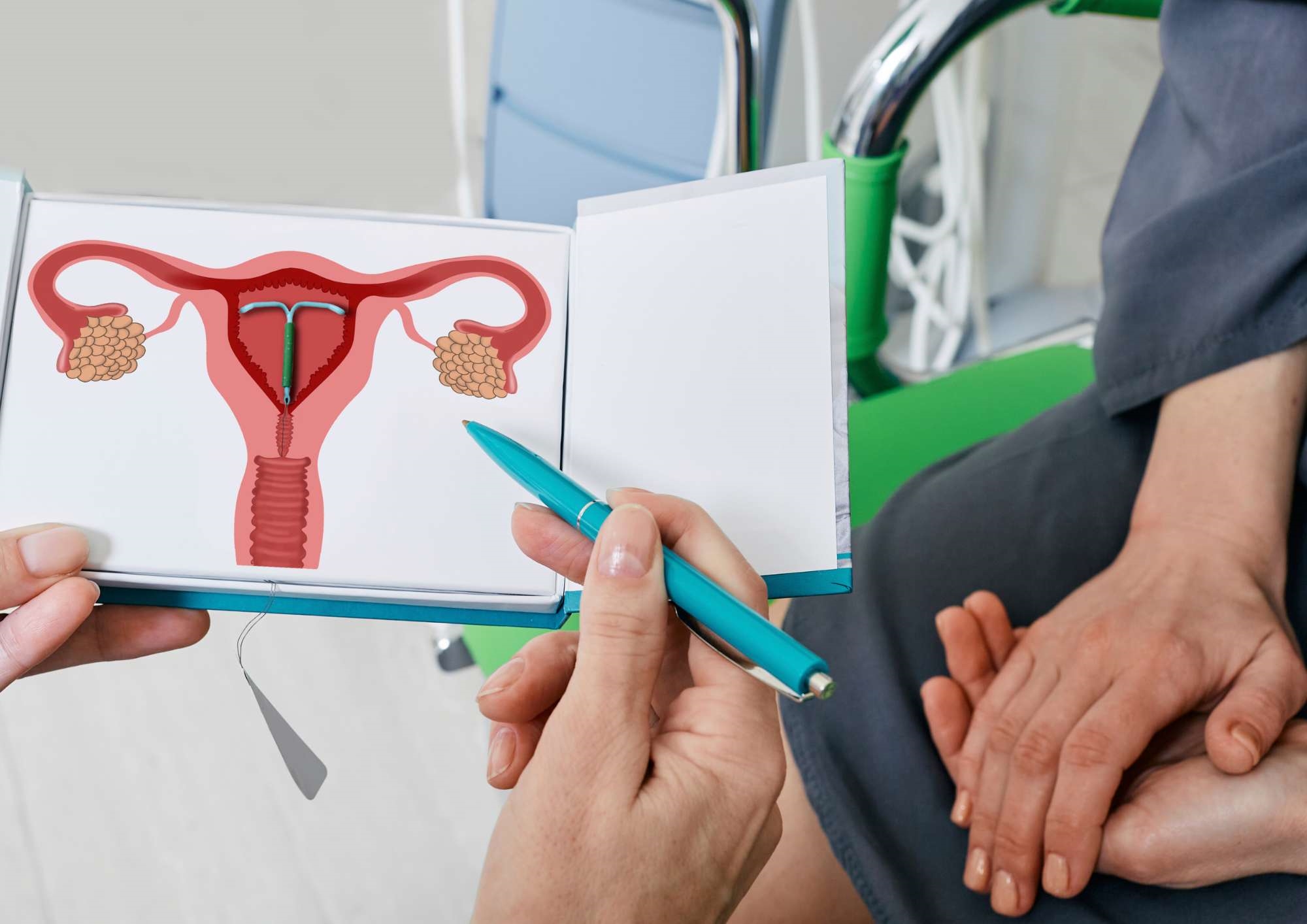
Many women have difficulties conceiving, and it can be due to reproductive issues like cysts, endometriosis, and blocked fallopian tubes.
Difficulty conceiving presents as the following:
- Trying for 12 months with no success
- You have irregular periods
- You have known reproductive issues
You’d benefit from a pelvis MRI if, alongside difficulty conceiving, you also have the following:
- Pelvic pain
- Heavy periods
- Pain during sex
- Abdominal bloating
5. Suspected endometriosis or fibroids
Endometriosis is an extremely painful condition that affects 1 in 10 women in the UK. If you have suspected endometriosis or fibroids, it is likely that you cannot ignore its symptoms and that you are already aware that you have a pelvic-related condition.
Endometriosis presents as the following:
- Chronic pelvic pain
- Painful periods
- Pain during sex
- Heavy periods
- Fatigue
- Problems conceiving a baby
If you are experiencing any of the above symptoms, you must speak to a gynae team. Getting a diagnosis of endometriosis could protect your sexual and reproductive health, so it’s worth it!

Pelvis MRI for endometriosis
A private pelvis MRI is the first step of diagnosing endometriosis. An MRI can actually identify the deep endometriosis lesions and can assess the severity of your condition. It is far more proficient than using other diagnostic tests like ultrasounds.
Learn more about the other endometriosis test we use, `Ziwig Endotest`, by reading our designated page.
Do I need a pelvis MRI?
If you have regular pain, swelling, or bloating in your pelvic area – or you’ve noticed that your periods have changed – then it’s time to book a private pelvis MRI. Getting your scan done privately means you’ll get:
- Your scan quickly
- 24/7 support
- Detailed report of your scan
- Medical plan going forward
If you relate to the contents of this blog, then try not to worry – we're right here with you!
Enquire about a Pelvis MRI
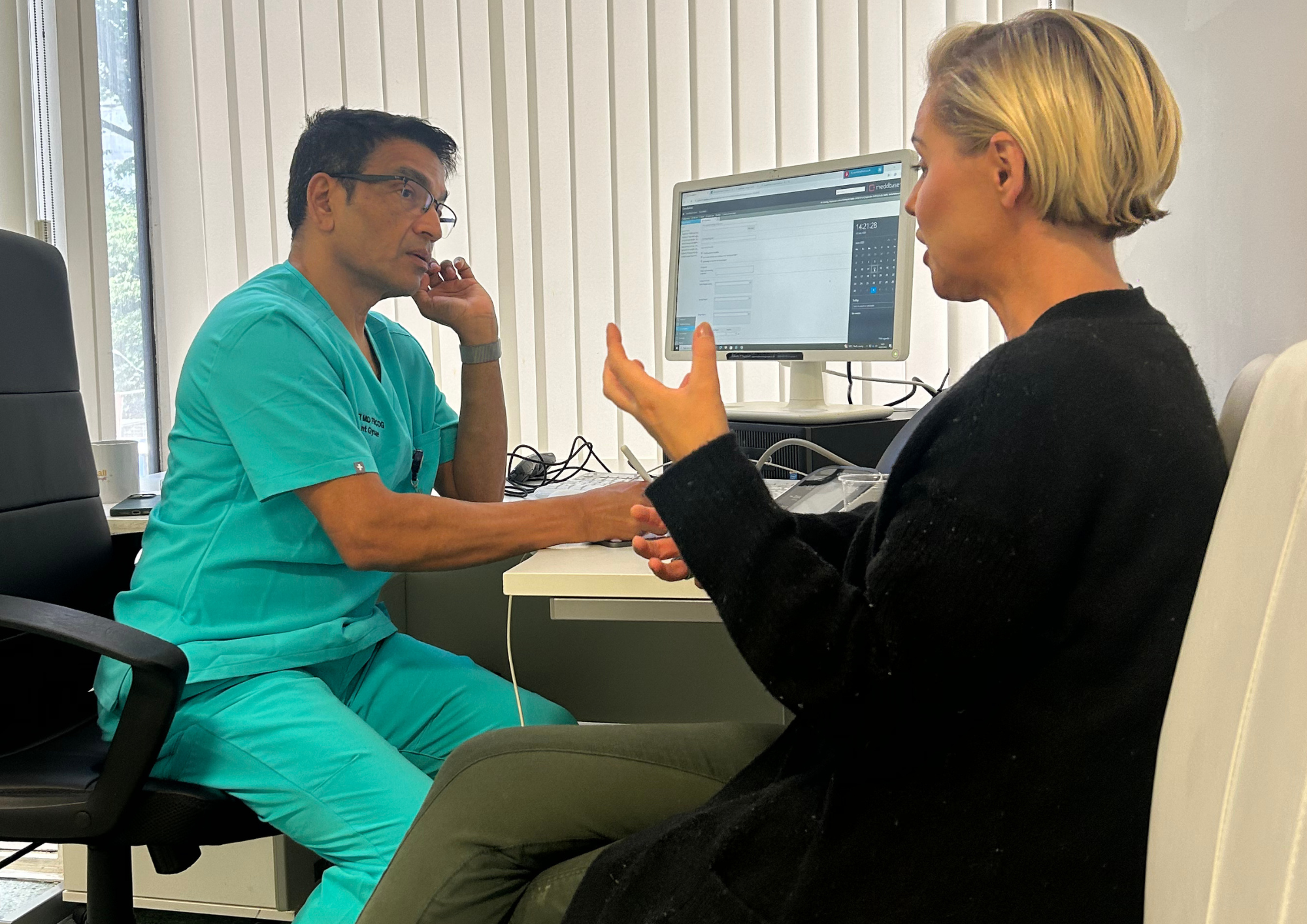
A member of our team will be in touch with you to discuss your requirements.