Menu Menu
heart health blood tests

Heart health blood tests

  • No waiting times
  • Fast results
  • North-West Clinics
  • Pay-as you go appointments

What are the symptoms of needing heart health testing?

We’ll start by saying this - if you have any of the symptoms listed below, it does not mean that you have a heart condition. But if you are experiencing heart-related symptoms, the key is to get tested; this will ensure your heart is healthy and will bring some peace of mind. 

Heart disease is one of the most common conditions to be detected by heart health testing.

Here are some potential symptoms of heart conditions, which are detected by heart health blood tests:

Chest pains Chest pain that feels like pressure, tightness, or squeezing
Tightness in the chest A feeling of heavy pressure in your chest
Breathlessness Shortness of breath—especially during rest or mild activity
Fatigue Unusual or persistent fatigue—feeling extremely tired even after rest

What blood tests can check heart health?

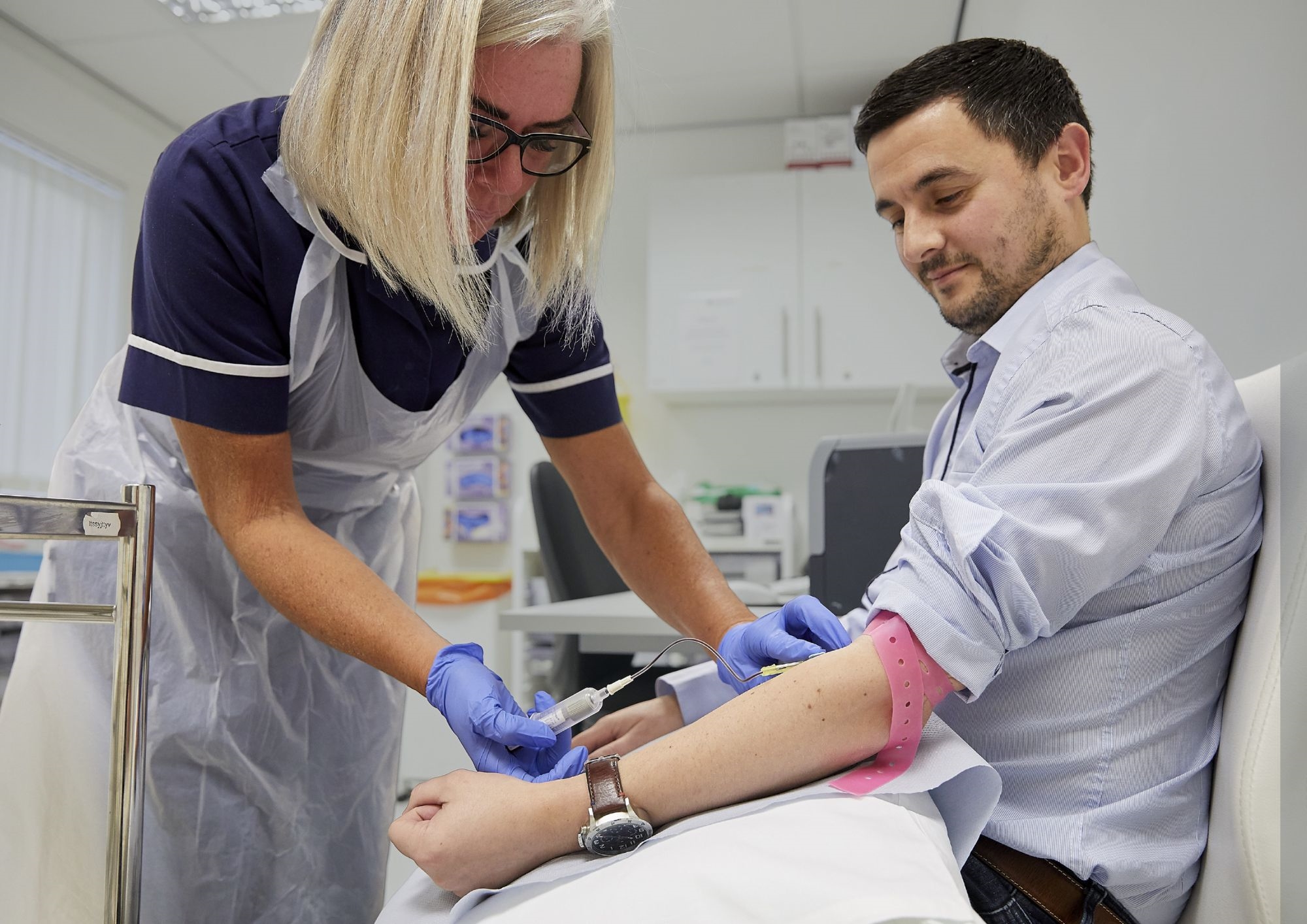
At Pall Mall Medical, we offer a selection of blood tests within our heart health range. These can be done regularly and their purpose is to check for healthy levels within the body. If you would like further information about any of the tests below, or if you are feeling anxious about them, please get in touch with our friendly, expert team here.

The private blood tests that we perform includes:

Lipid Panel (Cholesterol Test)

This test measures the fats (lipids) in your body that are directly related to heart disease; including total cholesterol, LDL cholesterol, HDL cholesterol, and Triglycerides. The Lipid Panel test is suitable for patients experiencing chest pain, high blood pressure, or those who have a family history of heart disease.

High-Sensitivity C-Reactive Protein (hs-CRP)

This test measures inflammation in the blood vessels which can lead to stroke, heart attacks, and coronary artery disease. The C-Reactive Protein test is an option for patients with borderline cholesterol results or if they have a family history of heart disease.

PLAC test

The PLAC test checks for inflammation in the artery walls, which can lead to rupture, heart attacks, and stroke. This test is suitable for patients with moderate cardiovascular risk or ongoing heart-related symptoms.

Glucose Tolerance Test (GTT)

Via a glucose drink, the GTT test checks for insulin resistance and prediabetes or diabetes. Blood sugar abnormalities can damage blood vessels, so it’s particularly important to catch prediabetes or diabetes early on.  This test is suitable for patients with chest pain but normal heart health, and for those who are of an unhealthy BMI.

Apolipoprotein A1

This test checks the protective function of the HDL cholesterol, otherwise known as the `good` cholesterol. Apolipoprotein helps to reduce inflammation and remove cholesterol from the arteries, so having a high count of it is considered healthy. The apolipoprotein test is an option for patients who have a family history of heart disease or have `normal` HDL levels but have an ongoing risk associated to their heart.

Blood glucose or HbA1c

The blood glucose test measures blood sugar levels at either a single point in time, or over 2-3 months. Much like the GTT test, the blood glucose test helps to detect poor levels early on, and in turn, will prevent damage to your arteries. This test is an option for patients with fatigue, chest pain, or metabolic risk factors.

Chest pain profile

This test assesses potential cardiac causes of chest pain. It checks cardiac markers, inflammatory markers, cholesterol markers, and metabolic risk markers. If you are experiencing chest pain or tightness, the chest pain profile test is an option for you.

How much do comprehensive heart health blood panels cost?

TestPrice
Blood glucose/HbA1c£77
Lipid Panel (Cholesterol Test)£83
Apolipoprotein A1£101
Chest Pain Profile£174
Glucose Tolerance Test (GTT) (related to heart health)£237
Cardiac full health screen£1320
High-Sensitivity C-Reactive Protein (hs-CRP)Price on enquiry
PLAC testPrice on enquiry

If you would like to book a private heart health blood test, then please get in touch with our expert team who will advise on the best blood test for your needs, and if you need more than one we offer multi-test discounts.

Heart Health Testing

How does a heart health blood test (cardiovascular blood test) work?

Heart health testing works by testing `markers` within your body, and by checking for healthy levels. For example, a chest pain profile checks for cardiac and inflammatory markers, and a blood glucose test checks for blood sugar levels. If you would like a specific blood test, get in touch with our specialist team who will be happy to explain your test at detail.

What happens if my heart health blood tests return abnormal?

If your heart health blood test results are outside the normal range, try not to worry while we guide you through the next steps. Abnormal results don’t always mean there is a serious problem, and many findings are easily explained or managed.

It’s completely natural to feel anxious while waiting, and talking things through with a trusted friend or family member can help. Please remember, our team is here for you too. You can contact us 24/7 if you have any questions or concerns.

Whatever your results show, you’ll be supported by Pall Mall Medical’s experienced GPs, specialists, and consultants. We’re here for you.

We have experience of delivering 5 star services to over a 1,000 patients every year.

This is why our patients rate us Excellent on Trustpilot.

Where can I get a reliable heart health blood test near me?

At Pall Mall Medical, you can attend your private blood tests at one of our north-west locations.

What are the next steps after heart health blood tests

Once you’ve had your private blood tests, you will go home and wait for the results to come back. Usually, a clinician will phone you within 7 working days. If your blood tests return normal, then you may receive information on how to keep your heart healthy and advise on when to retest in the future, but they’ll be nothing else to do.

If your heart health blood tests come back abnormal, there are steps you can take with your clinician immediately.

Heart health testing: Next steps:

1. Review your results with your clinician by your side

Your clinician will go through your test results with you and give you a detailed account of which markers are abnormal. Here, you can ask her any questions you may have. No question is a silly one!

2. Understand your heart risk

Next, your clinician will explain what your results mean and will let you know whether your heart is low risk (no action needed), borderline risk (lifestyle changes needed), or high risk (further investigation or treatment needed).

3. Lifestyle recommendations will be suggested

If your results come back as a borderline risk, your clinician will recommend lifestyle changes as they see fit. These might include improving: your diet, going to the gym, reducing your alcohol intake, or getting more sleep.

4. Medication is discussed

If your results are high risk, your clinician will suggest medication for you to take which will help with your condition. These might include: blood pressure treatment, blood sugar medication or cholesterol-lowering medication.

5. Further heart tests

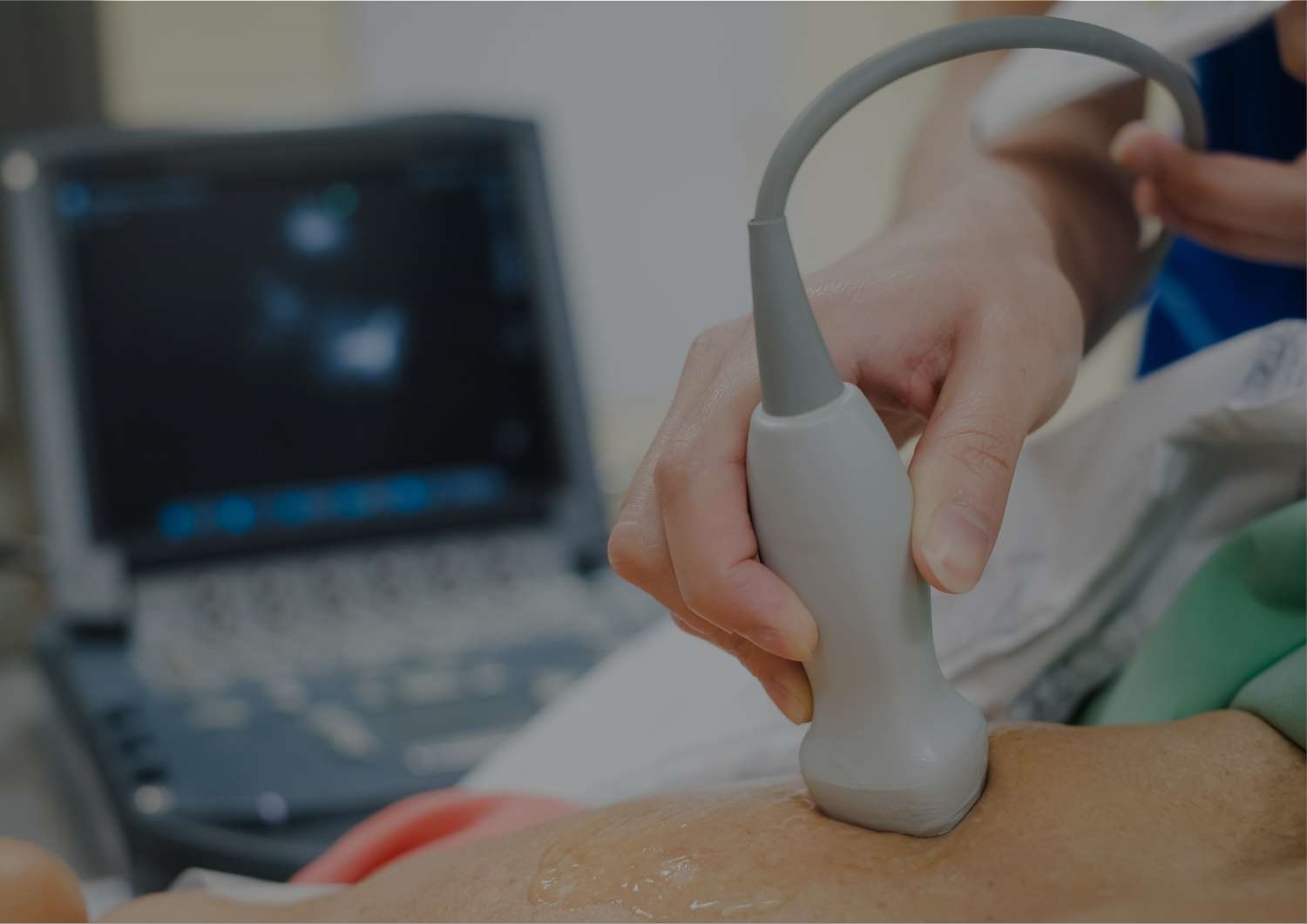
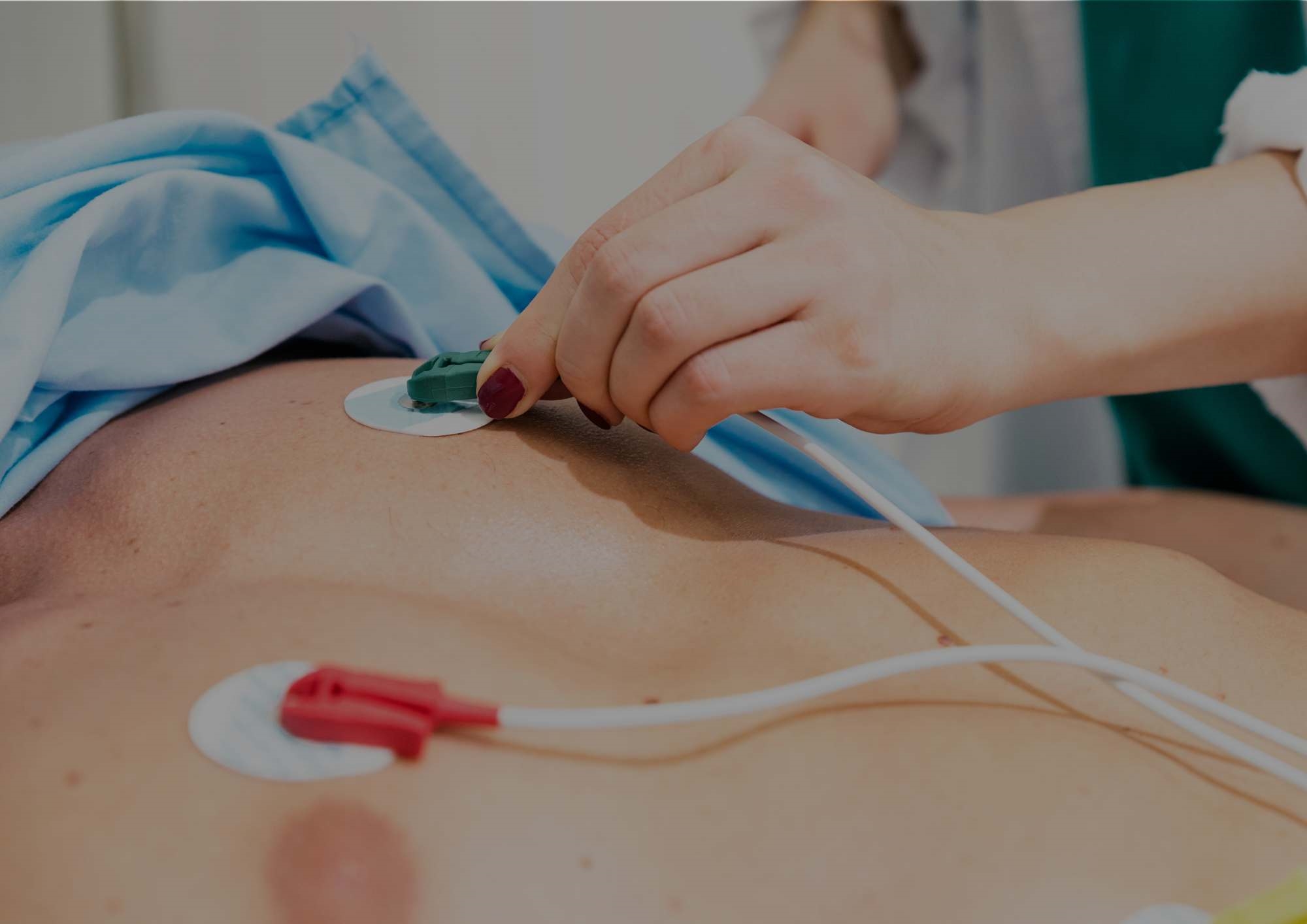
High risk patients might also be sent for further heart tests, like an ECG or heart ultrasound. This will give a clearer picture of the condition of your heart. It’s important to note that blood tests cannot replace heart imaging scans and that these will still be needed in some circumstances.

6. Referral to a cardiologist

If your clinician is particularly concerned, she will refer you to a cardiologist (heart specialist).

No matter if your tests are normal or abnormal, you will be invited to re-test and monitor your heart health. Your clinician will advise when to take further heart health testing.

Andrews blood tests at Pall Mall

We put the patient at the heart of everything we do.

At Pall Mall Medical, you have direct access to experienced medical specialists - no GP referral required and no long waiting times.

We offer prompt diagnostics, personalised treatment plans and trusted clinical care, helping you take control of your health with confidence and clarity.

  • Care Quality Commission Regulated.
  • No waiting lists.
  • Rated 4.95 by our patients.
  • No referrals required.

Heart health blood tests: FAQs

Can blood tests check heart health?

Yes - blood tests check heart health by identifying markers and levels within the body. They identify risk factors which can lead to the future diagnosis of heart disease/conditions.

Why are blood tests important for heart health?

Heart health blood tests are important because early detection is critical. You can prevent anything from inflammation in the arteries to a heart attack or stroke.

Can I order a cholesterol and heart health blood test online?

While you can order heart health blood tests online, we advise you not to. At Pall Mall Medical, the price you pay comes inclusive of expert GPs, specialists, and consultants - plus, you will get 24/7 support.

Enquire About Heart Health Testing

A member of our team will be in touch with you to discuss your requirements. 

I agree to receive advice, offers and news by email and SMS in accordance with our privacy policy