
- No waiting lists
- Patient-centric approach
- No GP referral needed
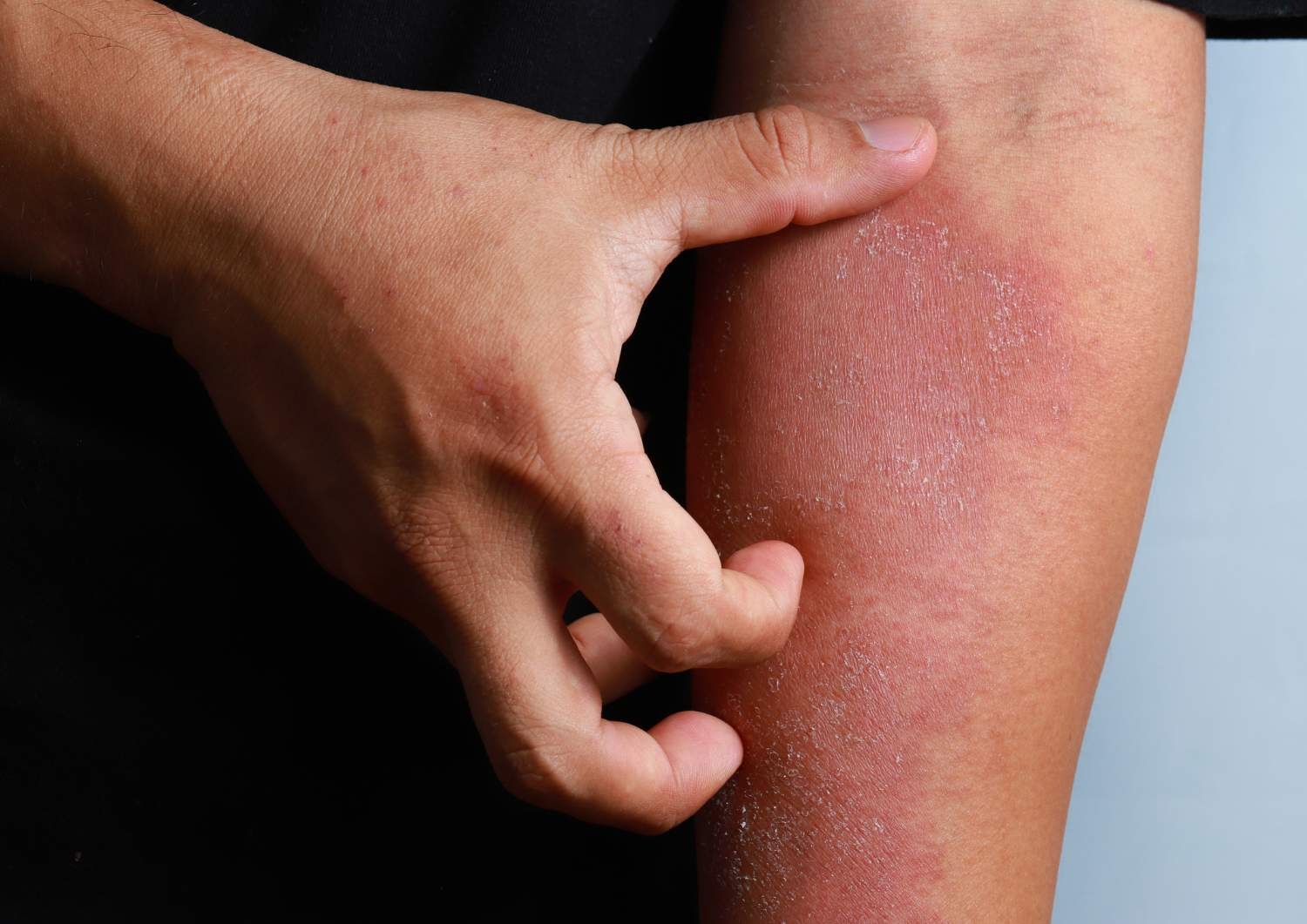
- Effective eczema management

Meet our Consultant Dermatologists
Our board-certified dermatologists have advanced training in eczema and related skin conditions. Using the latest treatments, we aim for results that last, not just temporary relief. We work closely with you to manage flare-ups and keep your skin healthy over the long term




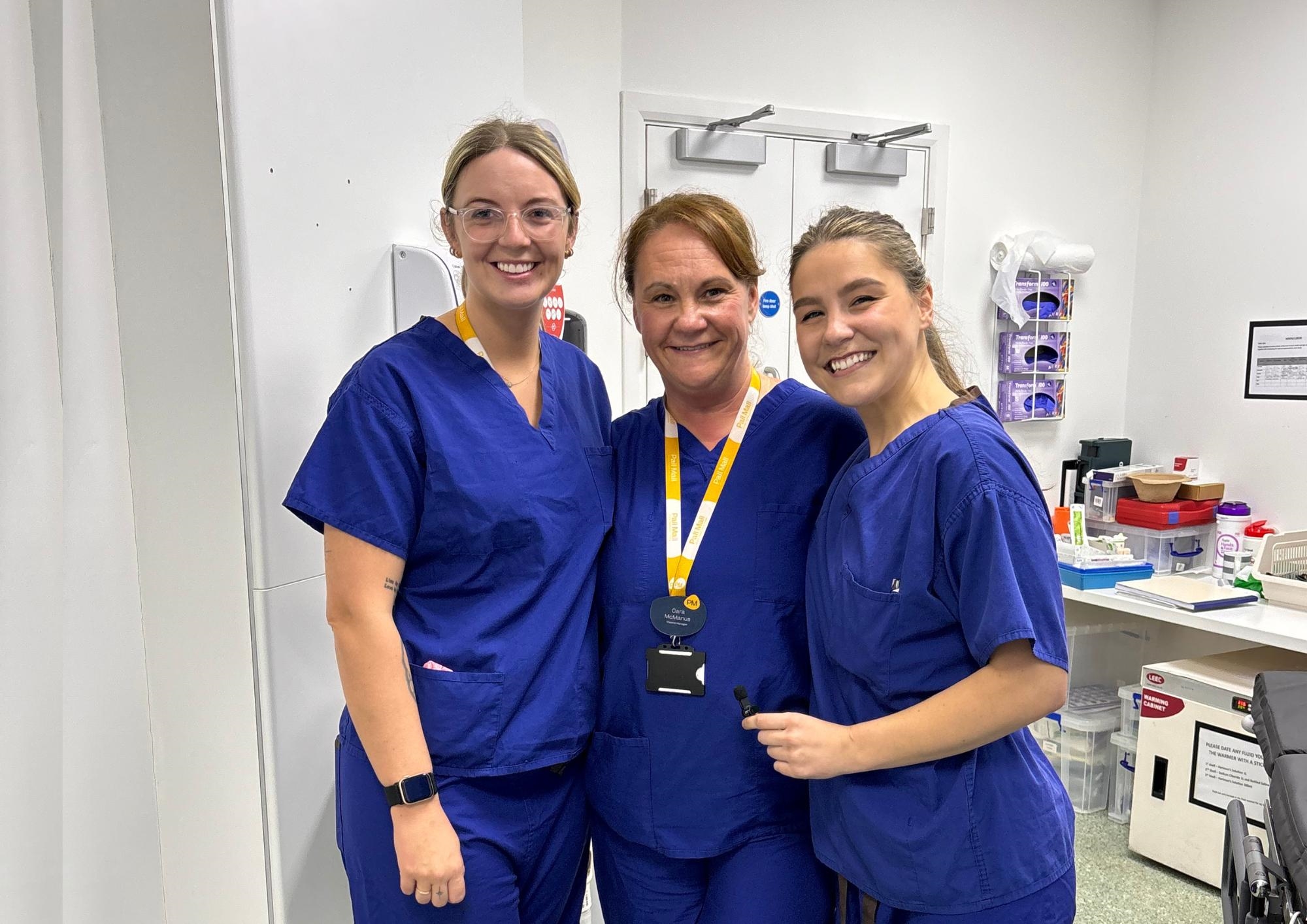
We put the patient at the heart of everything we do.
Pall Mall Medical is owned and led by doctors –which means care without compromise. We’re driven by how best we can deliver what you need, from start to finish.
- Care Quality Commission Regulated.
- No waiting lists.
- Rated 4.95 by our patients.
- No referrals required.
Frequently Asked Questions About Eczema
What is eczema and how is it treated?
Eczema (atopic dermatitis) is a chronic skin condition that causes dry, itchy, red patches of skin. Treatment focuses on managing symptoms and flare‑ups, typically through moisturisers, prescription‑strength topical treatments, and personalised skincare plans designed to reduce inflammation and irritation
What does private eczema treatment involve at Pall Mall Medical?
Private eczema care begins with a thorough skin assessment, detailed review of your history and previous treatments, and a personalised plan. This may include diagnostic tests like skin swabs or biopsies, tailored prescription medication, and long‑term management strategies to help control symptoms and prevent flare‑ups
Do I need a GP referral for eczema treatment?
No. You can book a private dermatology consultation for eczema directly with Pall Mall Medical without needing a GP referral, allowing quicker access to specialist care.
How much does a private eczema consultation cost?
A private eczema consultation at Pall Mall Medical starts at £250, including a full review of symptoms and a personalised treatment plan. Follow‑up consultations to monitor progress start from £180.
What causes eczema flare‑ups?
Eczema flare‑ups can be triggered by dry skin, allergies (such as pollen or pet dander), certain soaps and detergents, stress, and hormonal changes. Identifying triggers and avoiding them helps reduce irritation.
Can eczema affect sleep and quality of life?
Yes, severe itching - especially at night, can disrupt sleep and affect daily comfort. Targeted treatment and a tailored skincare routine help manage symptoms and improve overall wellbeing
Can diet affect eczema flare-ups?
Certain foods, like dairy, gluten, or nuts, can trigger eczema in some people. A dermatologist can help identify potential dietary triggers and suggest strategies to reduce flare-ups while maintaining a balanced diet.
Are there eczema treatments safe during pregnancy?
Yes. Dermatologists can recommend pregnancy-safe topical treatments and moisturisers that manage eczema without affecting the baby. Specialist care ensures your skin remains healthy throughout pregnancy.
How can stress worsen eczema?
Stress can trigger or worsen eczema flare-ups by increasing inflammation in the skin. Techniques like mindfulness, exercise and professional stress management can help reduce symptoms alongside medical treatment.
Can eczema appear only on certain parts of the body?
Yes. Eczema often affects areas like hands, face, behind the knees, and elbows, but it can appear anywhere. Dermatologists tailor treatment depending on the location and severity of the condition.
What’s the difference between eczema and psoriasis?
While both cause red, itchy skin, eczema usually involves dry, inflamed patches, often triggered by irritants or allergens, whereas psoriasis often forms thick, scaly plaques. Dermatologists can provide accurate diagnosis and treatment plans.
How do I prevent eczema flare-ups in winter?
Cold weather and dry indoor heating can worsen eczema. Strategies include frequent moisturising, using gentle soaps, wearing breathable clothing, and adjusting your skincare routine to protect your skin barrier.
Can eczema cause infections?
Yes. Scratching can break the skin, allowing bacteria to enter and cause infections. Dermatologists often recommend treatments to reduce itching and protect the skin barrier.








Enquire About Our Services
A member of our team will be in touch with you to discuss your requirements.