Healthy skin comes down to three daily habits: gentle cleansing, regular moisturising and SPF 30+ sun protection. Checking your moles monthly and seeing a dermatologist about persistent acne, eczema, rosacea or psoriasis also helps.
A guide to healthy skin
Don’t let your skin knock your confidence. If you are suffering from skin conditions such as acne, rosacea, eczema or psoriasis and are feeling embarrassed, frustrated and unsociable then continue reading this blog to see how we can help!
In this blog, we will delve into the world of dermatology, explore common skin concerns, and share tips for maintaining healthy and radiant skin.
Dermatologists are medical professionals who specialise in diagnosing and treating various skin conditions, ranging from acne and eczema to skin cancer and psoriasis. Dermatology specialists focus on the skin, hair, nails and related conditions and utilise their expertise to provide personalised treatment plans tailored to individual needs, ensuring optimal outcomes for patients.
Acne and Acne Scarring
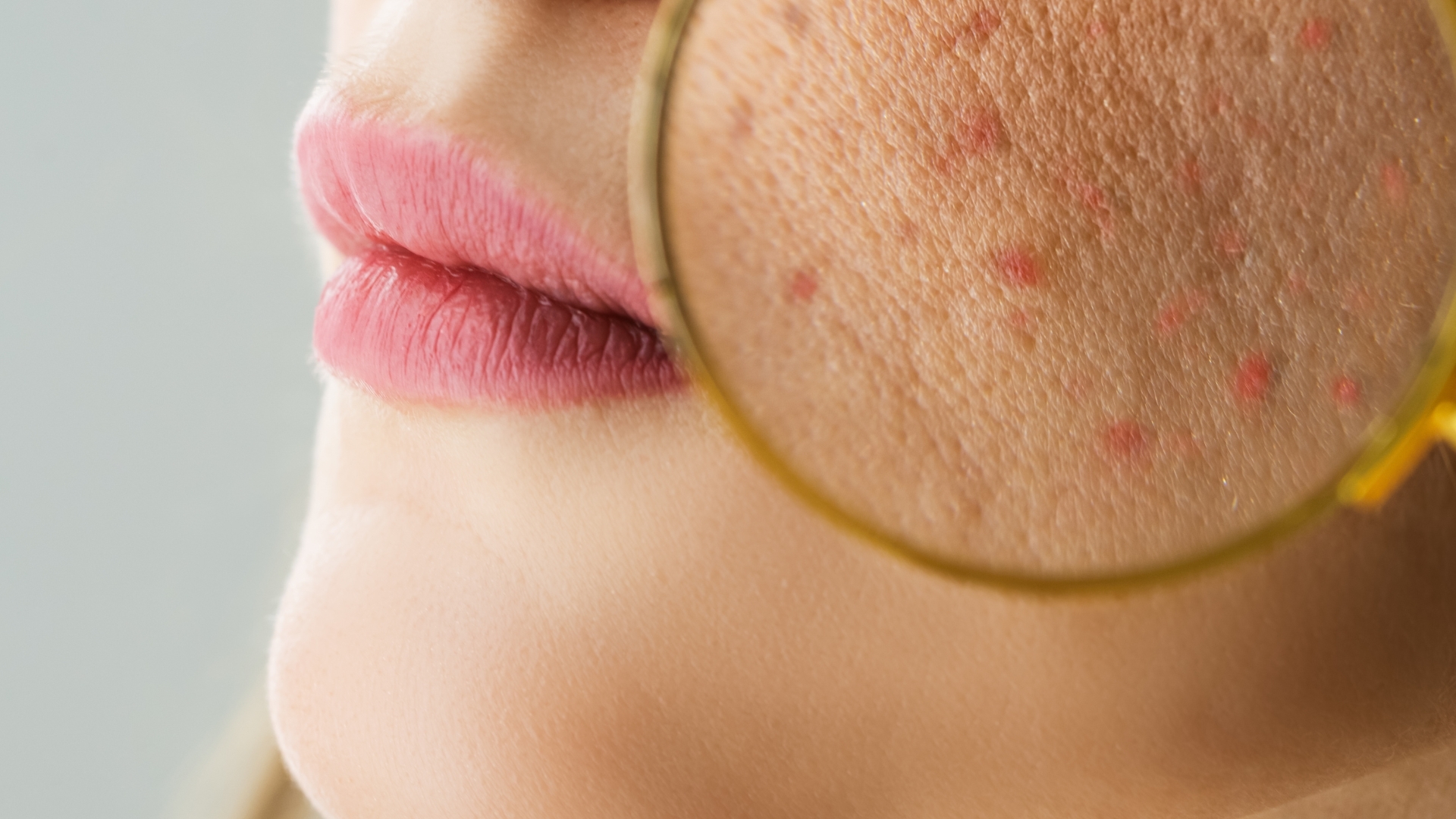
Acne, one of the most prevalent skin conditions, affects individuals of all ages and can have a significant impact on self-esteem. Dermatologists employ a variety of treatment options, such as topical medications, oral antibiotics, and laser therapy, to address acne and prevent scarring.
Our Consultant Dermatologist Dr Tim Clayton, states SPF is very important for those who are prone to acne.
"The UVA and UVB rays from the sun can make areas of hyperpigmentation much more noticeable and can cause further acne breakouts when there is increased debris on the surface of the skin," he said, "These rays can also prevent acne scars from fading, additionally too much sun exposure can inflame an already existing acne break out."
Depending on the severity of your acne, treatment may include creams containing retinoids or benzoyl peroxide, antibiotics, hormonal treatments for some women, or isotretinoin for severe acne. In the UK, isotretinoin can only be prescribed under the supervision of a consultant dermatologist.
Eczema
Characterised by red, itchy patches on the skin, eczema is another common dermatological issue that can cause discomfort and irritation. Dermatologists recommend gentle skincare routines, moisturisers, and prescription medications to manage eczema and alleviate symptoms effectively.
Rosacea
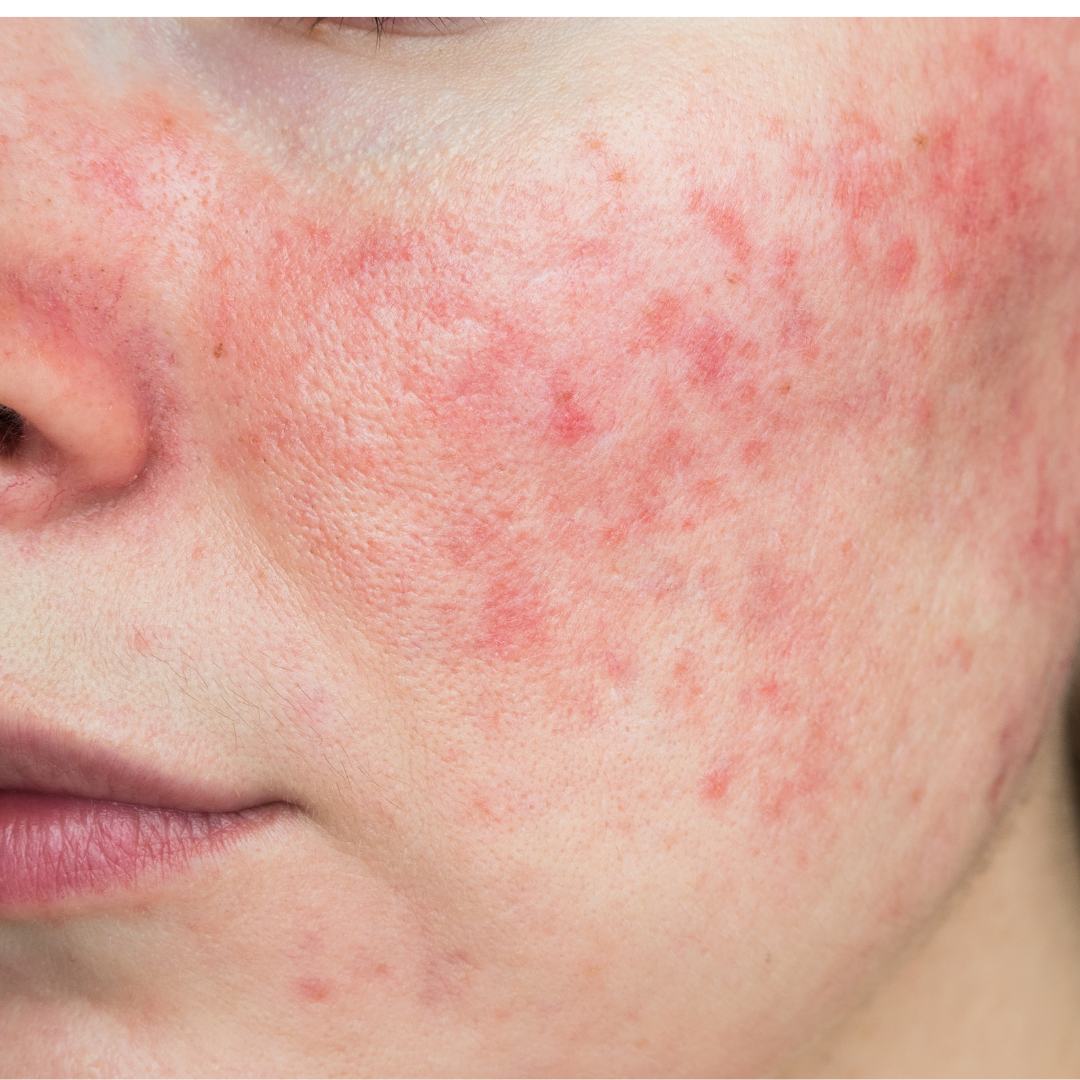
Rosacea is a long-term condition that mainly affects the face. It often starts with flushing that comes and goes, then develops into persistent redness across the cheeks, nose, chin or forehead. Some people also get small visible blood vessels, pus-filled spots or a burning, stinging sensation.
Common triggers include sunlight, alcohol, spicy food, hot drinks, stress and sudden temperature changes. Keeping a symptom diary can help you work out which ones affect you.
Rosacea can't be cured, but it can be well controlled. Treatment options include prescription creams and gels, a course of oral medication for flare-ups, and laser or light treatments to reduce redness and visible blood vessels. Find out more about rosacea treatment at Pall Mall.
Psoriasis
Psoriasis is a condition in which the immune system speeds up the production of skin cells. This causes raised, flaky patches known as plaques, which can be red, pink or darker than your usual skin tone depending on your complexion. It most often affects the elbows, knees, scalp and lower back, and it can come and go in flare-ups.
Around 2 in 100 people in the UK have psoriasis. Some also develop psoriatic arthritis, which causes joint pain and stiffness, so mention any joint symptoms to your doctor.
Treatment depends on how severe it is and where it appears. Options range from medicated creams and ointments to light therapy (phototherapy), tablets, and injectable biologic treatments for more severe cases. Learn more about psoriasis treatment at Pall Mall.
Skin cancer and mole checks
Skin cancer is one of the most common cancers in the UK, and it's usually treatable when caught early. The most useful habit you can build is checking your own skin once a month, including areas you don't often see, such as your back, scalp and the soles of your feet.
When checking moles, dermatologists use the ABCDE guide:
A - Asymmetry: the two halves of the mole look different.
B - Border: the edges are uneven, notched or blurred.
C - Colour: it has several shades, such as brown, black, red or pink.
D - Diameter: it is larger than 6mm across, roughly the size of a pencil rubber.
E - Evolving: it has changed in size, shape or colour, or has started to itch, bleed or crust.
Not all skin cancers start as moles. See a doctor if you notice a new lump, a scaly or discoloured patch, or a sore that hasn't healed after four weeks.
You may be at higher risk if you have fair skin that burns easily, lots of moles, a history of sunburn, have used sunbeds, or have a family history of skin cancer. If any of these apply, a mole check with a dermatologist can give you peace of mind and a baseline to compare future changes against.
How to protect your skin from the sun
Sun damage is the leading cause of premature skin ageing and the biggest avoidable risk factor for skin cancer. To protect your skin:
- Choose the right sunscreen: use one with SPF 30 or higher and a UVA rating of at least 4 stars.
- Apply enough: most people use too little. Aim for around two teaspoons to cover your head, arms and neck.
- Reapply often: put more on regularly, and always after swimming, sweating or towel-drying.
- Avoid the midday sun: stay in the shade between 11am and 3pm in the UK summer, when UV is strongest.
- Cover up: wear a wide-brimmed hat, sunglasses and loose clothing that covers your skin.
- Skip sunbeds entirely: they significantly increase your risk of melanoma.
Remember that UV can damage skin on cloudy days too.
Dr Kathryn Ashton, Consultant Dermatologist highlights the strong link between sunbed use and melanoma risk:
" We're urging people to check their skin regularly and understand the warning signs. Early action can save lives'"
A simple skincare routine for your skin type
You don't need a 10-step routine for healthy skin. For most people, a gentle cleanser, a moisturiser and a daily SPF are enough. Choose products to suit your skin type.
Dry skin: use a creamy, soap-free cleanser and a richer moisturiser. Ingredients such as ceramides, glycerin and hyaluronic acid help lock in moisture. Avoid long, hot showers.
Oily or acne-prone skin: use a gel cleanser and a lightweight moisturiser labelled "non-comedogenic," which means it won't block pores. Resist over-washing, as it can make oiliness worse.
Combination skin: you may need a lighter moisturiser on your T-zone and a richer one on drier areas such as your cheeks.
Sensitive skin: stick to fragrance-free products with short ingredient lists, and patch test anything new on a small area first.
If over-the-counter products aren't helping after a couple of months, a dermatologist can recommend prescription options that are more effective.
Lifestyle habits that support healthy skin
What happens inside your body shows up on your skin. These habits can make a real difference:
- Don't smoke: smoking reduces blood flow to the skin and speeds up wrinkling.
- Prioritise sleep: your skin repairs itself overnight.
- Eat a balanced diet: include plenty of fruit, vegetables and healthy fats. Research into diet and specific conditions like acne is still developing, so speak to a professional before cutting out whole food groups.
- Manage stress: stress is a known trigger for flare-ups of eczema, psoriasis and rosacea.
- Drink enough water: staying hydrated supports your overall health, including your skin.
Proud to deliver 5-star care to our patients every year.
This is why our patients rate us Excellent on Trustpilot.
People also ask
Why book an appointment with a Private Dermatologist?
Don’t let your skin knock your confidence. Whatever your condition or concern, we are here to help.
When you’ve tried countless different creams and nothing seems to be working, it’s time to see a Dermatologist. We recognise that painful symptoms and skin insecurities can hugely impact your quality of life.
You should consider seeing a Dermatologist if you:
- Have persistent dry or itchy skin
- Have spotted a concerning mole on your skin
- Notice skin discolouration
- Are concerned about your acne
- Feel insecure about your skin texture
- Have scars (from acne or an injury, for example)
Do I need a referral to see a dermatologist at Pall Mall?
No referral is required. You can book directly with our private dermatology team without going through an NHS or GP referral.
Can I spread the cost of a dermatology treatment or consultation?
Yes. Pall Mall offers flexible medical finance plans and interest-free instalment options to spread the cost, including Klarna and Clearpay
Got a skin concern? We're here to help
A member of our team will be in touch with you to discuss your requirements.