Menu Menu
Can VASER Liposuction Help Treat Lipoedema?

Can VASER Liposuction Help Treat Lipoedema?

What is lipoedema?

Lipoedema is a chronic disorder which causes fatty tissue build-up in your legs, thighs, waist, bum, and sometimes stomach or arms. As a condition, lipoedema is often left undiagnosed and can be mistaken for cellulite or even obesity. It affects the volume, texture, and shape of your legs along with causing pain and mobility issues. Although many women campaign for body positivity, the weight of the condition often causes mental health problems and low self-esteem.

If you have lipoedema or you’ve been newly diagnosed, then you’re in the right place! We’re here to navigate this journey with you.

What are the early signs and symptoms of lipoedema?

According to the NHS, lipoedema is characterised by an abnormal, painful build-up of fat in the legs, waist and thighs, and sometimes arms. Early signs and symptoms to look out for include:

Fatigue (more than usual tiredness)
Swelling in the legs
Bruising you can't explain
Joint pain
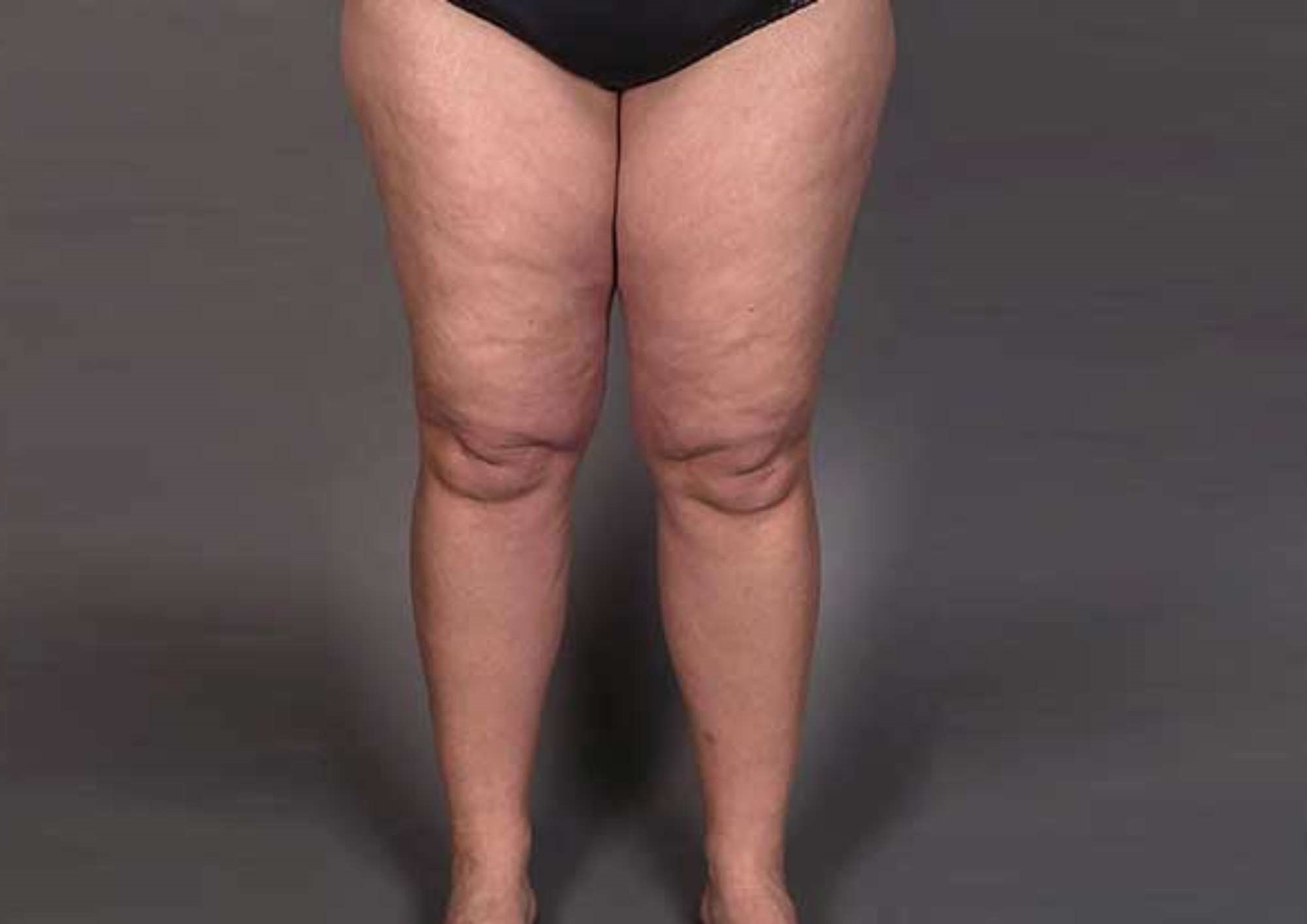
Skin cuffs around your ankles & bulges of fat around your knees
Uneven skin tone
Cellulite appearance
Poor blood circulation (numbness/pins & needles)
Your lower body looking bigger


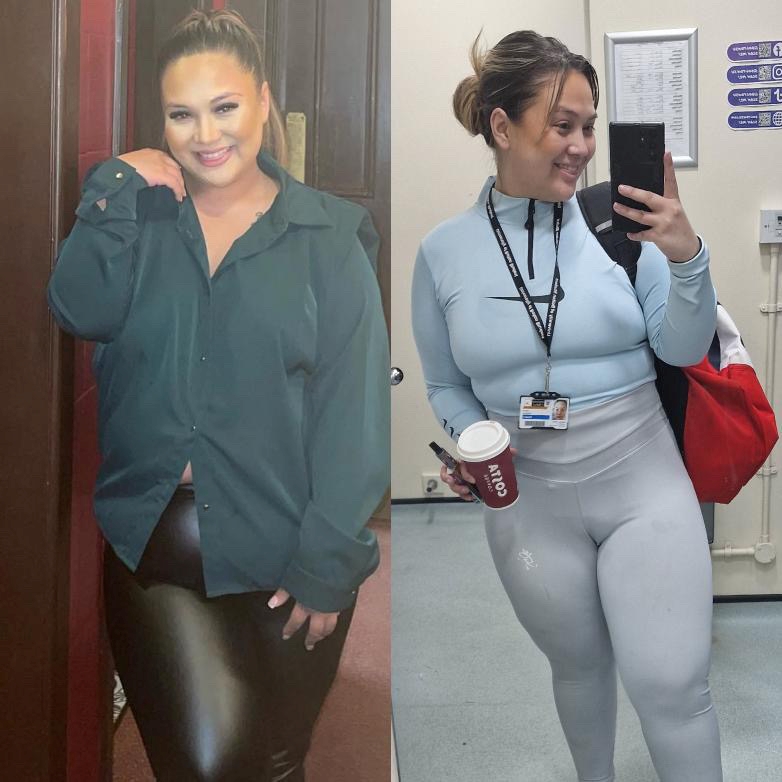
We know and trust what the NHS says. But how does it really feel? Lipoedema and plus-size fashion Influencer @thickthighs.positivevibes recently shared an image in ode to Lipoedema Awareness Month. The image features keywords pinpointing how lipoedema presents and feels. She describes lipoedema as a `daily battle`, and highlights that the condition is `not rare, just rarely diagnosed`. 

To Zoe, her lipoedema symptoms are the following:

  • Pain
  • Sensitivity
  • Exhaustion
  • Tenderness 
  • Inflammation
  • Heaviness
  • Finding bruises
  • Having mobility issues 

Lipoedema feels different for everybody, especially because there are different stages of the condition (more on this later). How does it feel for you?

Keeping a symptom diary is always a good idea – for yourself and for health professionals you’ll see along the way. 

What causes lipoedema?

Lipoedema is seen as having triggers and flares rather than causes. There are many triggers, and they vary from person to person. These include:

  • Food and immune intolerances
  • Hormonal shifts
  • Insulin resistance
  • Lymphatic congestion
  • Nutrient deficiencies
  • Chronic stress

The best way to manage your lipoedema is by looking at your triggers one by one. For example, lymphatic congestion can be treated by a drainage massage, and stress levels can be lowered by reading, yoga… or by having a yap with your bestie! They’re not cures, but they are coping mechanisms, and these are key to living with lipoedema.

Which areas of the body are affected by lipoedema?

Lipoedema affects the bottom half of your body, including your legs, thighs, and hips. It can also affect your arms, wrists, and elbows – but this is less common.

Chronic illness influencer @emflower.x tells us how she suspected a lipoedema diagnosis: “I have always wondered about my legs, as normal socks make me have indents in my ankles, and I’m always covered in bruises. The last few years since I turned 30 I’ve been getting a weird texture to my legs; although I’m slim, they’re a lot more wobbly than you’d expect."

What Are the Different Stages of lipoedema?

According to Lipoedema UK’s campaign for Lipoedema Awareness Month, there are four stages to the condition. It’s worth noting that lipoedema is progressive, meaning it can get worse if left untreated and if you do things to exacerbate it (like eating poorly or gaining weight). Don’t let that scare you. There are ways to manage and treat your lipoedema no matter what stage you’re in.

Here are the four stages of lipoedema:

Stage 1
  • Fat accumulation in the legs 
  • Often mistaken for weight gain 
Stage 2
  • Uneven skin texture similar to cellulite
  • Pain and tenderness 
Stage 3
  • Significant tissue enlargement 
  • Difficulties getting around
  • Affects daily life 
Stage 4
  • Lipoedema with lymphatic involvement
  • Increased swelling and fluid 
  • Requires specialised management 

Do you want to talk about the possible stage of your lipoedema? Get in touch with our specialist team. We’re always happy to talk!

How is lipoedema typically diagnosed by medical professionals in the UK?

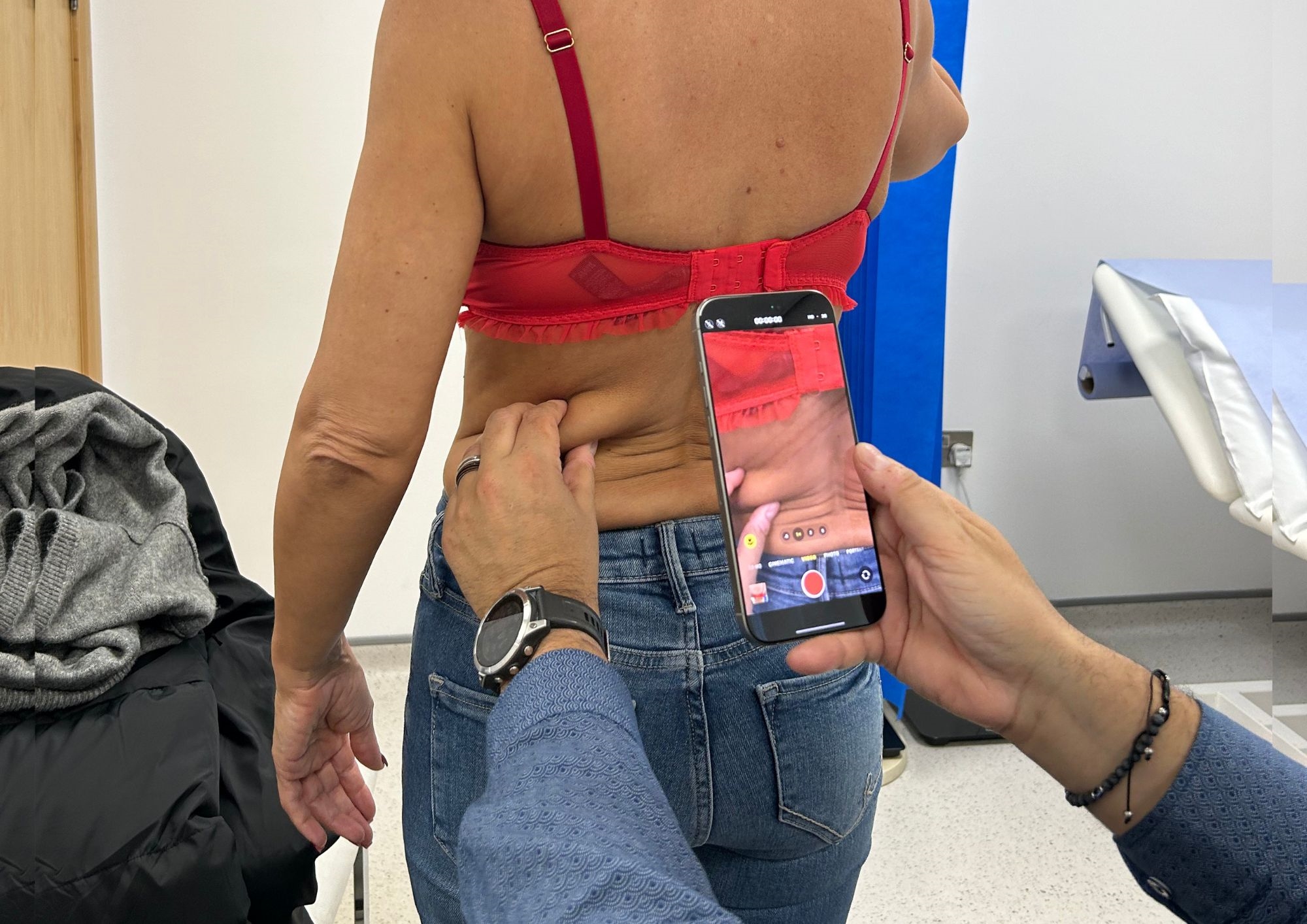
62% of people don’t receive a lipoedema diagnosis until they’re 41+. That’s a lot of time spent being in pain and discomfort. If you want to do something about your lipoedema now, the normal route is to contact your GP for an appointment, who will then refer you to a specialist. An alternative (and quicker!) route is to consult a private medical provider that specialises in cosmetic and non-cosmetic surgery. They will be able to offer you a free consultation where you can have your lipoedema reviewed and treatment options discussed.

Have you recently been diagnosed or do you feel that you have lipoedema? Visit the Lipoedema Foundation or @lipoedemauk on Instagram for more info.

Why lipoedema affects mostly women

Lipoedema is largely caused by genetic factors and hormonal shifts including puberty, pregnancy, and the menopause. Trans-men can also get lipoedema.

Lipoedema vs obesity: What's the difference?

Because of how it looks, lipoedema can be confused with normal, cellulite-laden fat. Therefore, the condition is often mistaken for excessive weight gain or even obesity. Lipoedema fat does have distinct differences to normal fat. Here’s how to tell if the fat you have is lipoedema.
Painful to touch
Unexplained bruising
Ankle cuffing
Fat distribution in the legs
Can't be lost through diet and exercise
Doesn't hurt
No regular bruising
Even distribution of fat throughout the body
Can be lost through a balanced diet and exercise

Lipoedema vs lymphoedema: the same but different

If you’ve got this far, then phew, you need a brew! There is another condition that we need to tell you about, and it’s called lymphoedema. Now, this condition is sometimes mistaken for lipoedema, but there are distinct differences.

Lipoedema:

  • Abornomal fat build-up
  • Symmetrical (affects both legs or both arms)
  • Fat feels painful and tender

Lymphoedema:

  • Lymph fluid build-up
  • Asymmetrical (affects one leg or one arm)
  • Skin feels tight or thick 

If you’re unsure which one applies to you, you can book a free appointment with our specialists. Our non-cosmetic surgeon will review your lipoedema and discuss treatment options with you. 

How to get rid of lipoedema

Although lipoedema is incredibly tough (and annoying – let's face it) to live with, there are so many methods you can try to reduce your symptoms. If you’ve tried to manage your lipoedema at home but haven’t been able to, you have the choice to get lipoedema surgery (liposuction).

At Pall Mall Medical, we can remove litres of fat from your legs, thighs, and waist – making your lower body smaller, less tender, and more mobile. 

Can liposuction be used to treat lipoedema?

There are two types of liposuction: cosmetic liposuction and non-cosmetic liposuction. Ordinary liposuction (that we’ve all heard of) can actually cause long-term damage to patients with lipoedema. However, non-cosmetic liposuction, otherwise known as lipoedema reduction surgery (LRS) targets dead fat cells to reduce symptoms such as pain and swelling.

This is the type of liposuction that Lipoedema UK recommends, visit https://lipoedema.co.uk/liposuction/ for more info.

Girls – it's important that you go to a medical provider who is trained in performing lipoedema reduction surgery and not simply liposuction.

What is lipoedema reduction surgery (LRS)?

Lipoedema reduction surgery (LRS for short) involves using specialist suction techniques to remove painful, built-up fat cells around your legs, thighs, waist, arms, and other affected areas.

Small incisions are made before a water jet-like tube is inserted; a solution is then administered before the dead fat is removed. LRS is like normal liposuction in principle, but it is much gentler on the lymphatic vessels, which are affected when you have lipoedema.

Patients who have lipoedema reduction surgery often have several operations rather than a one-off, and it is seen as management rather than a cure.

Is VASER liposuction suitable for lipoedema?

There is another form of lipoedema surgery that we’d like to share with you – and it’s called VASER liposuction.

VASER is a modern form of liposuction; it uses advanced ultrasound to target and break down dead fat cells and remove them with pin-point precision. VASER liposuction is popular with lipoedema patients because it targets the lipoedema fat without damaging the surrounding tissues, lymphatic channels, and blood vessels.

Recovery for VASER liposuction is relatively quick, and the procedure itself is affordable. Get in touch with our liposuction specialists if you would like to hear more about lipoedema liposuction, including LRS and VASER liposuction.

When should you consider a consultation?

Opting for lipoedema liposuction is your CHOICE. Perhaps you have severe lipoedema that won’t budge, or you’ve put up with the symptoms for too long.

Maybe you manage your symptoms at home, but it’s having an effect on your mental health. Or, simply, you could be fed up with how your body looks with lipoedema.

There are lots of reasons why people opt for lipoedema surgery, and it should be a personal choice for you and you only.

Clinics in the UK offering lipoedema liposuction services

At Pall Mall Medical, we have four clinics in the UK offering lipoedema liposuction. Each clinic is CQC-registered and the surgeons that reside in them are fully trained and expertly qualified.

Ways to treat lipoedema while you wait for surgery

Although we can’t immediately take away the pain and discomfort of lipoedema, there are lots of ways you can look after yourself at home. Influencer @libby_vs_lipoedema shares her lipoedema self-care tips via Instagram:

  • Buy yourself some lipoedema compression leggings to support lymphatic function (the best ones are tight at the bottom and looser at the top!)
  • Stay hydrated at all times 
  • Take omega-3, vitamin D, and magnesium 
  • Book yourself in for a relaxing lymphatic drainage massage 
  • Move your body little and often
  • Wear comfy clothes and soft trainers 

Lipoedema nurse, @thelipoedemasupportnurse, shares her expert tips:

  • Eat an anti-inflammatory diet packed with red fruits, leafy greens, and herbal teas
  • Optimise your weight
  • Lower your cortisol levels by reading or trying yoga


Our final note?

If you have lipoedema, or you suspect it, go easy on yourself. Your body deserves care, attention, and patience. It’s possible to love the body you’re in while you work towards a change. And, remember – there are ways to manage and improve your lipoedema no matter how severe it is.

Get in touch with our specialists if you’d like to talk – we're always ready and waiting with open ears!