Menu Menu
Skin Tag & Wart Removal

Moles in the sun? Add a ‘pat on the back’ to your travel checklist

“Ultraviolet (UV) radiation from the sun can damage the DNA in skin cells – that’s why it’s important to use a high quality, broad spectrum sunscreen that blocks UVA and UVB rays,” Dr Tim says. Moles are particularly sensitive to UV radiation. 

“Strong or repeated sun exposure – the kind we often indulge in on holiday – can trigger changes in moles. It can cause growth, thickening or colour changes, or even the growth of new moles. Even moles that have been stable for years can change with strong or repeated sun exposure.”  - Dr Tim Clayton

“Before you head off to join the sun, take a moment for a mole inspection.” 

Sophie Simons, Head of Marketing at Pall Mall Medical, explains: “A 2025 survey found that Brits spend an average of 7 hours preparing for abroad travel, including arranging plant care. We want to encourage Brits to incorporate a mole check into their pre-travel rituals. Between partners, friends and families, it only needs to take a few minutes.”

How to do a mole inspection

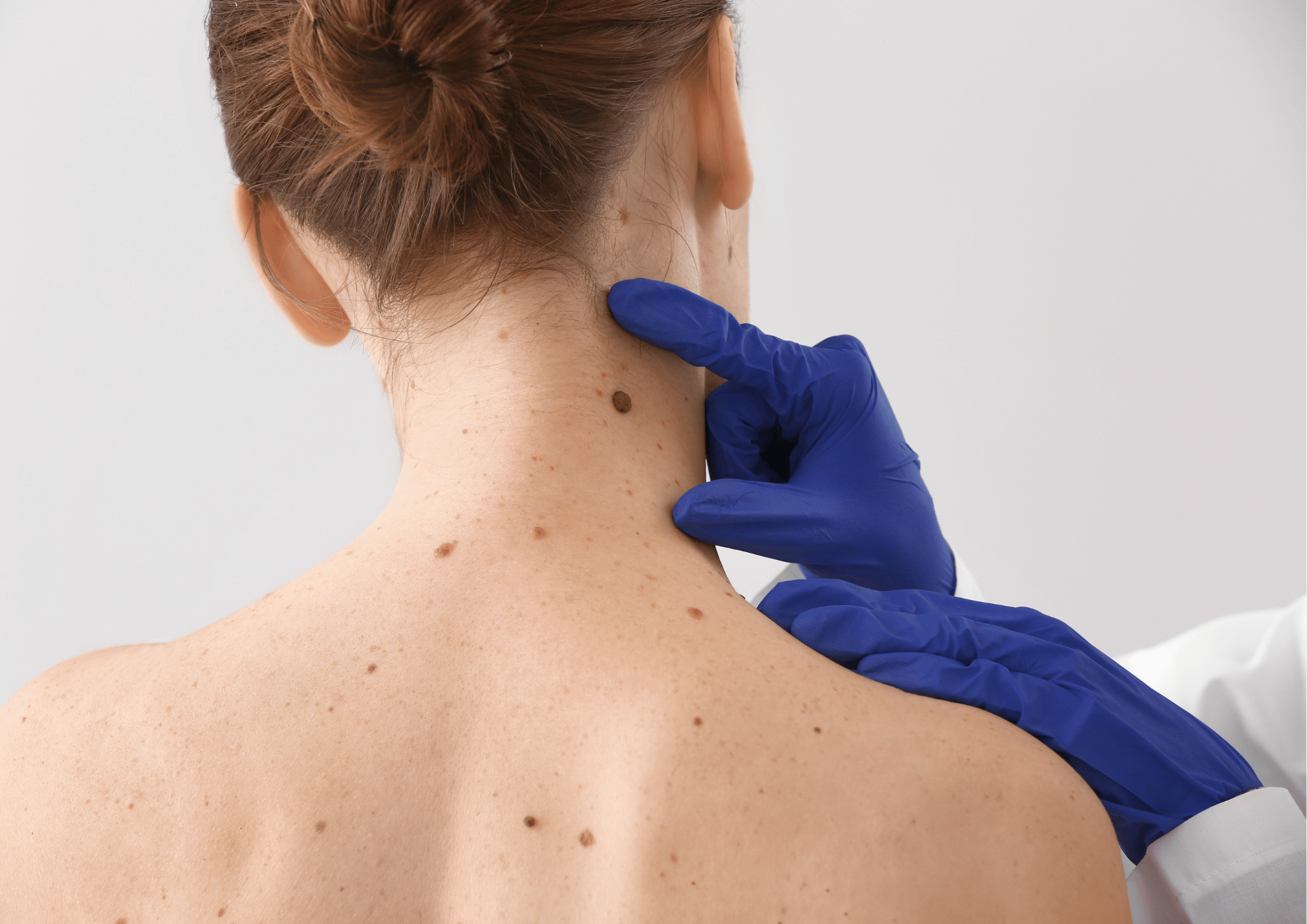
Head first: Start at your scalp, check your face, ears and neck.
Next, torso: Chest, sides and your full abdomen. Yes, including your genitals! It may help to use a mirror to check your upper and lower back. Don’t forget your armpits!
Finally, limbs: Be sure to check between your fingers and toes, plus your palms and soles.

What you’re looking for:

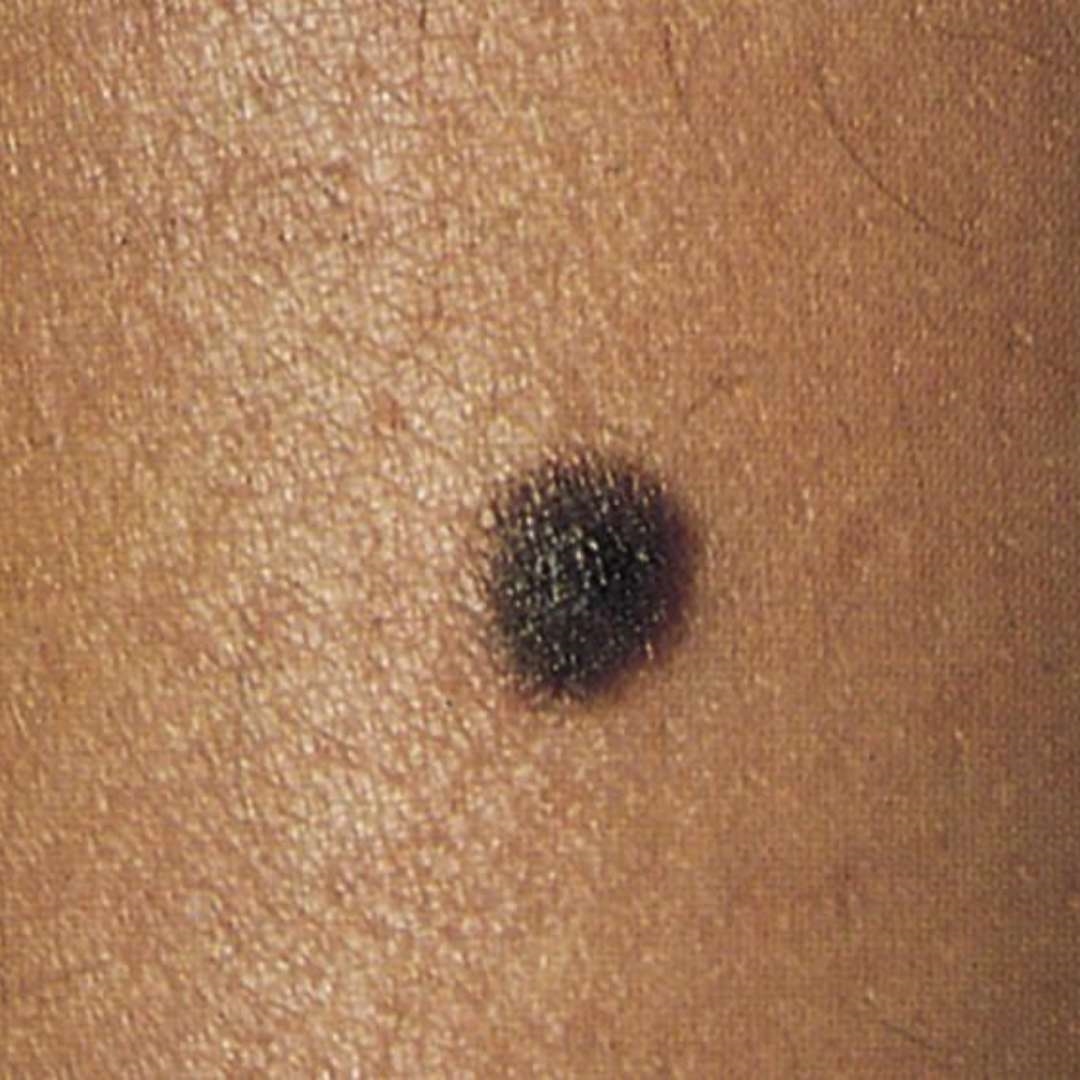
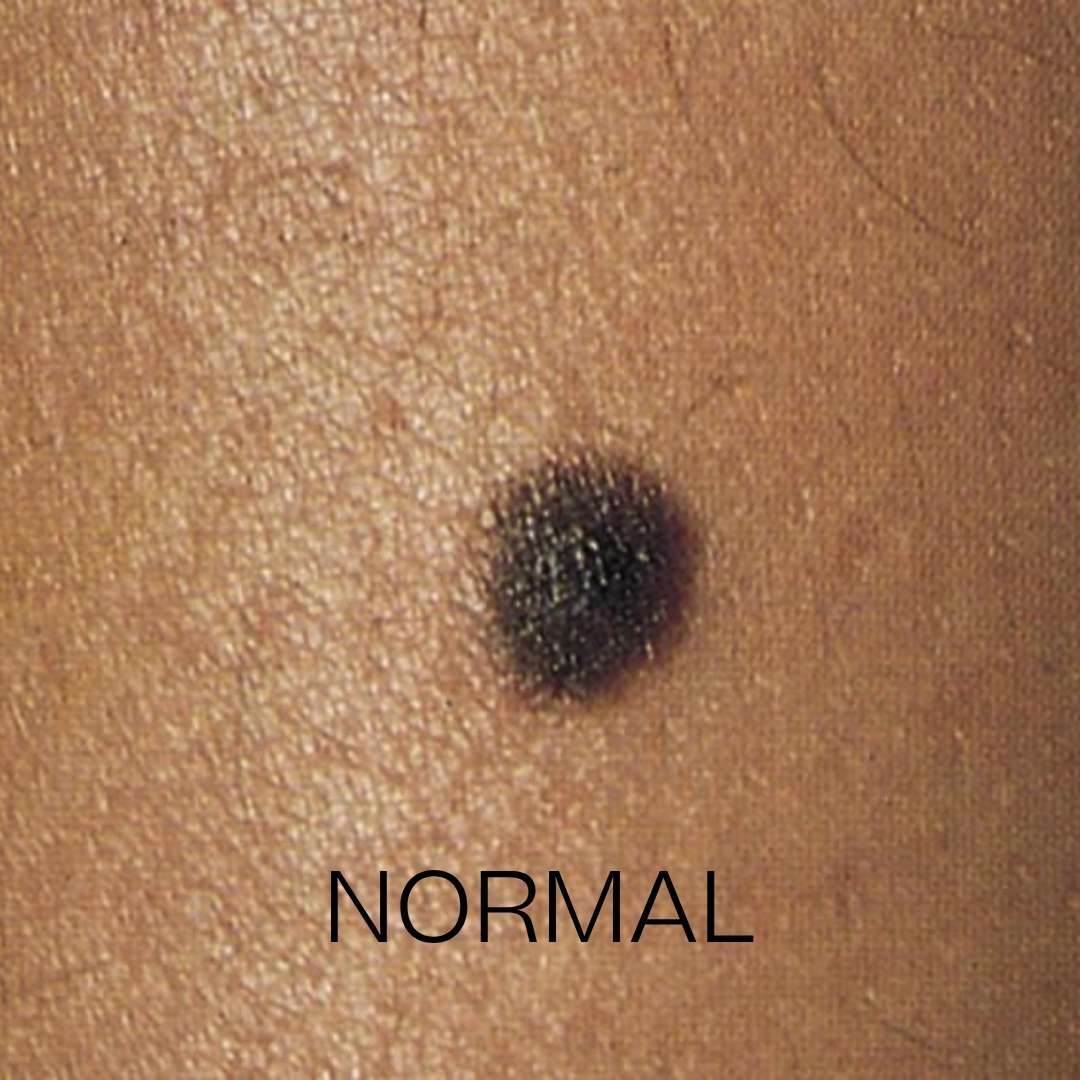
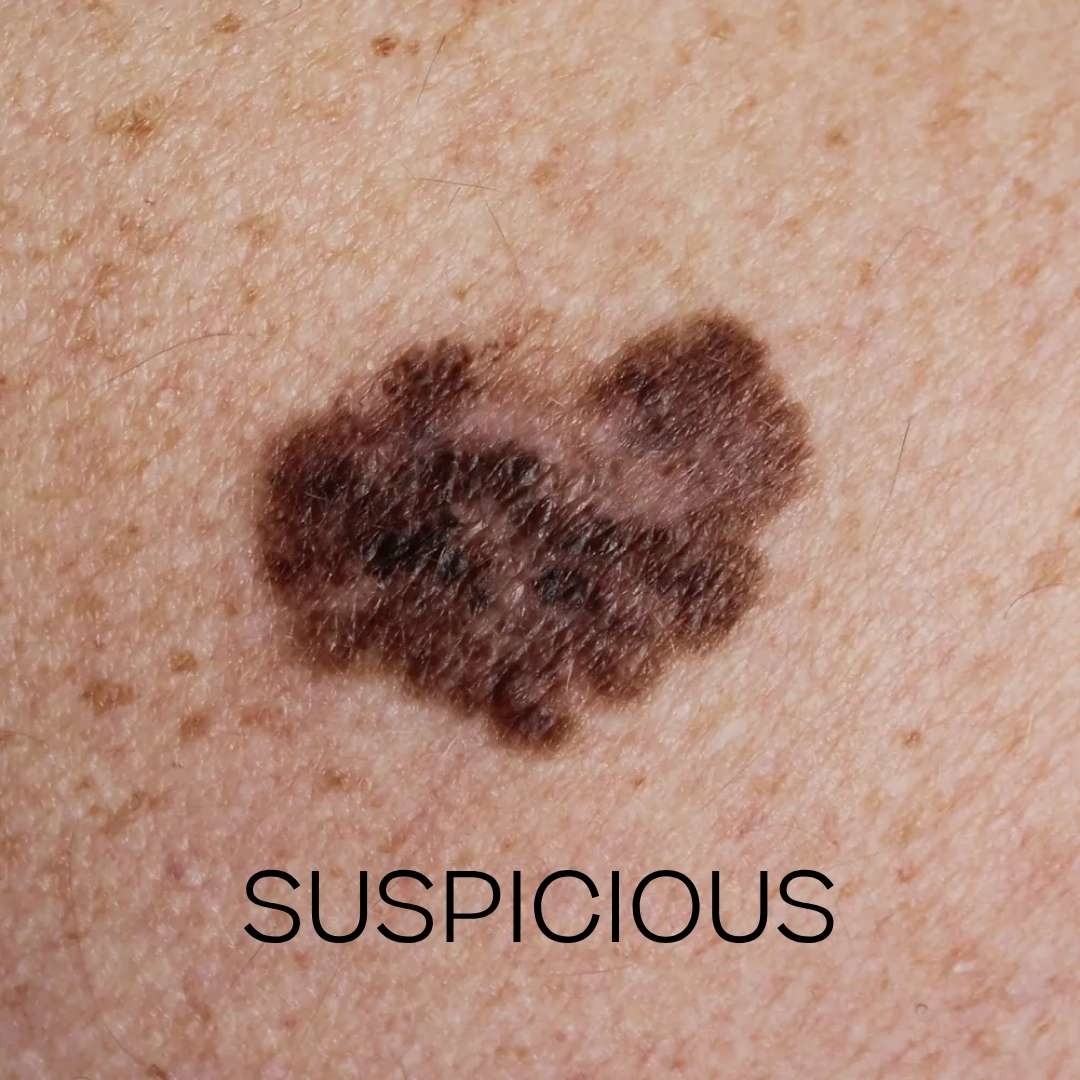
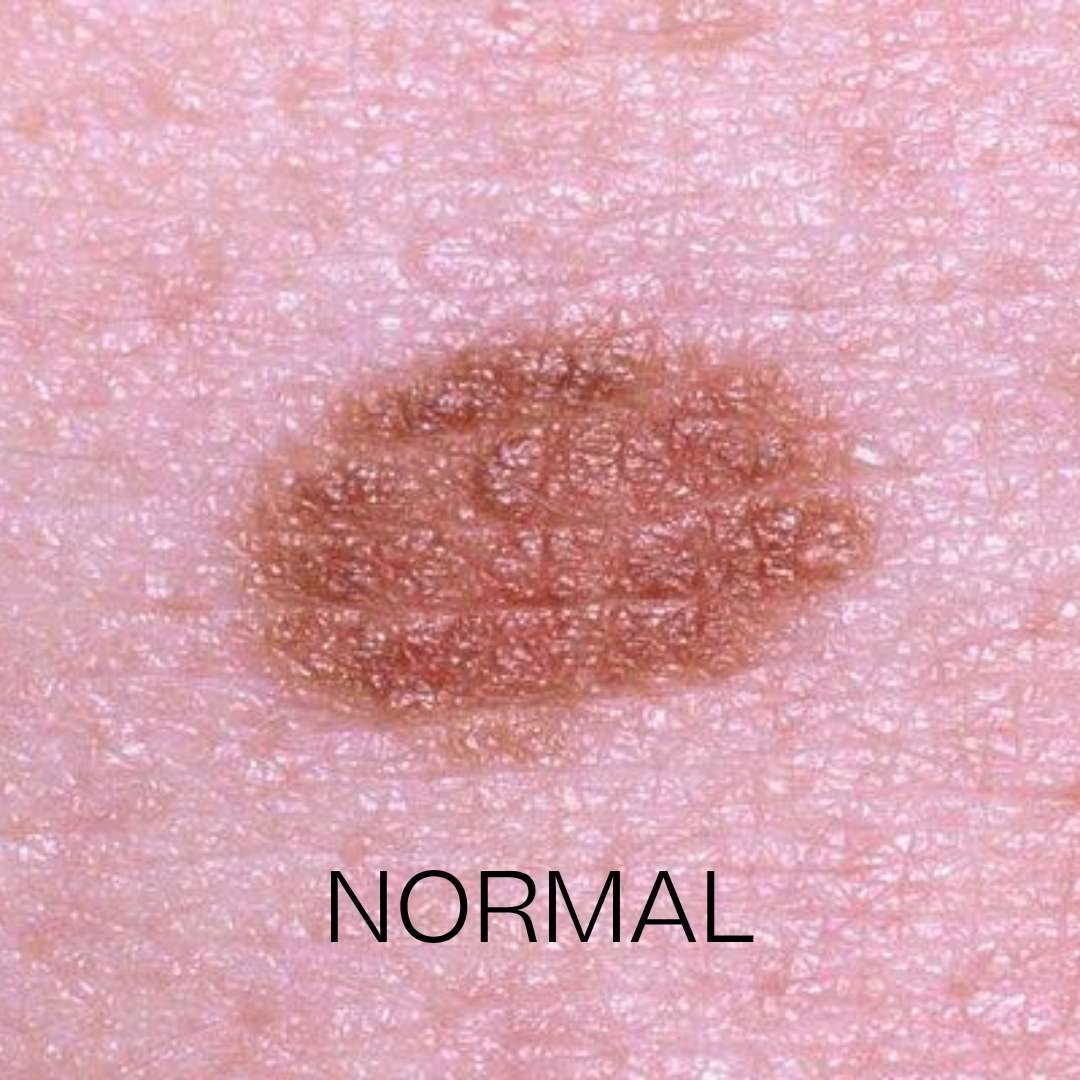
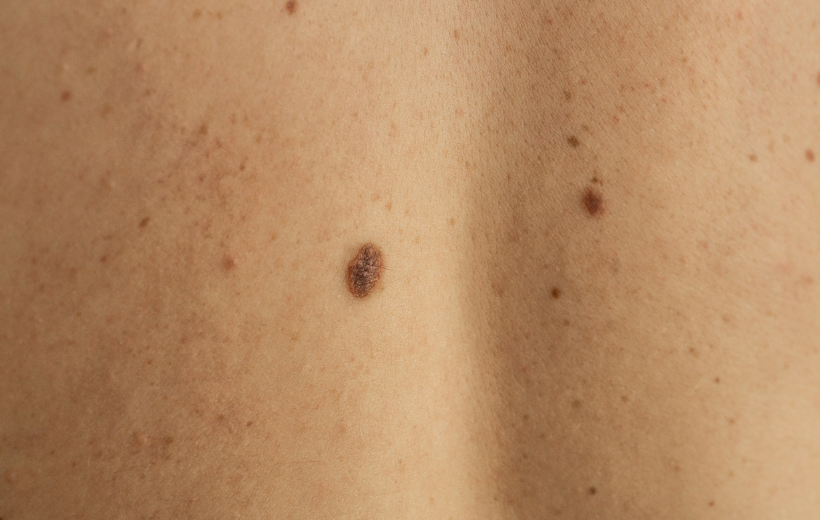
Moles are usually small, evenly coloured, clearly defined circles. Unlike freckles, which are always brown and fade in winter, moles can be brown, black, pink, or even blue or grey. Some moles are the same colour as the surrounding skin.

Or if you have many moles, you may find it easier to use the ‘ugly duckling’ method. This is a mole that looks different and stands out compared with the rest of your skin pattern.

Moles can grow anywhere and can crop up well into your 40s and beyond – so they’re easy to miss

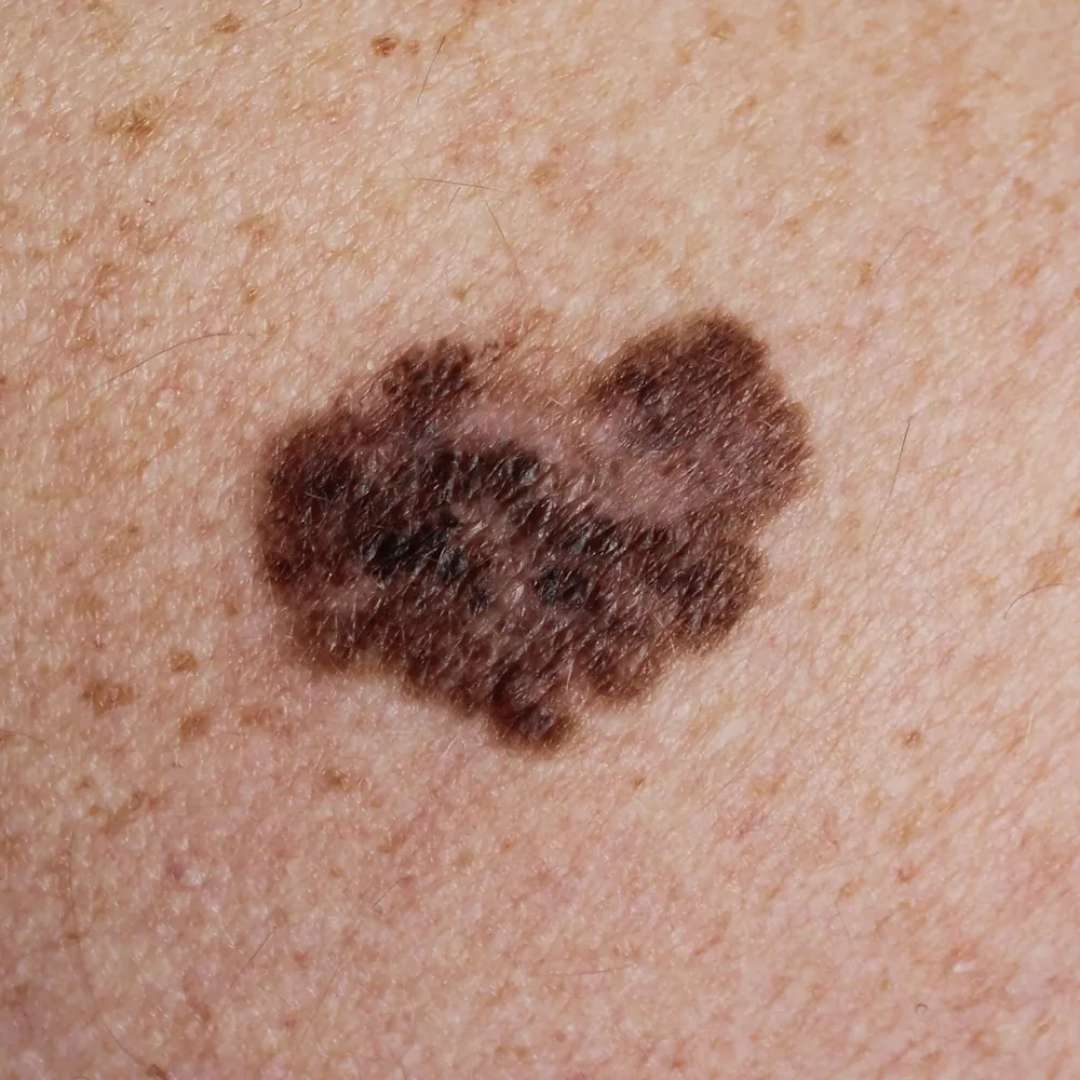
To do a mole inspection, you can use the ABCDE signs:

A – Asymmetry: one half unlike the other

B – Border: irregular or blurred edges 

C – Colour: uneven shades or darkening 

D – Diameter: larger than ~6mm or growing 

E – Evolving: rapid changes in size, shape, colour, or symptoms like itching or weeping 

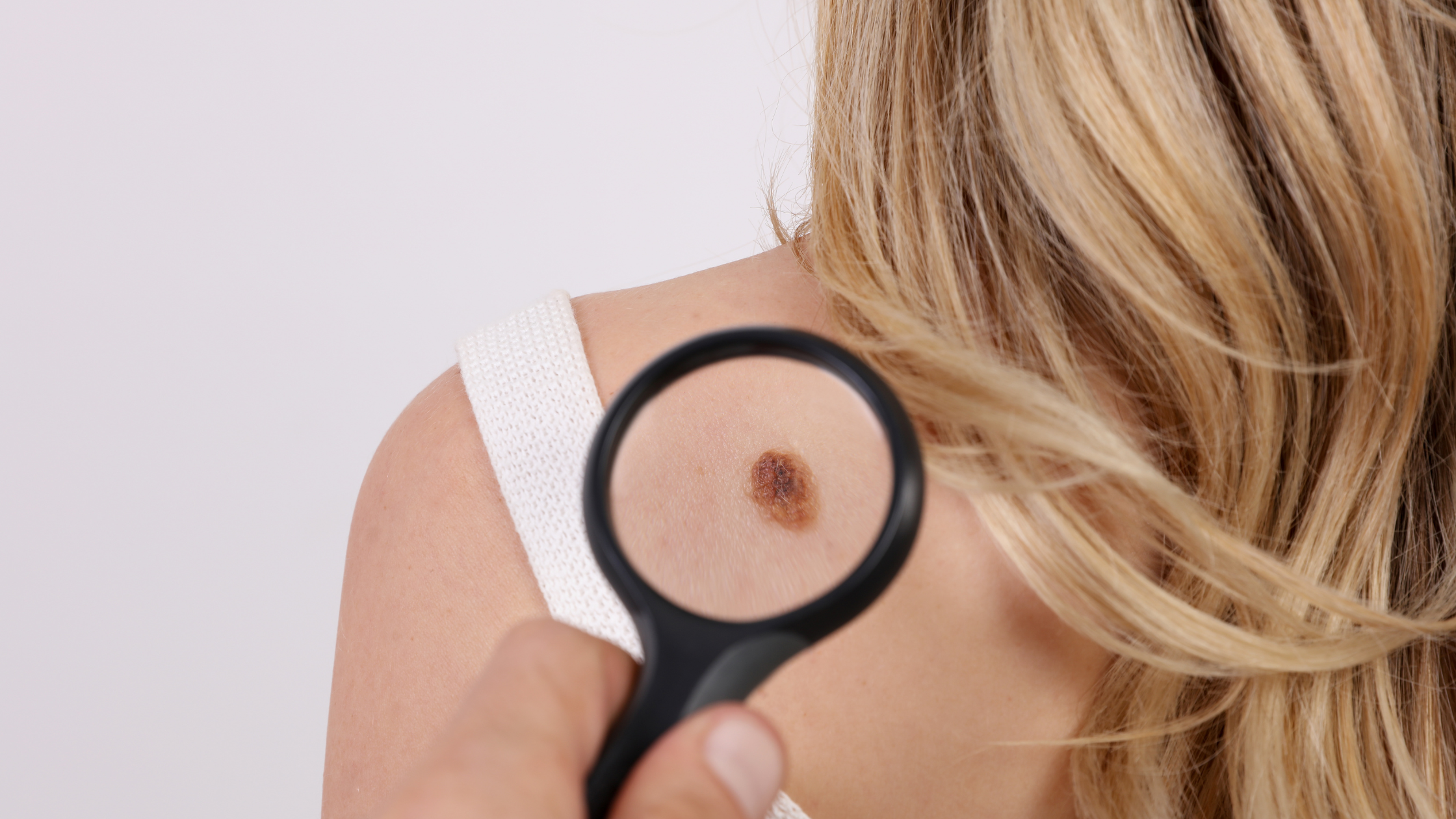
“You also need to look for new moles. In most cases, melanomas appear as a new mark or lesion,” Dr Tim explains. He emphasises that moles can develop in unexpected areas, so being thorough is vital.

“Moles can grow literally anywhere, so you need to check every inch of your body, including your scalp, soles of your feet and between the toes, even under nails.”

If you find a concerning mole, the best thing to do is visit a dermatologist. And if you’re just about to jet off “Keeping your moles covered is the best way to minimise UV exposure and lower the risk of moles changing from strong sunlight,” the consultant dermatologist advises.

People with many moles are at higher risk from sunburn and prolonged UV exposure. There’s a strong link between sun exposure and mole development, and physical protection (clothing or shade) is often more reliable than sunscreen alone.

If you needed another excuse to expand your holiday wardrobe, be sure to include lightweight, long sleeves and a wide-brimmed hat that offers protection to your neck and face. Oh, and UV protecting sunglasses, too!

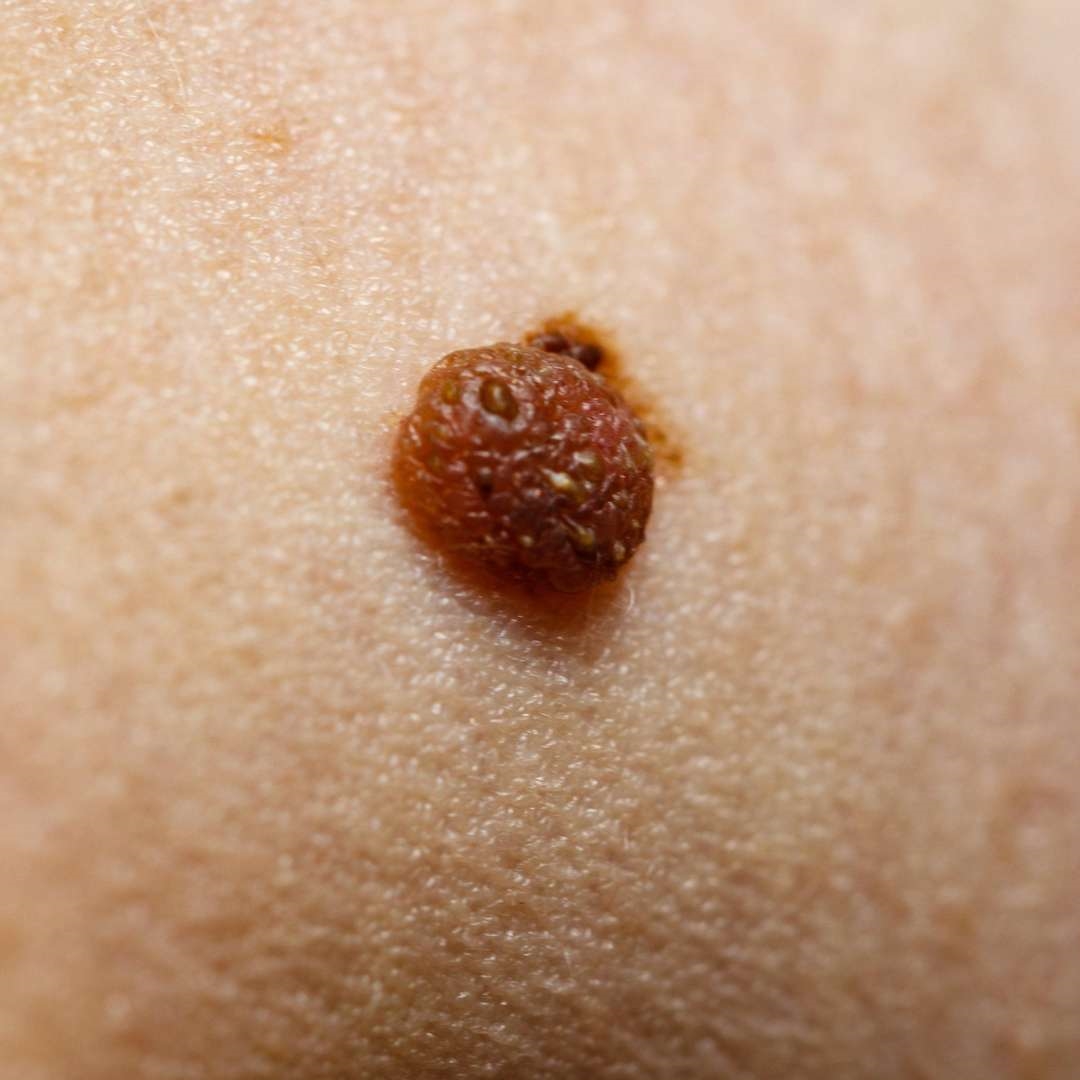
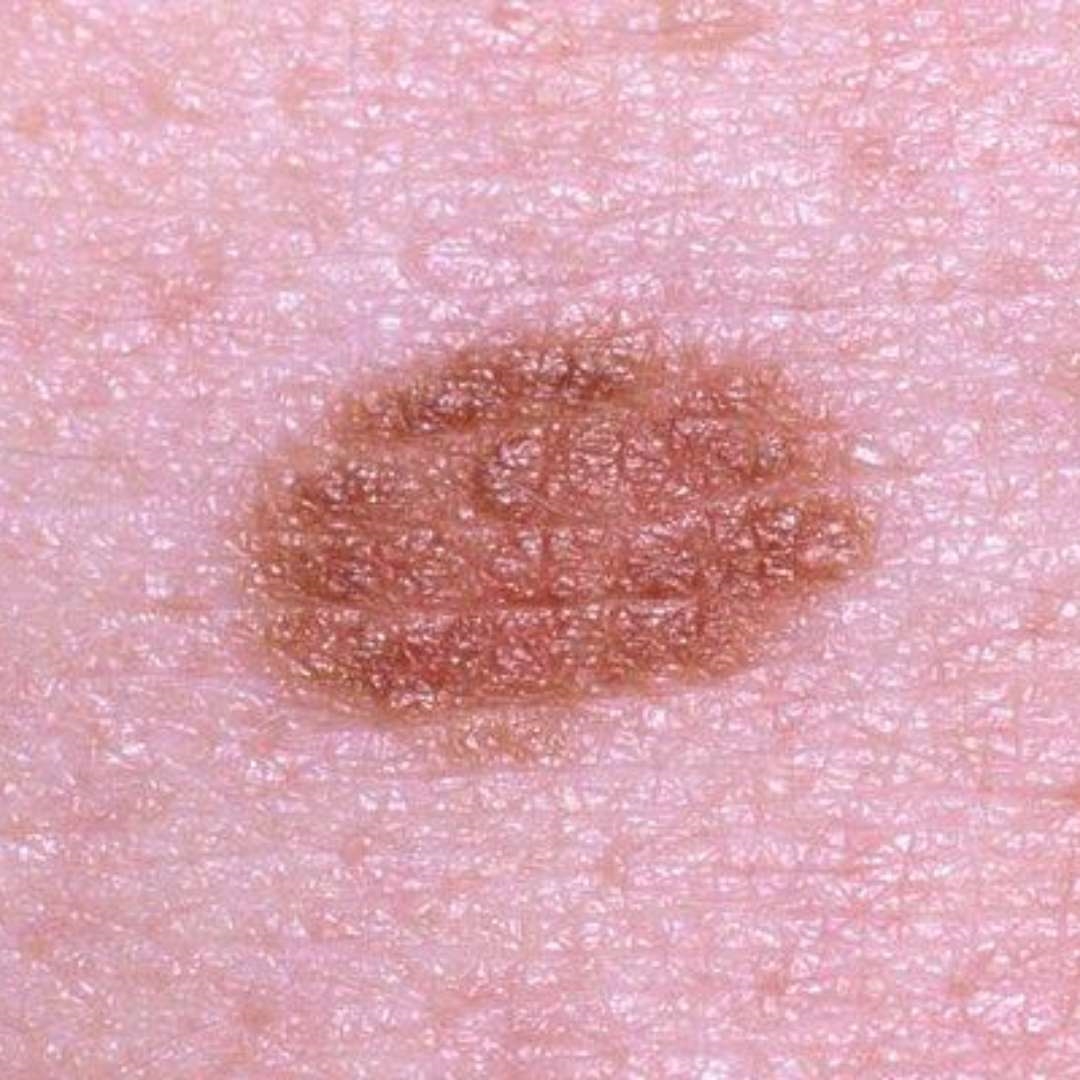
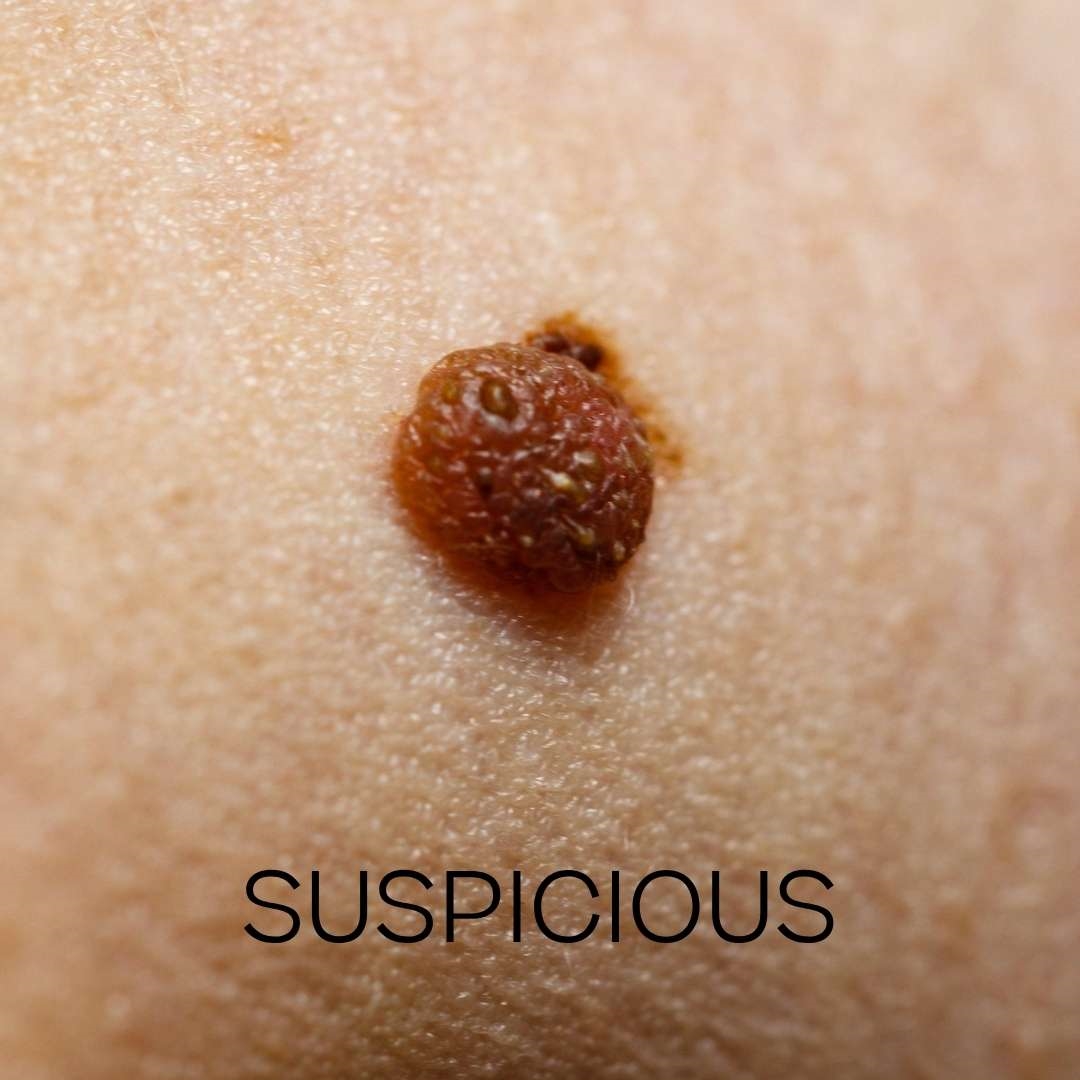
Which Mole Should You Get Checked?

Swipe to reveal

Before
After
Before
After
Before
After
Before
After

Mole and skincare on holiday

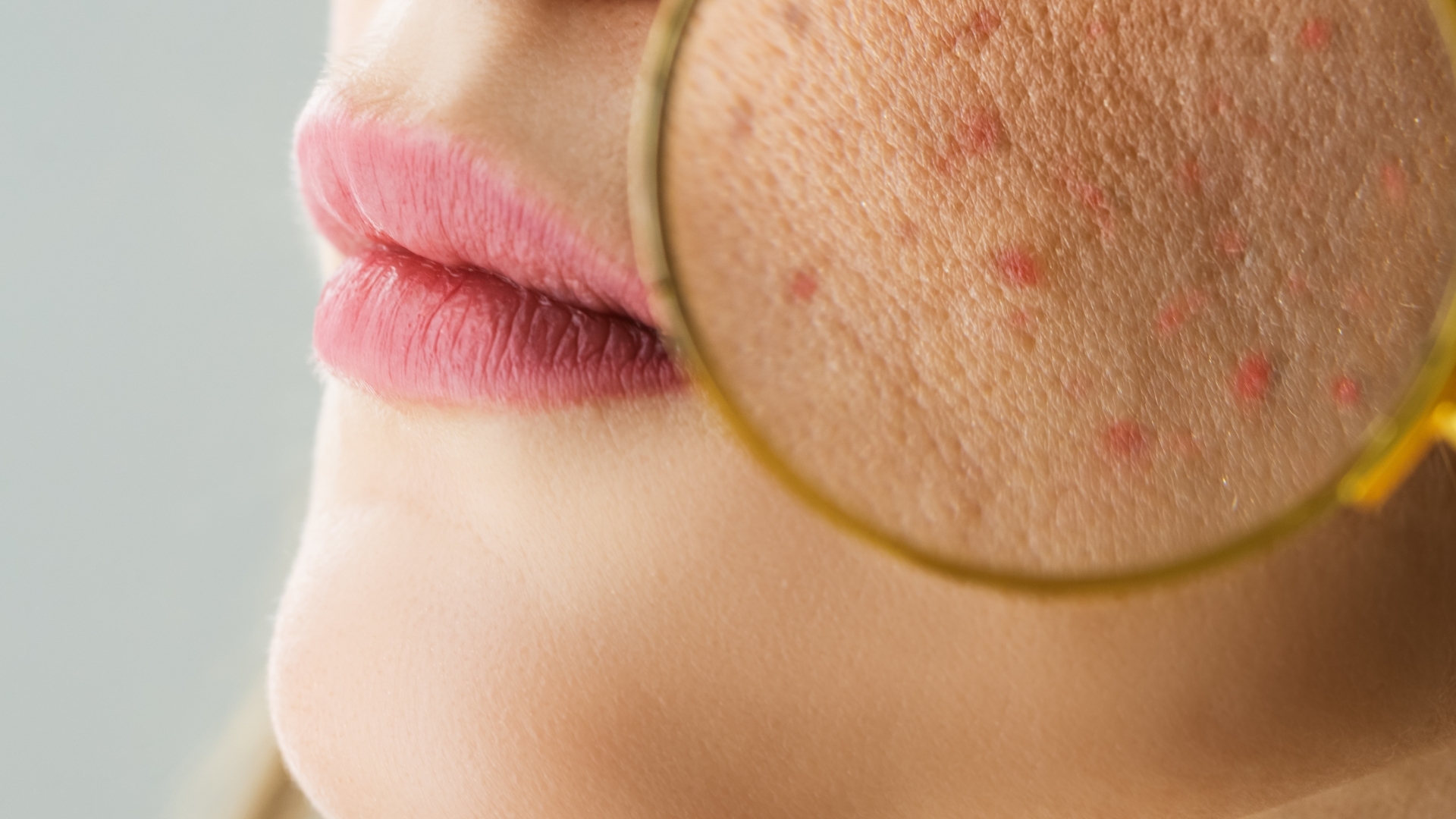
The combination of strong sunlight, longer periods outdoors and in water, plus harsh substances like sand, seawater and chlorine can irritate the skin and increase the risk of breakouts and sunburn. Plus, high temperatures and excessive alcohol can cause dehydration, leaving the skin even more vulnerable.

Top tips for healthy, glowing, holiday skin:

  • Avoid direct sunlight during peak hours of 11am – 3pm
  • Apply a broad spectrum sunscreen every 2 hours – more frequently if you’re swimming
  • Rinse your skin with clean water after a dip in the pool or sea
  • Stay hydrated
  • Avoid sunburn

Dr Tim warns that sunburn is more than just temporary redness and tender skin. “Besides contributing to premature aging, sunburn damages the skin’s DNA, even when relatively mild. Prolonged or repeated exposure builds up over time, which can increase the risk of skin cancers including melanoma.”

When to consider a professional mole assessment

You may want to arrange a mole assessment if you’ve had significant sunburn previously, find an ‘ugly duckling’ mole, or have a mole that bleeds or feels itchy and painful. It’s important not to shy away from seeing a specialist.

“Many times, ‘suspicious’ moles amount to nothing serious. Getting checked is the best thing you can do for peace of mind, and proactive treatment if it’s needed,” Dr Tim tells us.

Got a mole you’re concerned about? Book a consultation – it’s the doctor’s orders!


Medically reviewed by: Dr Tim Clayton, Consultant Dermatologist (FRCP, MRCPCH, MB ChB)

Reviewed on: 20/05/26