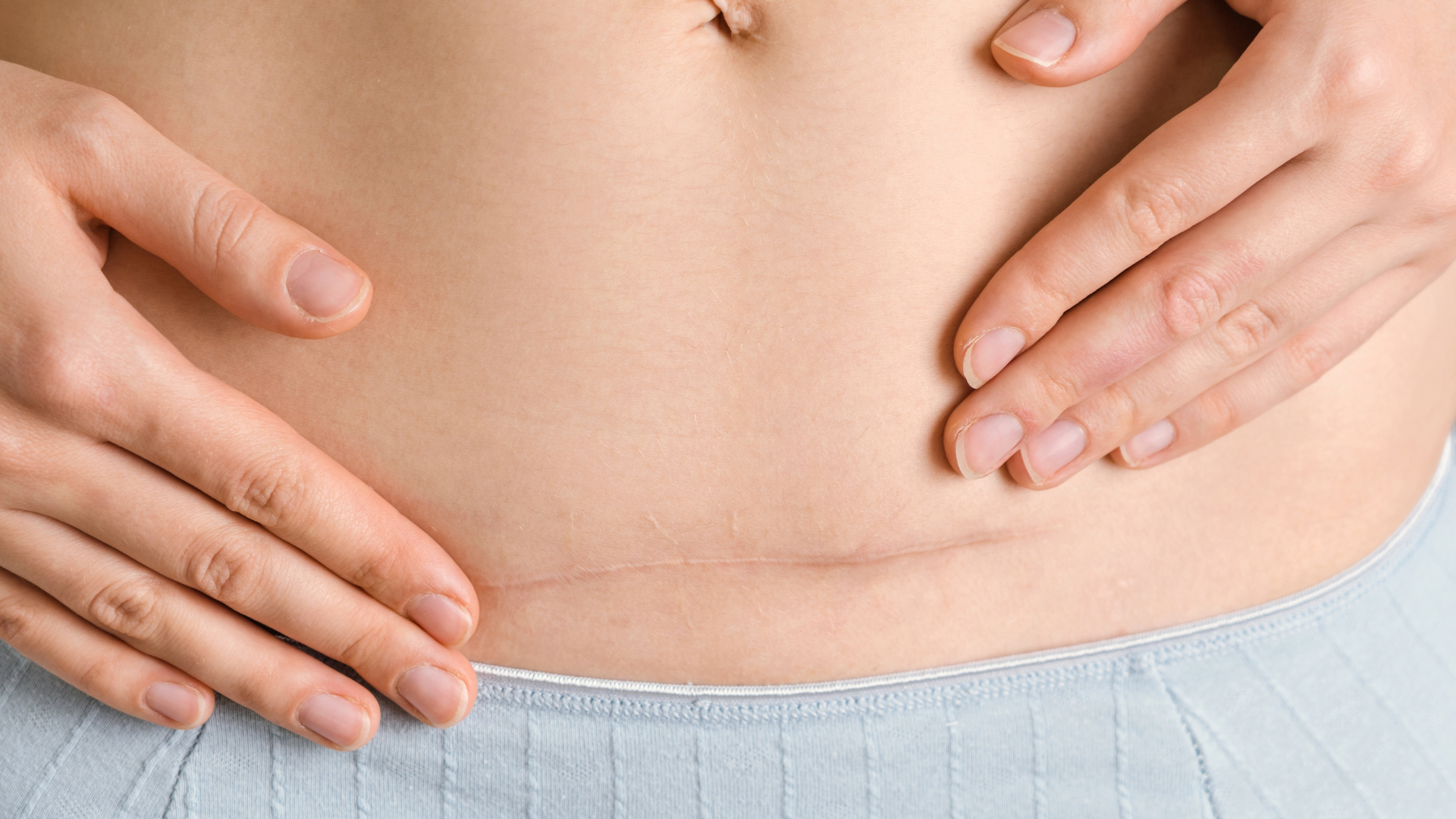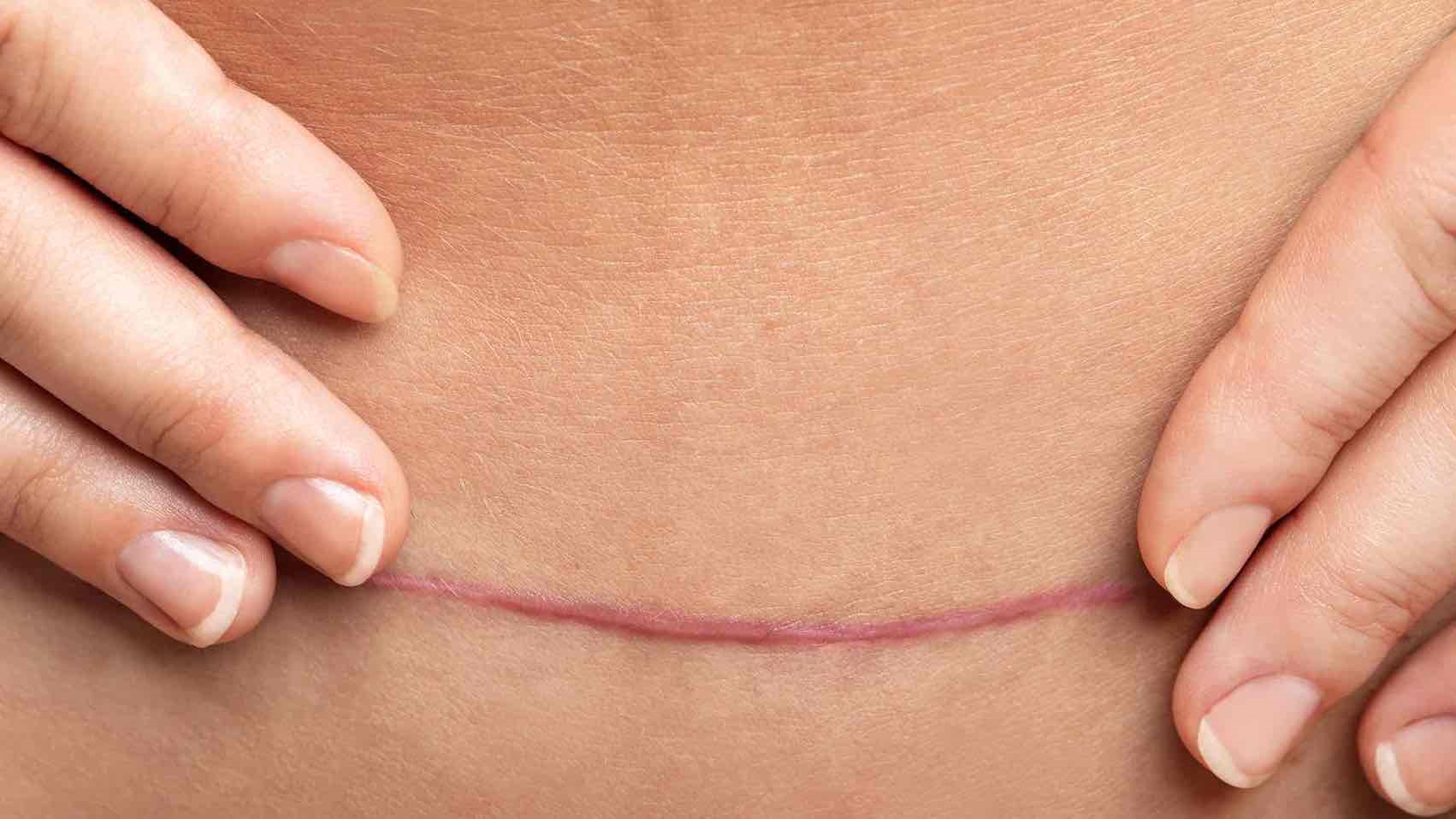
Mr Bechar explains the advanced tummy tuck technique that delivers a safer, more comfortable recovery
Modern Tummy Tuck surgery
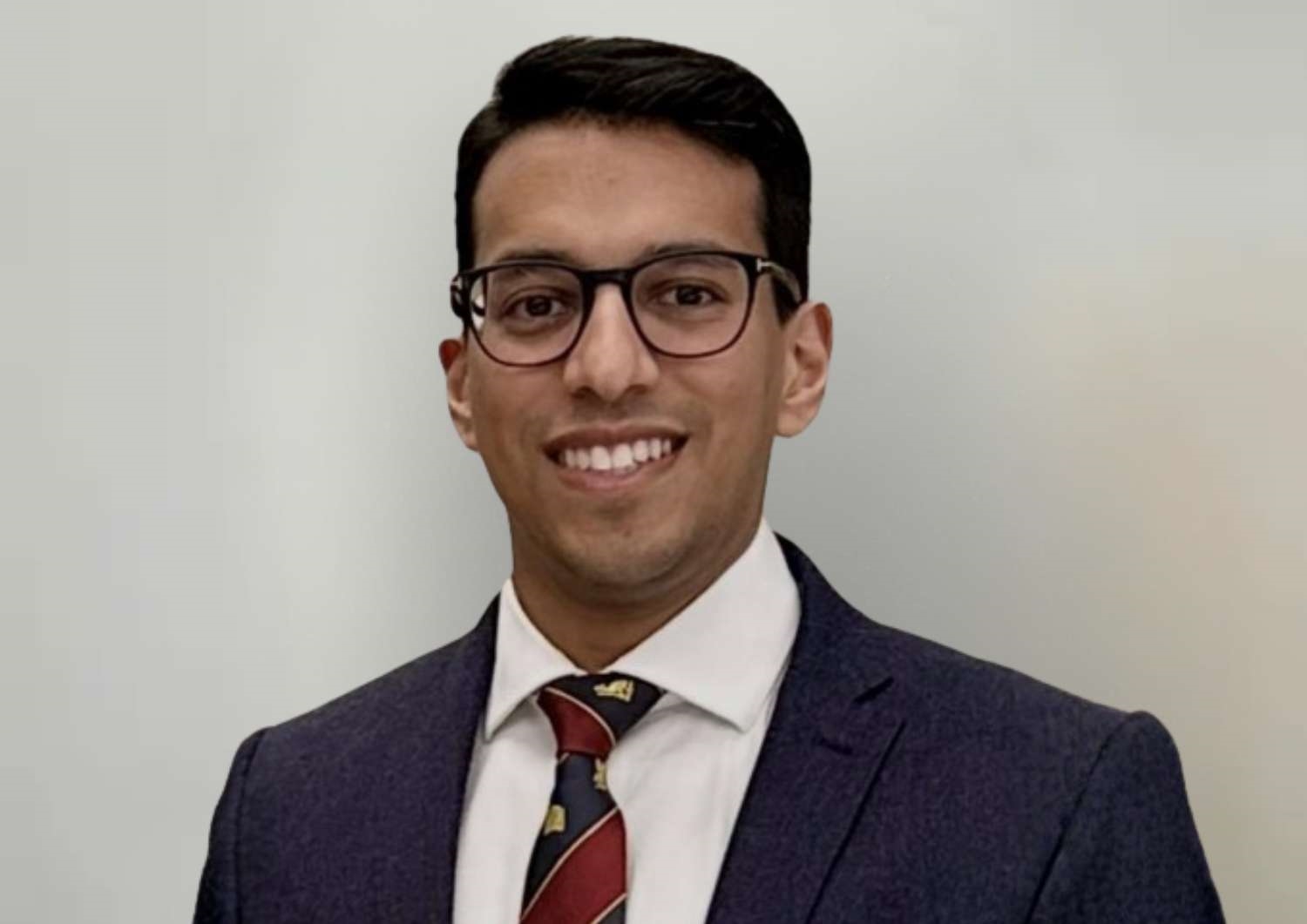
About Mr Bechar and his approach
What first drew you to specialise in body contouring surgery and tummy tucks in particular?
Body contouring surgery allows us to make a real difference to patients both physically and emotionally. Many patients come to us after pregnancy, weight loss or significant body changes that have affected their self-confidence. Tummy tuck surgery can restore shape, tighten the abdomen and help patients feel far more comfortable in their body again.
How would you describe your surgical philosophy when it comes to achieving natural looking results?
My approach is always centred around balance and natural looking outcomes. Every patient is different, so treatment should always be tailored to the individual. The goal is never to create an overdone appearance, but instead to enhance the patient’s natural proportions in a refined and harmonious way.
What do you think sets your approach apart from the traditional tummy tuck techniques?
I focus heavily on both the final result and the recovery experience. Modern surgical techniques allow us to be far more progressive in the way we support healing and minimise trauma during surgery, which can make a significant difference to comfort and recovery afterwards.
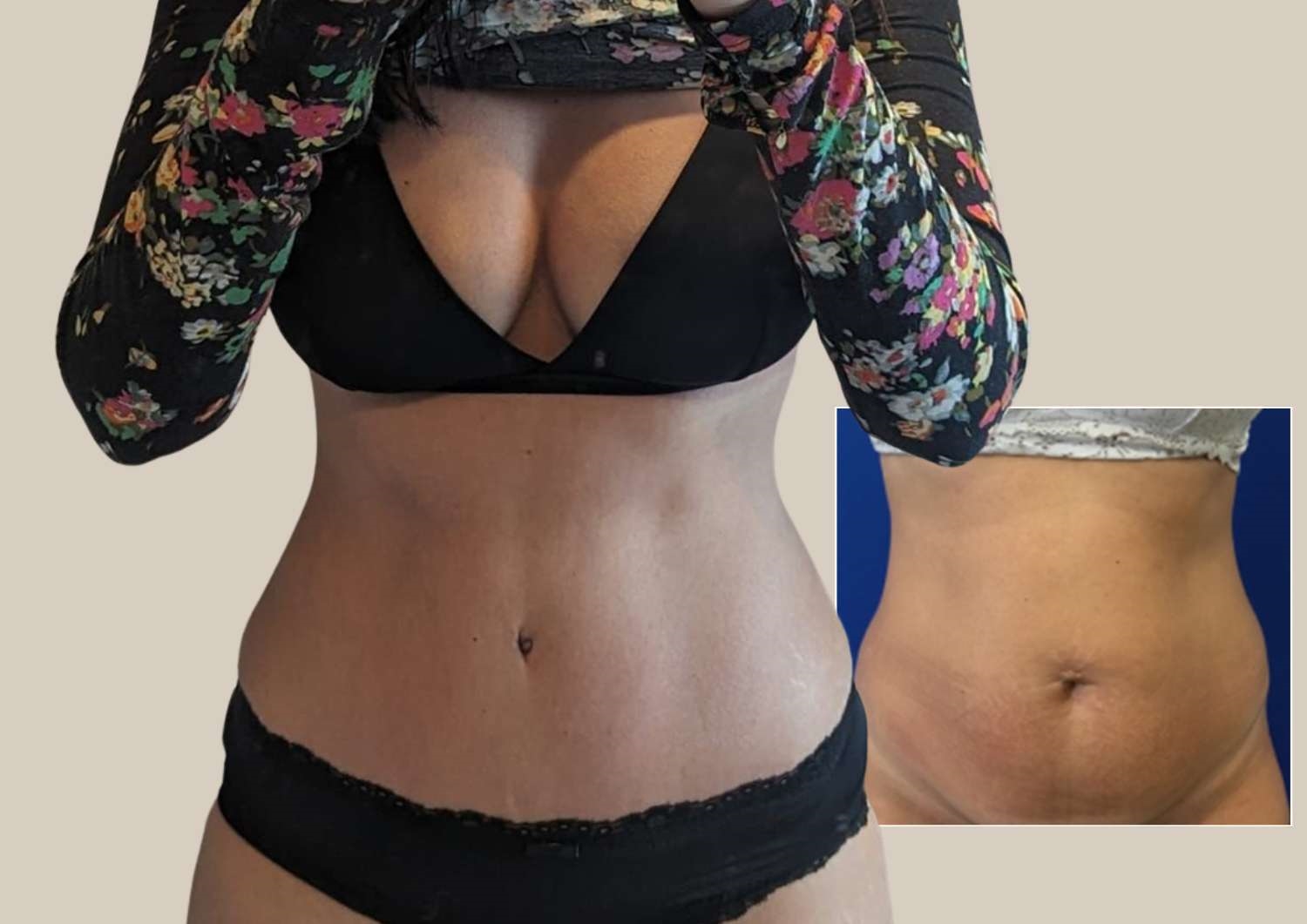
About the innovative tummy tuck procedure
Can you explain what a lock and glue tummy tuck involves in simple terms for patients?
The lock and glue tummy tuck uses specialised internal stitches alongside surgical tissue glue to secure the tissues beneath the skin after surgery. This helps reduce the empty space where fluid can build up and supports the tissues as they heal.
How does this technique differ from a traditional tummy tuck or lipoabdominoplasty?
Traditional tummy tuck techniques often involve larger areas of tissue separation and usually require surgical drains during recovery. With the lock and glue approach, the tissues are internally secured in a way that helps reduce fluid accumulation and improve tissue support, allowing many patients to avoid drains altogether.
Why have you chosen to move away from using surgical drains in your practice?
While drains have traditionally been used to remove excess fluid after surgery, many patients find them uncomfortable and inconvenient during recovery. Advances in surgical techniques now allow us to reduce the need for drains in many suitable patients while still maintaining safety and supporting good healing outcomes.
What role do internal locking stitches and tissue glue play in recovery and results?
The internal locking stitches help stabilise the tissues and reduce movement beneath the skin, while the tissue glue helps support healing and minimise fluid build-up. Together, they help create a smoother recovery process and can improve comfort during the early stages after recovery.
Patient experience and recovery
What benefits do patients typically notice immediately after this procedure compared to traditional techniques?
Many patients notice improved comfort and mobility during the early recovery period, particularly because there are often no drains involved. Patients frequently feel more comfortable moving around sooner after surgery compared to more traditional techniques.
How does this approach impact pain levels and overall comfort after surgery?
Every patient’s recovery is different, but many patients report feeling more comfortable overall. By securing the tissues internally and reducing unnecessary movement beneath the skin, we can help minimise some of the discomfort associated with healing.
How soon are patients usually able to get up and move around?
Patients are encouraged to begin gentle movement very early after surgery, often within the first 24 hours. Early mobilisation is important for circulation and recovery, although activity levels are gradually increased under guidance.
What does a typical recovery timeline look like?
Most patients can return to light day-to-day activities within one to two weeks, although swelling and tightness are expected during the initial healing phase. More strenuous activity and exercise are usually reintroduced gradually over several weeks, with final results continuing to improve over the following months as swelling settles and scars mature.
Medically reviewed by: Mr Janak Bechar (MB ChB, BMedSc(Hons), MRCS(Eng), PGCTSS, PhD, FRCS(Plast))
Reviewed on: 12/05/26
Enquire About Tummy Tuck Surgery
A member of our team will be in touch with you to discuss your requirements.