Understand the symptoms of endometriosis and how to get help
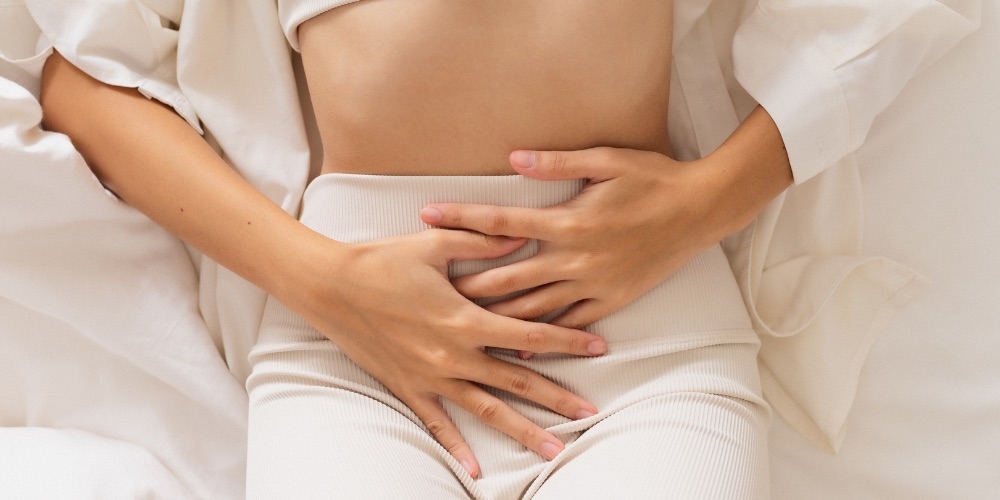
Understanding Endometriosis Symptoms
This Endometriosis Awareness Month, private healthcare provider Pall Mall is encouraging women to listen to their body for endometriosis symptoms and seek help.
It’s so important that women listen to their own body and be reassured in their own knowledge of their own body. The sad reality is that, while many women do seek help, their symptoms are too easily disregarded or misdiagnosed.
With women facing record-length NHS waiting times of over 9 years, according to the latest data from Endometriosis UK, the theme for 2026 is: 'Endometriosis Doesn't Wait'.
We're urging women to get help if they're suffering with endometriosis symptoms by making the entire pathway more accessible and affordable. This includes:
- Flexible payments via Klarna
- 10% off Ziwig Endo endometriosis test + a consultation with a lead gynaecologist
- 10% off pelvic MRI scans + detailed report + follow up call with a private GP
Why is endometriosis misdiagnosed so often?
An analysis of large and small scale endometriosis studies indicates that endometriosis is often missed or misdiagnosed because:
Symptoms are often non-specific and overlap multiple organs and specialties (pelvic pain, bowel and bladder symptoms, gynaecology, urology etc)
Patients may normalise their symptoms, evaluating their experience as similar to what other women face
In clinical environments, many people minimise their pain, which can reduce escalation to diagnostic evaluation
Over-reliance on ‘normal’ imaging or blood tests, such as standard screens or full-body scans
An over-association with common disorders
Get endometriosis diagnosed and treated, fast
At Pall Mall, we’re delighted to offer fast endometriosis diagnosis and treatment from specialist gynaecologists, including Dr Maiti, who was involved in creating the pioneering Ziwig diagnostic test.
How is endometriosis treated?
Endometriosis treatment focuses on reducing symptoms, slowing the progression of the condition, and improving quality of life. Treatment generally falls into three broad areas: pain management, hormonal treatment, and surgery. Many patients use a combination of approaches.
Pain management & control
Helping women manage their pain and symptoms, particularly during flare-ups, includes:
Pain relief medication: over-the-counter and prescription medicines can be used to manage pain.
Anti-inflammatory medication: over-the-counter and prescription medicines can be used to reduce inflammation and associated pain.
Support for fatigue and digestive symptoms: managing sleep and nutrition can help to minimise the impact of endometriosis symptoms.
Hormonal treatments
Hormonal treatments aim to reduce or stop menstrual cycles, which can help to relieve symptoms and slow endometriosis growth.
Combined hormonal contraceptive pill
Progestogen-based treatments: options include tablets, injections and hormonal IUT systems (coil)
Laparoscopy Surgery
Laparoscopy surgery is used to identify, remove and destroy endometriosis tissue. This can help to reduce pain and improve overall quality of life - though ongoing management may still be required.
Always here to help, whenever you need us
Our expert team are always here to help, advise and arrange appointments with our specialist consultants.