


Diane & Andrea (Alex), nurses on ward, calmed me down, especially Diane who calmed me down when I arrived. The lady in theatre who held my hand & talked to me when I was crying, Lorna I think (dark hair) I really appreciated her doing that.
- Fast access & no waiting lists
- Comprehensive diagnostics
- Book direct - No referral needed
- Consultations from £250
Why Choose Pall Mall for Private Cardiology Care?
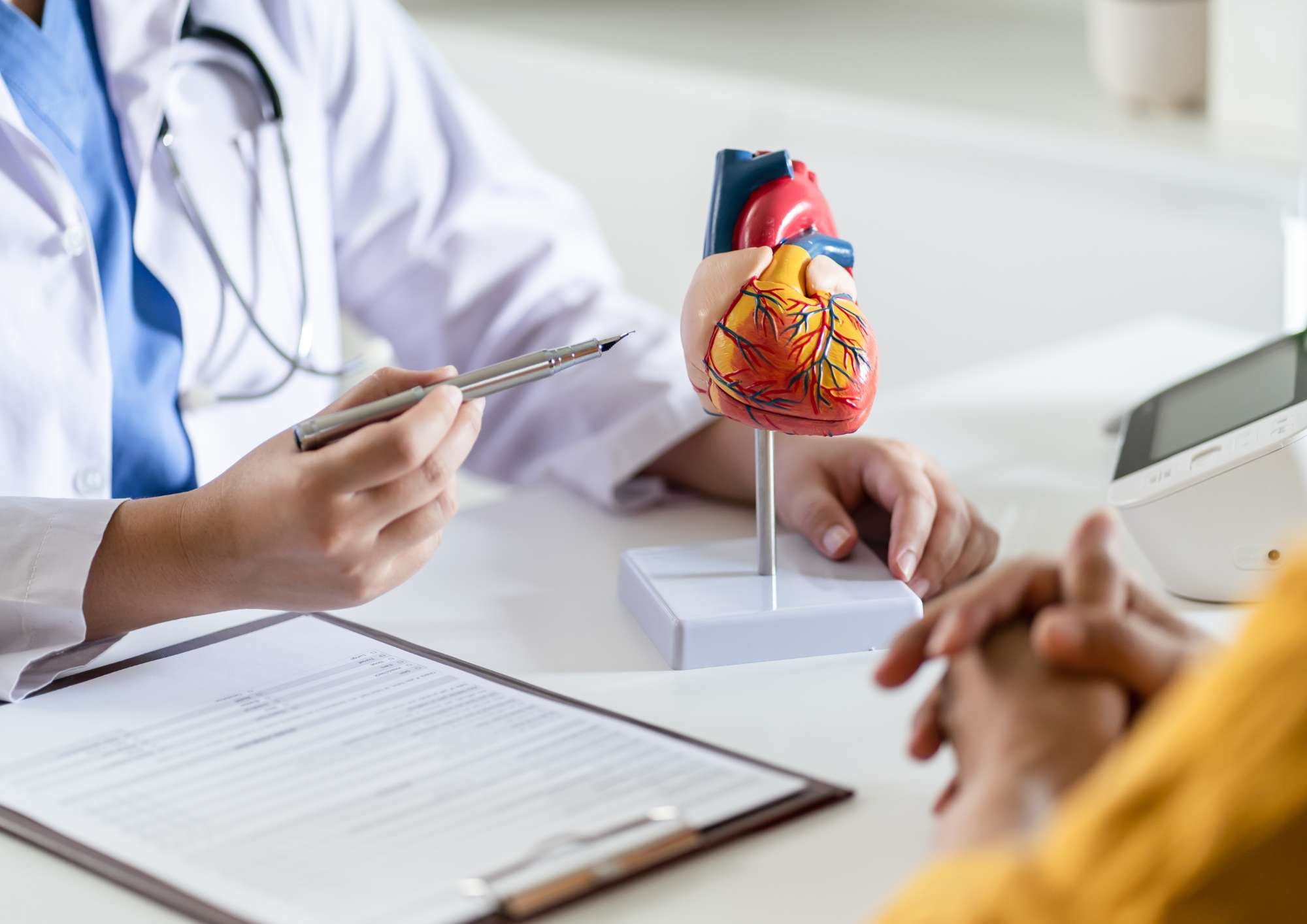
In extreme circumstances, a heart condition can be a matter of life and death. That’s why an accurate diagnosis is so important.
With Pall Mall medical, there’s no waiting around. We recognise that the symptoms of many heart conditions can be frightening. That’s why we provide rapid support with a highly experienced specialist consultant. From pinpointing the problem to a personalised treatment plan, they are dedicated to ensuring you receive the highest level of care.
Our cardiology service includes quality consultations free from time constraints, access to advanced diagnostic technology, and same-day appointments whenever possible. You’ll benefit from unmatched expertise, a smooth, end-to-end process.
Arrhythmias/Abnormal Heartbeat
Abnormal heartbeats symptoms can include a fast heartbeat, a slow heartbeat, chest pain, shortness of breath and dizziness or fainting. Other heart conditions include; heart defects that you’re born with (congenital heart defects), diseased heart muscle and heart infection.
These conditions will have symptoms such as rapid or fluttering heartbeats, shortness of breath, swelling of the legs, ankles and feet, fatigue and an irregular heartbeat.
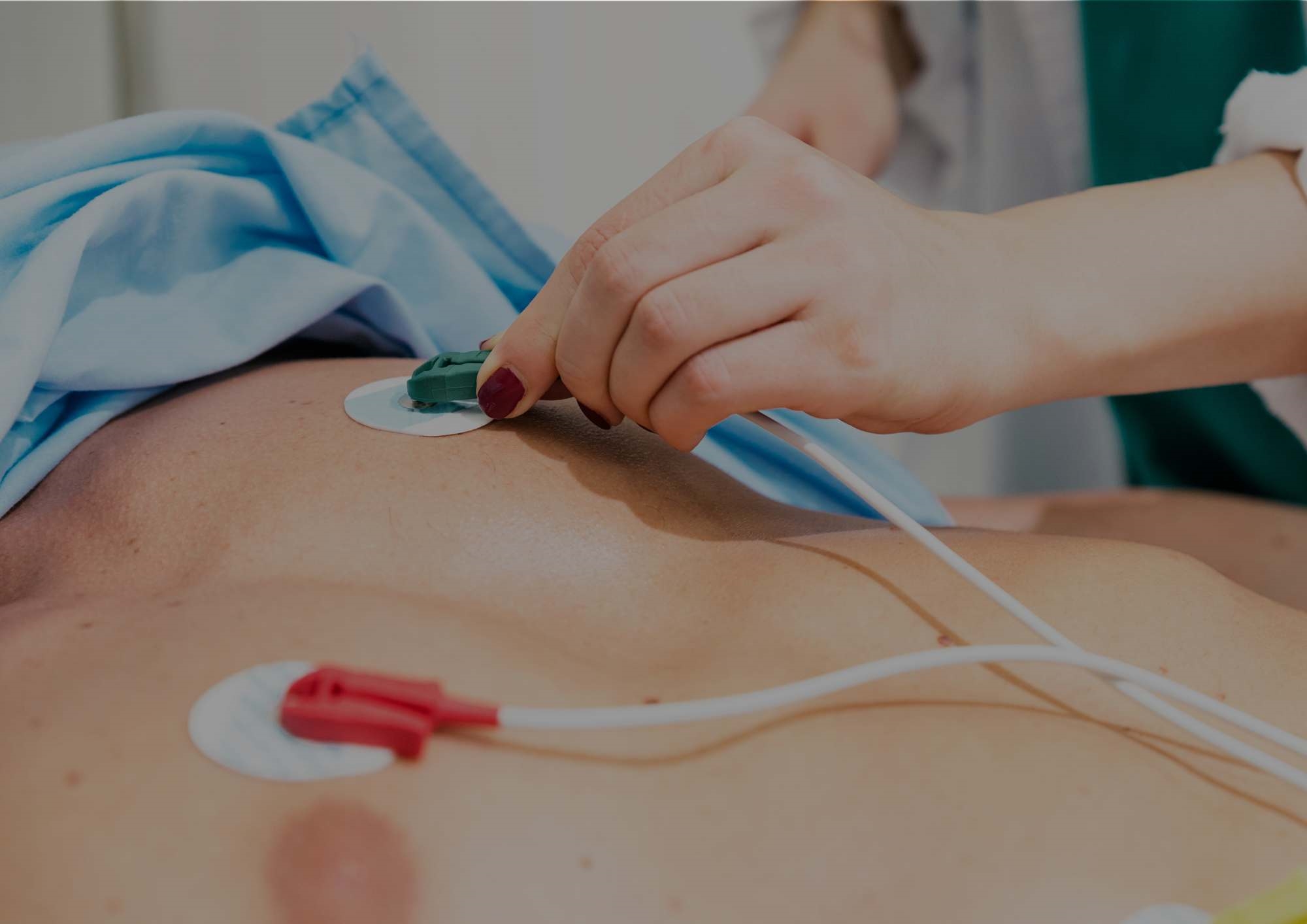
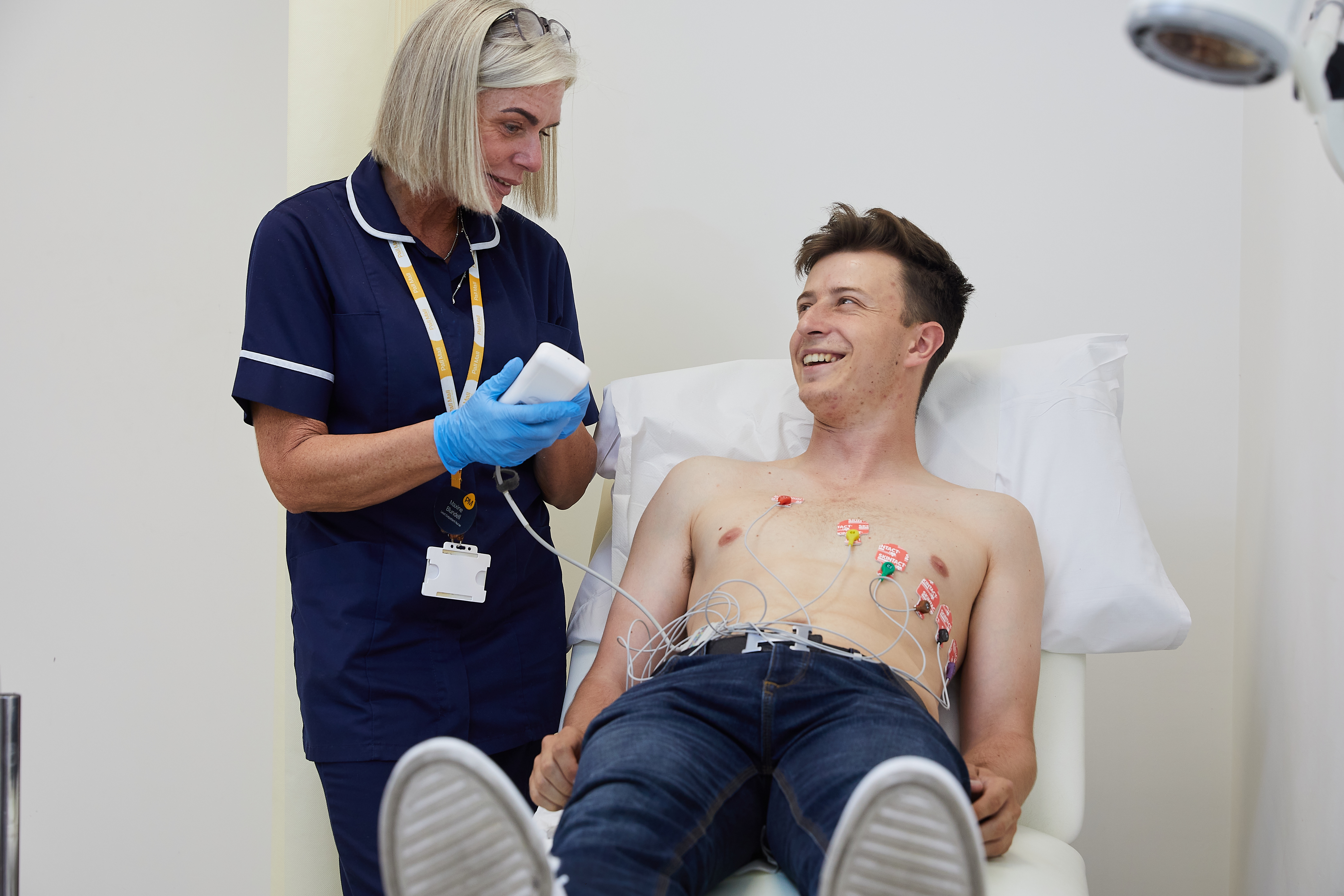
An Electrocardiogram (ECG) is often the first test for detecting abnormal heartbeats (arrhythmias). It records the electrical activity of your heart and shows how fast or regular your heartbeat is.
Heart Valve Disease
This disease causes the valves in the heart to work incorrectly.
Heart valve problems can be caused by a number of things leading to the valves narrowing, leaking or not closing properly. The heart has four valves, the aortic, mitral, pulmonary and tricuspid valves, that open and close to direct blood through your heart.
Depending on which valve isn't working properly, valvular heart disease signs and symptoms generally include; fatigue, shortness of breath, dizziness, palpitations, pressure to the chest and/or chest pain, irregular heartbeat and swollen feet or ankles.
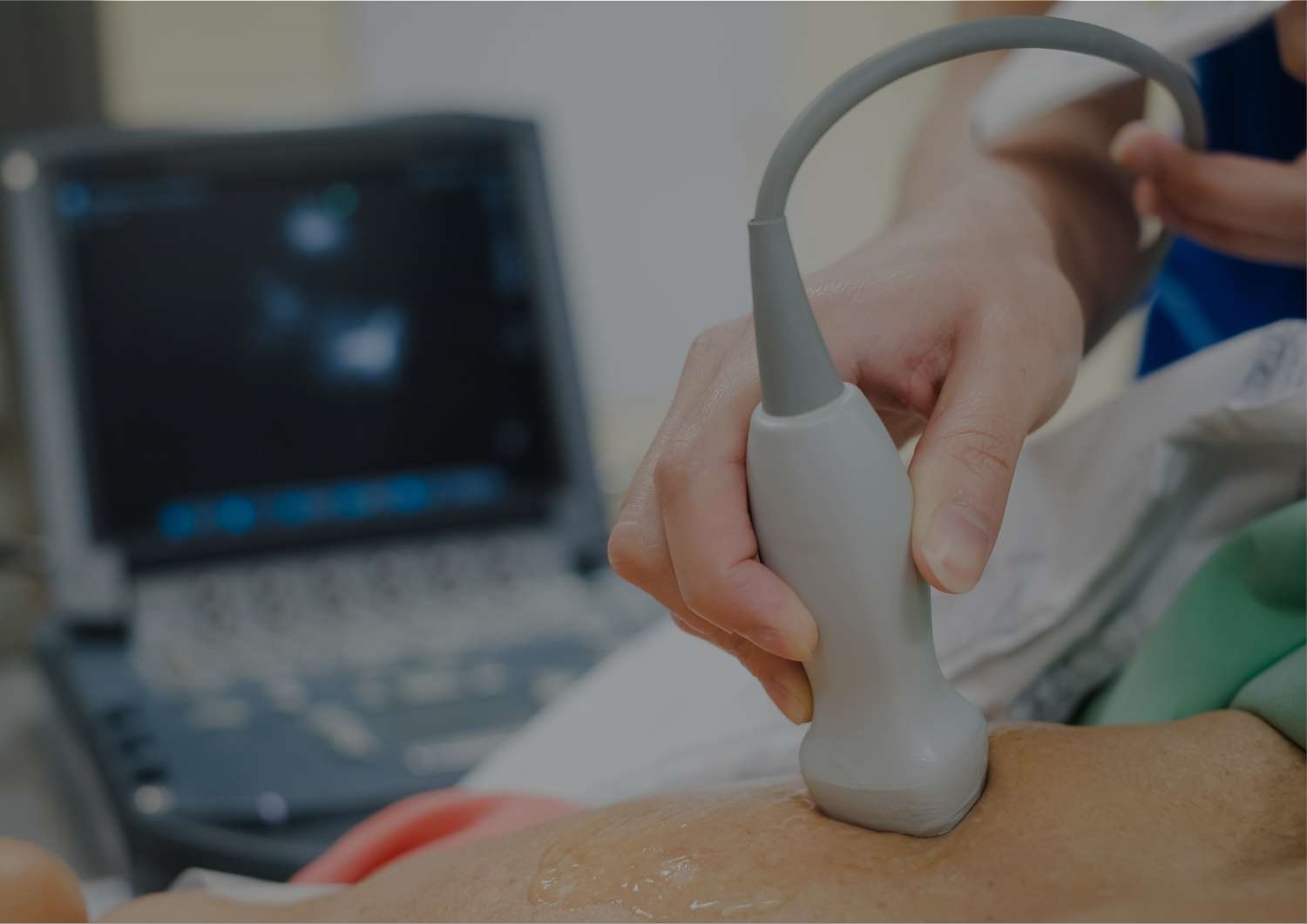
An Echocardiogram (Echo) is used to check for and monitor heart valve disease. It uses an ultrasound scan to visualise the structure and movement of the heart to show how well the valves open and close and check for narrowing (stenosis) or leakage (regurgitation) of the heart valves and how the blood flows through the chambers.
An Electrocardiogram (ECG) can also be used to check indirect signs or symptoms of heart valve disease such as abnormal heartbeat (arrhythmias)
Congenital Heart Defect
A heart defect is usually diagnosed in children but some people don’t receive a diagnosis until adulthood. If you experience a shortness of breath, especially if it interferes with your ability to exercise, combined with symptoms of heart failure (such as palpitations, dizziness, and fatigue) then this could be caused by a congenital heart defect.
An Echocardiogram (ECHO) is used to diagnose congenital heart defects in both children and adults. It uses an ultrasound scan to show the structure of the heart including walls, chambers and blood flow as well as abnormalities like holes, abnormal connections, valve malformations or blood vessel defects
Coronary Heart/Artery Disease
Coronary heart/artery disease symptoms may be different for men and women. For instance, men are more likely to have chest pain. Women are more likely to have other signs and symptoms along with chest discomfort, such as shortness of breath, nausea and extreme fatigue. Cardiovascular disease can sometimes be found early with regular health checks.
This condition is caused by plaque building up in the coronary arteries which restrict the blood flow to the heart. Our Cardiologist can help identify and prevent illnesses such as the above from worsening and resulting in life-threatening conditions such as heart attacks.
If you have been unfortunate enough to suffer from a heart attack then our private cardiologists can help you to regain your health and help to prevent another attack from occurring in the future.
An Electrocardiogram (ECG) is the initial test for coronary disease but an Echocardiogram (ECHO) is also often used to assess the impact of the disease on heart function.
Cardiomyopathy Diagnoses
When diagnosing cardiomyopathy, there are several potential diagnoses our private cardiologists can give using an Echocardiogram (ECHO) heart screen.
The symptoms of the different types of cardiomyopathy are all similar, manifesting as chest pain, fatigue or shortness of breath – but a private cardiologist will be able to detect the exact type of cardiomyopathy and proceed to the necessary treatment plan.
Peripheral Artery Disease
A common heart disease is peripheral artery disease, which affects the arteries in the arms and legs, rather than those around the heart.
Common symptoms of peripheral artery disease:
- Hair loss (particularly on on your legs and feet)
- Numbness or weakness in the legs
- Unusual leg pain
- Brittle, slow-growing toenails
- Ulcers on your feet and legs, which are slow to heal
- Changing skin colour on your legs, such as pale blue or a shinier complexion
- Erectile dysfunction (men only)
- Unexplainable shrinkage in leg muscles
Some symptoms and signs you should see a cardiologist:
In extreme circumstances, a heart condition can be a matter of life and death. Thankfully, your body has ways to warn you if something’s not right.

Family History Certain types of heart disease can be genetic. If a relative has had early-onset heart disease, then a cardiologist can help determine how this affects your risk, suggest tests or recommend preventive strategies.
Chest pain or pressure Chest pain is one of the main signs of a heart problem. While there are other causes of chest pain that are not related to the heart, chest pressure that occurs or worsens with activity is something to monitor closely, as it can be a sign that the heart may not be getting enough blood. A cardiologist can help determine the cause and the appropriate treatment plan.
Heart palpitations/flutters, shortness of breath or fatigue A cardiologist can help determine if a heart condition is the cause of these warning signs by testing the function and health of your heart.
High blood pressure or cholesterol Chronically high blood pressure increases the strain on your heart, while high cholesterol can lead to plaque buildup in arteries. These problems can cause the heart to work harder to circulate blood, and increases the risk of heart attack and stroke.
Meet our Consultant Cardiologists
Our private Cardiologists have years of experience caring for patients to diagnose and treat heart and circulatory conditions.
Concerned about your heart health?
Long waiting lists and monthly referral processes make receiving urgent treatment on the NHS a challenge. With our private cardiologist appointments, you don’t have to worry. At our CQC certified clinics, we provide specialised diagnostic scanning and personalised treatments for a range of concerns.
Pinpointing the problem
Because heart conditions can be so serious, medical science has developed advanced technology that can pinpoint the problem. Once diagnosed you’re on your way to the best treatment to manage your condition. You can arrange to have a consultation at Pall Mall, without a referral your doctor.
Highest expertise
Pall Mall Consultant Cardiologists provide the highest possible expertise. There are no waiting lists, so you can arrange a consultation in a matter of days. With tests turned-round quickly, so you’re not waiting anxiously for the results. Getting medical support quickly is essential. It really is a case of the sooner the better.
Advanced technology
Our team of Consultant Cardiologists can provide consultations on a range of heart conditions or related concerns. Whether you have a pre-existing condition or need reassurance for any new concerns, you can book a private consultation and access a range of further diagnostic scans including ECG (electrocardiogram), ECHOs (echocardiogram) and other related heart scans.
Why choose Pall Mall Medical for your private cardiologist appointment?
We at Pall Mall Medical are a family-run business, dedicated to helping our patients live longer, happier lives. Our cardiology services are run on this philosophy - we are here to reduce the difficulties of your heart concerns, so you live your life without worrying about heart pain.
Our private appointments are available as soon as you need them, with same-day appointments open frequently, and no anxiety waiting for a professional opinion.
Our expert doctors and cardiologists at our CQC registered clinics and our private hospital are ready and equipped to diagnose and treat both your existing conditions, and any new conditions you may be experiencing.
What our patients are saying
Efficient and professional service
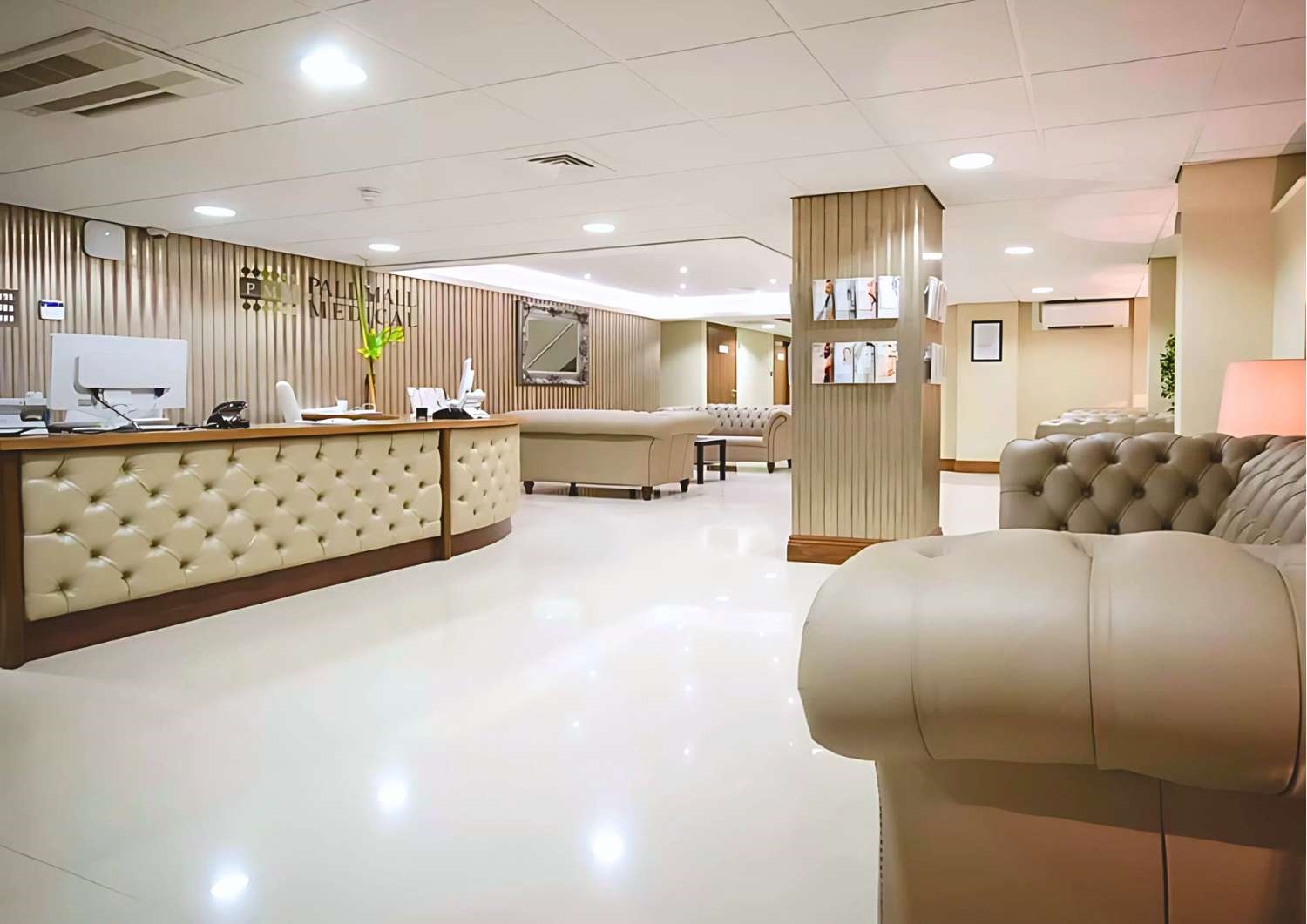
Excellent facilities especially waiting area and coffee machine. Good for enabling booking appointments with fast turnaround
I was very pleased from start to the end of my appointment.
I would highly recommend using pall mall the professionalism the kindness and care they gave me on my visit was exceptional
Great service good communication from Natalie very friendly approachable and understanding great experience
Frequently Asked Questions.
Our expert team is always on hand to help, advise and arrange appointments with our specialist consultants.
How are heart conditions diagnosed?
Our expert Consultant Cardiologists can use a range of investigation techniques including those below and other methods to diagnose what is causing your symptoms.
- Heart Scans
- ECG (electrocardiogram)
- ECHO (echocardiogram)
The benefit of choosing to have medical investigations at Pall Mall Medical is that we offer appointments without any waiting lists, giving you peace of mind that you will receive a diagnosis quickly. You do not need an NHS referral letter to see a Consultant Cardiologist, we offer a direct call and book system for all patients.
Our consultants are able to assess heart conditions and perform investigations whether blood testing or a range of specialist scans. Our Cardiologists are also able to refer to our private diagnostic centre at our own hospital in Newton-Le-Willows. If needed for your investigation, we can provide specialist tests and radiological imaging such as angiograms, private MRI scans, CT scans, ultrasound scans, ECG, ECHO and the heart assessment of your calcium CT score.
Why is seeing a cardiologist so important?
It’s important to book a private cardiologist appointment if you’re experiencing any symptoms of heart disease.
In extreme circumstances, a heart condition can be a matter of life and death. Thankfully, your body has ways to warn you if something’s not right. Warning signs include, chest pain or discomfort, shortness of breath, numbness or weakness in your arms or legs, irregular heartbeats or swelling of the legs, ankles and feet.
At Pall Mall, we can quickly and easily book you in for a consultation with a fast test turnaround. We’ll use a variety of diagnostic methods to get to the root cause of any heart-related problems you are experiencing, offering help and guidance to put your mind at ease and get your health back to top shape.
If left unchecked, heart conditions could escalate to potentially life-threatening levels, such as cardiac arrest, so it is recommended a cardiologist is seen at the first sign of any heart-related concerns.
No matter the heart concern you’re facing, the Pall Mall team is here to help - even if simply for a checkup. Book a private consultation with a skilled cardiologist today.
What is the difference between an Echocardiogram (ECHO) and Electrocardiogram (ECG)?
Although they sound similar, an Echocardiogram (ECHO) and an Electrocardiogram (ECG) are two very different tests used to assess heart health.
An Echocardiogram uses ultrasound waves to create moving images of your heart. It shows the structure and function of the heart, how the chambers and valves are working, how well blood is being pumped, and whether there are any abnormalities such as valve disease, congenital defects, or damage from a previous heart attack.
Assesses the physical structure of the heart
Detects problems with valves, muscle, and blood flow
Non-invasive and painless, usually takes 30–60 minutes
An Electrocardiogram records the electrical activity of your heart. It measures how fast your heart is beating, whether your rhythm is regular, and can detect signs of arrhythmias, heart attacks, or other electrical disturbances.
Measures the heart’s electrical signals
Detects irregular rhythms, heart strain, or previous heart damage
Quick, non-invasive test that takes only a few minutes
What treatment is there for heart disease conditions?
Making lifestyle changes such as increased exercise or dietary changes can sometimes be all that is necessary to treat atherosclerosis, and a private cardiologist can help plan any changes needed to be made.
If the condition is more serious or persisting despite lifestyle changes, the private cardiologist may make medication recommendations. These include:
- Statin medication: to lower cholesterol levels in the blood, which reduces atherosclerosis build up
- Blood pressure medication: to alleviate the more severe symptoms
Together, these treatments should reduce the symptoms and risks present from peripheral artery disease, and continued support from a private cardiologist will prevent the condition from escalating again.
For more advanced cases of heart disease, surgery may be advised
Coronary artery disease can present a high risk of cardiac arrest, so immediate surgery options may be presented by a private cardiologist to lower these risks.
Coronary artery disease treatment is often in the form of coronary angioplasty, which is a minimally invasive surgery, however in In certain cases, coronary artery bypass graft surgery will need to be performed.
How can I manage high-risk conditions?
When suffering from high-risk heart conditions, a private cardiologist will always be available to help you manage it, with same-day appointments, on top of standard follow-up appointments.
It is recommended to see a private cardiologist regularly when at high risk of heart complications. Your private cardiologist will perform a variety of standard tests to ensure your treatment plan is working as intended, as well as talking you through treatment options to consider in the future.
At Pall Mall, one of our private cardiologists can assist you if you have recently suffered from cardiac arrest or a heart attack, providing a tailored treatment plan and aftercare. Regardless of whether there is a known heart condition or not, a cardiac arrest diagnosis will be performed following a collapse to find the cause and treat as appropriate.
Do I need a heart scan?
If you suspect you are currently experiencing heart difficulties, your private cardiologists will recommend you take a heart scan. Scans are carried out in the diagnosis to identify the type and severity of the heart condition, as well as during the treatment process to monitor the effectiveness of the prescribed treatment.
At Pall Mall Medical, we have a wide variety of heart scans available at our cardiology consultation appointments, designed to give you clarity and peace of mind regarding your heart condition and best next steps for you to take.
How can I maintain heart health?
Maintaining a healthy diet, exercising regularly, managing stress, avoiding smoking, and controlling & monitoring blood pressure and cholesterol levels are key to heart health. It’s also important to find out your risk of heart disease particularly if you have heart disease or conditions in your family history and get regular health screens or consultations if you have any concerns.
Can heart disease be reversed?
While not all heart conditions can be completely reversed, many can be effectively managed and improved. With the right combination of lifestyle changes, medication, and specialist treatment, it’s often possible to slow or even halt disease progression. Regular monitoring and ongoing care with a cardiologist are key to maintaining and improving your heart health.
Can I have a private consultant cardiology appointment using medical insurance?
We work with all the major private medical insurance providers. This means you may be able to cover the cost of this service by using your medical insurance policy. You should always contact your insurer before booking an appointment. Your insurer will check that your policy covers this service at Pall Mall Medical and they can pre-authorise your treatment. You'll need to provide us with your insurer details and pre-authorisation code when you get in touch.
Enquire About Our Services
Call now to discuss your requirements.