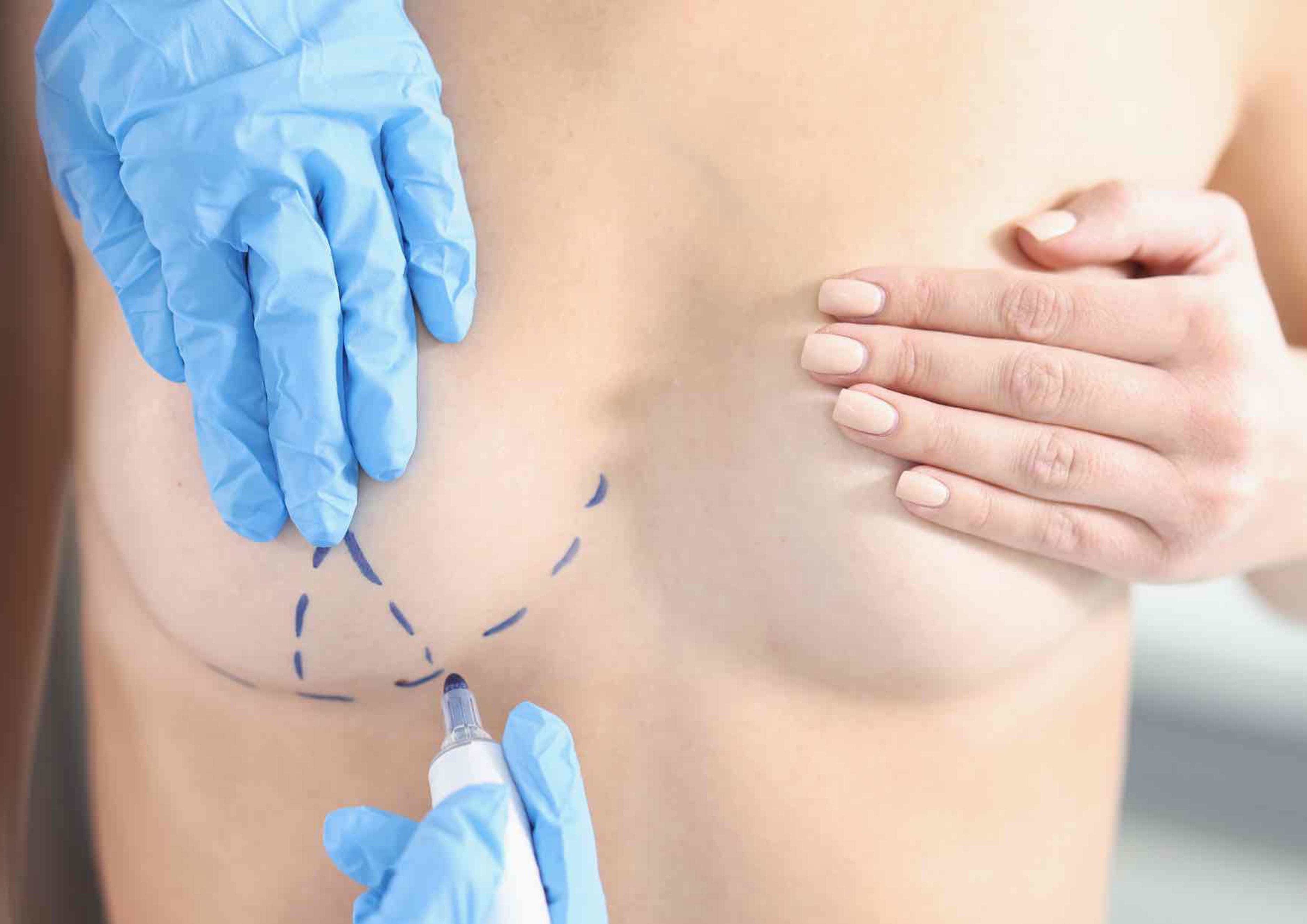
5 common problems after breast reduction surgery
At your initial consultation, your surgeon should inform you that this type of procedure could come with some side effects, such as breast reduction scars.
Although scarring is to be expected, there are other common problems that could occur after breast reduction surgery that you should be aware of. However, every patient’s healing journey will be unique to them, so your own recovery process may differ.
At Pall Mall, to ensure you’re comfortable and confident at all points, we’ll be at hand to ensure your aftercare is as diligent as your consultation and surgery.
1. Delayed wound healing
Delayed wound healing is where a surgical incision takes longer than expected to heal. This can happen for a number of reasons, such as:
It is expected that your breast reduction incisions will take a few weeks to heal, but the longer this healing process is, the more at risk you are to infection or even increased breast reduction scars.
To improve your chances of healing faster, you should:
- Ensure your incisions are kept clean and dry
- Quit smoking at least four weeks prior to your surgery
- Rest and avoid too much physical exertion
If you are concerned about how long your wounds are taking to heal, you should get back in contact with your surgeon.
2. Nipple and fat necrosis
Nipple and fat necrosis is where your breast tissue and skin dies due to a lack of blood supply to the area. Although this complication is rare, it is something to be aware of.
How to know if your tissue or nipple is dying? You should look out for a change in colour.
If the area is paler than usual, it is likely there is not enough blood flow to the area. On the other end of the scale, if the area turns purple or darker than it typically is, the blood may not be able to flow away from the area.
This complication can occur for various reasons. However, most generally, it is due to poor circulation. People who smoke are also at a higher risk of experiencing this common problem after breast reduction surgery.
If you do notice a change in colour in either your nipple or overall breast tissue, you should inform your consultant as soon as possible as there may be a chance to save it.
3. Breast tissue and nipple asymmetry
Throughout your breast reduction recovery, your breasts will continue to settle and it will be a few months until you will know what they will finally look like.
You may have asymmetry if you notice:
- One breast looks larger
- Your nipples are uneven
- One breast is different in shape
Some slight differences between both sides is to be expected, but severe asymmetry may leave you thinking you've had a botched breast reduction!
This may occur for a number of reasons, such as:
- The surgeon removing unequal amounts of tissue from your breasts
- The ways or rates at which they have healed
- Pre-existing asymmetry, which only comes to light after your procedure
In order to avoid asymmetry, it is important to communicate with your consultant prior to your surgery so that they can clearly grasp how you want your breasts to look post-procedure.
Even showing before and after images can aid in their planning!
4. Loss of nipple sensation
The loss of nipple sensation is a common problem that people experience after breast reduction surgery - with 19% of people reporting decreased sensation after their procedure.
This can occur as the reduction and altering of the position of your breast tissue and/or nipple during the surgery can damage the nerves that cause sensation.
More often than not, the lack of feeling is only temporary, with patients often experiencing a return of sensation a few months after their procedure.
However, some patients find that this sensation never returns to the same degree as pre-surgery. Therefore, it’s an important factor you should consider or seek further advice on prior to making your decision regarding your surgery.
5. Hematoma and/or seroma
A hematoma is a pooling of blood that can develop underneath the skin post-surgery. A seroma is similar but is instead a collection of fluid.
Both are far less dangerous than a blood clot that occurs in the veins. However, they can be uncomfortable, painful, and cause some swelling.
It is natural to have some bleeding post-procedure, and you should follow your consultant's aftercare instructions to prevent this from occurring.
Typically, hematomas will go away without the need for treatment. However, if your bleeding continues or causes extreme pain or swelling, you should contact your consultant as soon as possible.
You may need another surgery to remove the hematoma and/or seroma.