
A hysteroscopy is a minimally invasive procedure used to examine the inside of the uterus (womb). At Pall Mall Medical, hysteroscopy is performed by experienced consultant gynaecologists, providing accurate diagnosis, clear answers and personalised care in a private clinical setting.

Private Hysteroscopy Screen
- No waiting lists
- In-depth consultations
- No NHS referral needed
- From £3495
Prices from £250
Book a consultation
- In-depth consultation
- Women's health specialists
- Fast appointments
3 x £84 interest free payments with
Meet our specialist gynaecology consultants
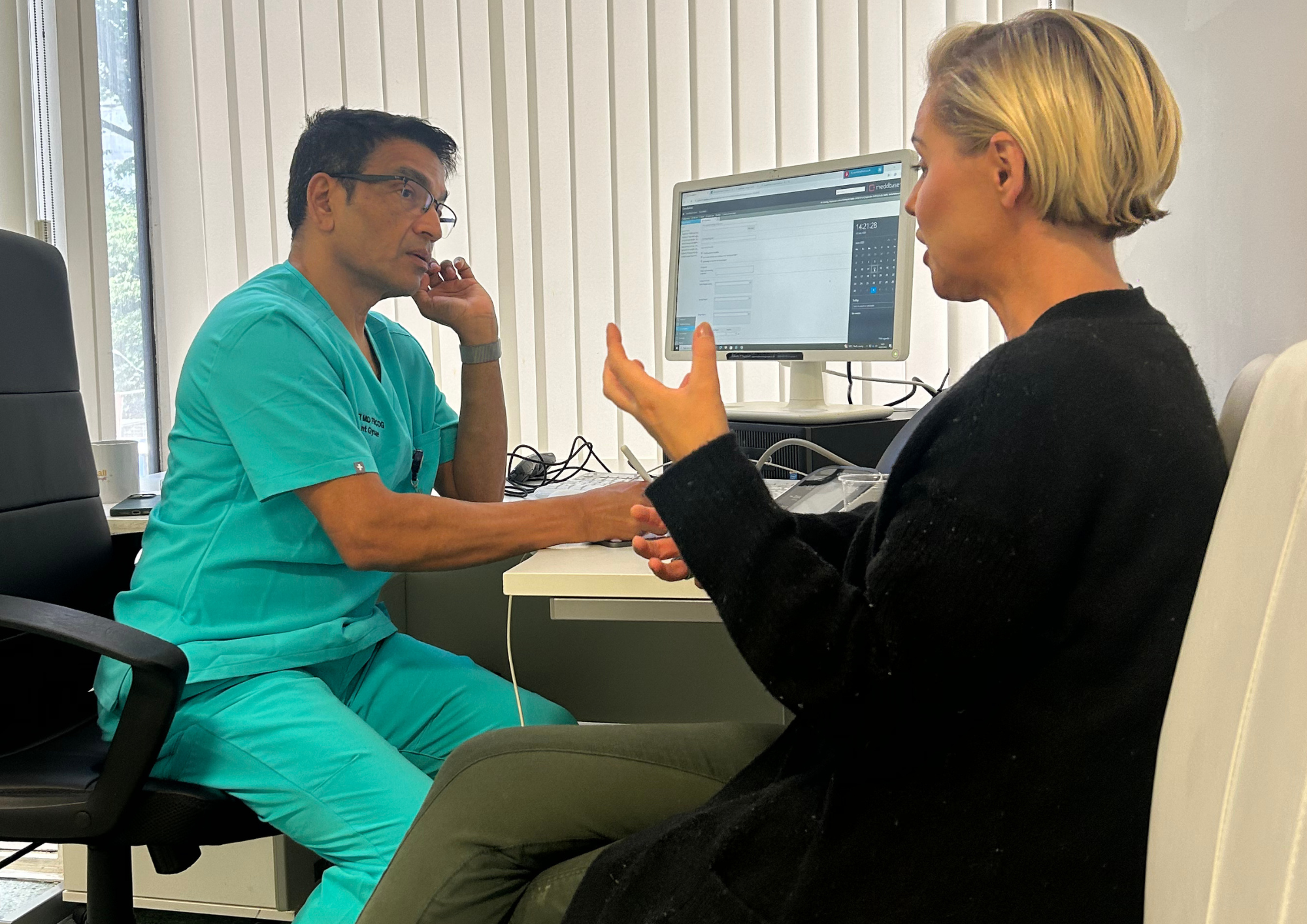
All hysteroscopy procedures at Pall Mall Medical are carried out by fully qualified consultant gynaecologists with extensive experience in diagnostic and operative hysteroscopy.

Why Choose Pall Mall for Private Hysteroscopy ?
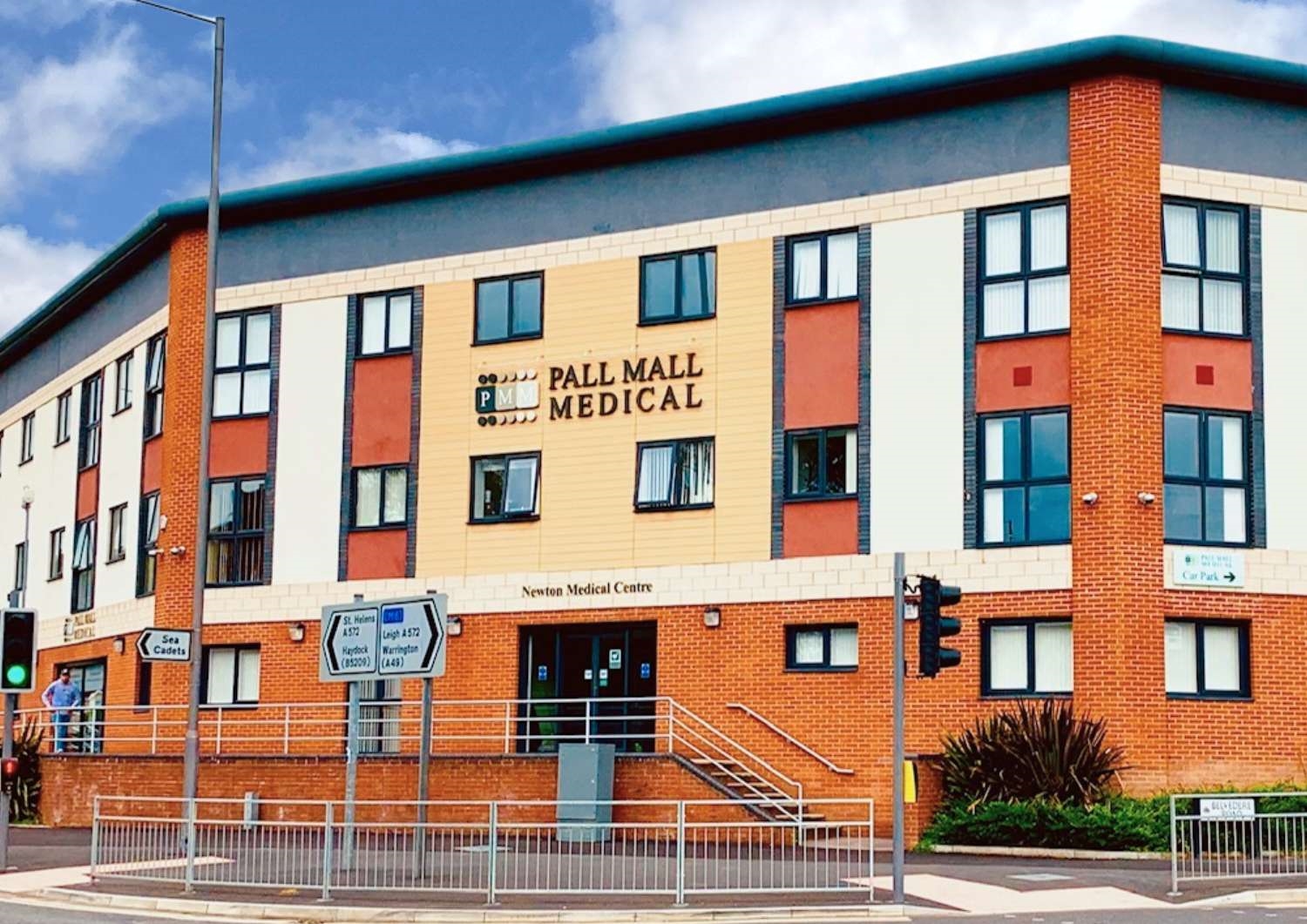
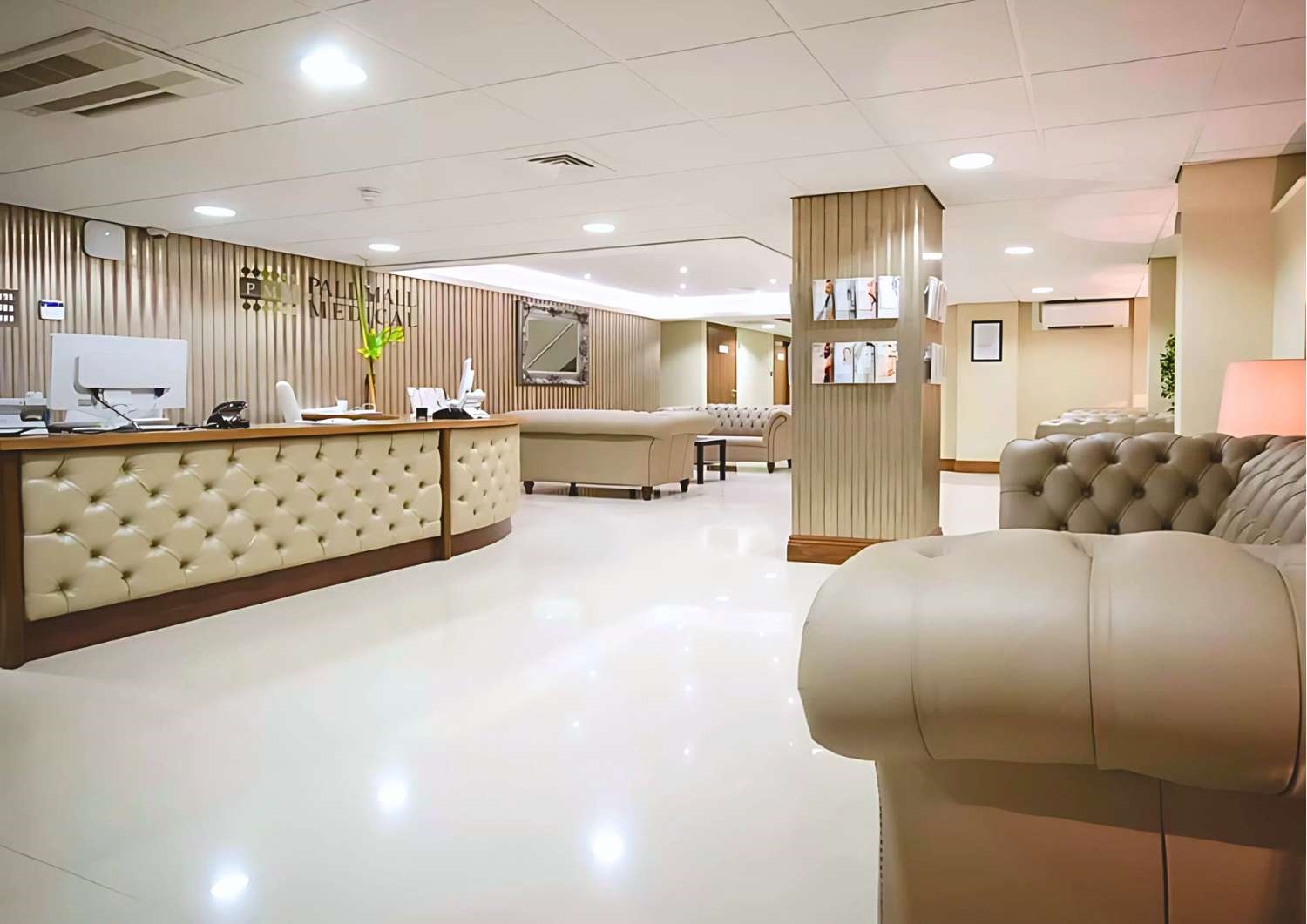
Pall Mall Medical is a doctor‑led, CQC‑regulated private hospital specialising in women's health diagnostics and treatment. We focus on providing clarity, reassurance and expert care at every stage of your journey.
- Consultant-led care from experienced gynaecology specialists
- Private, CQC-registered clinical facilities
- Personalised assessment and treatment planning
- Clear communication, fast results, and ongoing support
- Fast access with no delays
- Rated Excellent on Trustpilot
Frequently Asked Questions About Hysteroscopy
Is hysteroscopy a day procedure?
Yes, most hysteroscopy procedures are performed on a day-case basis, allowing you to go home the same day.
Will I need time off work?
Many patients return to work within 1–2 days, depending on the procedure performed and how they feel.
Can hysteroscopy help with fertility issues?
Yes. Hysteroscopy can identify and treat conditions such as polyps or adhesions that may affect fertility.
When will I get my results?
Your consultant will usually discuss findings shortly after the procedure, with any biopsy results shared once available.
Is hysteroscopy suitable after menopause?
Yes. Hysteroscopy is commonly used to investigate post-menopausal bleeding and assess the womb lining safely and accurately.
Can a hysteroscopy detect cancer?
A hysteroscopy can help detect signs of cancer, but it is usually part of a wider diagnostic process rather than a standalone cancer test.
During a hysteroscopy, a specialist gynaecologist can directly examine the lining of the uterus and identify abnormal areas, such as unusual tissue, polyps, or changes in the endometrium that may be suspicious for cancer or pre-cancerous conditions. If anything abnormal is seen, a biopsy (small tissue sample) can be taken at the same time.
The biopsy is then analysed in a laboratory and this is what confirms whether cancer cells are present.
Enquire About Our Services
A member of our team will be in touch with you to discuss your requirements.