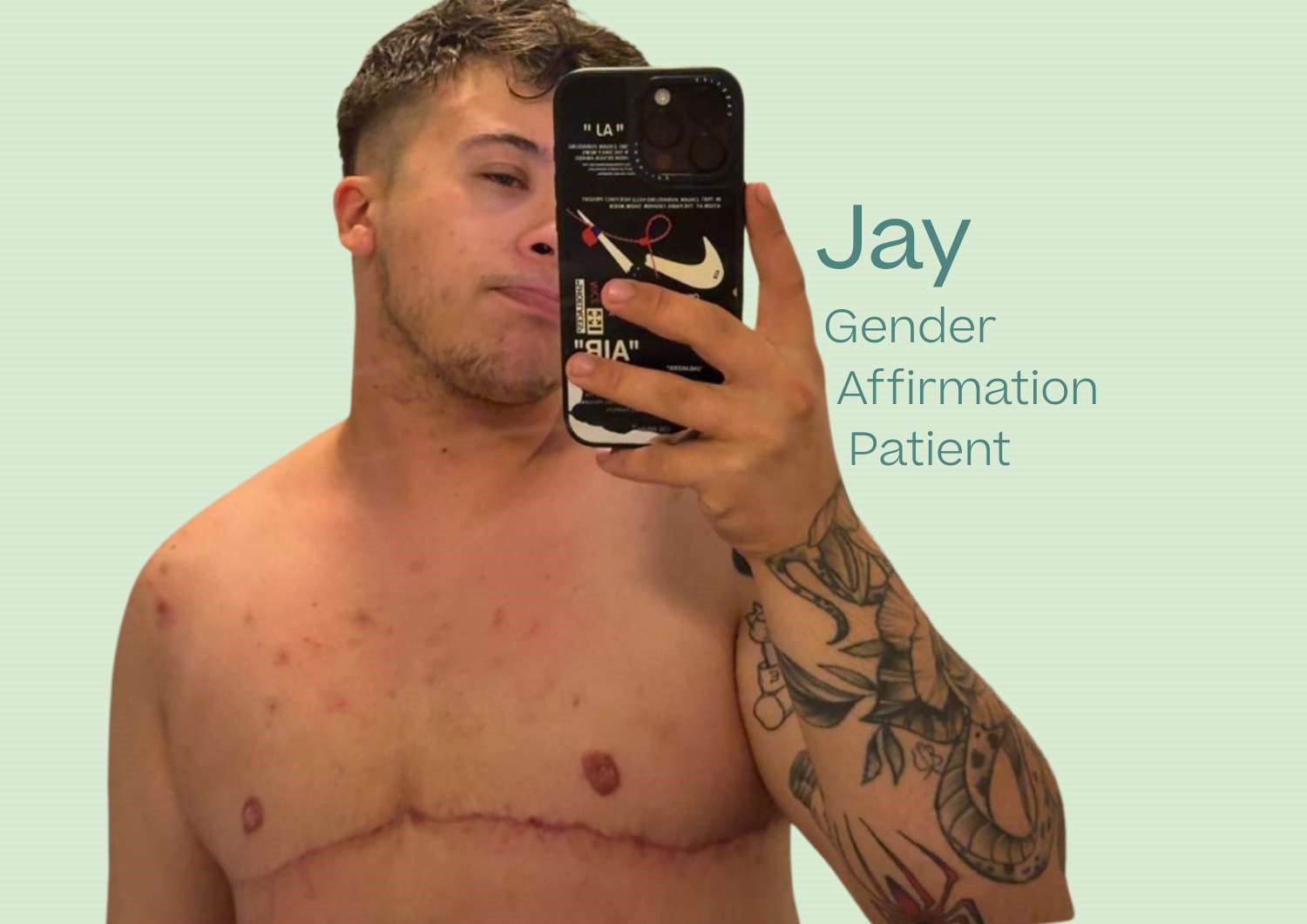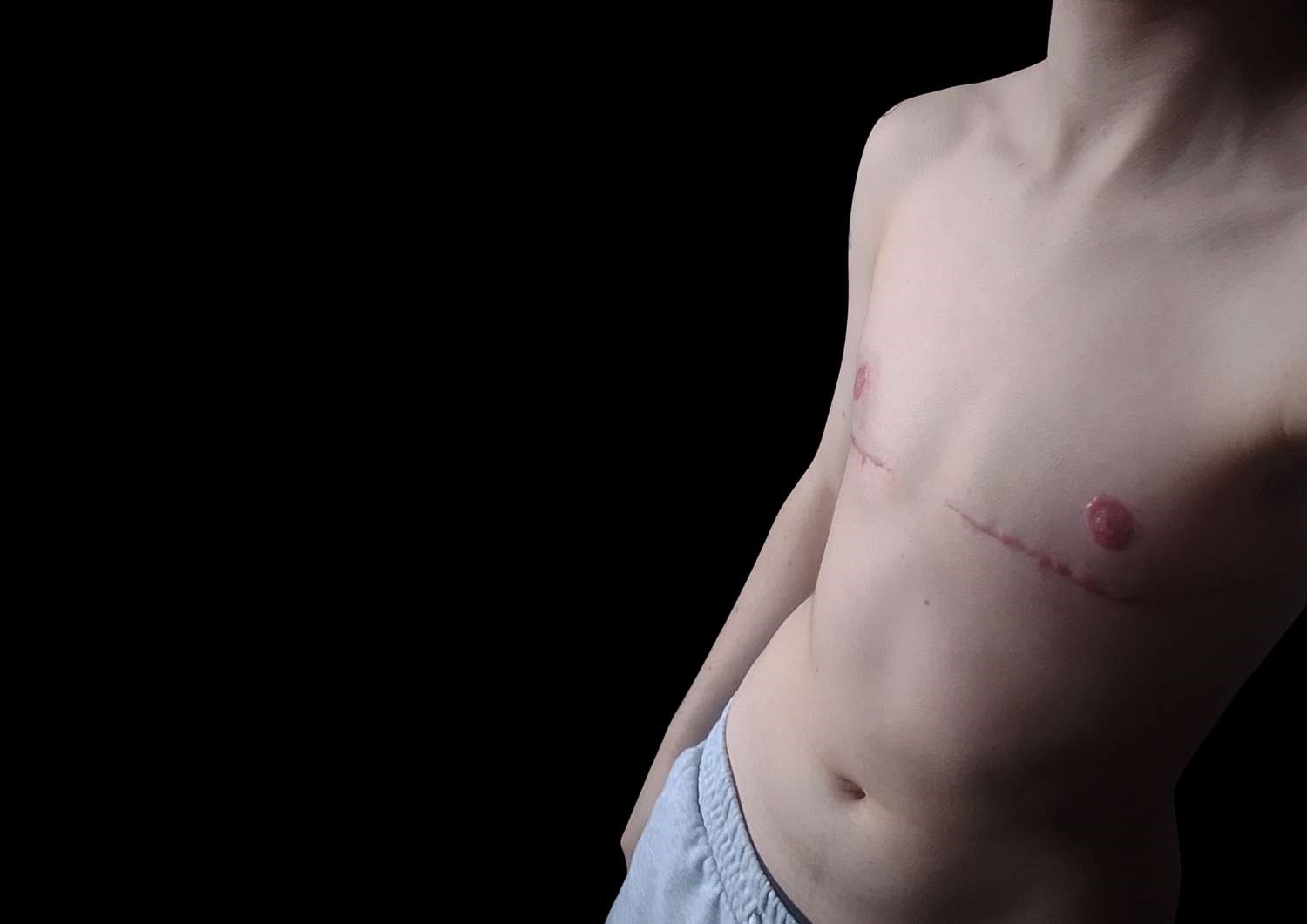
If you're researching FTM top surgery, understanding the different techniques available is the first step toward choosing the right surgeon and procedure for your body. From double incision to keyhole, each approach suits different chest sizes and priorities.
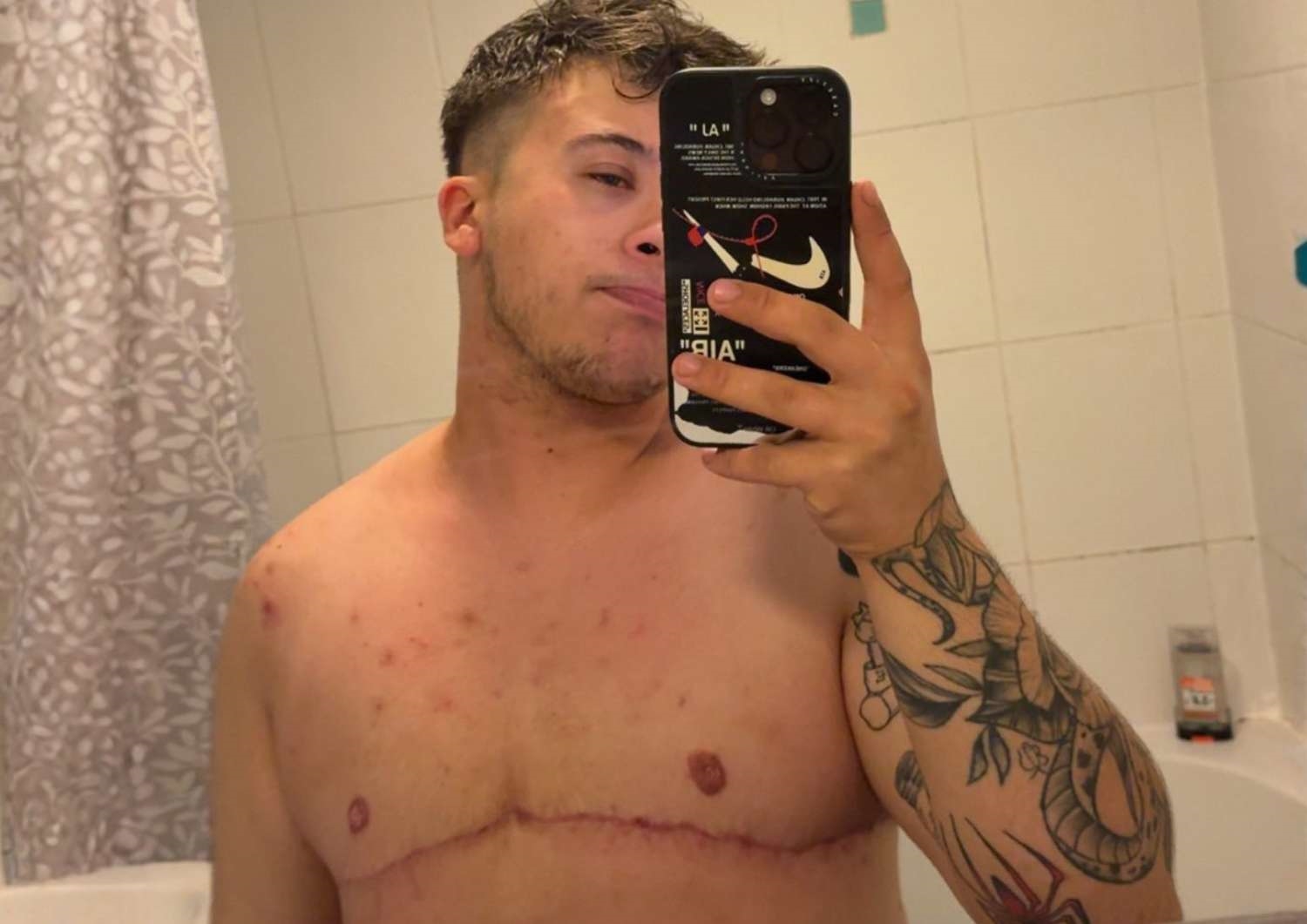
Top Surgery Techniques: A complete guide
Main techniques
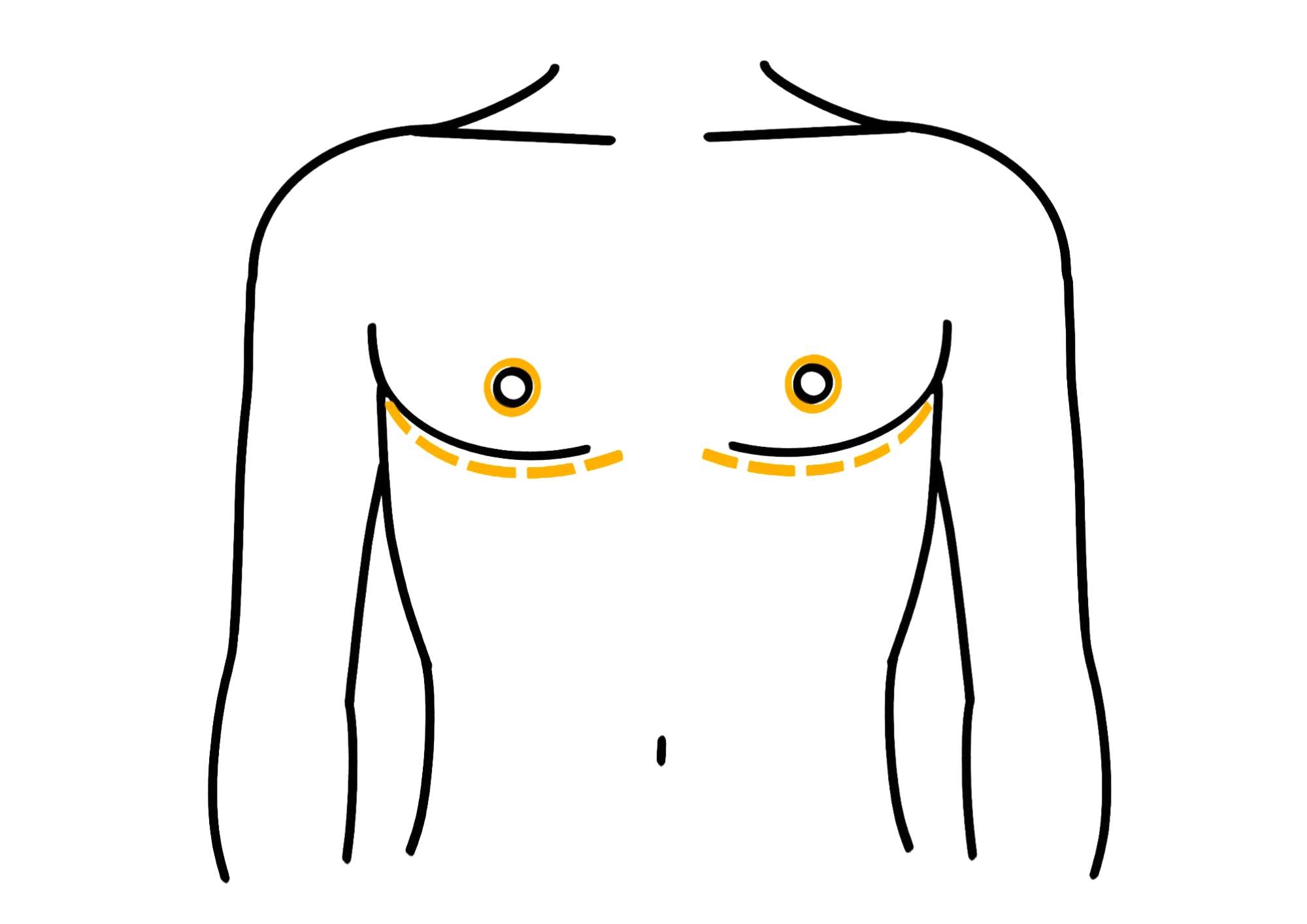
1. Double Incision with Free Nipple Grafts
Best for: Medium to large chests, excess skin, lower skin elasticity
Procedure:
Two horizontal incisions across the chest
Removes breast tissue and excess skin
Nipples are resized and repositioned as grafts
Pros:
Most effective for larger chests
Reliable contouring
Allows significant reshaping
Cons:
More visible scars
Possible loss of nipple sensation
Longer healing
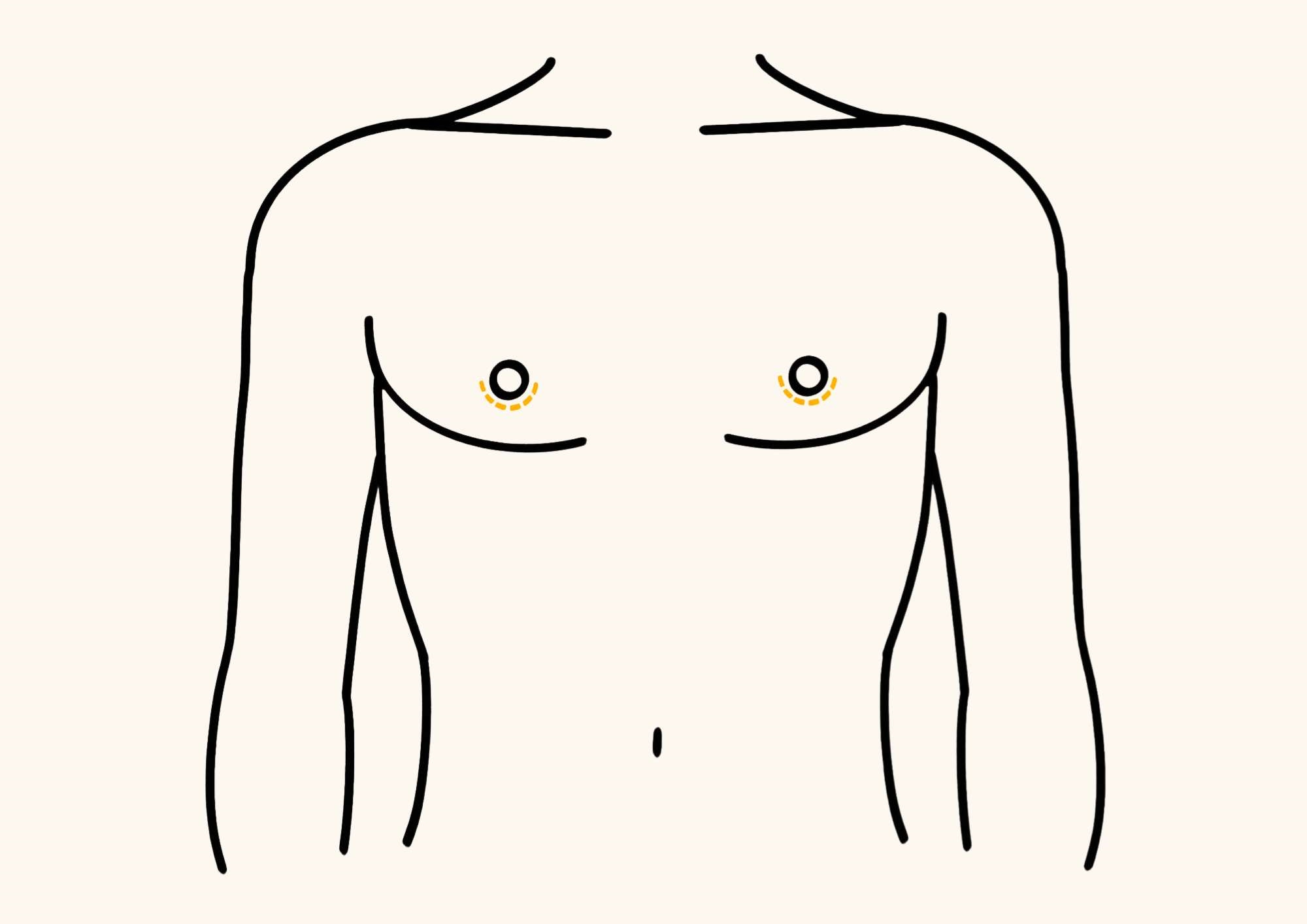
2. Keyhole Technique
Best for: Small chests with good skin elasticity - generally A cup or smaller, though surgeons assess tissue composition individually
Procedure:
Small incision near the areola
Tissue removed via liposuction or direct excision
Minimal skin removal
Pros:
Minimal scarring
Better nipple sensation preservation
Faster recovery
Cons:
Limited to small chest sizes
Less contour control
May leave loose skin if not ideal candidate
Note: terminology varies between surgeons - some use 'keyhole' and 'periareolar' interchangeably."
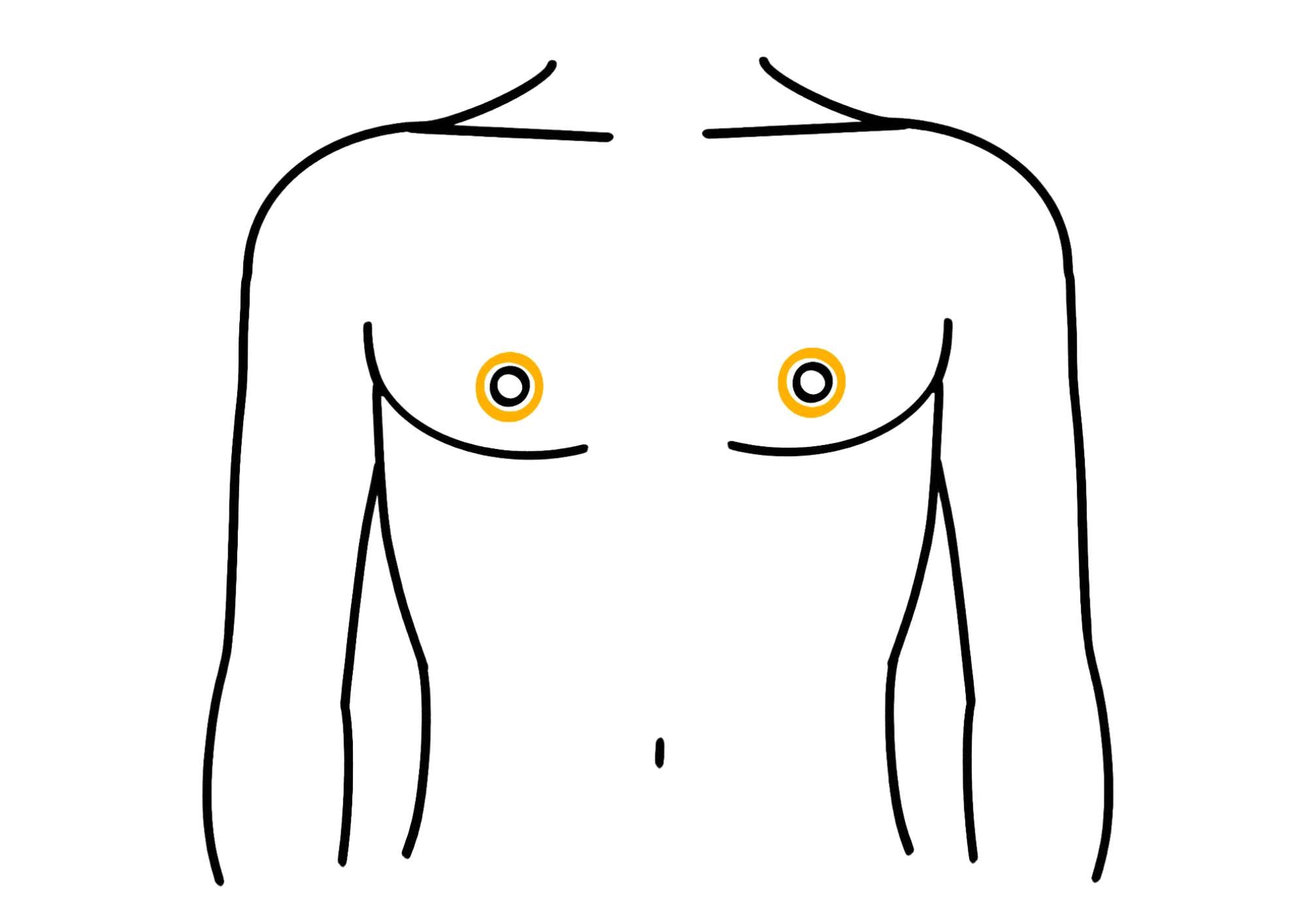
3. Periareolar (Circumareolar)
Best for: Small to moderate chests
Procedure:
Circular incision around the areola
Tissue and some skin removed
Areola can be resized
Pros:
Less visible scars
More skin adjustment than keyhole
Better aesthetic flexibility
Cons:
Potential for skin wrinkling
May require revisions
Less ideal for large chests
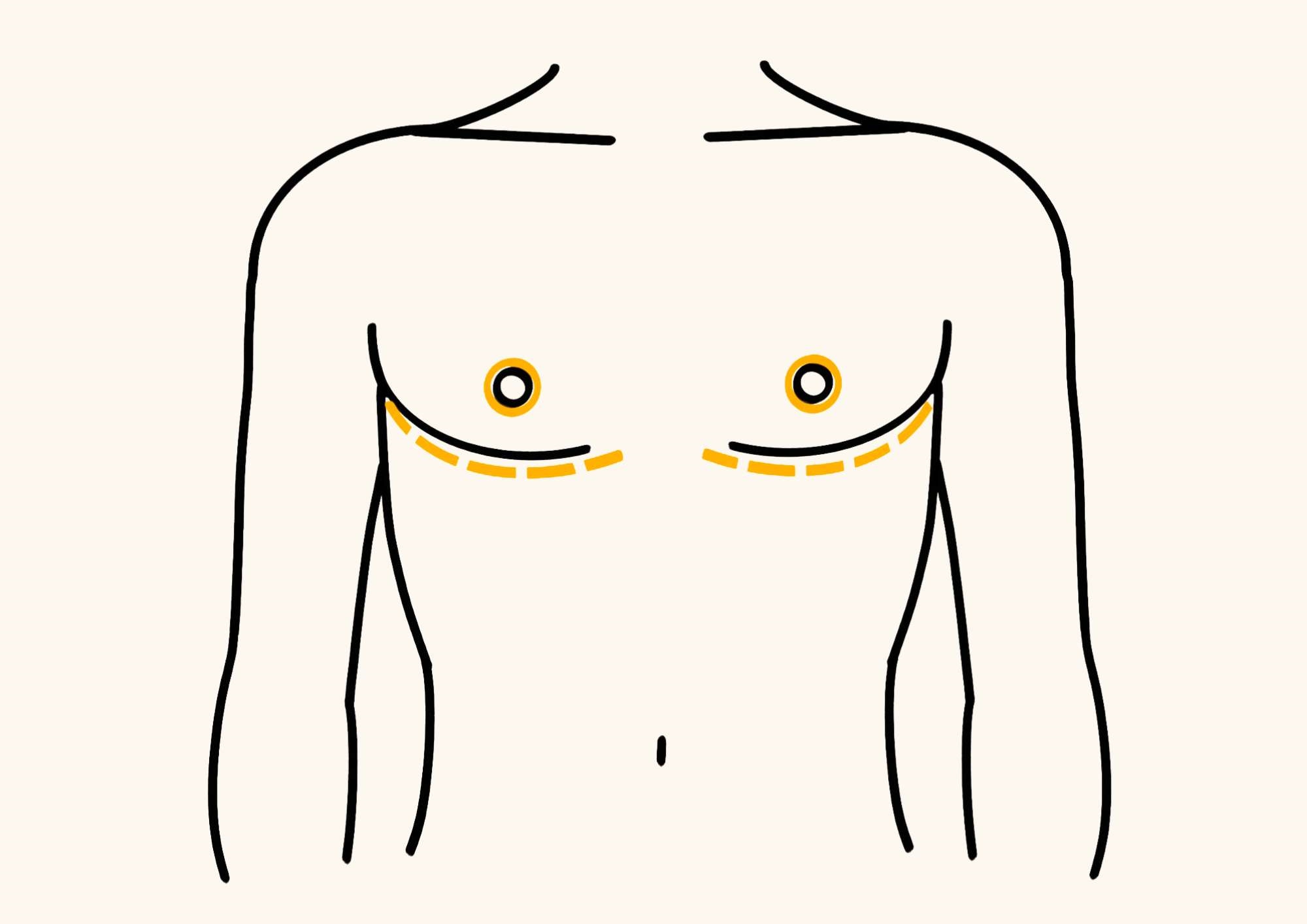
4. Buttonhole Technique
Best for: Moderate to larger chests wanting nipple sensation preservation
Procedure:
Similar to double incision
Nipples remain attached to tissue stalk
Pros:
Improved sensation retention
Masculine contour
Cons:
Not suitable for everyone
More technically specialized
Limited - not offered by all surgeons
Recovery
Compression binder: several weeks
Return to light activity: 2–4 weeks
Full healing: several months
Scar management often recommended
Drain tubes: typically placed after double incision surgery, removed within 1-2 weeks
Risks
Scarring
Seroma/hematoma
Nipple graft loss (double incision only)
Reduced or loss sensation (higher risk with free nipple grafts)
Asymmetry
Need for revision surgery
Which technique is right for you?
Choosing the right FTM top surgery technique is a decision best made with an experienced surgeon who understands both the clinical and personal dimensions of gender-affirming care. Whether you're a candidate for a minimal-scar keyhole approach or need the full reshaping of double incision, the outcome depends on matching technique to anatomy and goals to expectations.
Start understanding your options with a free consultation with our gender affirming specialist.