Menu Menu
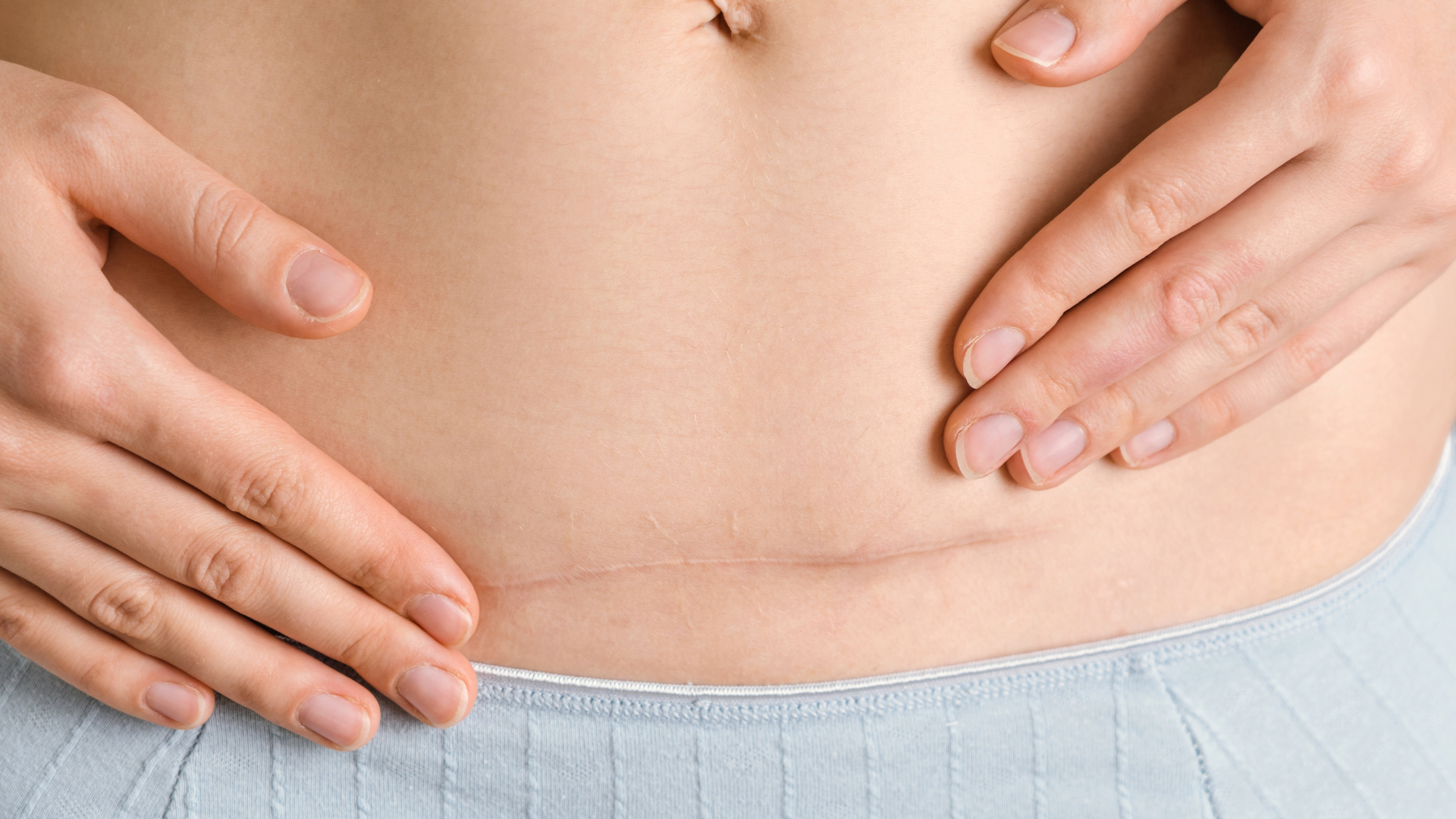
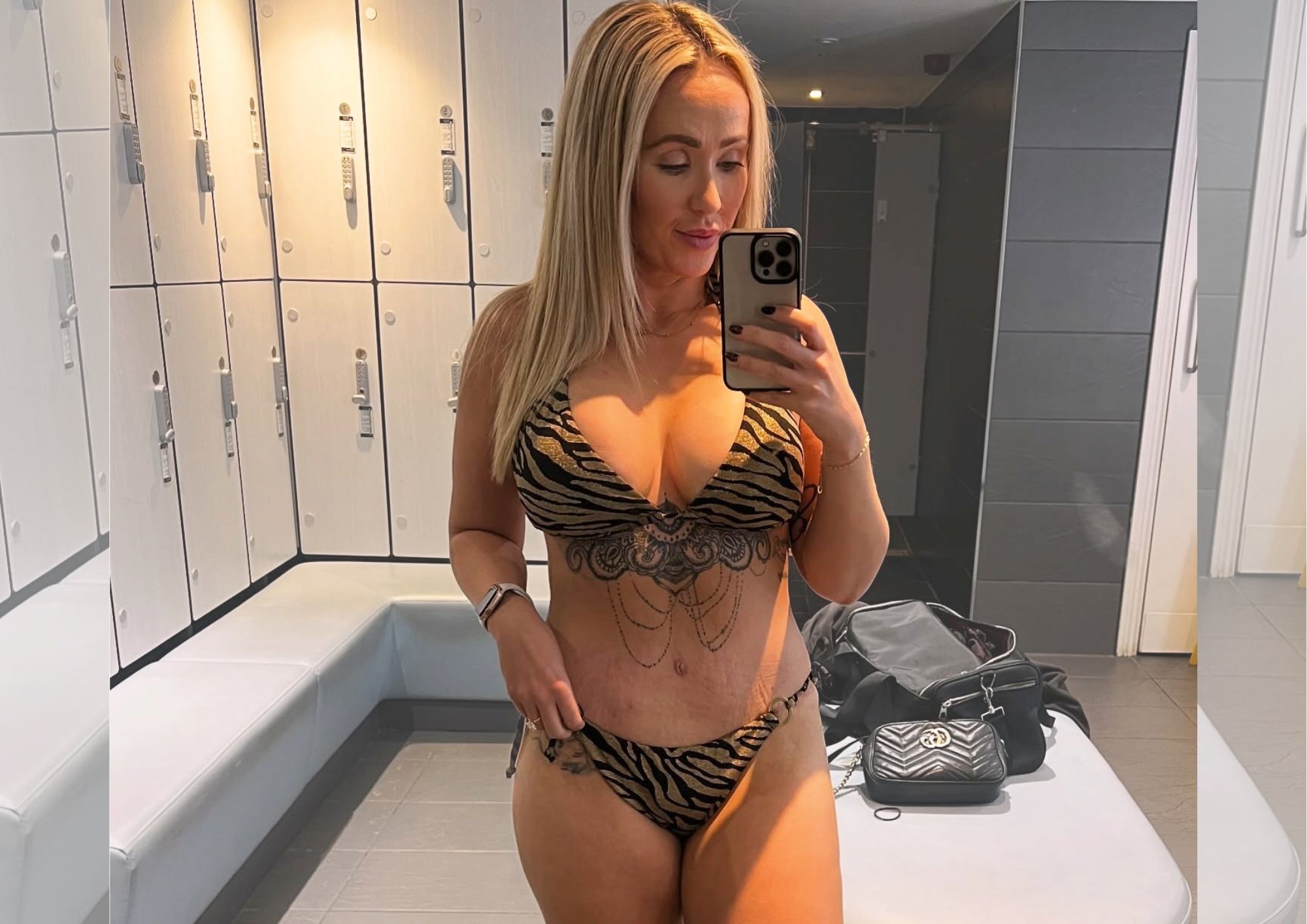
Mother of 3 extended tummy tuck patient

What No One Really Tells You About Expectations After Cosmetic Surgery

The gap between what we expect and what we feel

The gap between what we expect and what we feel

A lot of people quietly hope surgery will change more than just their appearance.

Not in a dramatic “this will fix my whole life” way.
But maybe in a softer way.

  • Maybe they hope they’ll stop obsessing over that one feature.

  • Maybe they’ll feel more comfortable in photos.

  • Maybe getting dressed won’t feel so frustrating anymore.

  • Maybe they’ll finally feel more like themselves.

And none of that is shallow.

The problem is that online, cosmetic surgery is often sold as a complete transformation - emotionally as well as physically.

Like self-confidence arrives overnight.
Like insecurity disappears instantly.

But real life usually isn’t that clean.

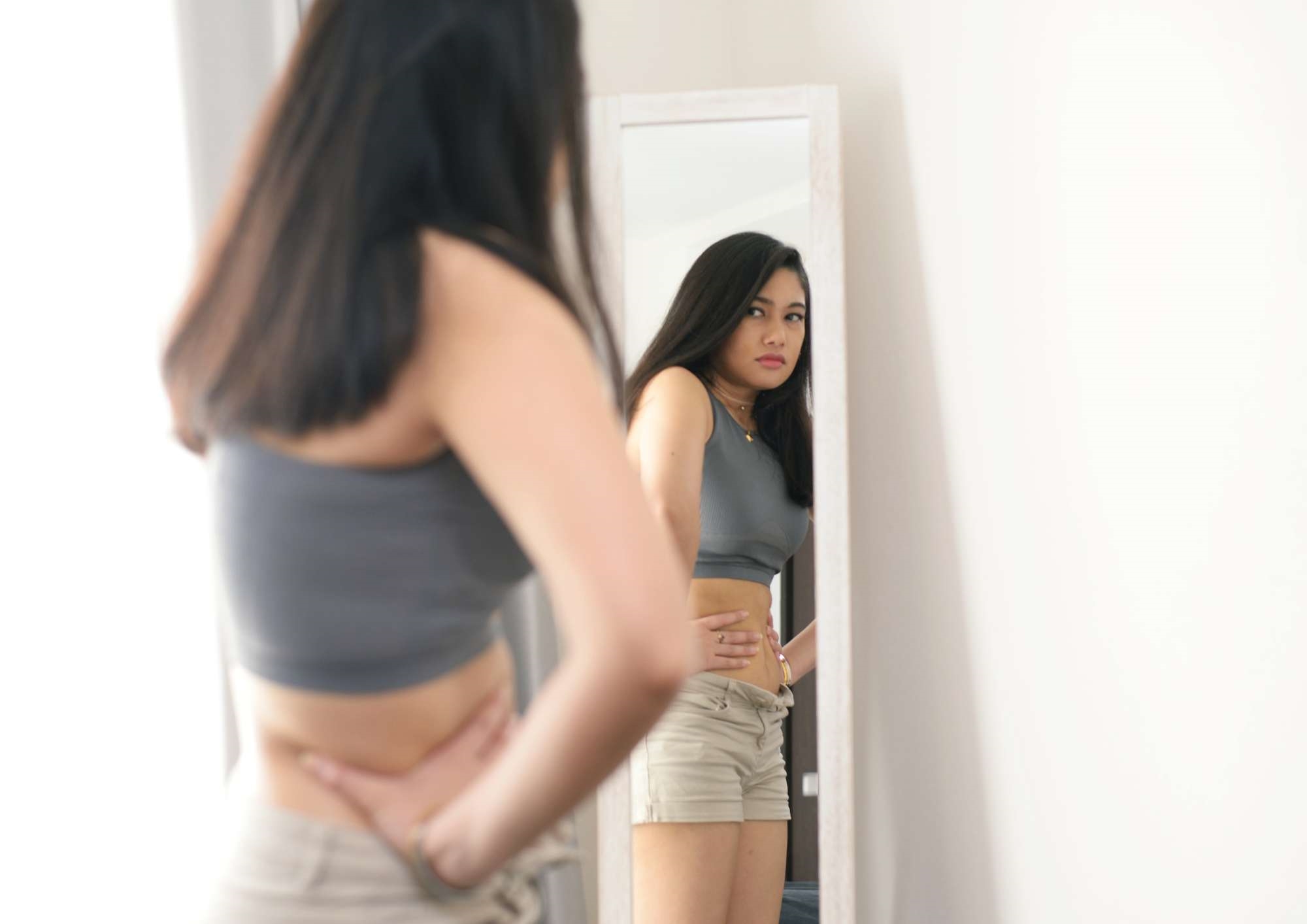
You can still have insecurities after surgery.
You can still have bad body image days.
You can still pick yourself apart sometimes.

That’s something many people are surprised by when they start hearing real stories from others.

The result can be beautiful and you can still be adjusting emotionally at the same time.

The emotional reality of recovery after surgery (Real patient insight)

In this video, Carlita, a Pall Mall Medical patient who underwent combination surgery in 2025, opens up about her personal recovery journey. She speaks candidly about the emotional ups and downs she experienced, from moments of loneliness and self-doubt to the challenges of adjusting to her changing body after surgery. Carlita also shares how support from loved ones, community connections, and reassurance from her clinical team helped her feel less alone and gradually learn to trust the recovery process as she moved forward.

Nobody really talks about the emotional side

Nobody really talks about the emotional side

One thing more people should be honest about is how emotional recovery can feel.

Even when everything is healing normally.

One day you feel excited.
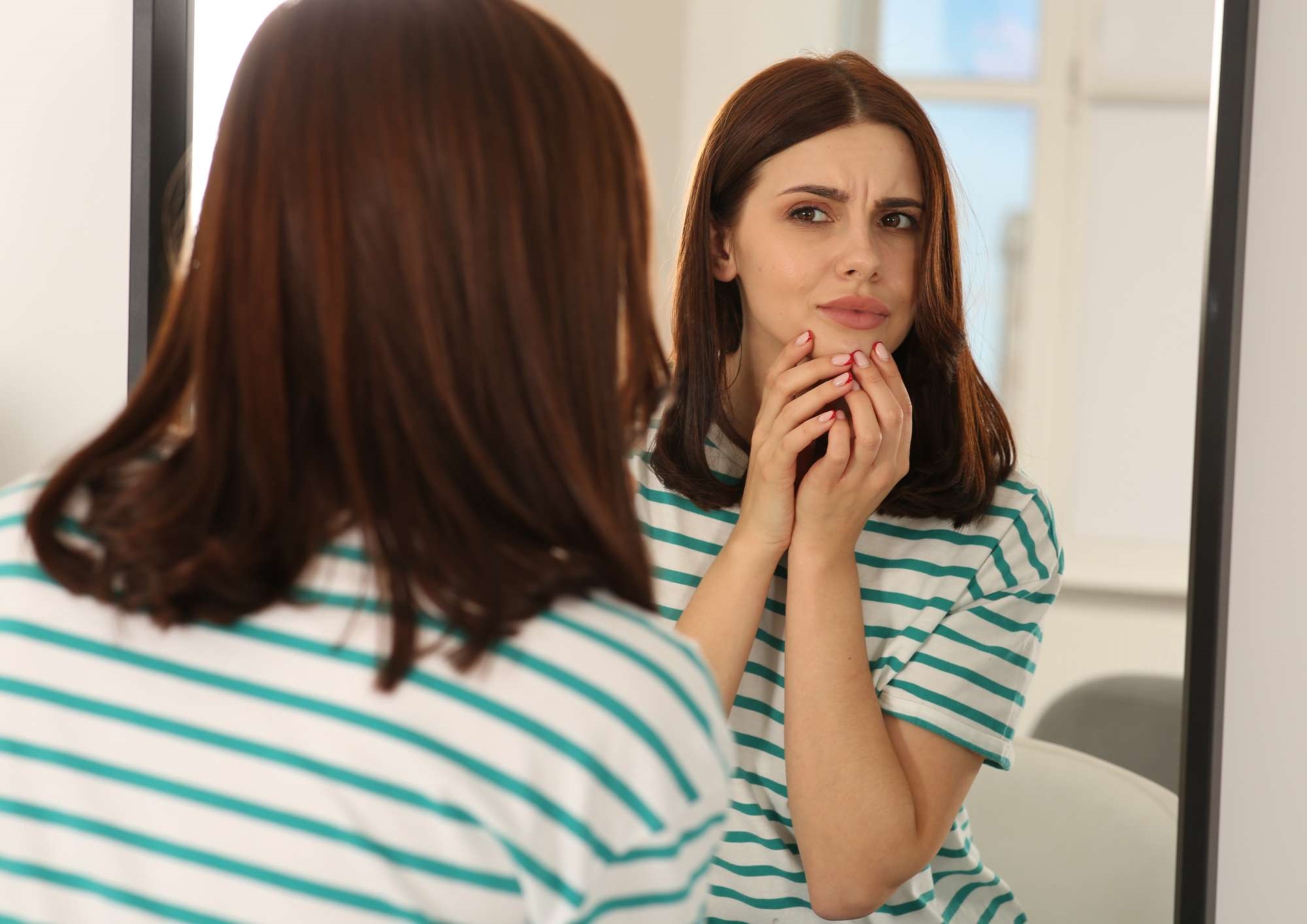
The next you’re convinced you’ve ruined your face or body.
Then a week later you feel fine again.

It’s such a mental rollercoaster.

Many people become hyper-aware of every tiny detail while healing. Every bit of swelling feels permanent. Every uneven angle feels huge.

And when you’ve spent a lot of money and waited months for surgery, it’s hard not to panic when recovery doesn’t look perfect immediately.

There’s also this pressure to post positive updates all the time.
Like you’re supposed to be glowing and grateful 24/7.

But sometimes recovery is uncomfortable, isolating, emotional and honestly a bit strange.

That deserves to be talked about too.

The “Final Result” takes longer than people think

The “Final Result” takes longer than people think

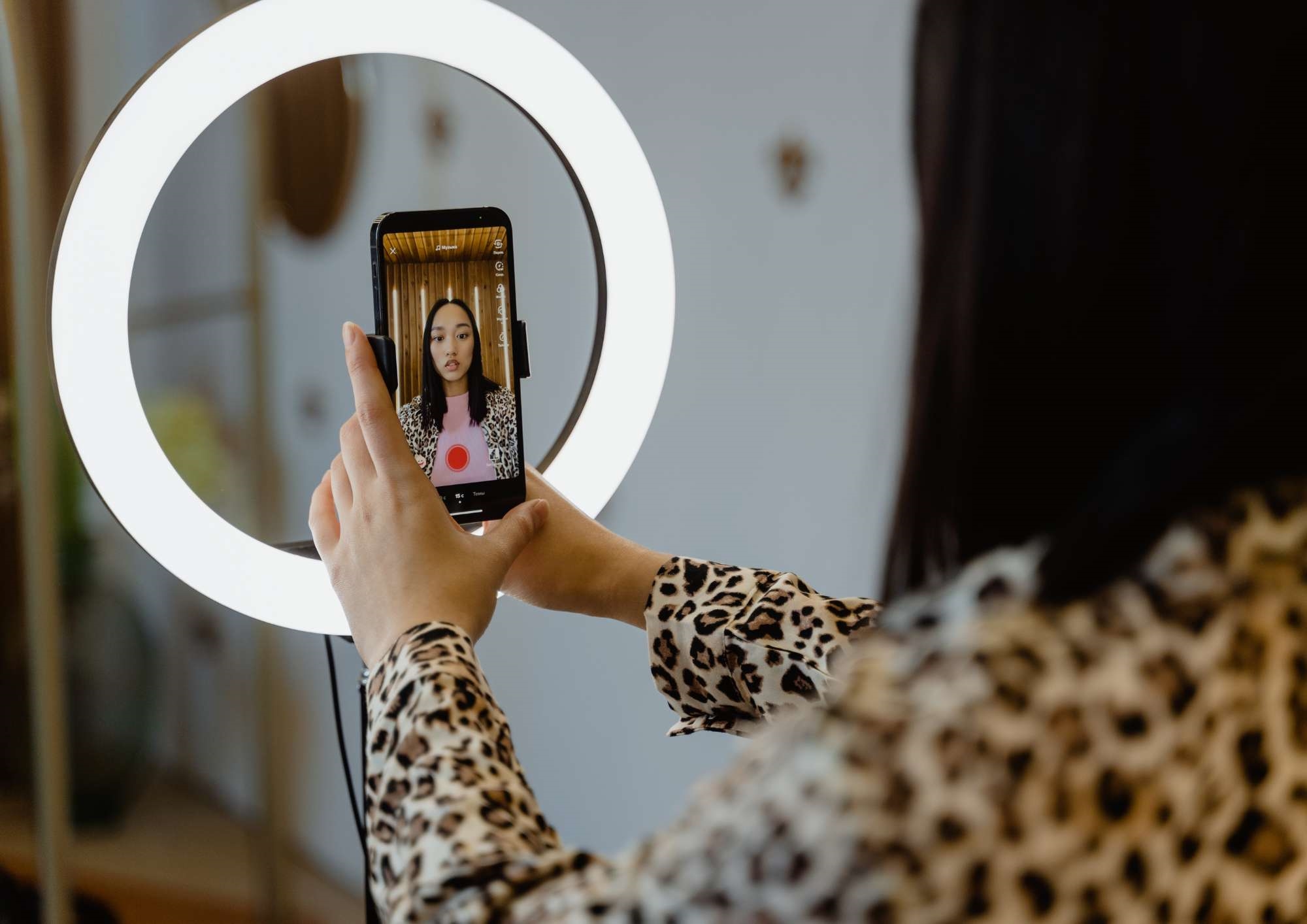
Social media has made recovery timelines feel unrealistically fast.

Someone posts a one-week update looking flawless, and suddenly you’re wondering why you still feel swollen, uneven, bruised, stiff, or uncomfortable after a month.

What most people don’t see:

  • Lighting

  • Makeup

  • Angles

  • Editing

  • Selective posting

  • The fact that healing can take months — sometimes a full year — depending on the procedure

Patience becomes part of the process, whether anyone warns you about it or not.

And patience is difficult when you’ve invested emotionally, physically and financially into wanting to feel better.

Sometimes the goalposts move

This is another conversation people avoid.

Sometimes surgery fixes one insecurity… and your brain immediately finds another.

Not because you’re vain.
Not because you’re ungrateful.
But because insecurity is rarely isolated to a single feature.

This is why emotional expectations matter so much.

A procedure can improve a feature.
It cannot guarantee inner peace.

And that distinction matters.

Honest expectations can protect mental health

There’s nothing wrong with wanting cosmetic surgery.

People choose procedures for deeply personal reasons and many are genuinely happy with their results.

But healthier expectations often sound more like this:

  • “I hope this improves something that has bothered me for a long time.”

  • “I understand healing may be emotionally difficult.”

  • “I know results won’t be perfect.”

  • “I’m doing this to enhance, not completely reinvent myself.”

  • “My worth cannot depend entirely on the outcome.”

That mindset creates more room for realistic healing.

The conversations we need more of

We need more honesty around:

  • Post-surgery emotions

  • Body image struggles

  • Unrealistic online expectations

  • Recovery setbacks

  • The pressure to look instantly perfect

  • The loneliness some people feel during healing

Not to scare people away from cosmetic surgery.

But to make space for reality.

Because honesty helps people make informed, grounded decisions instead of emotionally loaded ones.


Final thoughts

Cosmetic surgery isn’t inherently empowering or inherently harmful. For most people, it’s probably somewhere in the middle.

It can absolutely improve self esteem, it can make people feel happier in their appearance and there’s nothing wrong with admitting that appearance matters.

But people deserve realistic expectations too. Surgery doesn’t automatically silence insecurity, it doesn’t instantly heal self-esteem and it definitely doesn’t turn someone into a completely new person overnight.

At the end of it all, people are still themselves. Just healing, adjusting, and learning how to see yourself again. And more people deserve to hear that part before going into it.