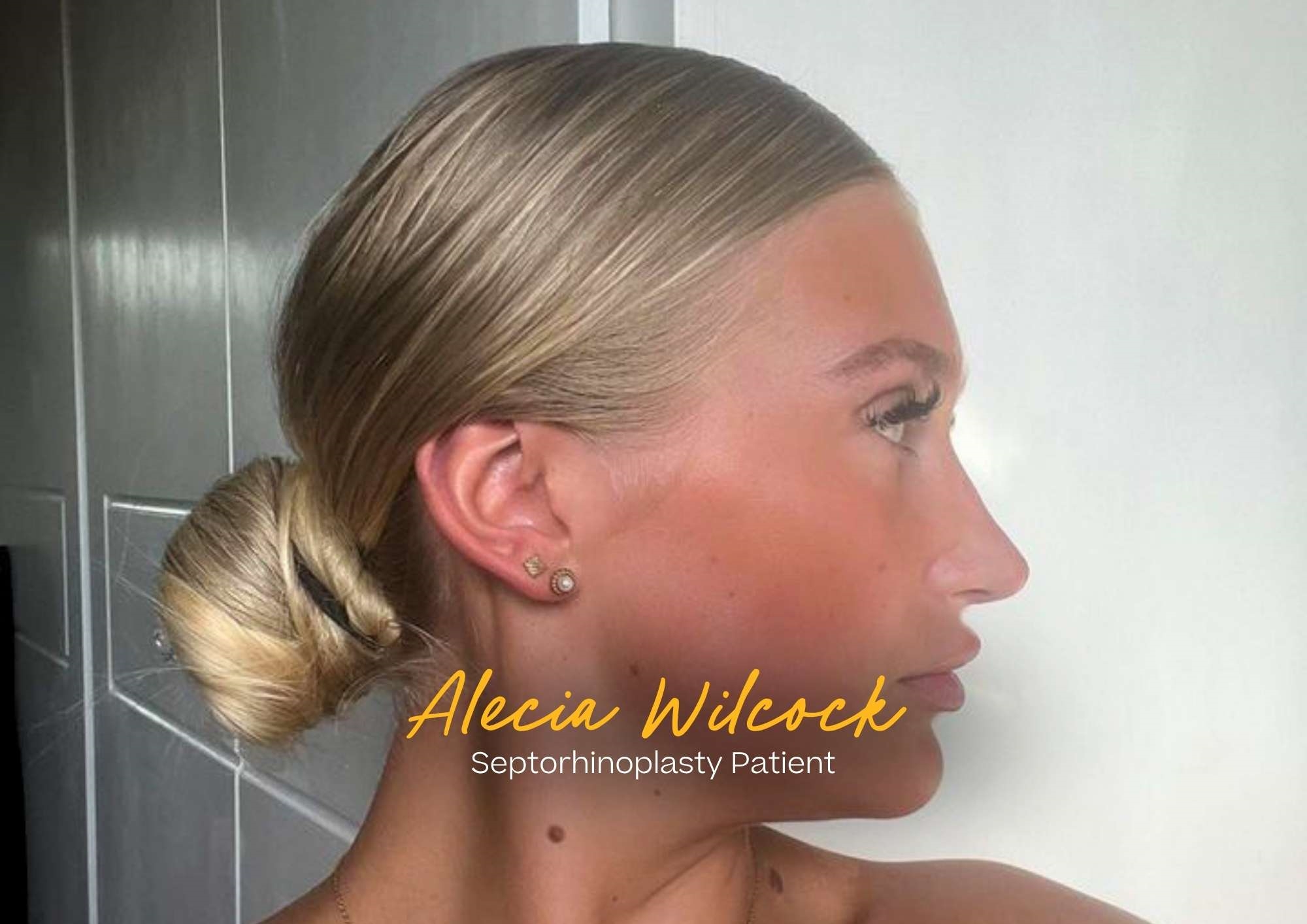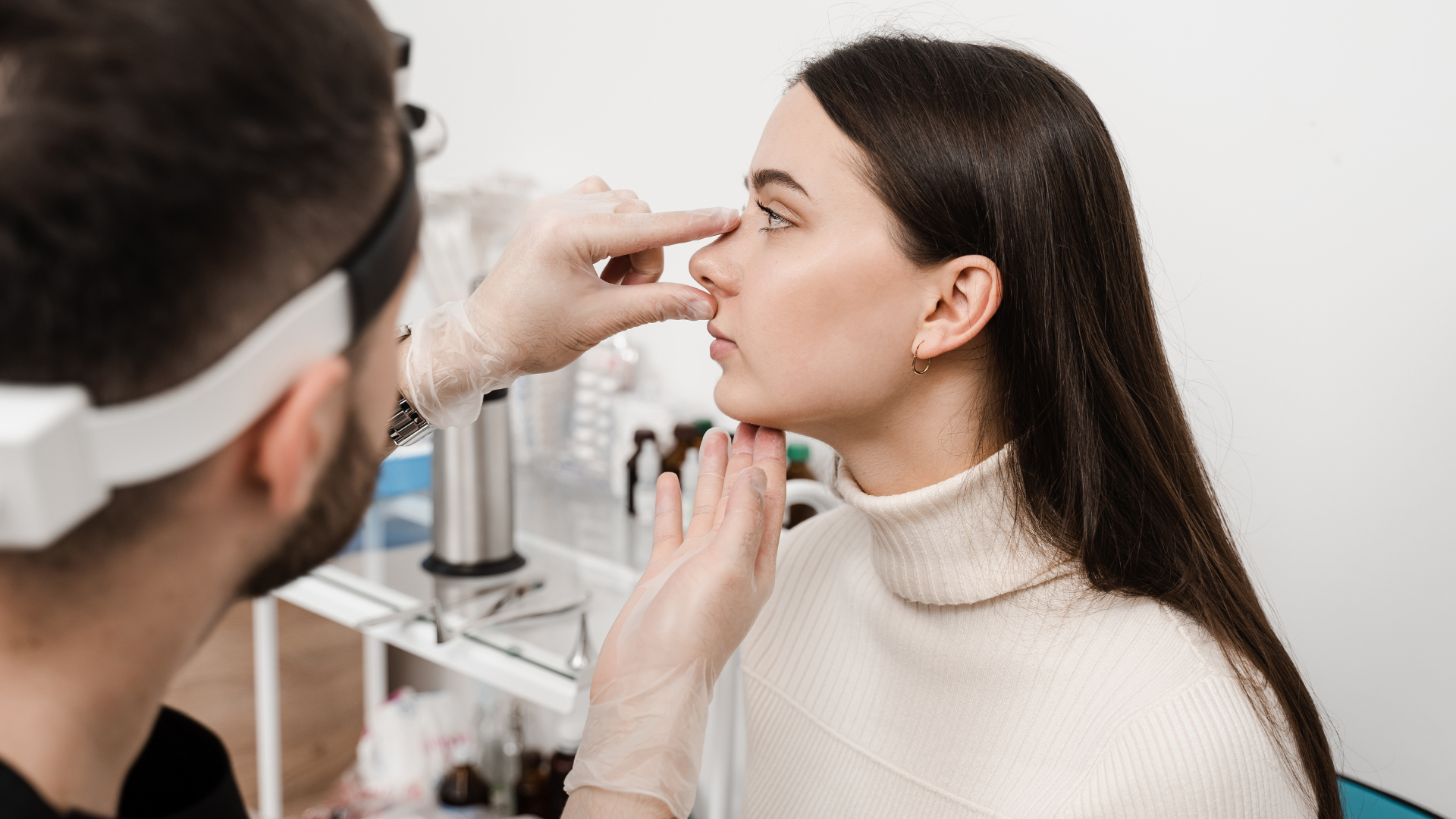
Swelling after Rhinoplasty is completely normal and usually follows a predictable healing timeline. Most swelling is at its worst during the first week, improves significantly over the first month and continues to settle over 6–12 months. In this guide, we'll explain each stage of rhinoplasty swelling, what you can expect during recovery and how to reduce swelling safely.

Rhinoplasty swelling stages and recovery
Why swelling happens after Rhinoplasty
Swelling is an expected part of the recovery process after Rhinoplasty, and patients should prepare for changes in their appearance in the weeks following surgery. Rhinoplasty alters the nose's structure by reshaping cartilage and adjusting bone, creating trauma that leads to inflammation and swelling. This swelling affects not only the nose but also the cheeks and under the eyes. The severity of swelling varies depending on the surgery's complexity and the individual's healing process. Typically, the worst swelling occurs in the first week, with significant reduction within 2 to 4 weeks. Subtle swelling, especially around the nasal tip, can persist for months. Following your surgeon’s advice is essential for effective swelling management and healing.
Rhinoplasty swelling timeline at a glance
| Recovery period | Typical healing changes |
| Days 1–3 | Swelling and bruising usually reach their peak. Cold compresses and rest can help manage symptoms. |
| Week 1 | The nasal splint is often removed. While swelling remains noticeable, bruising typically starts to improve. |
| Weeks 2–4 | Most visible bruising has resolved and swelling continues to decrease, making the new nasal shape more apparent. |
| Months 2–3 | Around 70–80% of swelling has usually settled, although the nasal tip may still appear slightly puffy. |
| Months 6–12 | Subtle swelling continues to reduce, with the final results becoming increasingly visible. |
Rhinoplasty swelling timeline
The Rhinoplasty recovery timeline can vary from patient to patient, depending on the complexity of the procedure and individual healing factors. While the general stages of recovery are consistent, the duration and intensity of swelling, bruising, and discomfort may differ. It's important to follow your surgeon’s guidance closely and attend all post-op appointments to ensure optimal healing. In the following sections, we’ll break down the key recovery milestones, from immediately after surgery to one year later, to give you a better understanding of what to expect.
Immediately after surgery
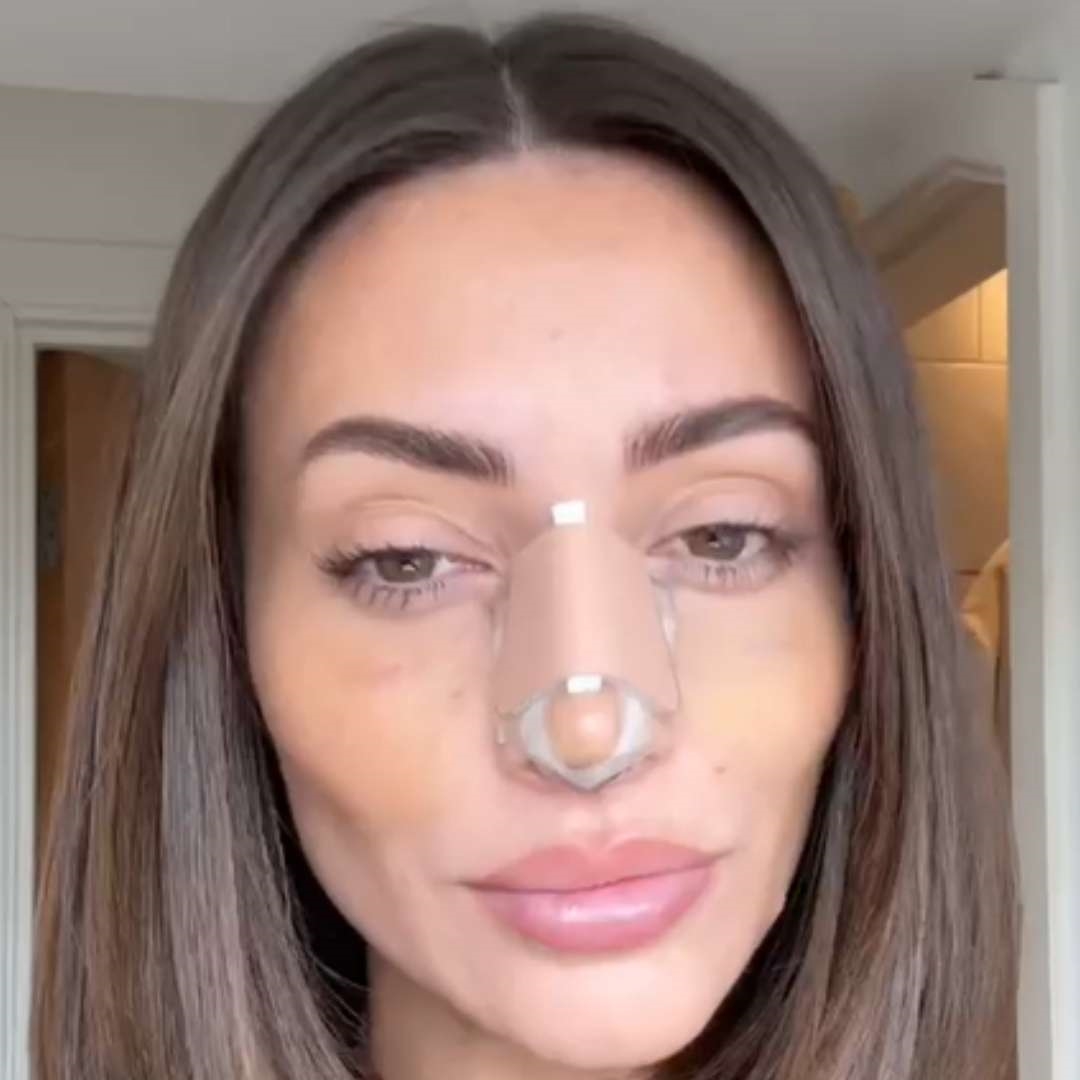
Immediately after Rhinoplasty surgery, patients can expect significant swelling and bruising around the nose, cheeks, and under the eyes. The nose may feel tight, and some discomfort is normal, though this is typically manageable with prescribed pain medication. Patients will have a splint on their nose following surgery for at least 7 days. To reduce swelling and bruising, patients are advised to keep their heads elevated, apply cold compresses, and avoid touching or putting pressure on the nose. As Professor Raghavan, our ENT and Facial Plastic Surgeon notes, "Swelling persists longer in the tip area. It takes about 6 to 12 months for the final result."
One week after surgery
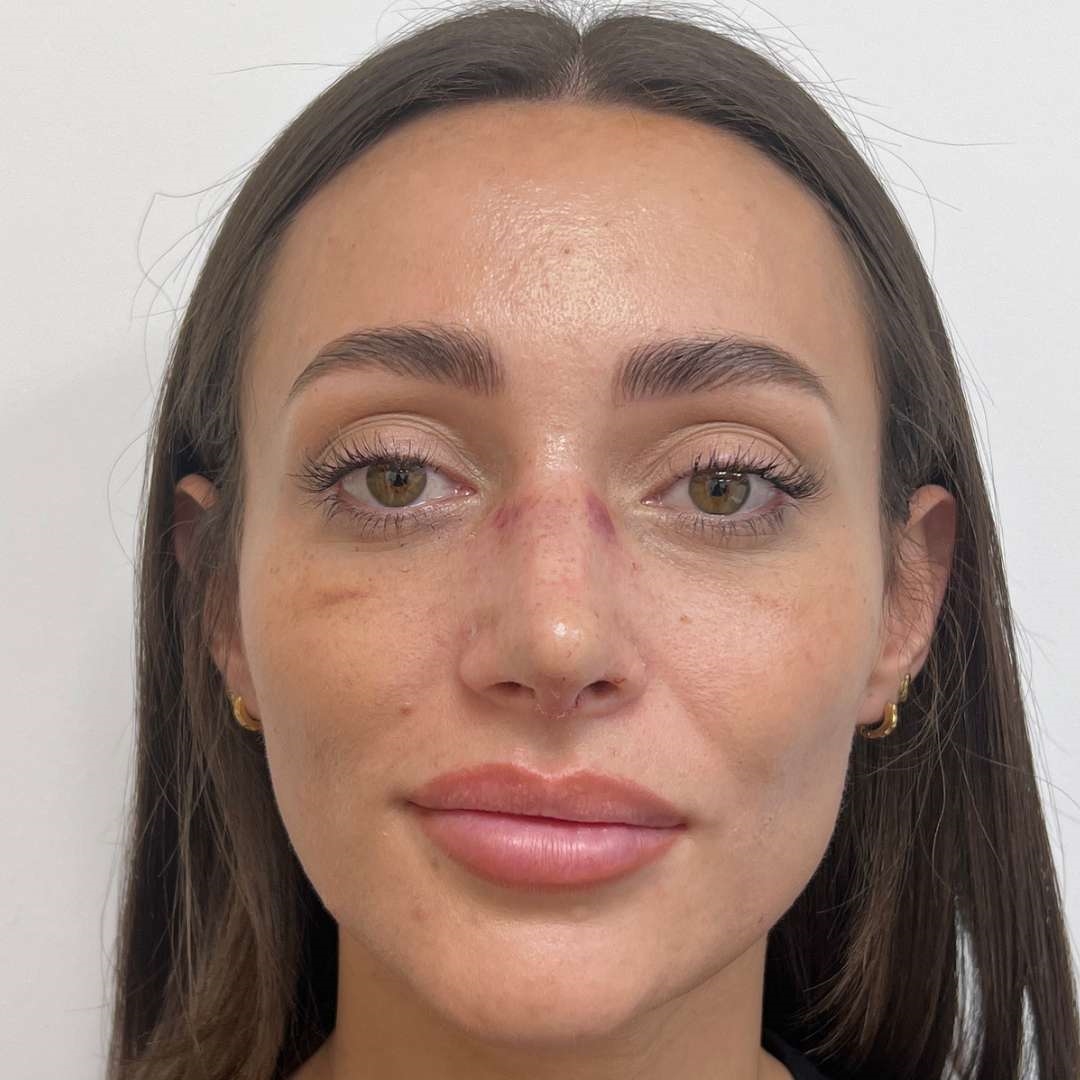
During the first week after Rhinoplasty, patients typically experience acute swelling and bruising, which can be quite noticeable. The nose may appear enlarged, and the surrounding facial areas, including the cheeks and under the eyes, often show significant bruising. It’s crucial for patients to adhere to their surgeon's post-operative care instructions during this time. This includes refraining from touching or adjusting the dressings, as this can compromise the healing process. Patients should also keep their heads elevated while sleeping to help minimise swelling. By following these guidelines, patients can support a smoother recovery and enhance their surgical results.
One month after surgery
During the first month after Rhinoplasty, patients will notice gradual changes in their swelling and bruising as healing progresses. By the end of the first week, the initial swelling begins to decrease, and many patients experience a significant reduction in bruising. At around a week post-surgery, patients return to have their nasal splint removed with their surgeon at Pall Mall. Between 6 - 8 weeks post surgery, patients will return again to have their follow up appointment with their surgeon.
By the end of the month, most patients will find that their nose feels more comfortable and less sensitive. The swelling should have noticeably decreased, revealing more of the new shape, although some residual swelling may still be present. Many patients can gradually resume their normal routines, including returning to work and light physical activities. However, it's advisable to avoid strenuous exercise for at least four to six weeks to allow for optimal healing. Our dedicated aftercare team remains available for any questions or concerns, ensuring that patients feel supported throughout their recovery journey.
Three months after surgery
By three months post-Rhinoplasty, most patients experience a significant improvement in both comfort and appearance. At this stage, any residual bruising should have completely resolved, and the majority of the swelling will have subsided, allowing for a clearer view of the new nose shape. Patients typically report feeling more confident and at ease with their appearance, as the subtle changes from the surgery begin to settle into their final form.
While some minimal swelling may still be present, especially in specific areas of the nose, it is usually minor and often undetectable to others. Patients can expect to see the overall contours and symmetry of their nose taking shape, providing a good indication of the final results. It’s important for patients to remain patient and understand that complete healing may continue for up to a year, during which the nose will refine further. Overall, by the three-month mark, patients often feel a renewed sense of normality, enjoying activities they may have previously avoided due to discomfort or self-consciousness.
One year after surgery
By one year post-Rhinoplasty, patients can expect that all swelling will have fully resolved, revealing the final results of the surgery. The nose will have completely healed, showcasing the new shape and contours clearly. At this stage, any residual effects from the procedure, such as minor asymmetries, will have settled, allowing patients to appreciate the aesthetic changes made. Many patients report a boost of self esteem because of their appearance, as the transformation reflects their desired outcomes. Regular follow-up appointments with the surgeon may still occur to ensure ongoing satisfaction and address any lingering concerns.
Wondering what your own recovery could look like?
Book a consultation with our rhinoplasty specialists to receive personalised advice based on your goals and anatomy.
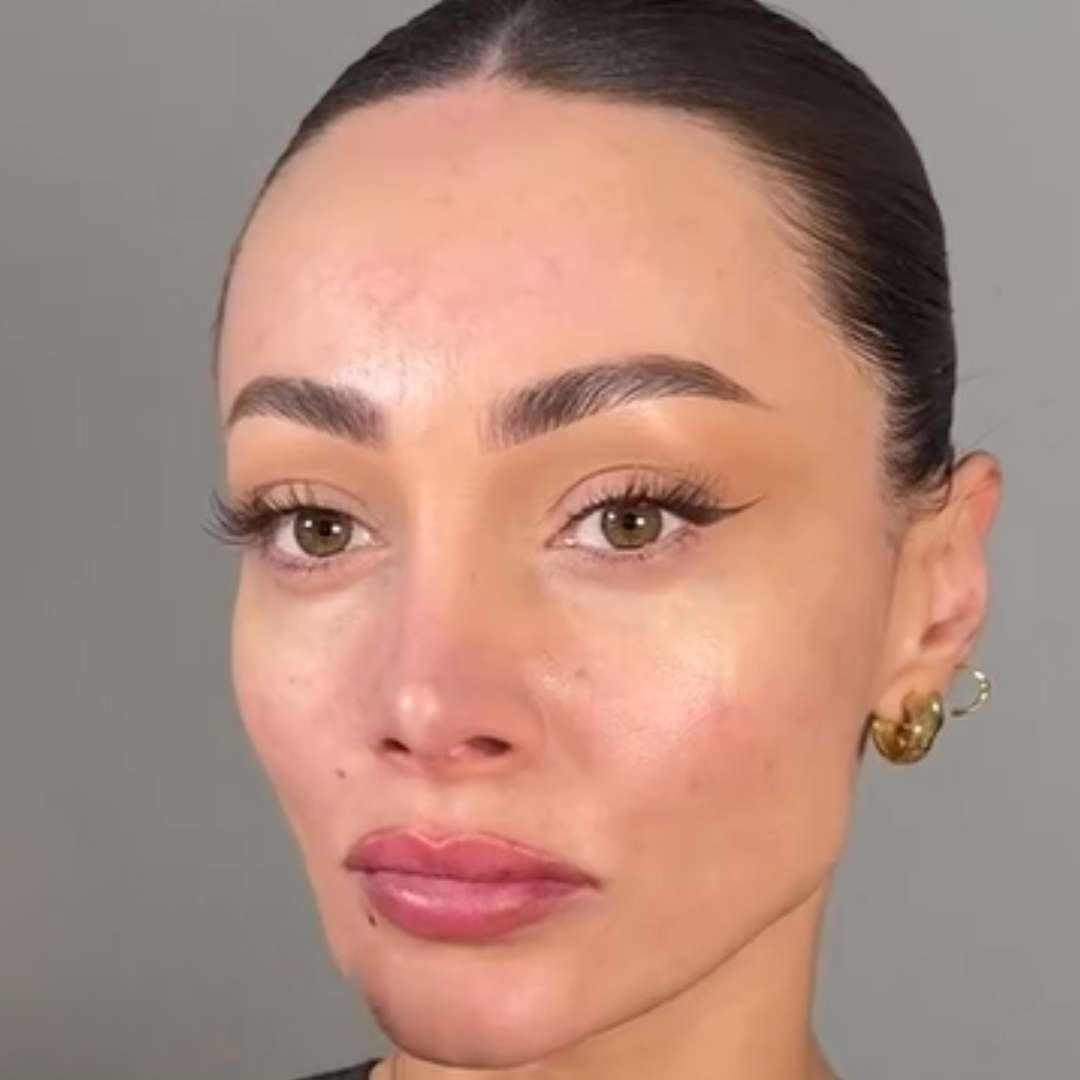
Lydia Fowler's Rhinoplasty Recovery Timeline




Factors that can affect Rhinoplasty Swelling
Weather and heat exposure
Hot weather can temporarily increase swelling after rhinoplasty, particularly during the first few weeks of recovery. Higher temperatures cause blood vessels to widen (dilate), which can lead to increased swelling and inflammation. Spending prolonged periods in direct sunlight may also increase the risk of skin pigmentation changes around the treated area.
Professor Ullas Raghavan explains:
"Heat causes blood vessels to dilate, leading to increased swelling, inflammation and a greater possibility of pigmentation changes in the operated area. Dehydration can also slow recovery. To support healing, avoid direct sunlight, stay in cool environments and drink plenty of water."
If you're recovering during the summer months or travelling to a warm climate, take extra care to stay hydrated, avoid strenuous activity in the heat and protect your nose from direct sun exposure. Following these simple precautions can help minimise swelling and support a smoother recovery.
Open vs Closed Rhinoplasty
The surgical technique used can influence how much swelling you experience and how long it takes to settle. Both open and closed rhinoplasty achieve excellent results, but because open rhinoplasty involves a small incision across the columella (the strip of tissue between the nostrils), it typically causes more swelling in the early stages of recovery.
Closed rhinoplasty is performed through incisions inside the nose, which may result in less initial swelling and a slightly quicker recovery for some patients. However, every patient's healing process is different, and your surgeon will recommend the technique that is best suited to your anatomy and treatment goals.
Skin thickness
Your skin thickness can have a significant impact on how your nose heals after rhinoplasty. Patients with thicker skin often experience more prolonged swelling, particularly around the tip of the nose, as the skin takes longer to adapt to the new underlying structure.
Those with thinner skin may notice swelling resolves more quickly, but even subtle irregularities can be more visible during the healing process. Regardless of your skin type, it's important to remember that swelling can continue to improve for up to 12 months and your final results will become more apparent as your nose continues to heal.
Smoking and alcohol
Smoking and alcohol can both affect your recovery after rhinoplasty. Smoking restricts blood flow and reduces the amount of oxygen reaching healing tissues, which can slow recovery and increase the risk of complications such as infection or poor wound healing.
Alcohol, particularly in the first few weeks after surgery, can dilate blood vessels and contribute to increased swelling and bruising. To give your body the best chance of healing, your surgeon will usually recommend stopping smoking several weeks before and after surgery and avoiding alcohol until you have been advised it is safe to resume.
Signs of normal healing vs complications
| Normal | Contact your surgeon |
| Mild bleeding | Heavy bleeding |
| Bruising | Fever |
| Tip swelling | Severe pain |
| Congestion | Increasing redness |
How to aid the Rhinoplasty recovery process
To ensure a smooth recovery after your Rhinoplasty, it’s essential to follow your surgeon’s post-operative instructions diligently. Patience is key; rushing back into your usual routine can lead to complications and prolonged healing. During the early stages, avoid blowing your nose, as this can increase pressure and disrupt the healing tissues. Instead, opt for saline nasal sprays to keep your nasal passages moist. Additionally, refrain from placing any pressure on your nose, whether from glasses or touching, until cleared by your surgeon.
Keeping your head elevated while sleeping can help reduce swelling, and applying cold compresses can alleviate discomfort in the initial days post-surgery. Staying hydrated and eating a balanced diet will also support your body’s healing process. Regular follow-up appointments are crucial for monitoring your progress and addressing any concerns. Remember, every patient’s recovery timeline is unique, so listen to your body and consult your surgeon if anything feels amiss. By prioritising self-care and adhering to medical guidance, you can help ensure a successful recovery and optimal results from your Rhinoplasty.
Find out more about our industry leading aftercare
In conclusion, the recovery process after Rhinoplasty varies for each patient, and understanding the stages of healing can help set realistic expectations. At Pall Mall, we prioritise personalised care, providing comprehensive support throughout your journey, from preoperative consultations to post-surgery check-ups. Our dedicated team is here to ensure your recovery is as smooth as possible. If you have questions about the Rhinoplasty procedure or would like to discuss your options, book a free, no obligation consultation and take the first step towards achieving your desired results.
Last Updated: July 7th 2026
Enquire about Rhinoplasty
A member of our team will be in touch with you to discuss your requirements.