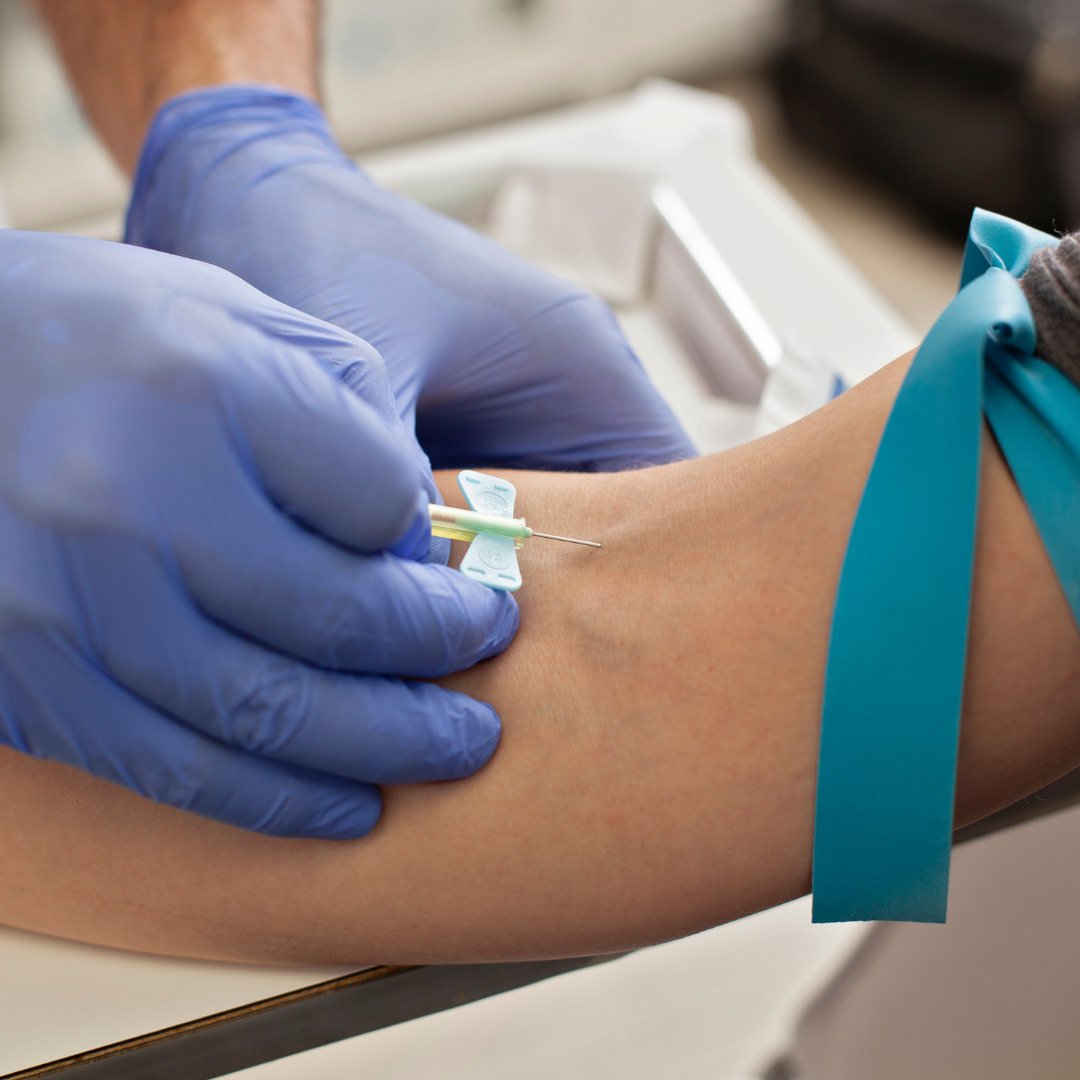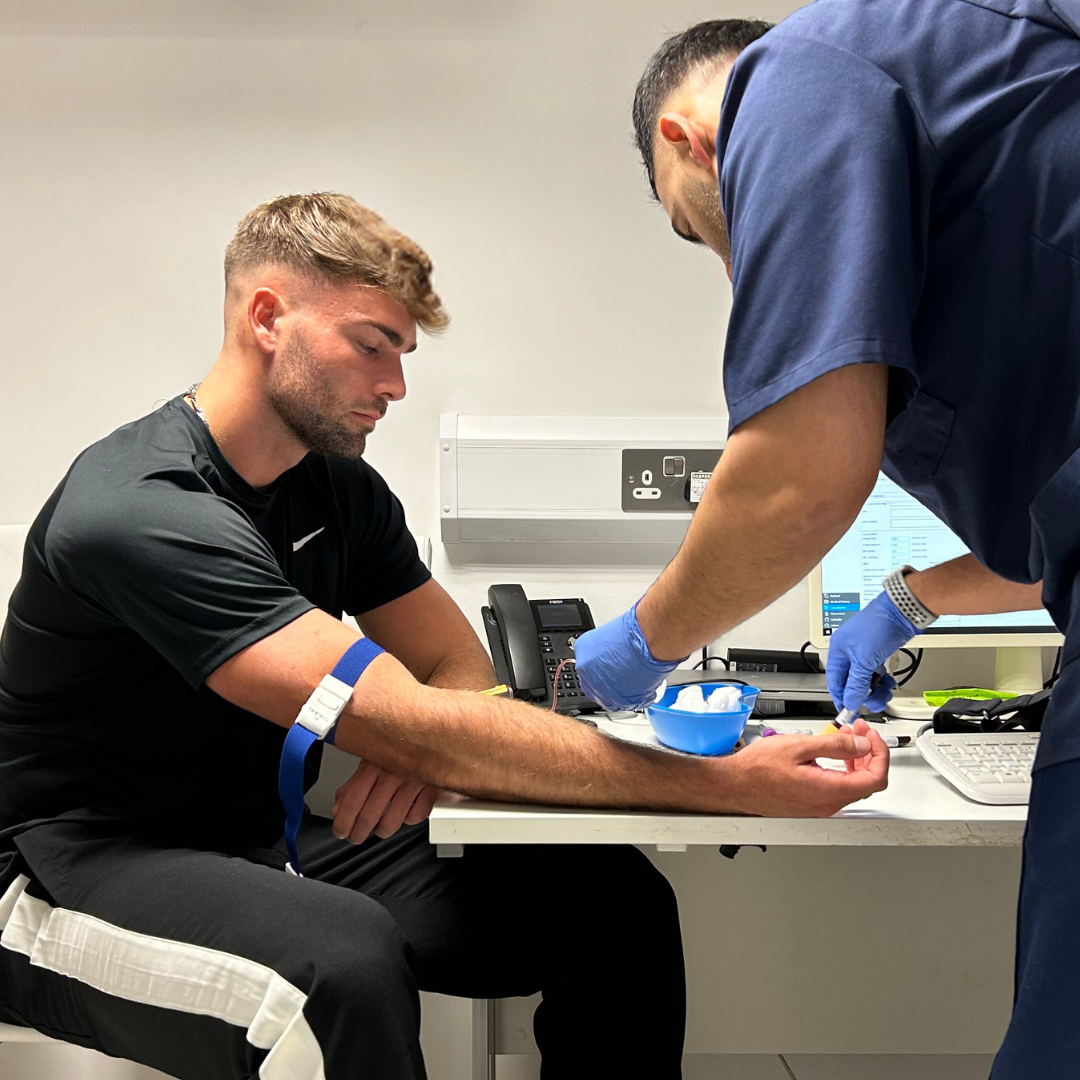
Book a liver function test (LFT) at our Liverpool, Manchester or Newton-le-Willows clinics for fast results in a comfortable, private setting.
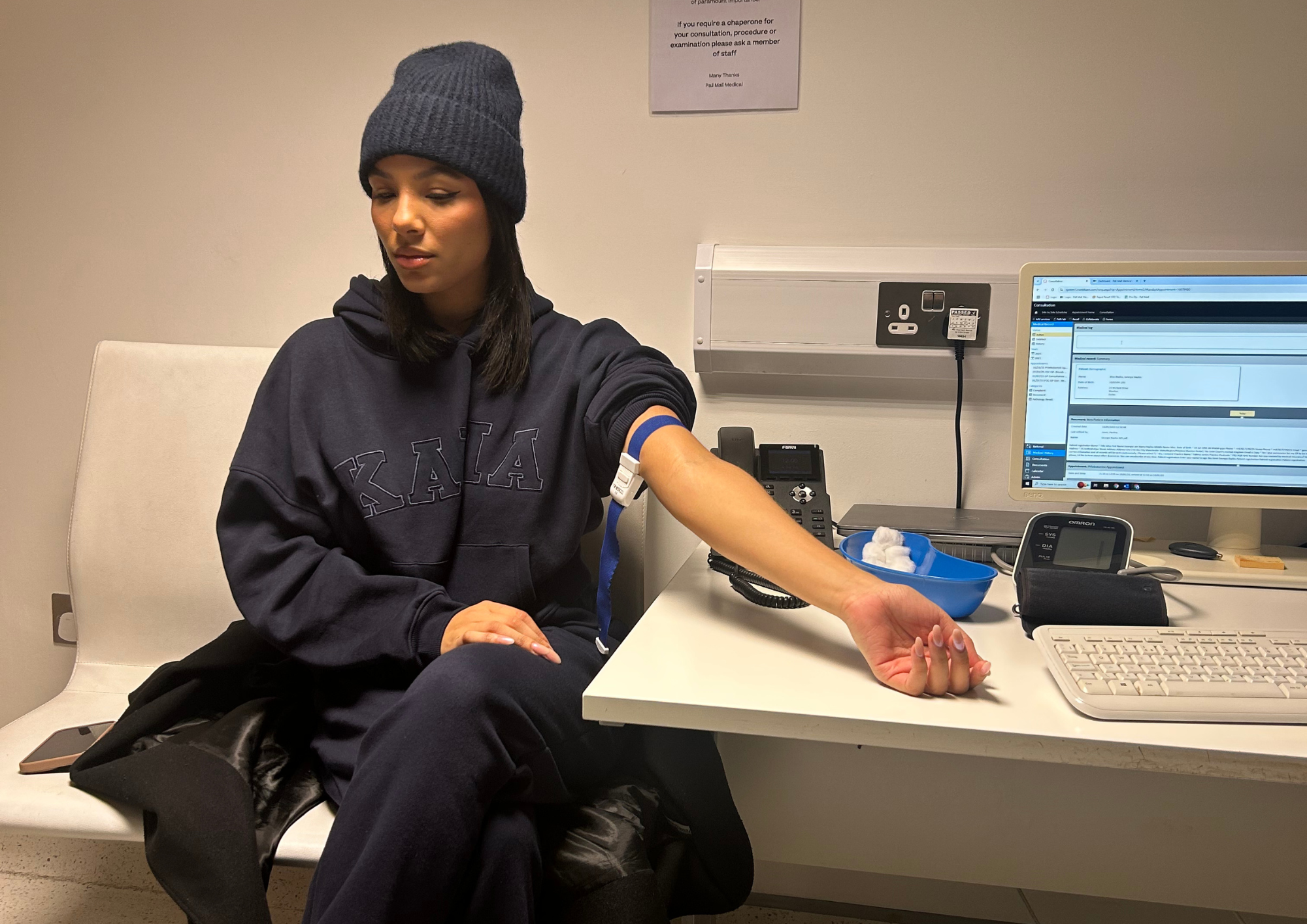
Liver Function Blood Tests
- North-West clinics
- Expert-in clinic blood testing
- Lab-certified results within days
- Next day appointments
- Prices from £41
What’s included in a liver function test?
Here’s what we’re looking at — and what it can tell us about you:
| Blood test | What it helps assess |
| ALT (alanine aminotransferase) | This is an enzyme mainly found in your liver. If levels are raised, it can be a sign your liver cells are under strain or damaged — often seen in conditions like fatty liver or hepatitis. |
| AST (aspartate aminotransferase) | This enzyme is found in the liver and other parts of the body, like your muscles. We look at it alongside ALT to better understand what’s going on. Higher levels can point to liver injury, but on its own it’s less specific |
| ALP (alkaline phosphatase) | This is linked to your bile ducts — the pathways that help move bile through your liver. |
| GGT (gamma-glutamyl transferase) | This helps us confirm whether a raised ALP is coming from the liver. |
| Bilirubin | This is a yellow pigment produced when red blood cells break down. |
| Albumin | A protein your liver makes. Lower levels can suggest your liver isn’t working as well as it should, especially over time. |
| Globulin | Measures the levels of globulin protein in the blood serum. Abnormal levels can indicate liver function issues, inflammation or liver disease. |
| Total Protein | This measures the overall protein levels in your blood. |
What can these tests help with?
These blood tests help to identify and monitor a range of conditions, including:
Fatty liver disease
Viral hepatitis
Alcohol-related liver disease
Inflammation or liver damage
Bile duct problems
The effects of certain medications
They’re also useful for keeping track of known liver conditions, so you can stay in control of your health.
If your results are abnormal
Seeing an unexpected result can feel worrying - but it doesn’t always mean something serious. Mild changes are quite common and can be influenced by things like:
- Medication
Alcohol
Exercise
Short-term illness
Often, the next step is simply to repeat the test or look a little deeper.
We always look at your results in the context of you — your symptoms, your history, and any other tests you’ve had.
What happens next if needed?
If your results need a closer look, we may recommend:
A repeat blood test
An ultrasound or liver MRI
More specific tests for certain liver conditions
We’ll guide you through this clearly, so you always know what’s happening and why.
Your next steps
If you’re thinking about liver testing — or you’ve already had results — the most important step is talking them through with a clinician.
That way, you can understand:
What your results really mean
Whether anything needs follow-up
What you can do next

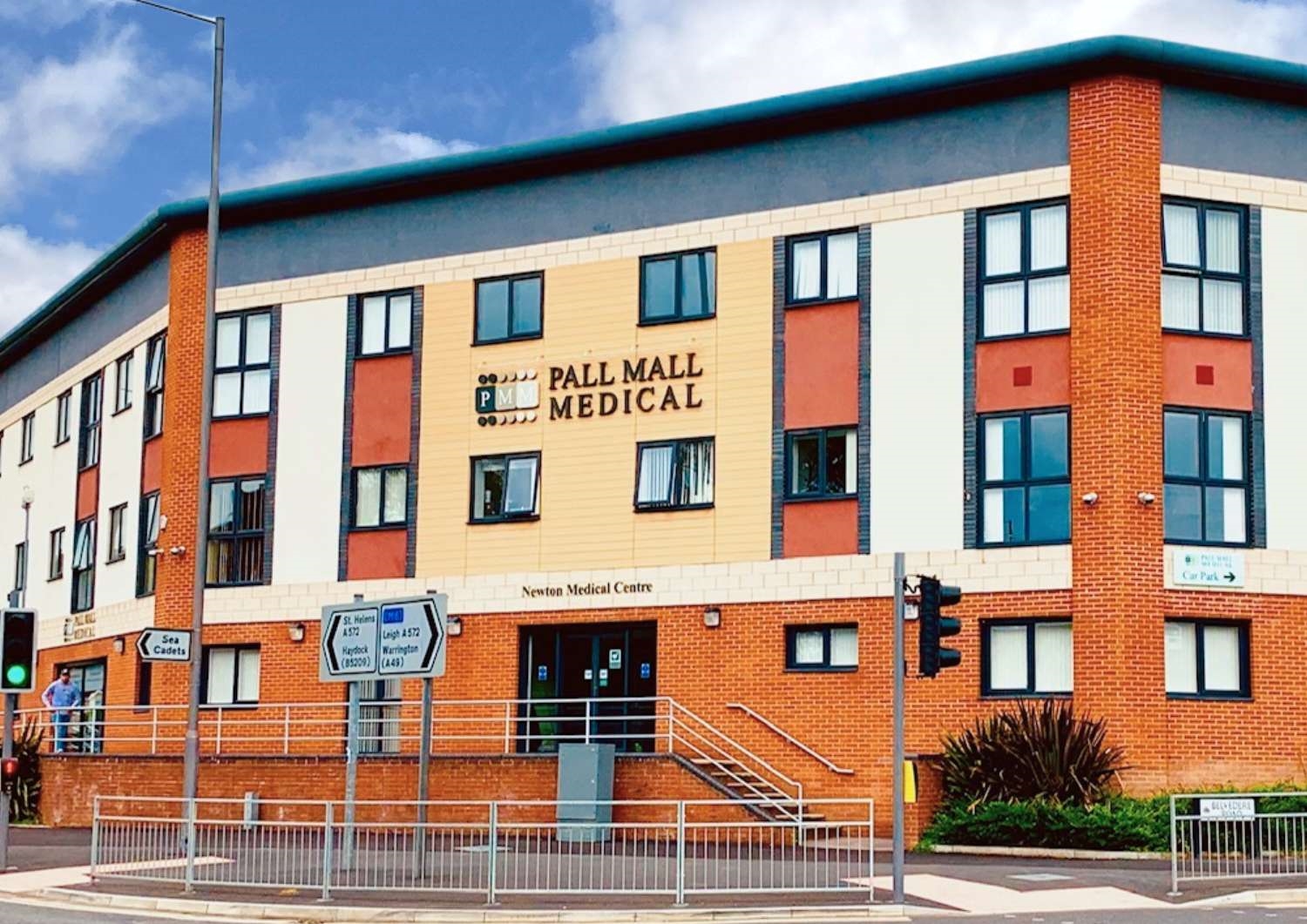

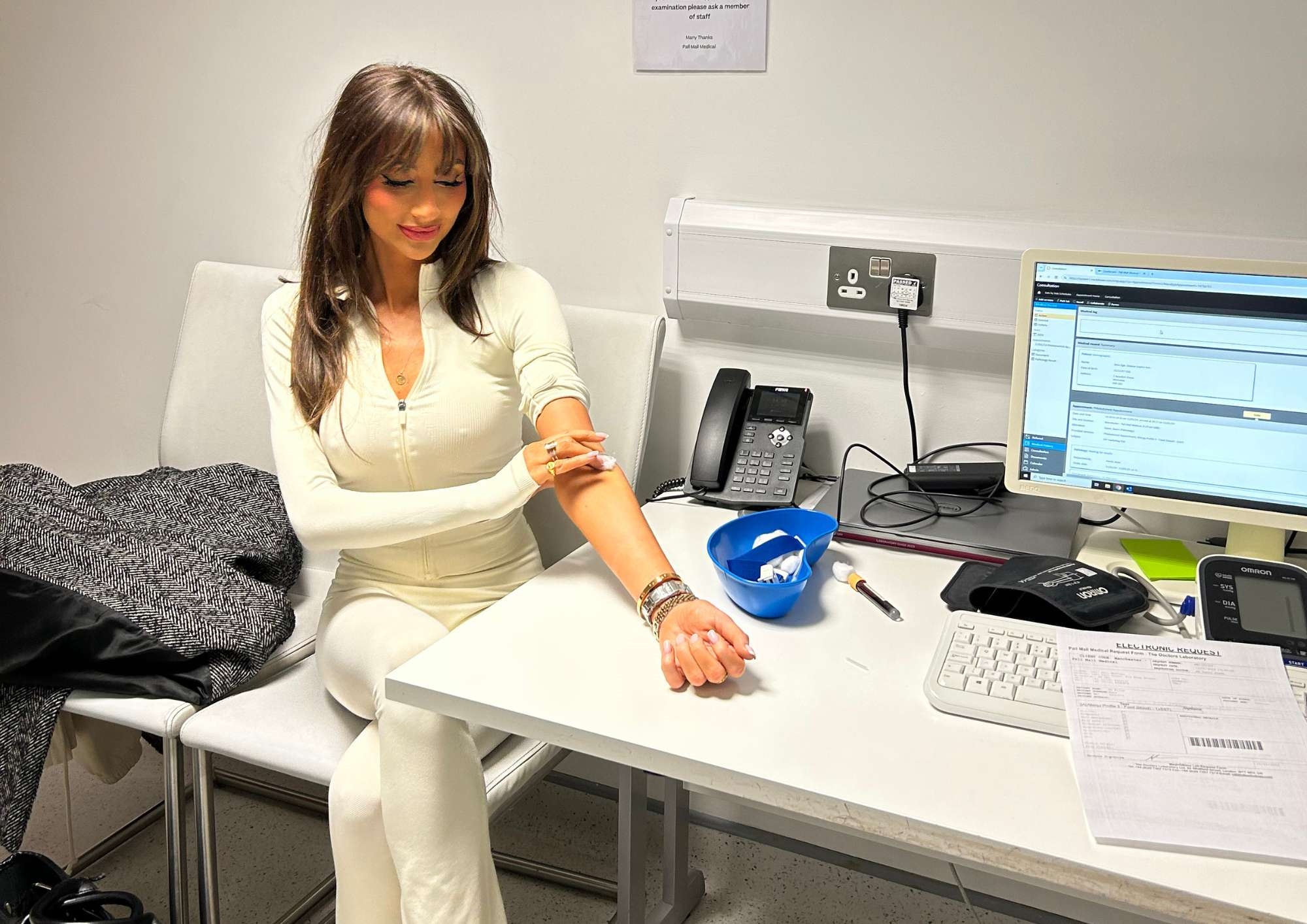
Why trust us with your blood test
At Pall Mall Medical, we offer fast access to private blood testing with next-day appointments available across our North West clinics.
Your sample is analysed by accredited laboratories, and you'll receive reliable results within days. If further investigation or treatment is needed, our experienced GPs and healthcare professionals can guide you through the next steps, helping you get answers quickly without long waiting times.
- Expert Care: Our highly skilled, friendly nurses ensuring a painless & perfect sample every time.
- Peace of Mind: Our team is there to support you, answer questions, and put you at ease.
- Expert In-Clinic Care: Professional sample collection. No finger-prick struggles or spoiled samples.
- Huge Selection of tests: Access to a vast range of comprehensive, lab-certified health profiles.
- Same-Day Lab Arrival: We use a dedicated courier to get your samples to the lab the same day they are taken.
- Rapid Turnaround: Faster processing means you get your answers sooner, specifically catering to time-sensitive biomarkers.
Frequently Asked Questions.
What is a liver function blood test?
A liver function blood test (LFT) measures several substances in your blood to assess how well your liver is working. It can help identify signs of liver inflammation, liver damage, infection or conditions affecting the liver and bile ducts.
Why might I need a liver function blood test?
Your clinician may recommend a liver function blood test if you're experiencing symptoms such as ongoing tiredness, abdominal pain, yellowing of the skin or eyes (jaundice), dark urine, unexplained itching or nausea. It may also be used to monitor an existing liver condition or check for side effects of certain medications.
Do I need to fast before a liver function blood test?
In most cases, you do not need to fast before a liver function blood test. However, if your test is being carried out alongside other blood tests, such as a cholesterol or glucose test, your clinician may ask you to avoid eating beforehand.
When will I receive my liver function blood test results?
Most results are available within a few working days. Your clinician will explain what your results mean and whether any further investigations or treatment are recommended.
Can alcohol affect my liver function blood test results?
Yes. Drinking alcohol, particularly in the days leading up to your test, can affect some liver enzyme levels. It's best to follow any instructions provided by your healthcare professional before your appointment.
What does an abnormal liver function result mean?
Abnormal results do not always mean you have liver disease. They can be caused by factors such as medications, alcohol consumption, infections or temporary inflammation. Your clinician will review your results alongside your symptoms and medical history and advise if any further tests are needed.
What does a liver function blood test check for?
A liver function blood test can help identify signs of a range of conditions, including fatty liver disease, hepatitis, alcohol-related liver disease, bile duct problems and liver inflammation. Abnormal results don't always indicate liver disease and may require further investigation to determine the underlying cause.
Can a liver function test detect fatty liver?
Not on its own. A liver function test can show raised liver enzymes (like ALT and AST), which may point towards fatty liver disease, but it can't confirm a diagnosis — enzyme levels can even be normal in some people with fatty liver. If fatty liver is suspected, it's usually confirmed with an ultrasound scan, alongside your blood test results.
Book a Private Blood Test
A member of our team will be in touch with you to discuss your requirements.