Menu Menu

Private Smear Test & Cervical Screening | From £245

  • No waiting times
  • Choice of Clinician
  • Confidential care
  • Fast results

Looking after your cervical health is an important part of looking after your wellbeing. At Pall Mall, we offer private cervical screening appointments in a supportive, confidential setting, with experienced healthcare professionals who understand that the experience can feel personal or daunting.

Whether you're looking for a private smear test, have questions about HPV or would prefer to arrange an appointment at a time that suits you, our team is here to help you understand your options.

What is a cervical screening test?

Cervical screening, commonly known as a smear test, helps prevent cervical cancer by checking for high-risk human papillomavirus (HPV). Some types of HPV can cause changes to the cells of the cervix, which may develop into cancer over time if left untreated.

During the test, a healthcare professional takes a small sample of cells from your cervix using a soft brush. The sample is tested for high-risk HPV and, if HPV is found, may also be checked for abnormal cell changes.

Cervical screening is not a test to diagnose cervical cancer. It helps identify people who may need monitoring or further investigation so that potentially harmful cell changes can be managed early.


Why choose a private smear test?

If you'd prefer to arrange cervical screening privately, Pall Mall can help you explore the available options.

Our private service offers:

  • Choice of clinician: Ask about appointments with a nurse, GP or consultant gynaecologist, subject to availability.

  • Flexible appointments: Contact our team to discuss suitable appointment times.

  • A supportive approach: Your clinician can explain the procedure, answer your questions and help you feel as comfortable as possible.

  • Clear next steps: Your results and any recommended follow-up will be explained to you.

  • Convenient locations: Choose from our available clinics in Manchester, Liverpool and Newton-le-Willows.

Private screening does not replace NHS screening invitations or guarantee that further investigations will be completed more quickly. Our team can explain the service, costs and follow-up arrangements before you book.

Latest guidelines

Our private smear tests include screening for HPV (Human Papillomavirus) using the same sample, minimising any additional discomfort. Detecting high-risk HPV, which is associated with an increased risk of developing cervical cancer, allows us to identify women who may be at risk and provide timely care.

Before booking your appointment, please make sure you:

  • are not menstruating or have any vaginal bleeding

  • have not had a PAP smear in the last 12 weeks

  • have not had an IUD removed/inserted in the last 4 weeks

  • have not had cervical/high vaginal swabs in the last 4 weeks

  • have not had a miscarriage/termination in the last 12 weeks

  • are not pregnant under 14 weeks

  • have not had a transvaginal ultrasound scan within the past 2 weeks

It is also recommended to refrain from sexual intercourse for 3-4 days prior to a smear test.

Who should consider cervical screening?

In England, eligible women and people with a cervix aged 25–64 are routinely invited for NHS cervical screening, generally every five years. Your recommended follow-up may differ depending on your previous results and clinical history.

You may wish to discuss private screening with a healthcare professional if you have questions about your screening history, are unsure when you are next due or want to understand the options available to you.

If you're experiencing unusual vaginal bleeding, bleeding after sex, persistent unusual discharge or other concerning symptoms, contact a healthcare professional for assessment rather than booking a routine screening test alone. Symptoms need to be assessed on their own merits, even if you've had a recent normal screening result.

What happens during a smear test?

What happens during a smear test?

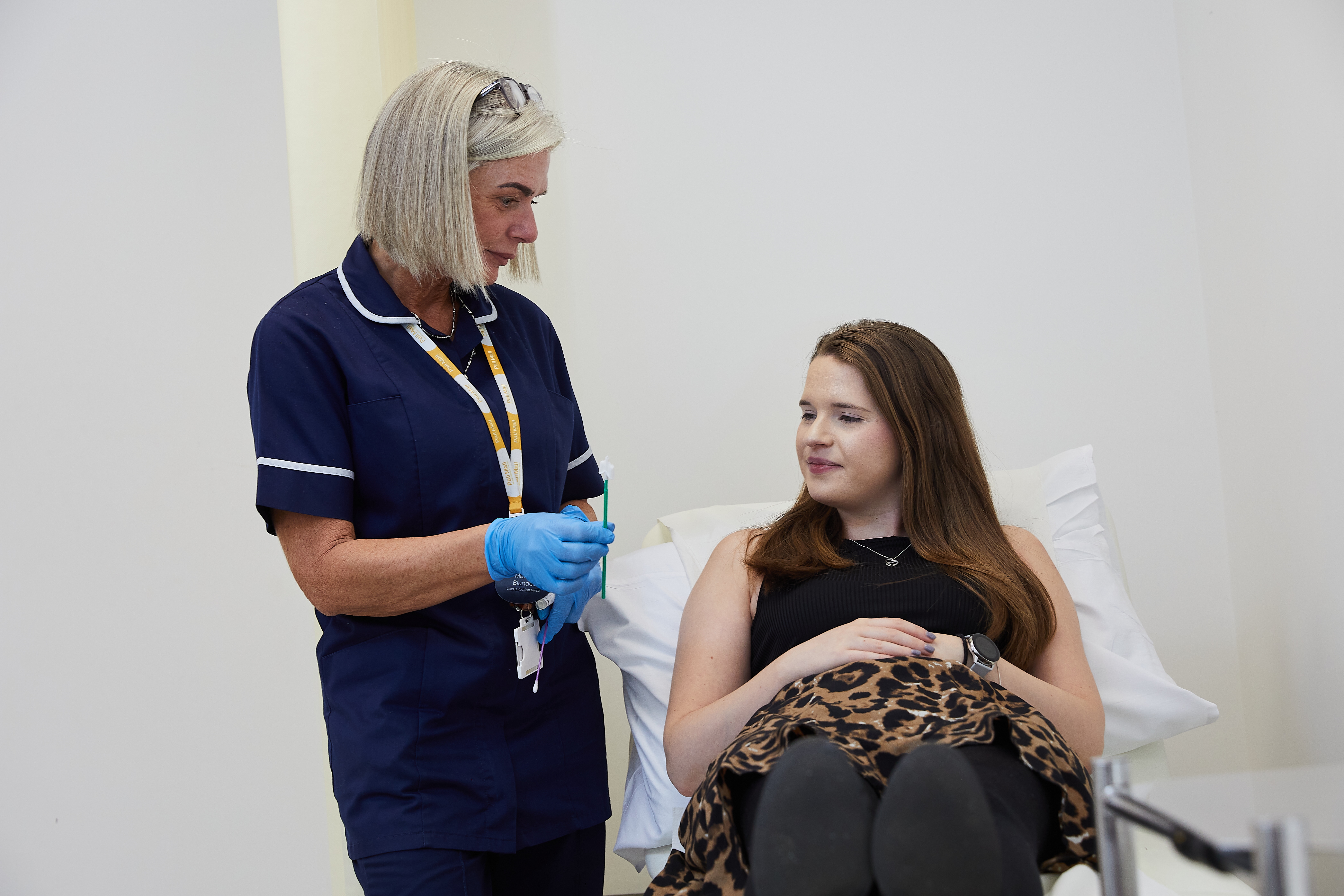
Your appointment will begin with a conversation about your health and any questions or concerns you may have.

During the test:

  1. You'll be asked to lie on an examination couch, usually with your knees bent.

  2. Your clinician will gently insert a speculum into your vagina to see your cervix.

  3. A small, soft brush is used to collect a sample of cells from the cervix.

  4. The sample is sent to a laboratory for testing.

The procedure usually takes only a few minutes. You may feel some pressure or discomfort, but experiences vary. You can let your clinician know if you're nervous or uncomfortable, and they can explain each step and discuss ways to help you feel more at ease.

How should I prepare for a smear test?

Your clinic will provide advice based on its procedure and your individual circumstances. Before booking, let the team know if you're pregnant or might be pregnant, have vaginal bleeding, have recently had a cervical test or procedure, or have any other relevant medical concerns.

If you're due to have your period, contact the clinic to check whether you should rearrange your appointment. Follow the specific preparation instructions provided by your clinician, as recent procedures or other circumstances may affect when your test should take place.

Understanding your cervical screening results

Your results will explain whether high-risk HPV was detected and whether any abnormal cell changes were identified.

  • HPV not detected: This is reassuring and usually means your risk of cervical cancer is very low. Your clinician will advise when you should next be screened.

  • HPV detected, with no abnormal cell changes: HPV is present, but no abnormal changes have been identified in the sample. Further monitoring may be recommended.

  • HPV detected, with abnormal cell changes: Your clinician may recommend further assessment, which could include a colposcopy.

  • Inadequate sample: Sometimes a sample does not provide a clear result, and another test may be needed.

An HPV-positive result does not mean you have cervical cancer. HPV is common, and many infections clear naturally. If further investigation is recommended, your clinician will explain what happens next and how to arrange appropriate follow-up.

Meet our GPs

Meet our team of highly experienced GPs and nurses, specialists in performing cervical smear tests. With years of expertise and a compassionate approach, they prioritise your comfort and wellbeing throughout the process.

Pall Mall Fallback Image

Dr Chun Tang

Medical Director | 20 years experience
GP Appointments
Manchester City Centre
Find out more
Pall Mall Fallback Image

Dr Simon Theobalds

General Practitioner
GP Appointments
Newton-le-Willows, Manchester City Centre
Find out more
Pall Mall Fallback Image

Dr Afrah Khattak

General Practitioner
GP Appointments
Find out more
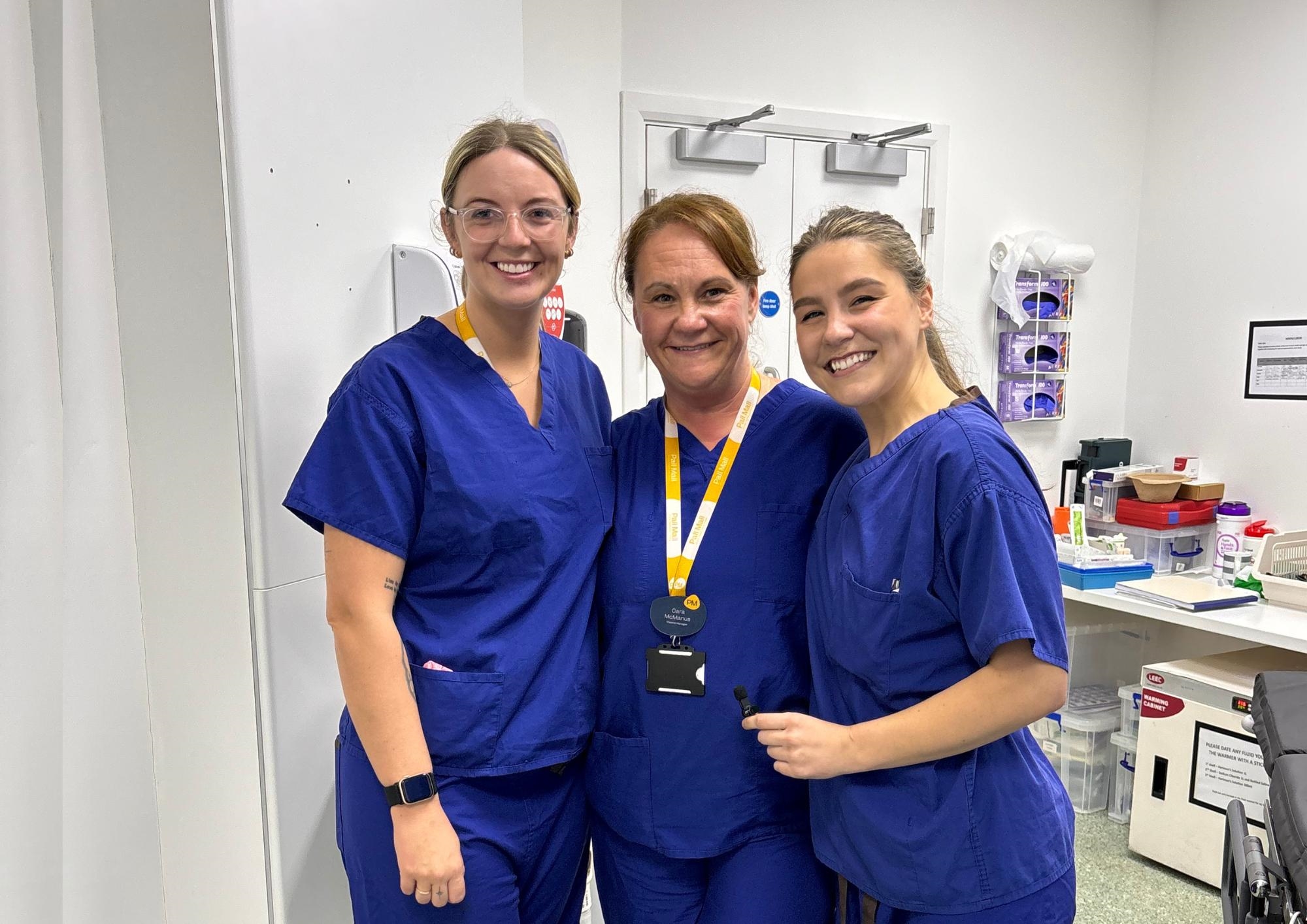
Pall Mall Nurses at Newton-le-Willows

Why Choose Pall Mall?

At Pall Mall Medical, your health, comfort and peace of mind come first. We provide professional, confidential and personalised cervical screening in a supportive environment, helping you feel comfortable and informed at every step. 

Your cervical health matters. Choose Pall Mall Medical for professional care, convenience and peace of mind.

  • Experienced Medical Professionals: Receive care from experienced GPs, nurses and consultant gynaecologists.
  • Flexible Appointments: Access convenient same-day and next-day appointments, without lengthy waiting lists.
  • Your Choice of Clinician: Choose a female nurse, male or female GP, or consultant gynaecologist.
  • Fast Results: We aim to deliver your screening results within one week.
  • Patient-Focused Care: Enjoy a confidential, compassionate and professional service tailored to your needs.
  • Trusted Healthcare: Benefit from CQC-regulated services and a commitment to high standards of patient care.

We're proud to deliver 5-star care to our patients every year

This is why our patients rate us Excellent on Trustpilot.

Book a private smear test at Pall Mall Medical

If you'd like to arrange a private smear test or have questions about cervical screening, our team is here to help.

We can explain the available appointments, the cost of testing and what to expect during your visit, so you can make an informed decision about your care.

Contact Pall Mall Medical to discuss your options or arrange an appointment at one of our clinics.

Frequently asked questions

Our expert team is always on hand to help, advise and arrange appointments with our GPs, Nurses, and specialist consultants.

When is it best to have a smear test?

The best time to have a smear test is when you're not menstruating, as this helps ensure the test is more accurate. We would advise that you book your test midway through your menstrual cycle, typically 1-2 weeks after the first day of your period.

How often should I have a smear test?

The NHS invites women aged 25 to 49 for cervical screening every three years, and women aged 50-64 every five years. If your test results are normal - or HPV negative - we would recommend following the NHS guidance and booking your next test in 3-5 years.

What happens if I miss a test?

If it’s been more than 3-5 years since your last cervical smear, we recommend booking a test to help ensure you're staying on top of your health and reducing the risk of cervical cancer.

If you’ve already booked a test with Pall Mall and need to cancel it, please call us to let us know at least 48 hours prior to your appointment.

How should I prepare for a smear test?

There’s not much you need to do to prepare for a cervical screening, but we recommend you avoid having a smear if any of the below relate to you:

  • You are menstruating (on your period)

  • You are having vaginal bleeding

  • You have had an IUD inserted or removed within the past 12 weeks

  • You have had another smear test within the past 12 weeks

  • You are pregnant or suspect to be pregnant

  • You have had a miscarriage, termination or given birth within the past 12 weeks (natural or C-section)

  • You have had a high vaginal / cervical swab taken in the past 12 weeks (low vaginal self swabs are fine)

  • You had a transvaginal ultrasound scan in the last 2 weeks.

We do also advise patients that it is preferred that you avoid any sexual intercourse for 2 weeks prior to your smear test - where possible.

We know this can be a sensitive or embarrassing subject and you are more than welcome to ask our team any other questions about having a private smear.

What if my smear test results are abnormal?

If you receive an abnormal smear result, it can be worrying, but abnormal results are not uncommon and don’t necessarily mean you are at risk of developing cervical cancer. One in every 20 women are told they have an abnormal smear and are referred for a colposcopy. Often, this simply involves a close examination of your cervix (the neck of your womb) with a colposcope and a small sample (biopsy) to rule out pre-cancer.

What is human papilloma virus (HPV)?

The majority of abnormal smears are caused by a virus known as human papilloma virus (HPV). This virus infects 80% of the population by the age of 50 years and is transmitted through sexual contact. With a new combined test for HPV done alongside your smear, you can have the best chance to get reassurance and peace of mind.

Our Consultant Gynaecologists are also available to perform a private colposcopy to investigate your results more closely if needed.

Should I have a smear test while pregnant?

It can be difficult to get clear results from a smear test while you’re pregnant, so the advice is to wait until three months after you’ve given birth to have your next test.

Can I get a smear test on the NHS?

The NHS offers cervical screening to women aged 25 to 64. If you are outside of this age range and want a smear test, you will need to get one through a private medical provider like Pall Mall.

Enquire About Our Services

A member of our team will be in touch with you to discuss your requirements. 

I agree to receive advice, offers and news by email and SMS in accordance with our privacy policy