Menu Menu

Cryotherapy: How It Works, What It Treats & What to Expect

We understand that a stubborn wart, a troublesome skin tag, or a mole you're not quite sure about can sit at the back of your mind far longer than it should.

The same is true of a scar you'd like to see softened or faded. Cryotherapy isn't just for warts and skin tags; it can also be used on certain raised or keloid scars, freezing the scar tissue to help reduce its size and ease symptoms like itching or discomfort, sometimes alongside other scar treatments for the best result.

At Pall Mall, we believe you shouldn't have to wait around for peace of mind. Our consultant dermatologists perform cryotherapy in our private clinics, offering prompt, consultant-led care in a comfortable setting with no referral, no waiting list, just a straightforward path to feeling reassured, on a schedule that works around you.
Cryotherapy Finder

Is cryotherapy right for you?

Answer four quick questions and we'll address your biggest question and point you to the right next step — no referral needed.

Step 1 of 4 Your interest

This tool offers general guidance about cryotherapy — it does not replace a clinical assessment. A clinician will confirm suitability for your specific skin concern during your appointment. For urgent skin changes, contact your GP or NHS 111.

What is Dermatological Cryotherapy?

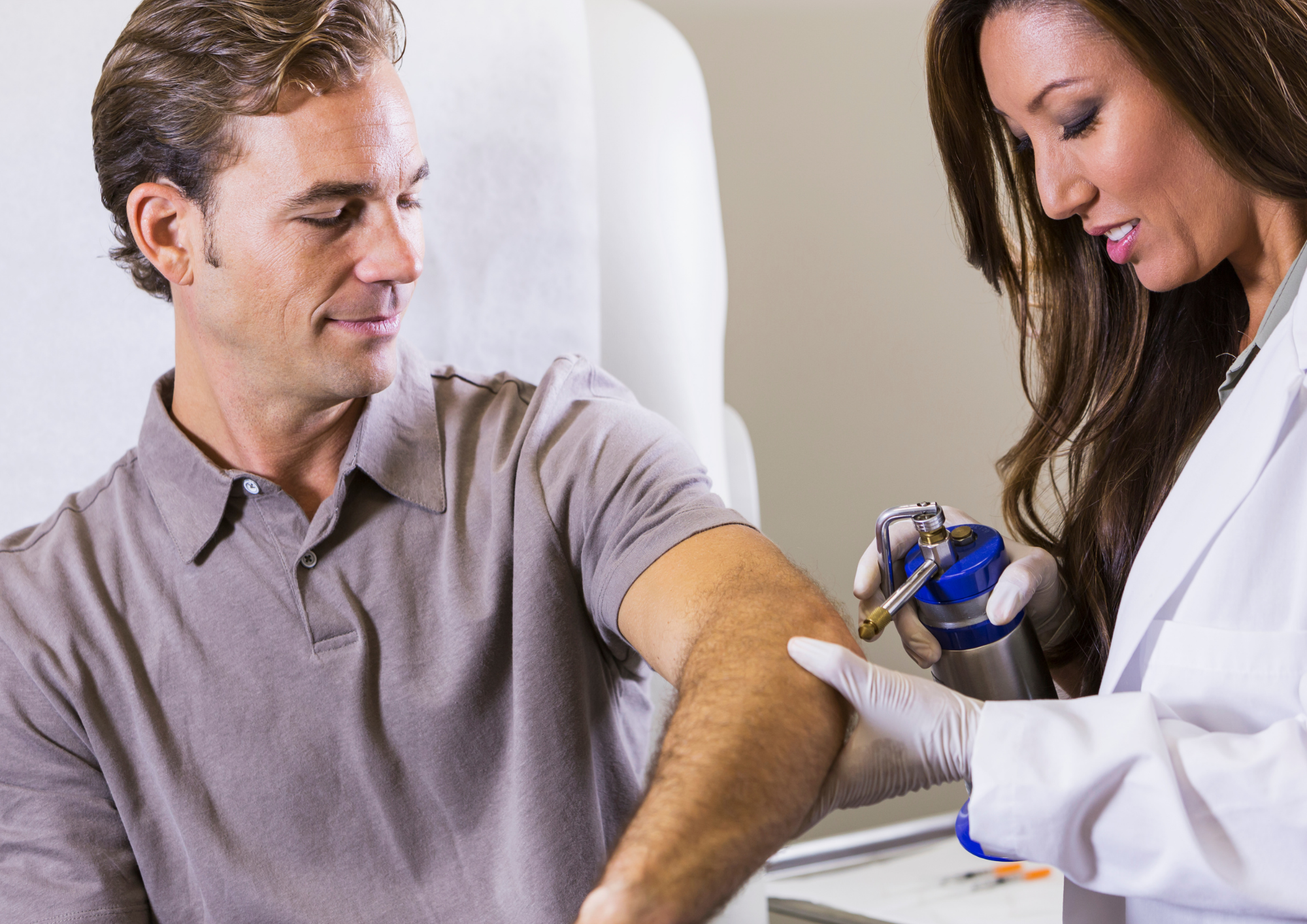
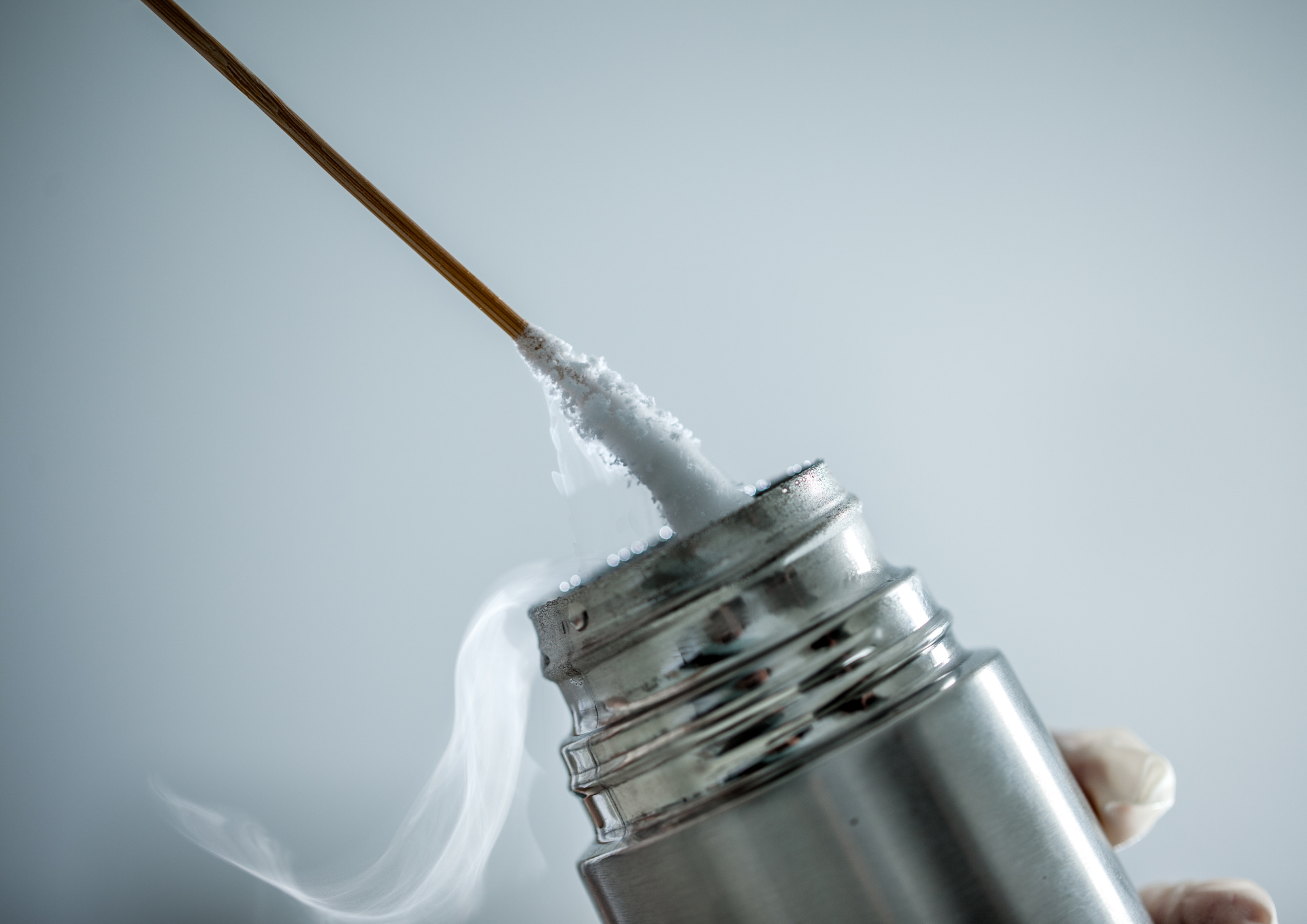
In dermatology, cryotherapy involves applying controlled, sub-zero cold directly to targeted skin tissue. The primary agent used is liquid nitrogen, which boils at an astonishing -196°C (-320°F).

When this extreme cold contacts the targeted skin cells, it causes water inside and around the cells to freeze rapidly, forming sharp ice crystals. This process breaks down the cell walls of the abnormal tissue, causing the targeted spot to die off so healthy new skin can form underneath.

What is Liquid Nitrogen?

Liquid nitrogen is simply the liquid form of nitrogen gas, the same gas that makes up around 78% of the air we breathe every day. What makes it so effective for treatment is its extreme cold: it boils at minus 196°C, cold enough to freeze and gently destroy the targeted skin cells it touches. Because of these properties, it's carefully stored and transported in specialist flasks, and handled with the appropriate care throughout your treatment. 

What Skin Conditions Does Cryotherapy Treat?

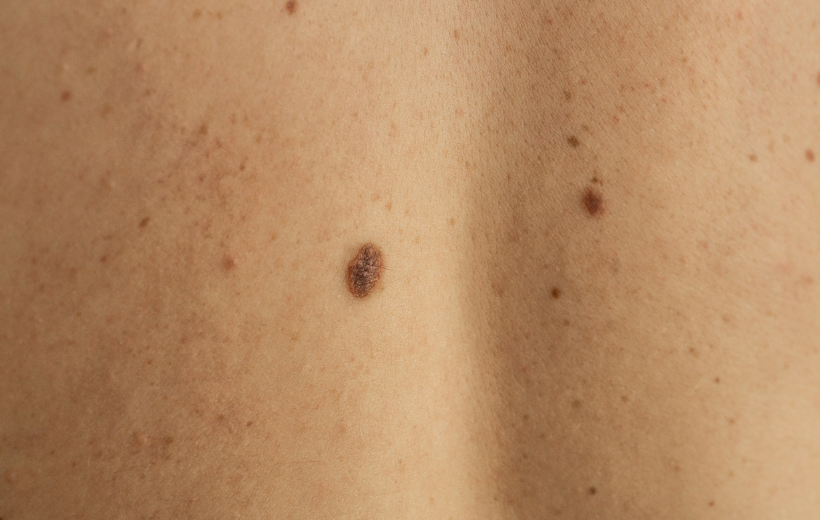
Important Safety Note: Cryotherapy is not suitable for all skin lesions. If a dermatologist suspects a lesion could be a malignant skin cancer (such as melanoma), they will perform a surgical biopsy first rather than freezing the area.

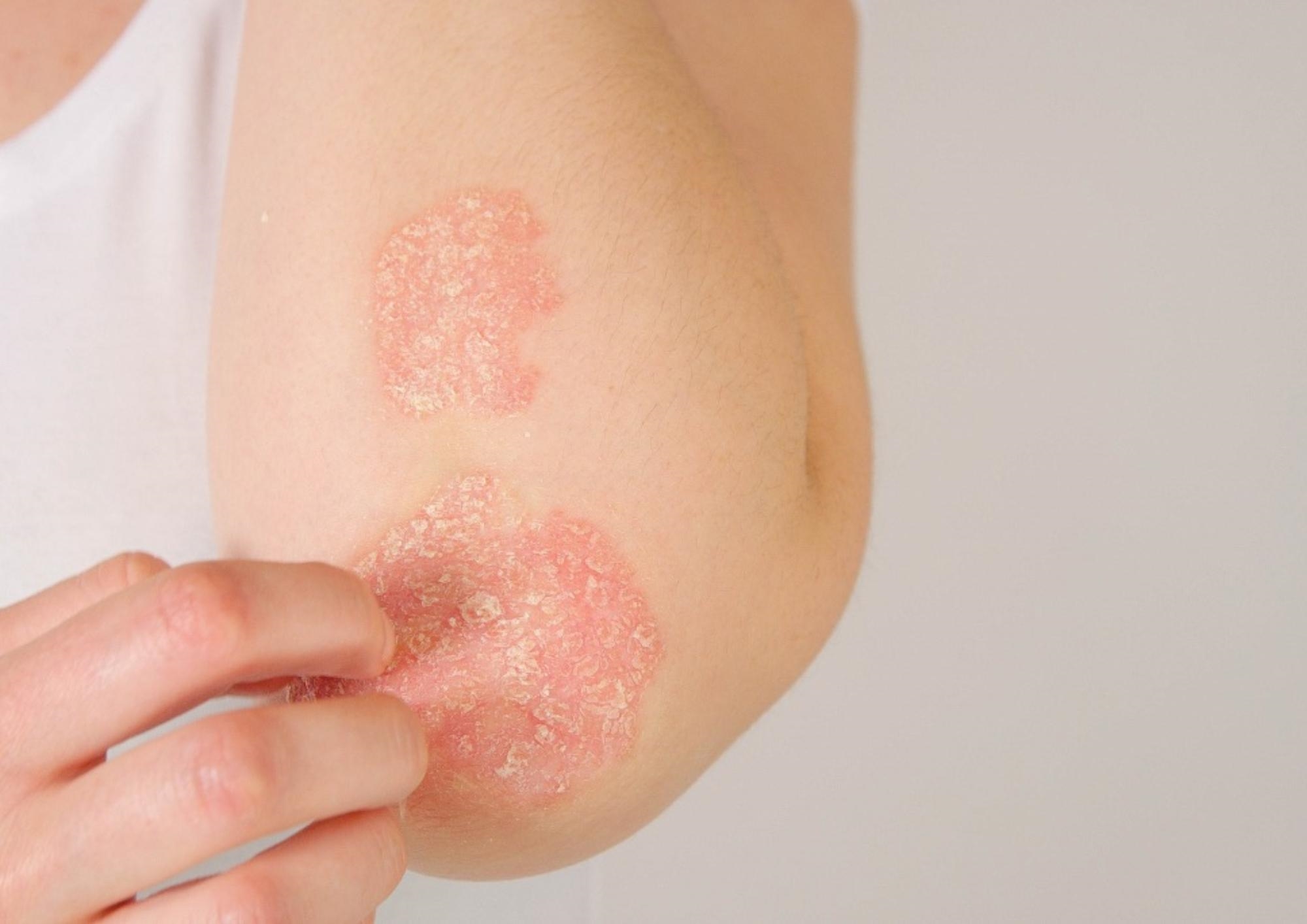
Cryotherapy is particularly effective for small, benign (non-cancerous) or pre-cancerous surface lesions. At Pall Mall Medical, consultant dermatologists commonly use cryotherapy to treat:

Viral Warts & Verrucas

Stubborn skin growths caused by the Human Papillomavirus (HPV).

Actinic Keratoses

Rough, scaly, sun-damaged patches that are considered pre-cancerous and require prompt removal.

Seborrhoeic Keratoses

Harmless, raised, brown or black skin growths that often appear as we age.

Skin Tags (Molluscum Contagiosum / Acrochordons)

Small, soft overhangs of skin that form around neck folds, underarms, or groin areas.

Hypertrophic Scars

Raised post-surgical tissue (such as tummy tuck scars) to break down excess collagen clusters and soften texture.

What Happens During the Procedure?

A cryotherapy session at Pall Mall Medical is straightforward and usually completed in under 15 minutes:

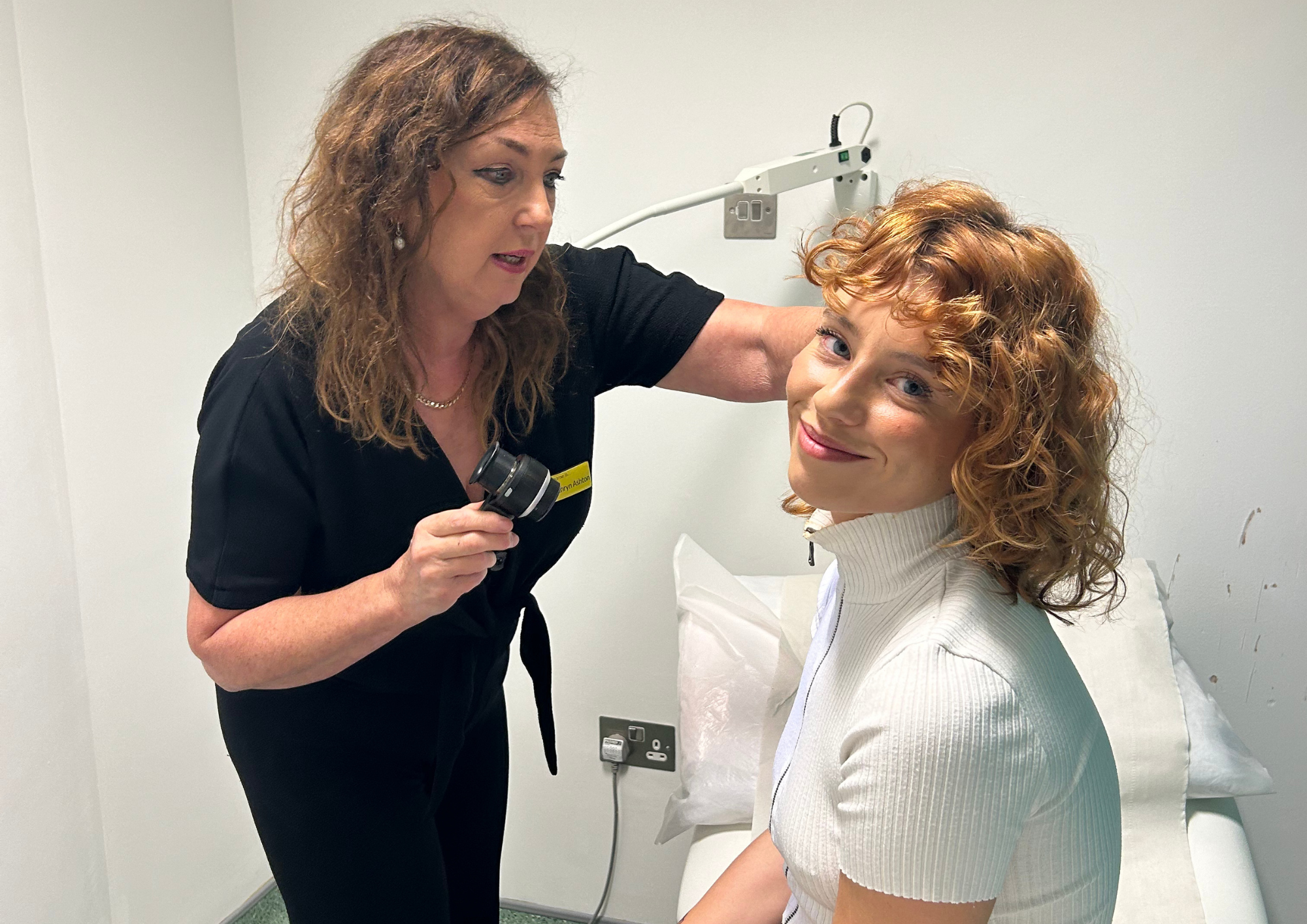
  1. Examination: Your consultant dermatologist examines the lesion using a dermatoscope to ensure cryotherapy is the safest, most effective approach.

  2. Application: Liquid nitrogen is applied directly to the spot using a precision spray device or a sterile cotton-tipped swab. The cold spray is applied for a few seconds until a small "frost rim" forms around the edge of the lesion.

  3. Thawing: The area is allowed to thaw for a minute. For deeper or more stubborn lesions (like thick plantar warts), your dermatologist may repeat the freeze-thaw cycle a second time.

  4. Completion: The treatment is finished with no stitches, cutting, or heavy dressings required.

What to Expect After Treatment

Recovery WindowWhat Happens to Your SkinWhat You Should Do
Hours 1-24The treated area turns red, slightly swollen, and may feel like a mild sunburn.

Aim to keep the area dry for 24 hours. You can then wash gently with water and mild sap. Then pat dry with a clean towel, do not rub.

Can choose to apply petroleum jelly to help healing and prevent crusting.

Days 2-6A clear or blood-filled blister often forms under or around the frozen spot.Do not burst the blister. The intact skin acts as a sterile natural bandage.
Days 7-14The blister flattens out and dries into a dark scab or crust.

Allow the scab to fall off naturally. Never pick or scratch the scab, as this increases scarring risk.

Weeks 3-4+The scab sloughs off, revealing fresh, pink new skin underneath.Apply broad-spectrum SPF 50 sunscreen daily over the new skin to prevent darkening.

Key Takeaways

  •  Do not pick the scab as this can encourage scarring.
  • A dressing or plaster may be advised if the area is likely to be rubbed by clothing, but otherwise not necessary.
  • Petroleum Jelly can be used to assist the healing process.


When to Contact Your Dermatologist

Post-treatment complications are rare, but you should reach out to our dermatologists if you notice:

  • Redness or heat which spreads significantly beyond the treated area after 48 hours.

  • Yellow, foul-smelling pus oozing from the blister.

  • Severe or worsening pain that isn't relieved by over-the-counter painkillers.

What Are the Side Effects of This Treatment?

As with any medical treatment, cryotherapy carries a small number of possible side effects. Most are mild, short-lived, and simply part of the skin's natural healing response, but it's important you're fully informed before your appointment.

Immediately following treatment:

Discomfort

Cryotherapy is generally well-tolerated, though a deeper freeze, such as that used to treat a basal cell carcinoma, can occasionally cause some pain, both during the procedure and for a short while afterwards. Taking a mild painkiller like paracetamol beforehand, and for the first 24 hours after, can help keep this to a minimum.

Redness and swelling

A natural response to the skin being frozen, this typically settles within two to three days. The area may weep a little clear fluid in the meantime, and treatment near the eyes can occasionally cause temporary puffiness of the lower eyelid, which resolves quickly.

Blistering

Fairly common, and nothing to be concerned about. Blisters usually settle as a scab forms over the following days. Some people are more prone to blistering than others, and occasionally a blister may fill with blood, which is harmless. We'd always recommend checking with us before puncturing any blister yourself.

Infection

Rare, but possible. Signs include increased pain or discharge, and would usually be managed with an antiseptic cream or a short course of antibiotics from your treating clinician or GP.

In the Weeks that Follow

Scarring

On rare occasions, treatment can leave a pale mark or flat scar, irrespective of skin tone.

Raised (hypertrophic or keloid) scarring

Very rarely, a firm, raised area of skin can form at the treatment site. These are harmless, though slightly more common in those with darker skin.

Changes in pigmentation

The treated skin may temporarily lighten or darken, particularly for darker-skinned patients. This usually fades with time, though in some cases the change can be permanent.

Numbness

If a small nerve beneath the skin is affected by the freezing, you may notice some numbness in that area. Feeling typically returns within a few months.

Recurrence

Occasionally, the treated growth may return, in which case a repeat treatment, or an alternative approach may be recommended.

Private vs NHS Waiting Times

Whether you have a concerning lesion that warrants evaluation or a stubborn wart you'd simply like removed, Pall Mall Medical offers swift, direct access to consultant dermatologists, free from the delays that so often characterise NHS care. According to NHS England's own Referral to Treatment statistics, nearly 400,000 patients were waiting for dermatology treatment across England as of June 2026, with only 69.0% seen within 18 weeks, well short of the NHS Constitution's 92% target. [1] At Pall Mall Dermatology, by contrast, there is no waiting list at all.

Reza’s Story: Choosing Peace of Mind

Reza had been putting off getting a mole checked, caught between a busy schedule and a daunting NHS dermatology waiting list. Rather than let the worry sit unresolved, he booked a private appointment with Pall Mall, arranged around his working week, with no referral or waiting list required.

He felt at ease as soon as he stepped through Pall Mall's doors, and left with the mole removed and, more importantly, the anxiety behind it resolved.

Read more about Reza’s Story →

Book Your Private Dermatology Consultation Today

Whether it's a stubborn wart, a troublesome skin tag, or a mole you'd simply like assessed, Pall Mall's private dermatology clinics offer prompt, consultant-led care without the wait. No referral, no waiting list, just a straightforward path to treatment, on a schedule that works for you. 

Contact Pall Mall Medical today to book your private dermatology consultation and explore our in-clinic cryotherapy scar and lesion treatments.

Enquire Now

A member of our team will be in touch with you to discuss your requirements. 

I agree to receive advice, offers and news by email and SMS in accordance with our privacy policy
References

[1] NHS England. (2026). Referral to treatment (RTT) waiting times data, June 2026: Statistical press notice


Related Articles

A guide to healthy skin
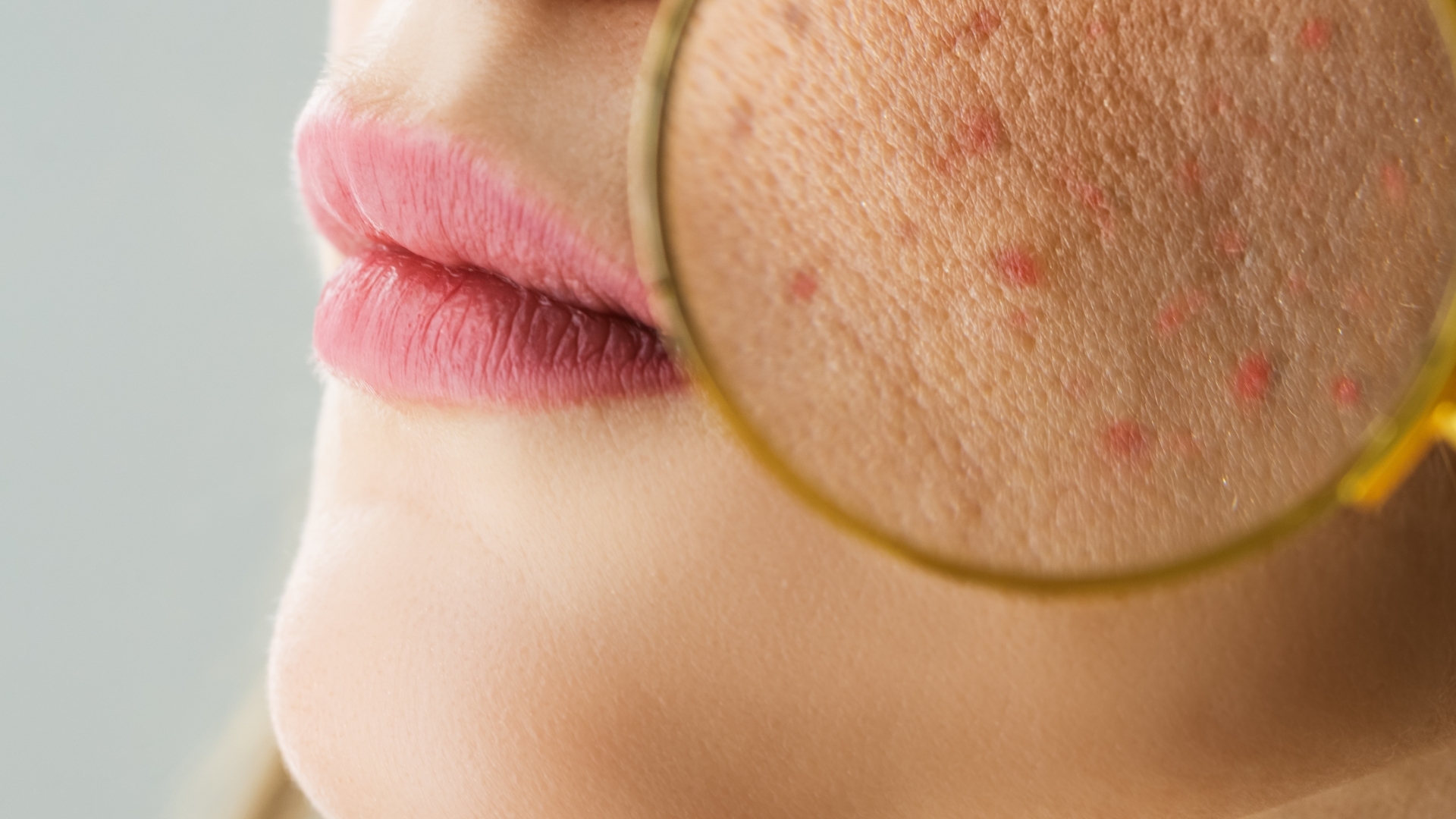
Don’t let your skin knock your confidence. If you are suffering from skin conditions such as acne, rosacea, eczema or psoriasis and are feeling embarrassed, frustrated and unsociable then continue reading this blog to see how we can help!
Pall Mall Fallback Image
Summer skincare tips for acne-prone skin

Dr Tim Clayton explains the importance of SPF in managing acne and protecting your skin from harmful UV rays. Gain expert insights and advice to keep your skin healthy and blemish-free this summer.

Pall Mall Fallback Image
Discover Renuvion: The gold standard in skin tightening

Curious about Renuvion? Discover how this innovative technology can tighten and rejuvenate your skin, offering impressive results with minimal downtime. Learn more in our latest blog.

Pall Mall Fallback Image
How to check your moles for skin cancer

May is Skin Cancer Awareness Month! Learn how to perform a self-examination for skin cancer using the ABCDE method.

Pall Mall Fallback Image
How water from different areas affects your skin

How to protect your skin when showing in different areas of the country

Pall Mall Fallback Image
Loose skin? Here are the best procedures after weight loss injections

Discover the most effective treatments for loose skin after GLP-1 weight loss injections including arm lifts, tummy tucks, and facial volume restoration.

Pall Mall Fallback Image
Psoriasis: How Winter Weather and the Cost-of-Living Crisis Could Worsen this Skin Disorder

A leading dermatologist is highlighting how the colder months ahead combined with the cost-of-living crisis could intensify a common skin disorder.

Pall Mall Fallback Image
Skin cancer rates surge in the North West despite low sunshine, experts warn

Skin cancer rates across the region are the highest in England, despite lower sunshine than average. Rates may be linked to the high numbers of sunbeds in the region.

Pall Mall Fallback Image
Debunking skin myths

Skincare is a booming industry, filled with products, advice, and trends that promise glowing, youthful skin. However, alongside the helpful tips and effective treatments, there are countless myths and misconceptions. These myths can lead to ineffective practices, wasted money, and sometimes even harm to your skin. Let's dive into some of the most common skincare myths and uncover the truth behind them.