Menu Menu
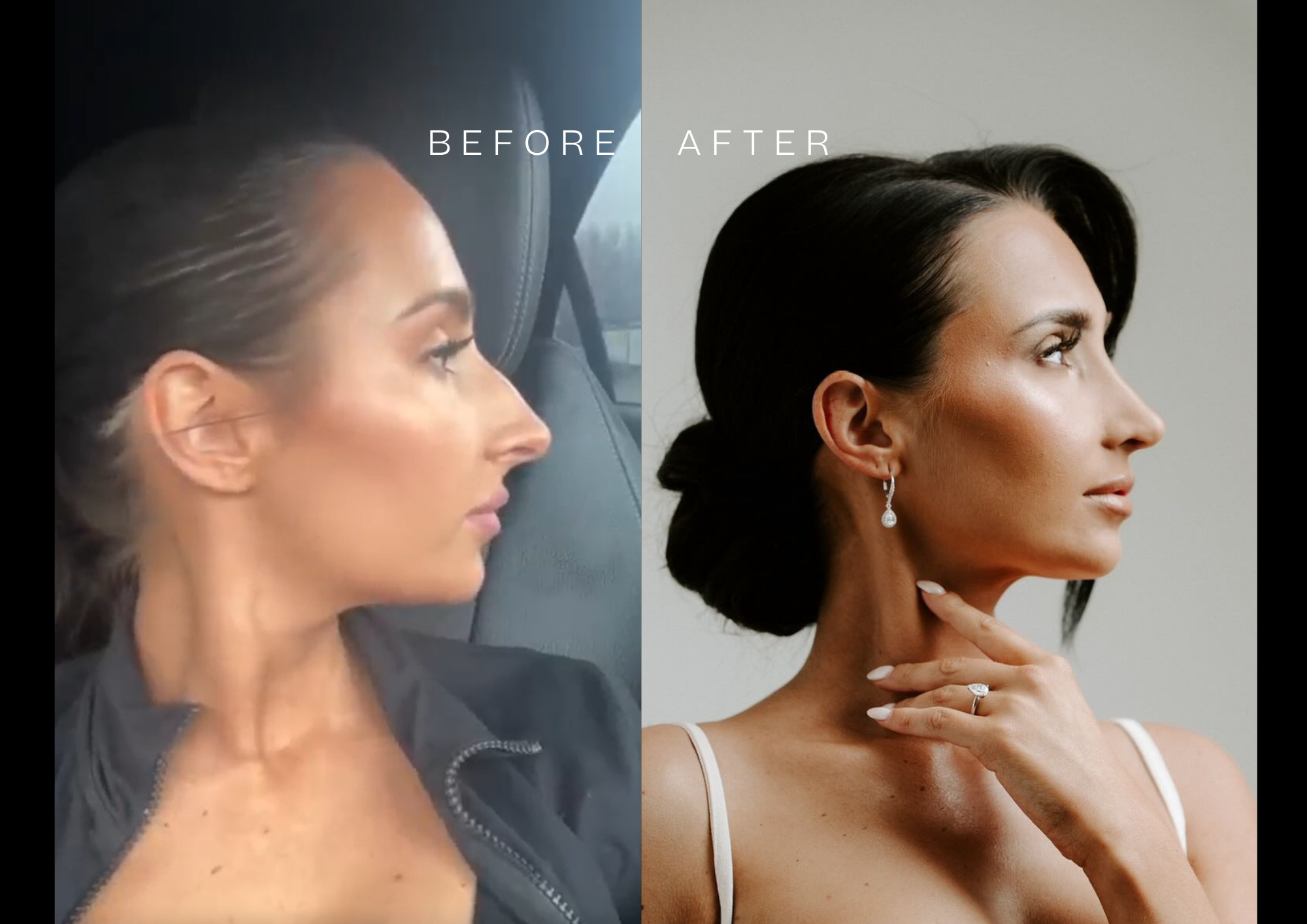
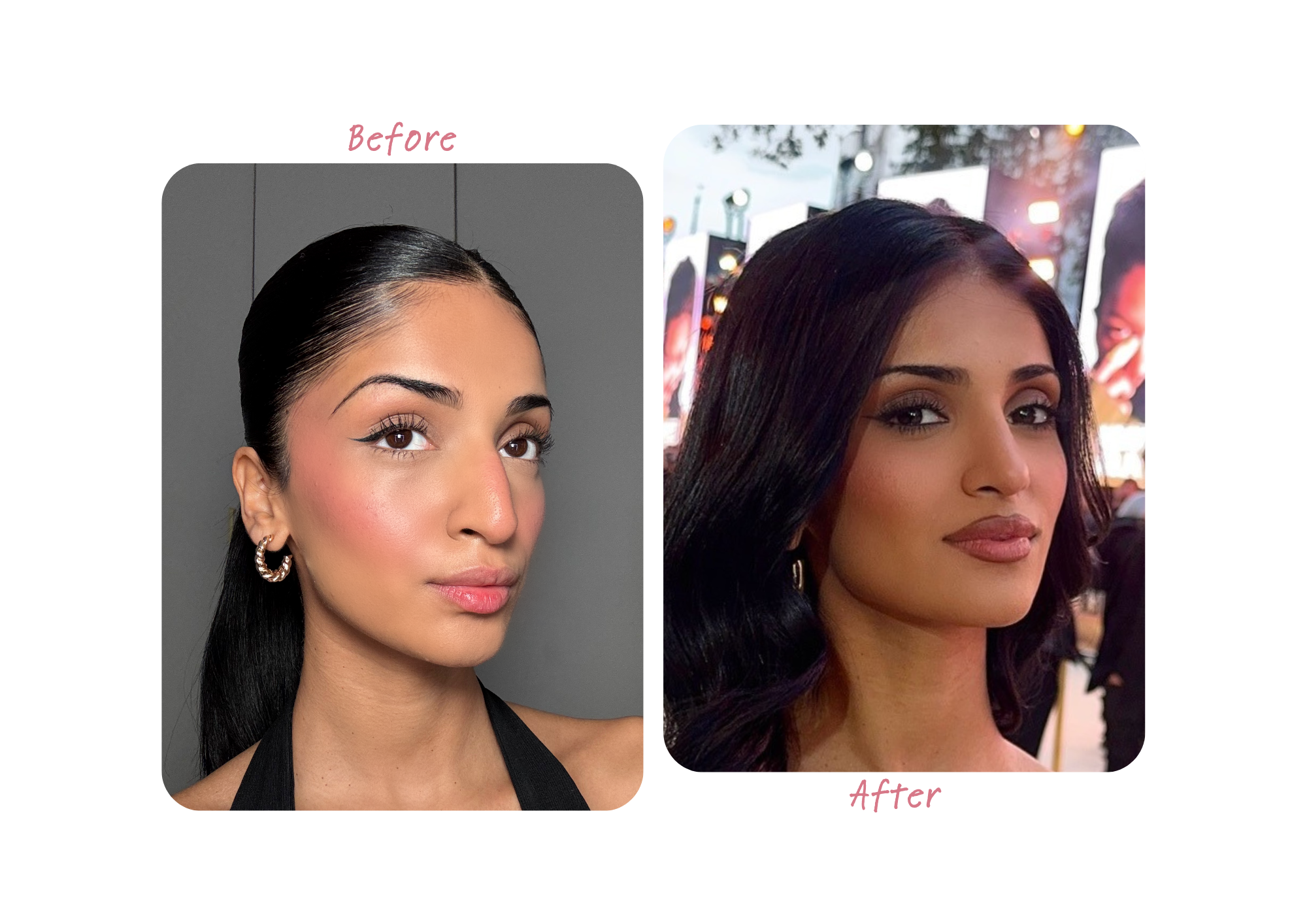
Kim Mann Before & After Rhinoplasty Results

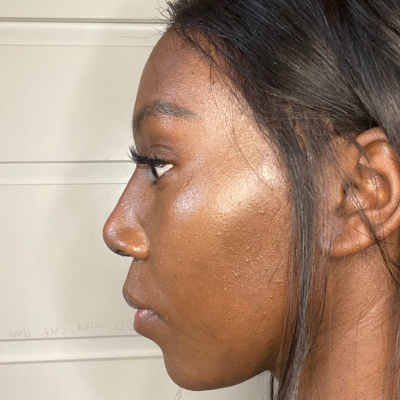
Ethnic Rhinoplasty: Refine Your Nose While Staying True to You

No NHS referral required to book

Open rhinoplasty before and after

What do we mean by ethnic rhinoplasty?

Rhinoplasty is a highly skilled procedure that needs to be carefully tailored to each person. The term ethnic rhinoplasty means understanding your cultural identity and which features feel important to you, while also looking closely at features such as nasal shape, skin thickness, cartilage strength and overall facial proportions.

It is about listening to what you would like to refine, while preserving the features that make you feel like yourself.

The aim is to create greater balance, definition and, where needed, better function. Your face should still feel like your face - simply with changes that feel right for you.

A surgeon-led approach considers:

  • Nasal bridge height and shape

  • Tip projection and definition

  • Nostril width and alar shape

  • Skin thickness

  • Cartilage strength

  • Breathing function

  • Facial proportions

  • The patient’s cultural, personal and aesthetic preferences

A good rhinoplasty surgeon should not impose an aesthetic ideal. Instead, they should listen carefully, assess your anatomy, and explain what may or may not be achievable safely.

Kim Mann, Rhinoplasty Patient

Making refinements while retaining characteristics

For many patients, the goal is not to remove ethnic characteristics, but to refine specific areas while maintaining harmony with the rest of the face.

This may mean:

  • Keeping natural bridge characteristics rather than over-reducing them

  • Avoiding excessive narrowing of the nose

  • Maintaining nostril shape in proportion with the lips, cheeks and jawline

  • Preserving features that feel culturally or personally significant

  • Avoiding an operated or artificial appearance

A natural-looking result usually depends on restraint, proportion and long-term structural support.

Kim Mann Before & After Rhinoplasty Results

Bridge augmentation and structural support

In some cases, the nose may need more structure or bridge height to create better definition and balance. This can be achieved by using cartilage taken from the septum, ear or rib, to reshape the nose.

Your surgeon will talk you through the choices during your consultation, so you can understand what is recommended and why.

Tip refinement with thicker skin

Thicker skin can make the nose tip looks less defined. This is because the thickness of the skin can affect how clearly the shape underneath can be seen.

In these cases, the focus is often on improving the structure and support of the tip rather than removing too much tissue. Taking away too much can weaken the nose and may affect both its appearance and your breathing.

It is also important to have realistic expectations. Swelling may take longer to settle, and a very sharp tip may not be achievable. Your surgeon should explain what is possible before you decide to go ahead.

Nostril and alar base refinement

Some people consider rhinoplasty because they feel their nostrils or the base of their nose are wider than they would like.

Alar base refinement can help create a more balanced shape. The aim is not to make the nose as narrow as possible, but to create a result that feels proportionate and natural, while still looking like you.

This area needs particular care. Narrowing the nostrils too much can affect facial balance, look unnatural or leave visible scarring.

Protecting your breathing

Rhinoplasty can improve appearance, breathing or both.

Some people also have a deviated septum, previous injury, weakness in the nasal valves or another structural issue that affects airflow.

Any cosmetic changes should protect, and where possible improve, how well you breathe. When both shape and function need to be addressed, your surgeon may recommend a septorhinoplasty.

A full assessment will help identify any breathing concerns and confirm which approach is most suitable for you.

All surgery carries risk. Rhinoplasty may involve bruising, swelling, bleeding, infection, altered sensation, scarring, asymmetry, breathing changes, dissatisfaction with the result, or the need for revision surgery.

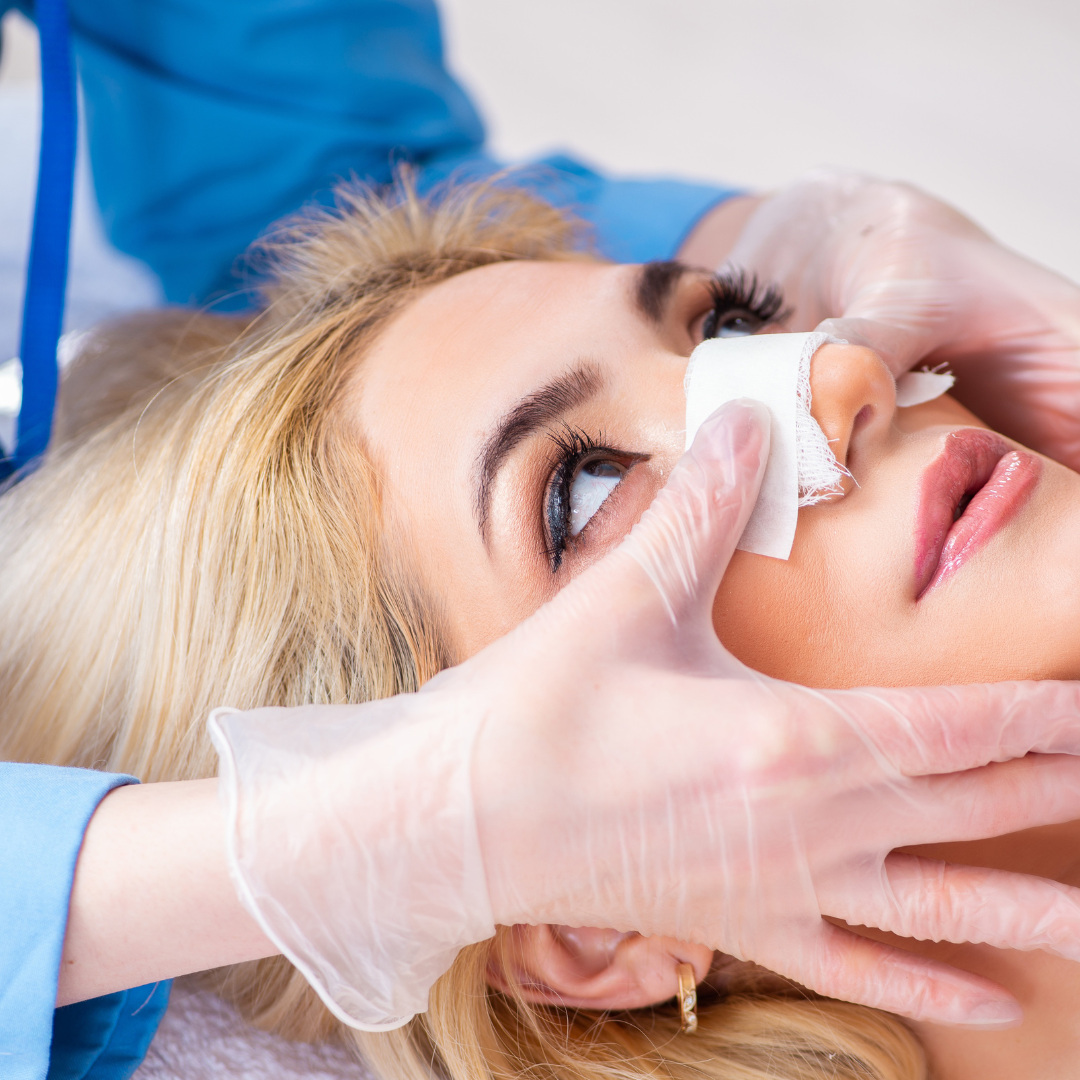
The NHS notes that recovery after rhinoplasty can involve around two weeks away from work for some patients, with swelling taking months to settle fully.

Swelling may be more prolonged in patients with thicker skin and the final definition can take time to emerge. Results vary from person to person.

A responsible surgeon should explain not only what surgery may improve, but also what it cannot reliably achieve.

Book a consultation

A consultation is not just a formality. It is where the surgeon and patient explore whether surgery is appropriate, safe and realistic.

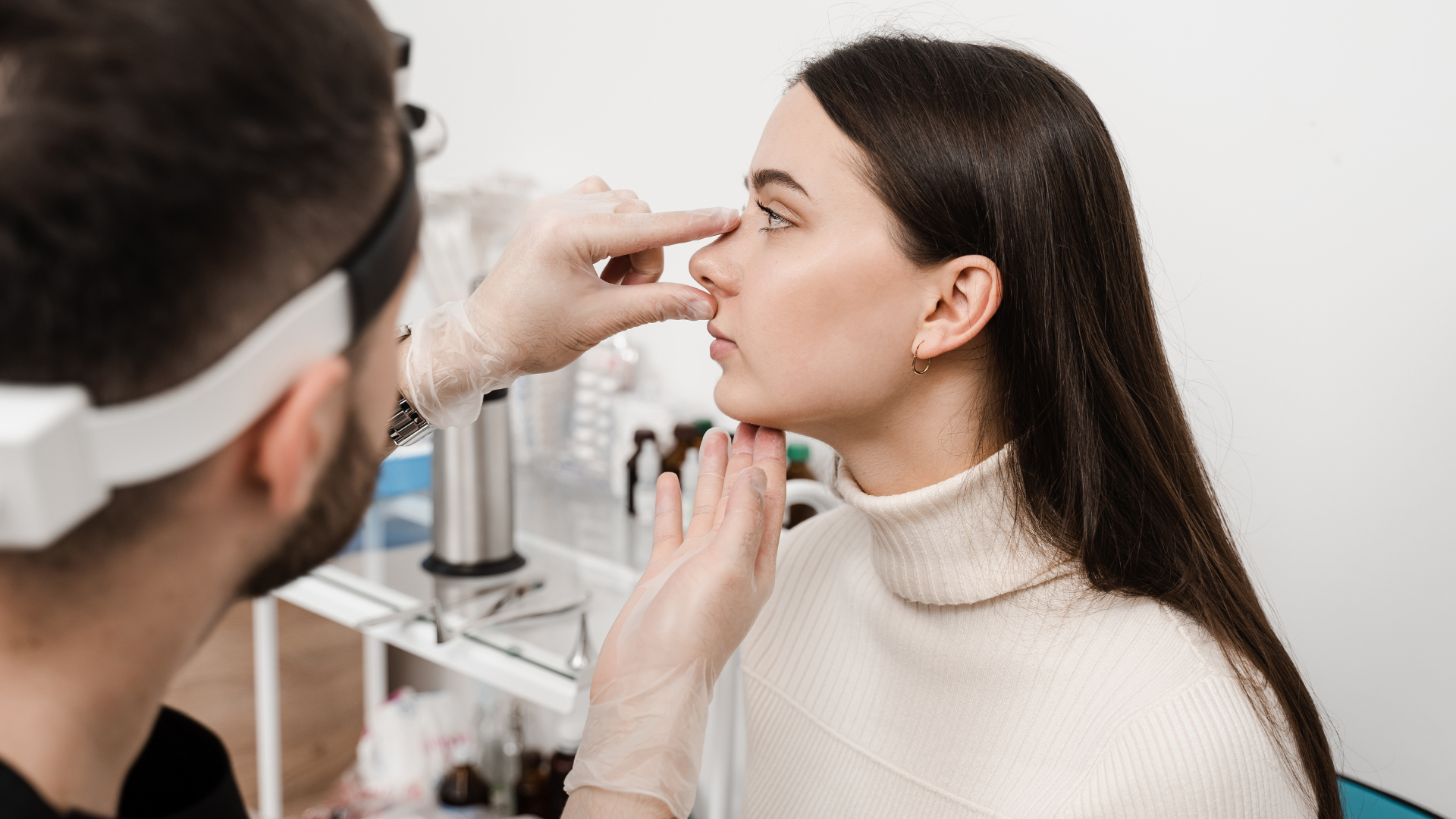
During consultation, the surgeon should assess the nose externally and internally, discuss medical history, examine facial proportions, and understand the patient’s concerns. It is also an opportunity to discuss risks, recovery, limitations and alternatives.

It's your opportunity to ask questions like:

  • What changes are realistically achievable for my anatomy?

  • How will you preserve my ethnic features?

  • Could surgery affect my breathing?

  • What are the risks in my case?

  • How long may swelling take to settle?

  • What happens if I am not suitable for surgery?

Every patient’s nose, face and goals are different. A consultation with a qualified consultant surgeon is essential to assess suitability, explain the options and decide whether rhinoplasty is the right choice.


We have experience of delivering 5 star services to over 1,000 patients every year.

This is why our patients rate us Excellent on Trustpilot.

Related Articles

Pall Mall Fallback Image
What can rhinoplasty actually change about my nose?
Pall Mall Fallback Image
Open vs Closed Rhinoplasty: Which one is right for you?

Rhinoplasty, commonly known as a nose job, is a popular cosmetic surgery designed to enhance the appearance or function of the nose. There are two primary approaches to Rhinoplasty: open and closed.

Pall Mall Fallback Image
Cosmetic Surgery
Rhinoplasty swelling stages and recovery

Learn about the recovery process after Rhinoplasty surgery, including the timeline for recovery and when you can expect the swelling and bruising to subside.

Pall Mall Fallback Image
What is a deviated septum and how can it be fixed?

A deviated septum is a common condition that affects millions of people worldwide. While many live with this condition without even realising it, for others, it can cause significant discomfort and impact their quality of life.

Pall Mall Fallback Image
Rhinoplasty
The impact of past drug use on your nose and how Rhinoplasty surgery can help

Discover the effects of past drug use on nasal health and how Rhinoplasty surgery offers solutions.