Past drug use, particularly cocaine, can cause lasting damage to the nose by reducing blood flow to the delicate tissues and cartilage. This can lead to problems such as septal perforations, a collapsed nasal bridge, chronic congestion, nosebleeds and difficulty breathing. While the extent of the damage varies from person to person, reconstructive rhinoplasty and septorhinoplasty can help restore both the appearance and function of the nose in suitable candidates. This guide explores how recreational drug use affects nasal health, the signs of long-term damage, and the surgical options available to repair and reconstruct the nose.
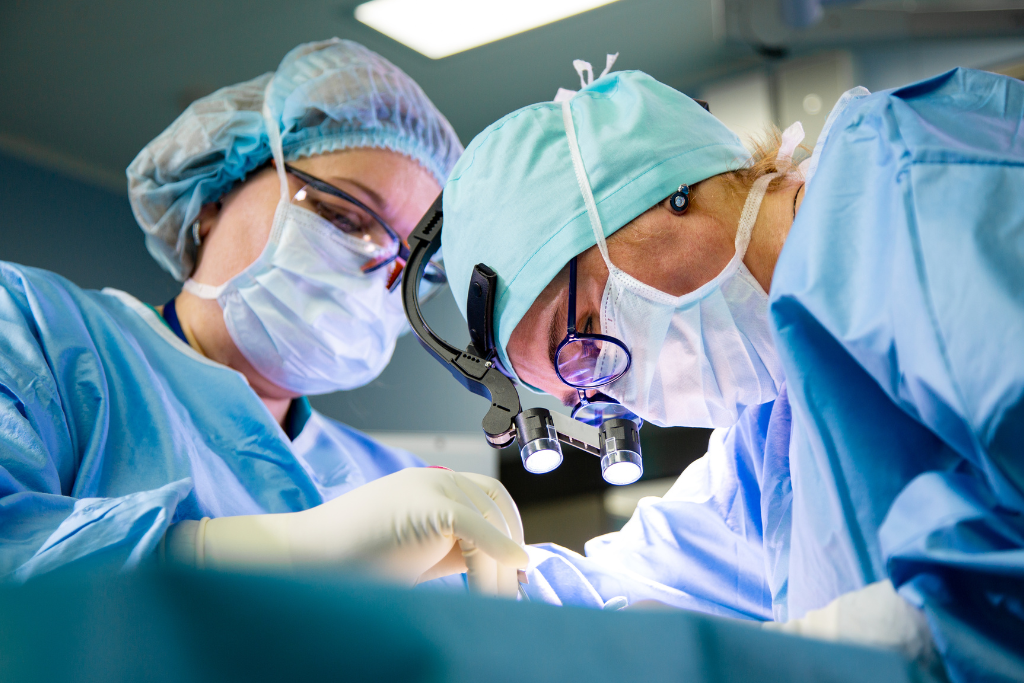
The Impact of Past Drug Use on Your Nose and How Rhinoplasty Surgery Can Help
Frequently Asked Questions.
How does drug use damage the nose?
Certain drugs, particularly cocaine, can severely damage the nasal passages over time. Repeated use restricts blood flow to the nasal septum, which can cause the cartilage to weaken and erode. This process can lead to a perforated septum, nasal collapse, and long-term breathing problems.
What does a "collapsed nose" from drug use look like?
A collapsed nose often appears flattened or sunken, particularly around the bridge or tip. As the underlying cartilage deteriorates, the nose can lose its shape and structural support, resulting in a noticeably different profile compared to before drug use began.
Can rhinoplasty fix nasal damage caused by drug use?
Yes. Rhinoplasty can reconstruct and reshape a nose affected by drug-related damage. Depending on the severity, this may involve septal perforation repair, septoplasty, cartilage grafting, or tip rhinoplasty to restore both appearance and nasal function.
Is a nose damaged by drug use different to repair than a standard rhinoplasty?
Yes. Cosmetic rhinoplasty typically reshapes healthy cartilage and bone. Nasal damage from drug use often involves tissue loss, septal perforation, or structural collapse, so surgery is more reconstructive — frequently requiring cartilage grafts from the ear or rib to rebuild what's been lost, rather than simply reshaping existing structure.
Can rhinoplasty fully restore breathing function, not just appearance?
In many cases, yes. Where damage has narrowed the nasal passages or caused structural collapse, reconstructive techniques such as septoplasty or cartilage grafting are specifically aimed at restoring airflow alongside improving appearance.
Will this be treated as cosmetic or reconstructive surgery?
It depends on the extent of damage and whether nasal function (breathing) is affected. Cases involving septal perforation, collapse, or breathing difficulty are usually considered reconstructive rather than purely cosmetic. This can affect pricing and, in some cases, insurance eligibility - this is something to discuss directly in your consultation.
How much does surgery to repair drug-related nasal damage cost?
Cost varies depending on the complexity of the reconstruction - for example, whether cartilage grafting or multiple procedures are needed. We offer finance options to help spread the cost, and a full personalised quote is provided after your consultation.
What are the main types of rhinoplasty for drug-related nasal damage?
- Septal perforation repair - closes holes in the septum using grafts or synthetic materials
- Septoplasty - corrects a deviated septum to improve airflow
Cartilage grafting, rebuilds lost structure using cartilage from the ear or rib - Tip rhinoplasty - reshapes a collapsed or deformed nasal tip
Where does the cartilage come from in reconstructive rhinoplasty?
When a patient's own nasal cartilage has been too severely damaged to use, surgeons often take cartilage grafts from other areas of the body, most commonly the ear or rib, to rebuild and support the nasal structure.
Is nasal damage from drug use reversible without surgery?
Once significant tissue death, perforation, or structural collapse has occurred, it generally cannot heal on its own. Surgical intervention, such as rhinoplasty or septal repair, is typically required to restore both form and function.
Is the consultation confidential?
Yes. Consultations are private, judgement-free, and treated with full confidentiality. Many of our patients have been through exactly what you're facing, and our team's focus is entirely on your health and recovery - not your past.
How painful is recovery, and how long does it take?
Most patients experience swelling and bruising for 1-2 weeks, with initial healing over 4-6 weeks. Full results, particularly with reconstructive work, can take up to a year to fully settle. Your surgeon will give you a recovery timeline specific to your procedure during consultation.
Do I need to have stopped using drugs before I can have surgery?
Yes - a period of abstinence is generally required before any procedure, both for safety during surgery and to ensure lasting results. Your surgeon will discuss what's needed for your specific situation during consultation.
What happens in the free consultation?
You'll meet with one of our specialist ENT surgeons to discuss your nasal health, medical history and goals. There's no obligation to proceed - it's a chance to understand your options, ask questions, and get an honest assessment of what's achievable.
Last Updated: July 6th 2026
Enquire About Rhinoplasty Surgery
A member of our team will be in touch with you to discuss your requirements.