Menu Menu
What is a deviated septum?

What is a deviated septum and how can it be fixed?

What is deviated septum?

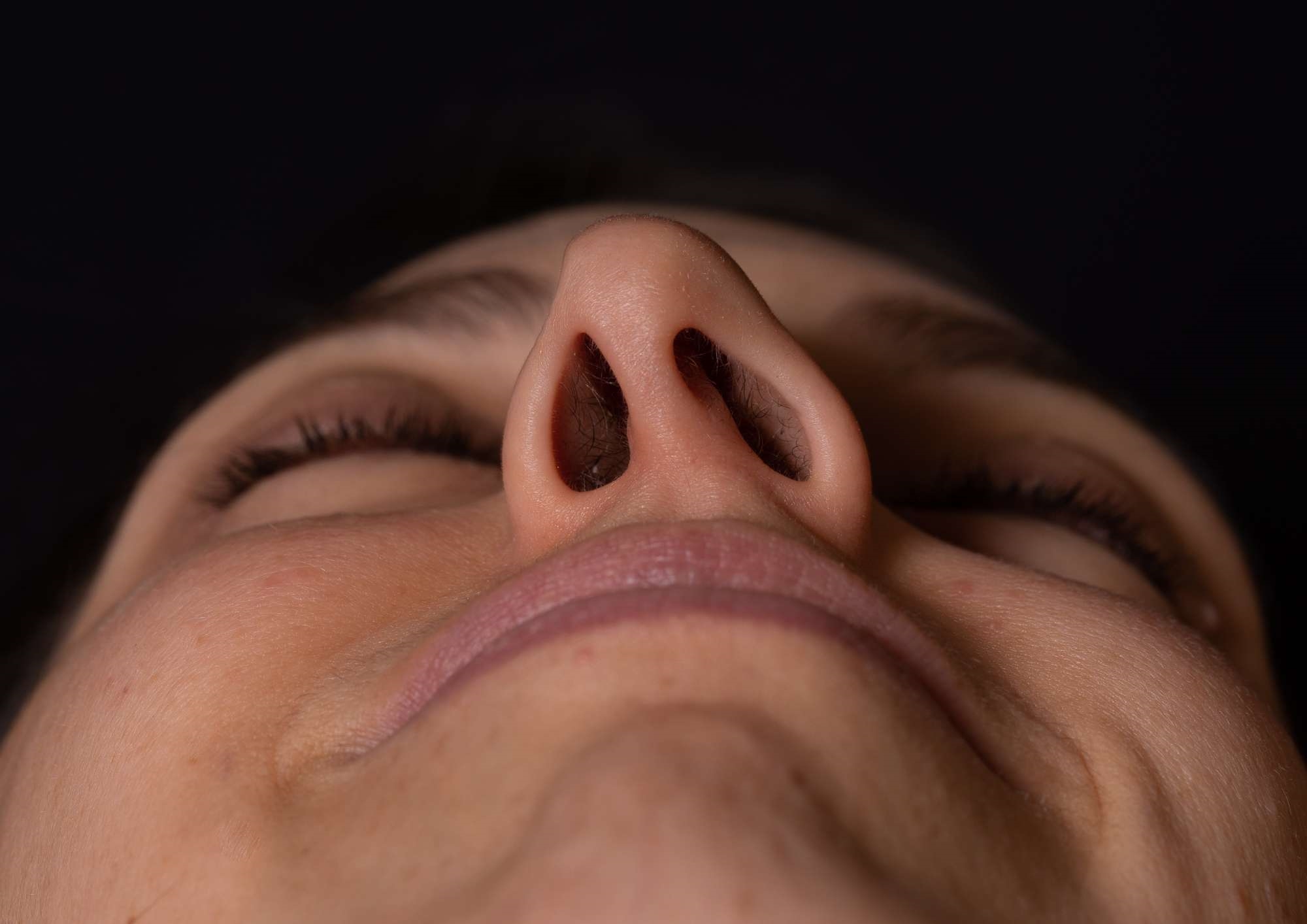
The septum is the cartilage and bone that separates the two nostrils in your nose. Ideally, this septum should divide your nostrils into two equal passages. However, for many people, the septum is slightly off-centre or crooked. This condition is known as a deviated septum.

A deviated septum can occur due to several reasons. In some cases, people are born with this condition, while in others, it can result from an injury or trauma to the nose. In severe cases, a deviated septum can block one side of the nose, reducing airflow and making it difficult to breathe. This condition can also increase the risk of sinus infections, nosebleeds, and other complications.

Carlita explains a Perforated Septum

Symptoms of a deviated septum

Not everyone with a deviated septum experiences symptoms. However, when symptoms do occur, they can range from mild to severe, depending on the degree of deviation. Some of the most common symptoms include:

  • Nasal congestion: One of the most common symptoms of a deviated septum is nasal congestion. Often, the side of the nose that is narrower due to the deviation is more likely to feel congested or blocked.

  • Frequent nosebleeds: The uneven surface of a deviated septum can cause the nasal passages to become dry, leading to frequent nosebleeds.

  • Difficulty breathing through the nose: A deviated septum can make it more difficult to breathe, especially through one nostril.

  • Sinus infections: Due to the blockage of nasal passages, individuals with a deviated septum may experience frequent sinus infections, which can cause pain, pressure, and headaches.

  • Noisy breathing during sleep: People with a deviated septum may experience noisy breathing or snoring, particularly during sleep. In some cases, this can also lead to sleep apnea, a condition in which breathing repeatedly stops and starts during sleep.

  • Facial pain or headaches: In severe cases, a deviated septum can cause facial pain or headaches, especially around the nasal area.

If you experience any of these symptoms and suspect you may have a deviated septum, it's essential to consult with a healthcare professional for a proper diagnosis.

How is a deviated septum diagnosed?

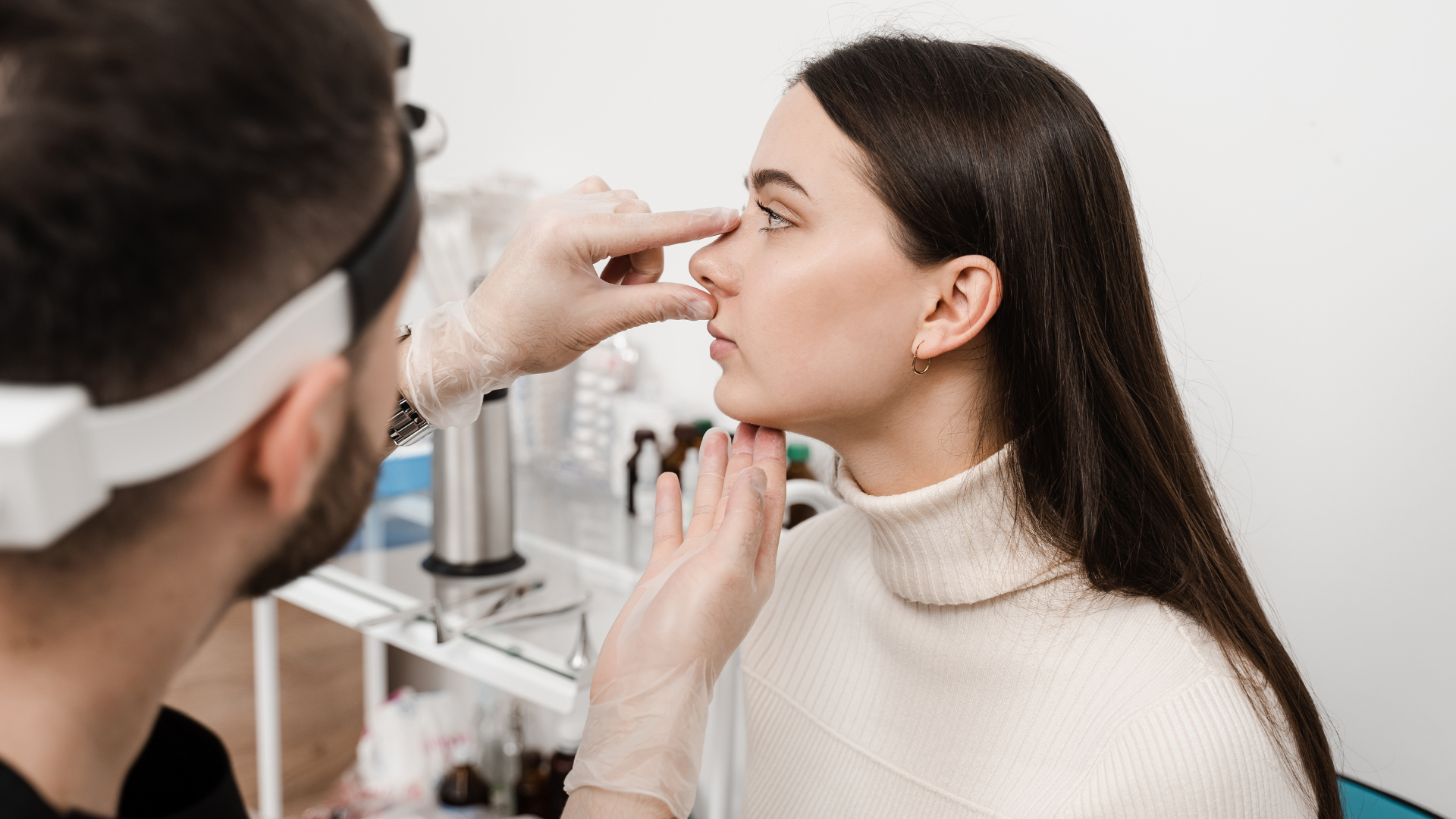
A diagnosis of a deviated septum can be made through a thorough examination of your nose by a healthcare professional, such as an ear, nose, and throat (ENT) specialist. During the examination, your doctor may use a nasal speculum to view the inside of your nose and assess the shape and position of your septum.

In some cases, additional tests, such as a nasal endoscopy or imaging studies like a CT scan, may be recommended to evaluate the severity of the deviation and determine the best course of treatment.

Treatment options for a deviated septum

Fortunately, there are several treatment options available for individuals with a deviated septum. Depending on the severity of your symptoms and the degree of deviation, your doctor may recommend either non-surgical or surgical interventions.

Non-surgical treatments

For mild cases of a deviated septum, non-surgical treatments may be sufficient to manage symptoms. These treatments focus on relieving the symptoms associated with the condition, rather than correcting the deviation itself. Some common non-surgical treatments include:

  • Nasal decongestants: These medications can help reduce swelling in the nasal passages, improving airflow and making it easier to breathe.

  • Antihistamines: If your symptoms are caused or worsened by allergies, antihistamines can help reduce inflammation and improve nasal congestion.

  • Nasal corticosteroid sprays: These sprays can help reduce inflammation in the nasal passages and relieve symptoms such as nasal congestion and sinus pressure.

  • Saline nasal sprays: Saline sprays can help moisturise the nasal passages, reducing dryness and preventing nosebleeds.

While these treatments can help alleviate symptoms, they do not address the underlying issue of the deviated septum. For individuals with more severe symptoms or complications, surgical intervention may be necessary.

Septoplasty: Surgical correction for a deviated septum

Septoplasty is the most common surgical procedure used to correct a deviated septum. This procedure aims to straighten the septum and improve airflow through the nose.

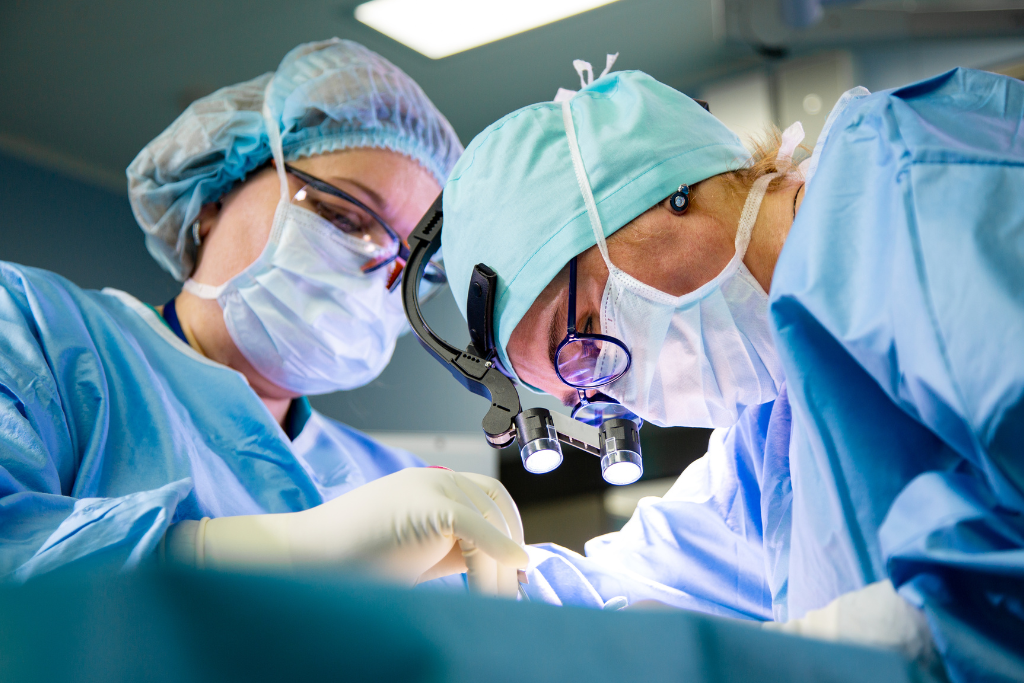
During a Septoplasty, the surgeon makes an incision inside the nostril and carefully removes or reshapes the deviated portion of the septum. The goal is to create a more even and symmetrical nasal passage, allowing for better airflow and reducing symptoms such as nasal congestion and breathing difficulties.

Septoplasty is usually performed under general anaesthesia and takes between 30 to 90 minutes, depending on the complexity of the procedure. Most patients can go home the same day, although they will need some time to recover fully.
The benefits of Septoplasty

Septoplasty offers several benefits for individuals with a deviated septum, including:
Improved breathing One of the primary benefits of Septoplasty is improved airflow through the nasal passages. This can make it easier to breathe, particularly through both nostrils.
Reduced nasal congestion By correcting the deviation, Septoplasty can help reduce nasal congestion and improve overall nasal function.
Fewer sinus infections With improved airflow and drainage, individuals who undergo Septoplasty are less likely to experience recurrent sinus infections.
Improved quality of life For many patients, the improvement in breathing and reduction in symptoms can significantly enhance their quality of life, particularly when it comes to sleep and daily activities.

Cosmetic considerations

In some cases, individuals with a deviated septum may also have concerns about the appearance of their nose. In these instances, a Rhinoplasty may be performed in conjunction with a septoplasty to improve both the function and appearance of the nose.

For those interested in exploring cosmetic or functional nasal surgery, Pall Mall offers a range of cosmetic surgery options tailored to the individual’s needs. Read about Pall Mall patient Kerry Katona's transformative surgery.

Choosing the right surgeon

If you are considering surgery to correct a deviated septum, choosing the right surgeon is crucial for achieving the best possible outcome. It’s important to select a highly qualified and experienced ENT specialist who is skilled in performing Septoplasty.

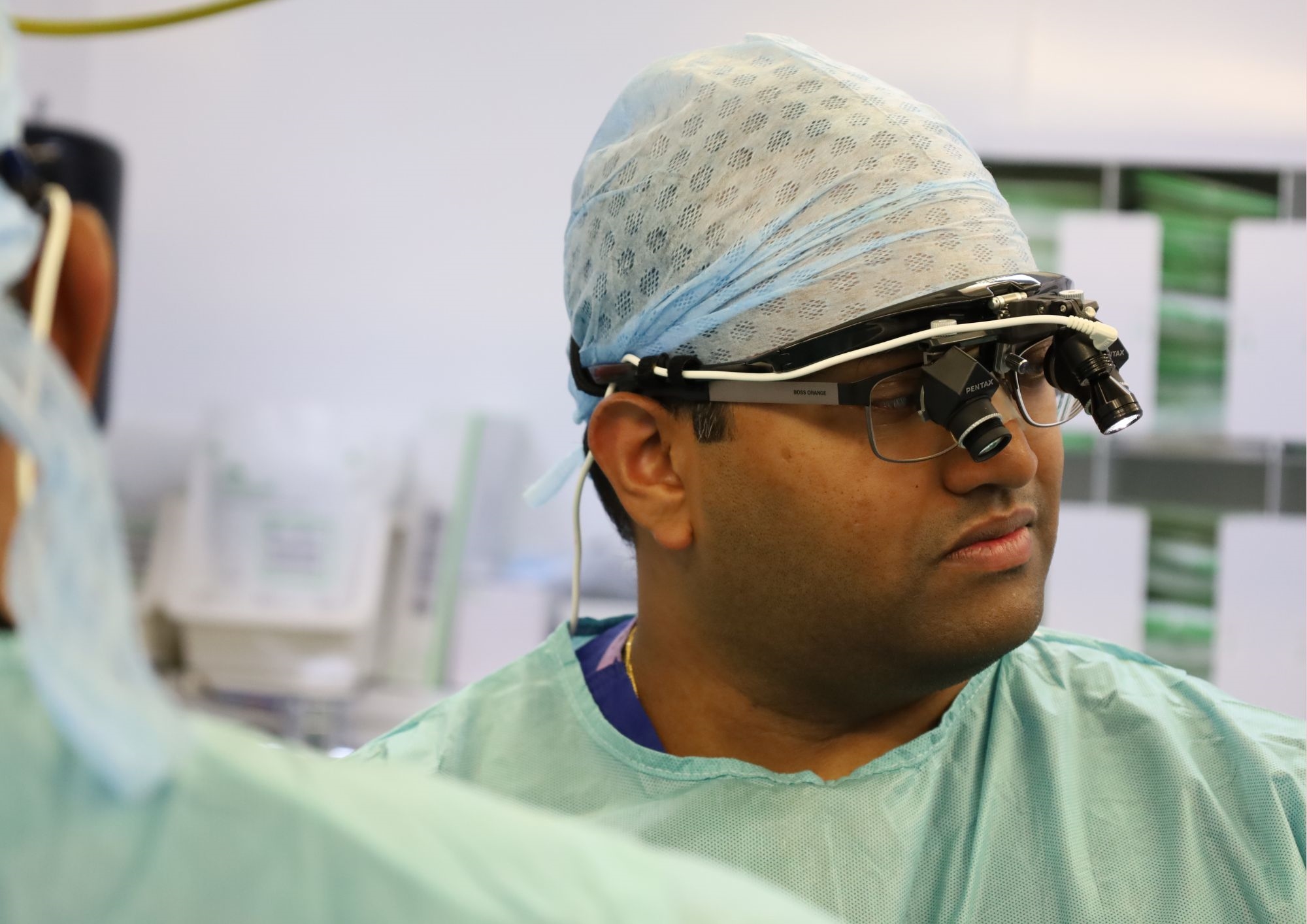
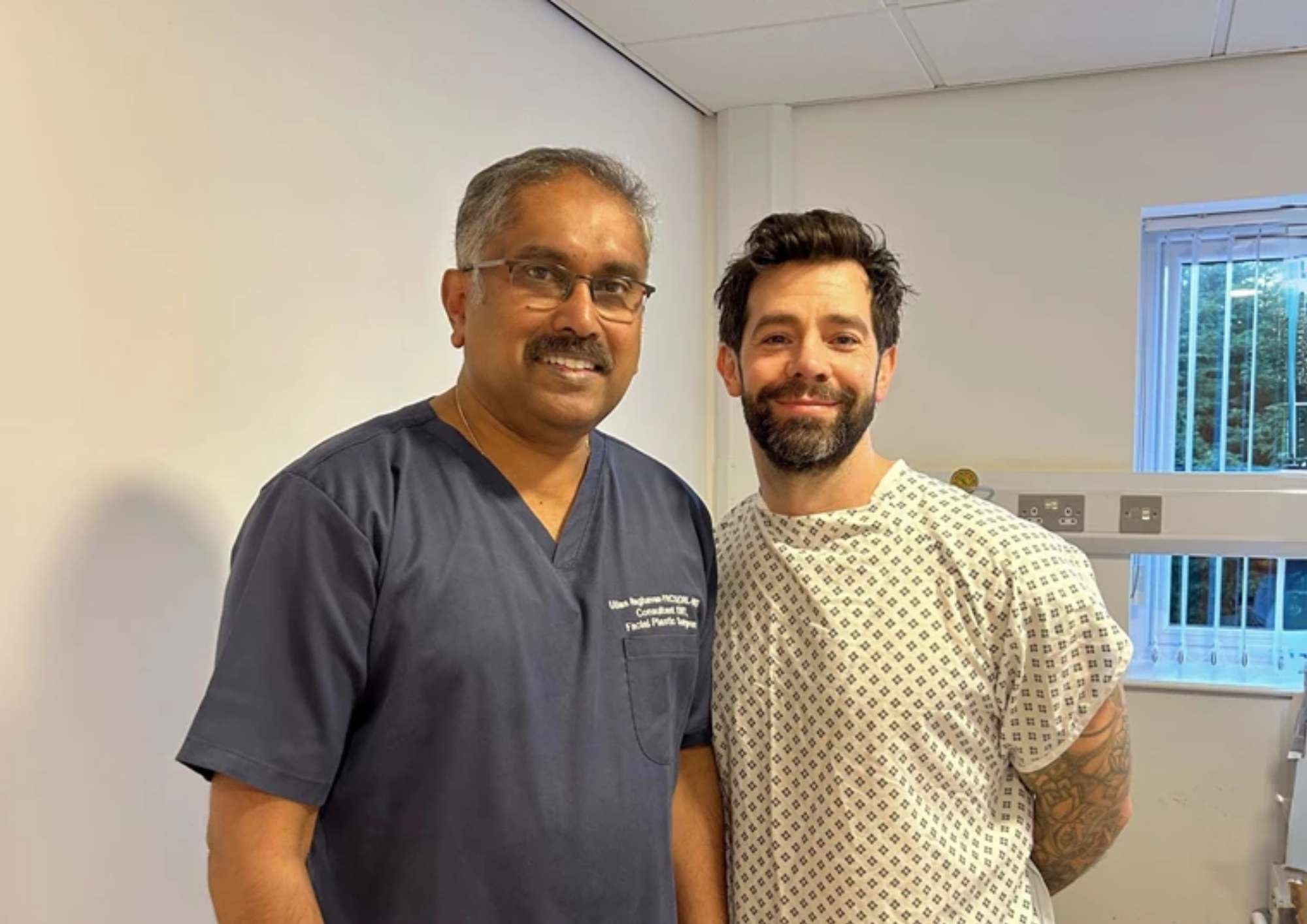
At Pall Mall, we have a team of expert surgeons including renowned professionals such as Professor Ullas Raghavan, a ENT and Facial Plastic Surgeon with extensive experience in Septoplasty and other nasal surgeries.

A deviated septum is a common condition that can cause a range of symptoms, from nasal congestion to difficulty breathing. While non-surgical treatments may provide relief for mild cases, surgical intervention through Septoplasty is often the best solution for individuals with more severe symptoms.

If you believe you have a deviated septum and are considering surgery, it's essential to consult with an experienced ENT specialist to determine the best course of action. With the right treatment, you can enjoy improved breathing, better overall health, and a higher quality of life.

To find out more about Septoplasty or any other cosmetic surgery procedures, contact our team.

Frequently Asked Questions.

Can I fly after septoplasty?

It's generally recommended to avoid flying for at least one to two weeks after septoplasty, although this can vary depending on your recovery and your surgeon's advice. Flying too soon may increase discomfort due to changes in air pressure and can make it harder to manage swelling. Always check with your ENT surgeon before booking travel after your procedure.

How long is septoplasty surgery?

Septoplasty typically takes 30 to 90 minutes, depending on the complexity of the procedure and whether it is combined with other nasal surgery, such as turbinate reduction or rhinoplasty. Most patients are treated as day cases, meaning they can return home later the same day.

Can Children have septoplasty?

Yes, but septoplasty is usually only recommended for children when a deviated septum is causing significant breathing problems, recurrent infections or other persistent symptoms. Because the nose is still developing, surgeons carefully consider the timing of surgery and will only recommend it when the benefits outweigh any potential impact on facial growth.

Will septoplasty stop snoring?

Septoplasty may help reduce snoring if a deviated septum is restricting airflow through your nose. However, snoring can have many causes, including excess tissue in the throat, obesity or obstructive sleep apnoea. An ENT specialist can assess whether a deviated septum is contributing to your symptoms and whether septoplasty is likely to improve them.

Will my voice change after septoplasty?

Most people do not notice any significant change to their voice after septoplasty. In some cases, improving airflow through the nose may slightly alter how your voice sounds while you're recovering, but this is usually temporary. If you use your voice professionally, discuss any concerns with your surgeon before treatment.

Can I exercise after septoplasty?

You should avoid strenuous exercise, heavy lifting and contact sports for around two to four weeks after septoplasty, or for as long as your surgeon advises. Raising your heart rate too soon can increase the risk of bleeding and swelling. Gentle walking is usually encouraged during the early stages of recovery to support circulation.

Will i need nasal packing after septoplasty?

Not always. Advances in surgical techniques mean many patients no longer require traditional nasal packing after septoplasty. If packing or internal splints are needed to support healing or reduce bleeding, they are usually removed a few days after surgery. Your surgeon will explain what to expect based on your individual procedure.

How long before I can breathe normally after septoplasty?

Your nose will usually feel blocked for the first one to two weeks because of swelling and healing. As the swelling settles, breathing should gradually improve. Most patients notice a significant improvement within a few weeks, although it can take two to three months to experience the full benefits of the procedure.


Last Updated: July 9th 2026

We have experience of delivering 5 star services every year.

This is why our patients rate us Excellent on Trustpilot.

Related Articles

Rhinoplasty: Your Most Common Questions Answered by a Consultant Plastic Surgeon
Pall Mall Fallback Image
Open vs Closed Rhinoplasty: Which one is right for you?

Rhinoplasty, commonly known as a nose job, is a popular cosmetic surgery designed to enhance the appearance or function of the nose. There are two primary approaches to Rhinoplasty: open and closed.

Pall Mall Fallback Image
Breathe easy: How Rhinoplasty surgery can improve your breathing

Discover how Rhinoplasty surgery at Pall Mall Cosmetics not only enhances your appearance but also improves your breathing. Learn about the benefits, how to prepare and recovery involved in this transformative treatment.

Pall Mall Fallback Image
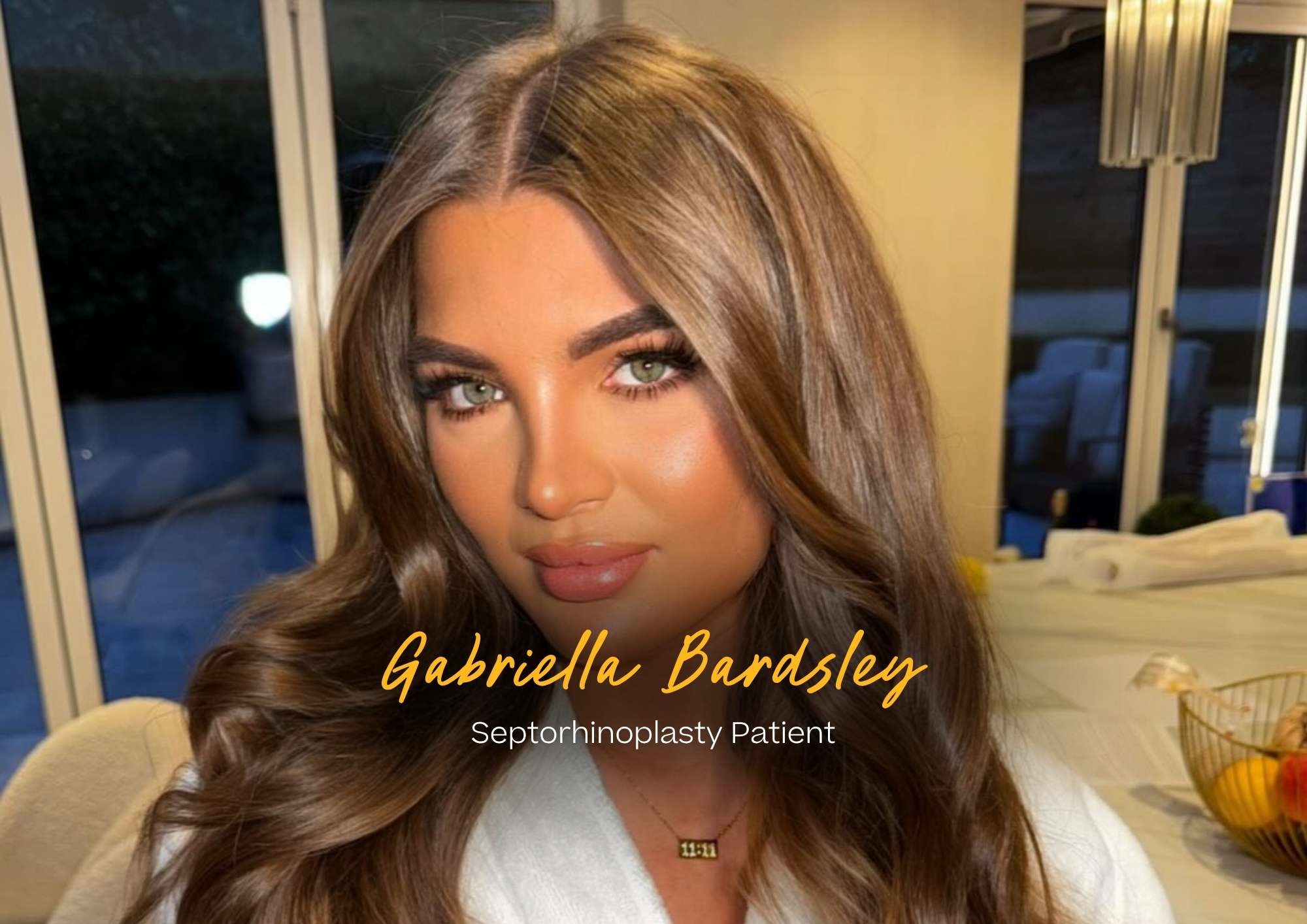
Gabriella Bardsley Septorhinoplasty

"My results are so much better than I could have ever imagined" Gabriella Bardsley Septorhinoplasty

Pall Mall Fallback Image
Rhinoplasty swelling stages and recovery

Learn about the recovery process after Rhinoplasty surgery, including the timeline for recovery and when you can expect the swelling and bruising to subside.

Pall Mall Fallback Image
The impact of past drug use on your nose and how Rhinoplasty surgery can help

Discover the effects of past drug use on nasal health and how Rhinoplasty surgery offers solutions.

Pall Mall Fallback Image
Loren Logan Septorhinoplasty

"I still can’t believe it’s my nose!" Loren Logan Septorhinoplasty

Pall Mall Fallback Image
Patient Stories: Charlie King's Revison Rhinoplasty

Charlie visited Pall Mall Cosmetics for revision rhinoplasty with ENT Plastic Surgeon, Professor Raghavan.

Pall Mall Fallback Image
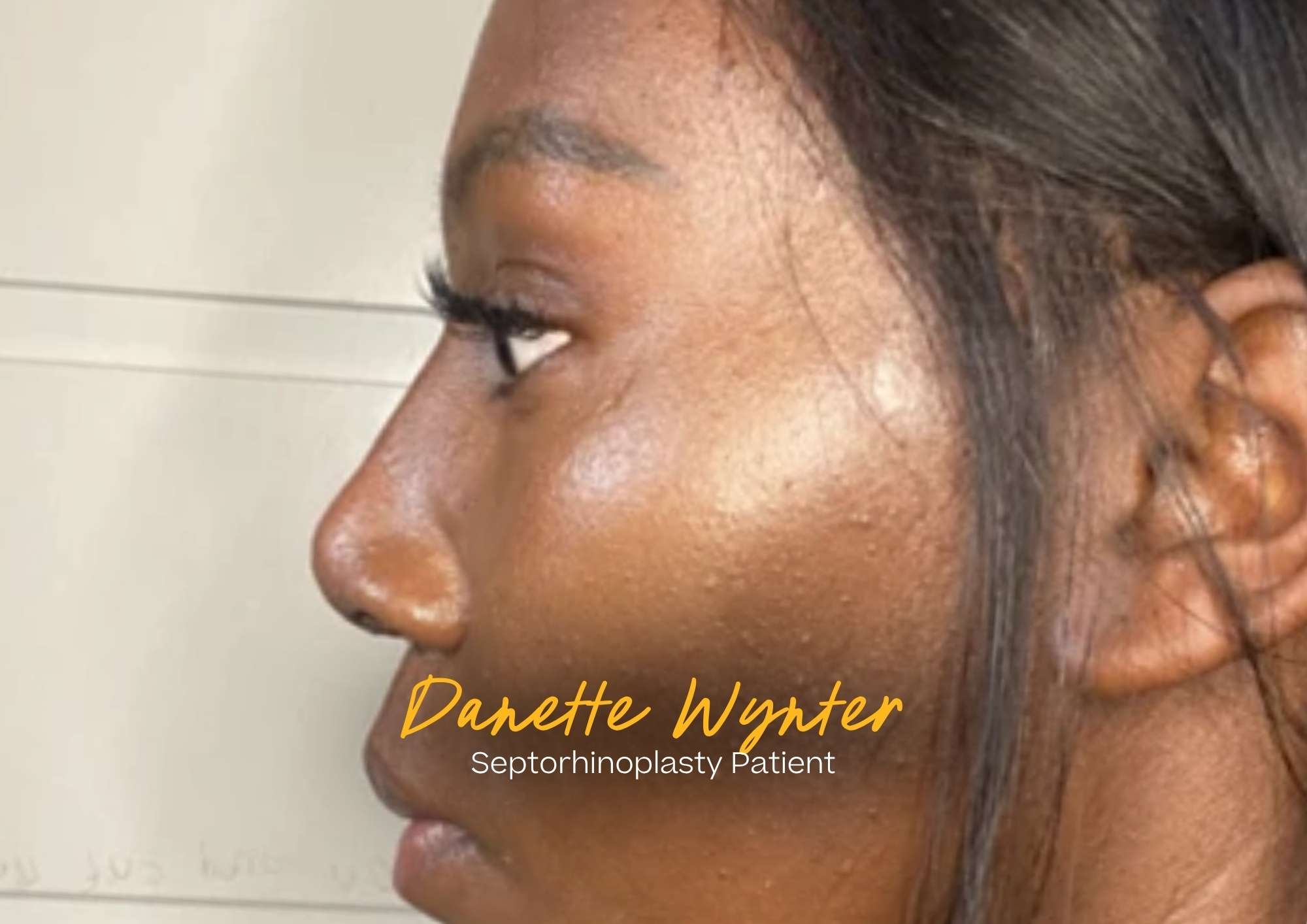
Danette Wynter Septorhinoplasty

"Now I can’t stop sharing selfies!" Danette Wynter Septorhinoplasty

Pall Mall Fallback Image
Patient Stories: Lydia's Rhinoplasty Journey

Lydia chose Pall Mall for her Rhinoplasty surgery. Read her story, explore the procedure, and see her results.

Pall Mall Fallback Image
Anthony Fowler: Open Septorhinoplasty with Professor Raghavan

Anthony, aged 34, from Liverpool visited Pall Mall for Open Septorhinoplasty surgery earlier this year. He’s best known for his 20-year-long career as a professional boxer as well as being an Olympian and Commonwealth Games gold medalist.

Pall Mall Fallback Image
Patient Stories: Gigi Simon's Nose Job Journey

From her motivations and surgery experience to her confidence-boosting transformation and recovery journey.

Pall Mall Fallback Image
Patient Stories: Kim Mann Opens Up About Her Rhinoplasty at Pall Mall

Kim Mann shares her rhinoplasty experience with Pall Mall Cosmetics in a deeply personal and transformative story in her journey of self-confidence after years of feeling uncomfortable about her nose shape and profile.

Pall Mall Fallback Image
A life changing transformation through Rhinoplasty at Pall Mall

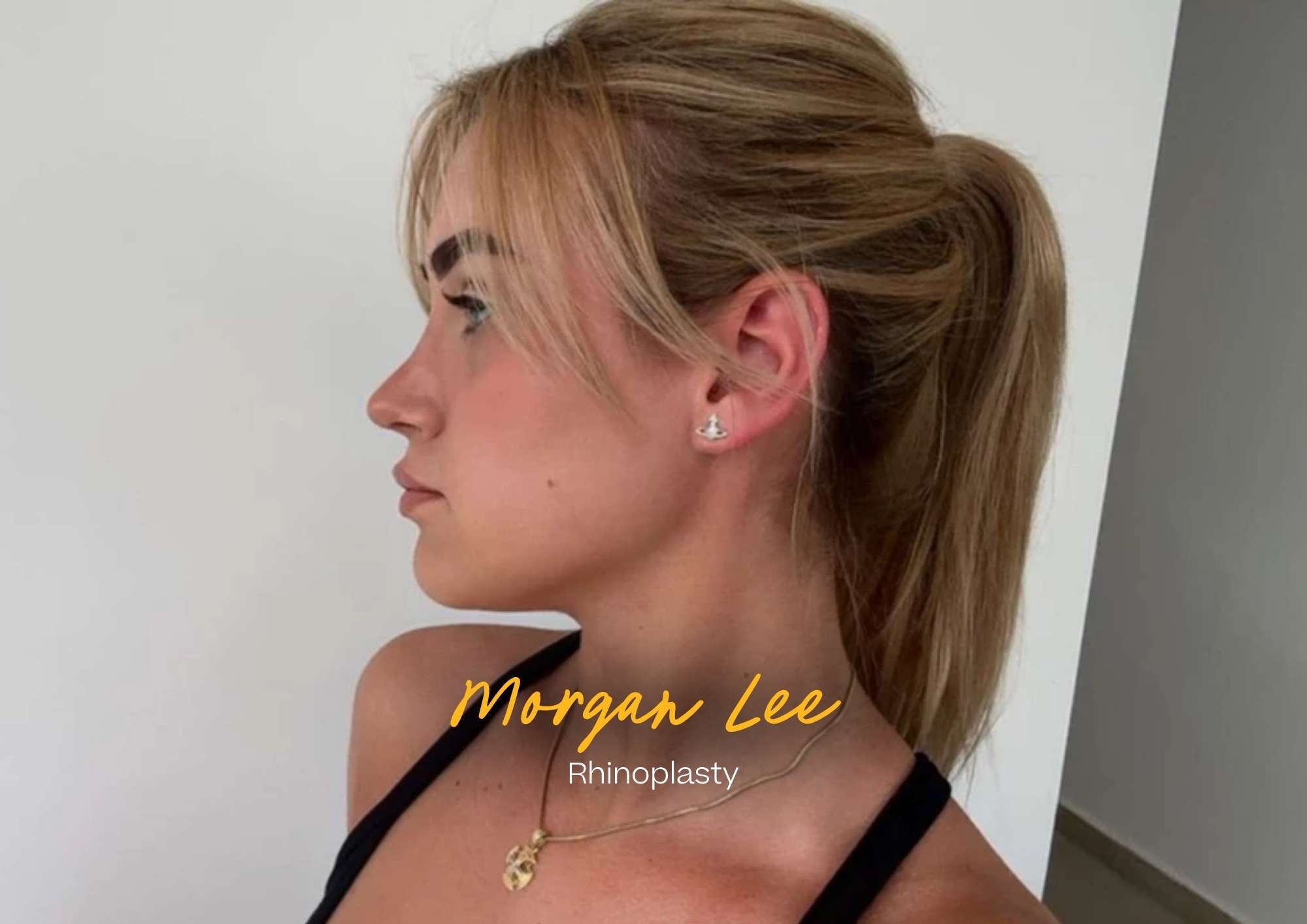
From overcoming insecurities to achieving a natural, balanced side profile Morgan shares about her life-changing results and recovery tips.

Pall Mall Fallback Image
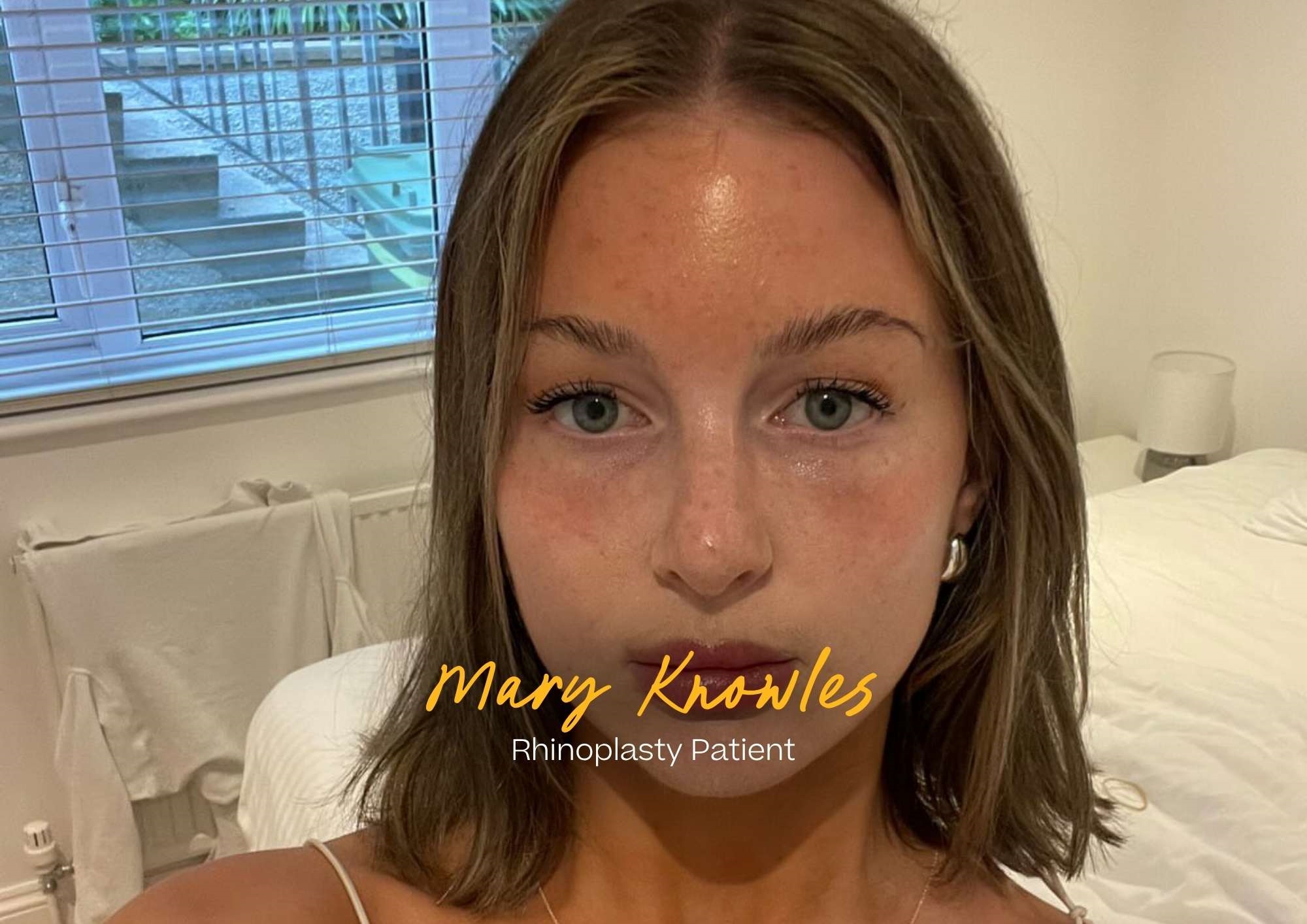
Mary’s life-changing Rhinoplasty

Mary Knowles, 21, underwent rhinoplasty at Pall Mall Cosmetics to address insecurities and breathing issues. Post-surgery, she feels confident and advises thorough research and choosing the right surgeon for best results.

Book Your Free Consultation

A member of our team will be in touch with you to discuss your requirements. 

I agree to receive advice, offers and news by email and SMS in accordance with our privacy policy