
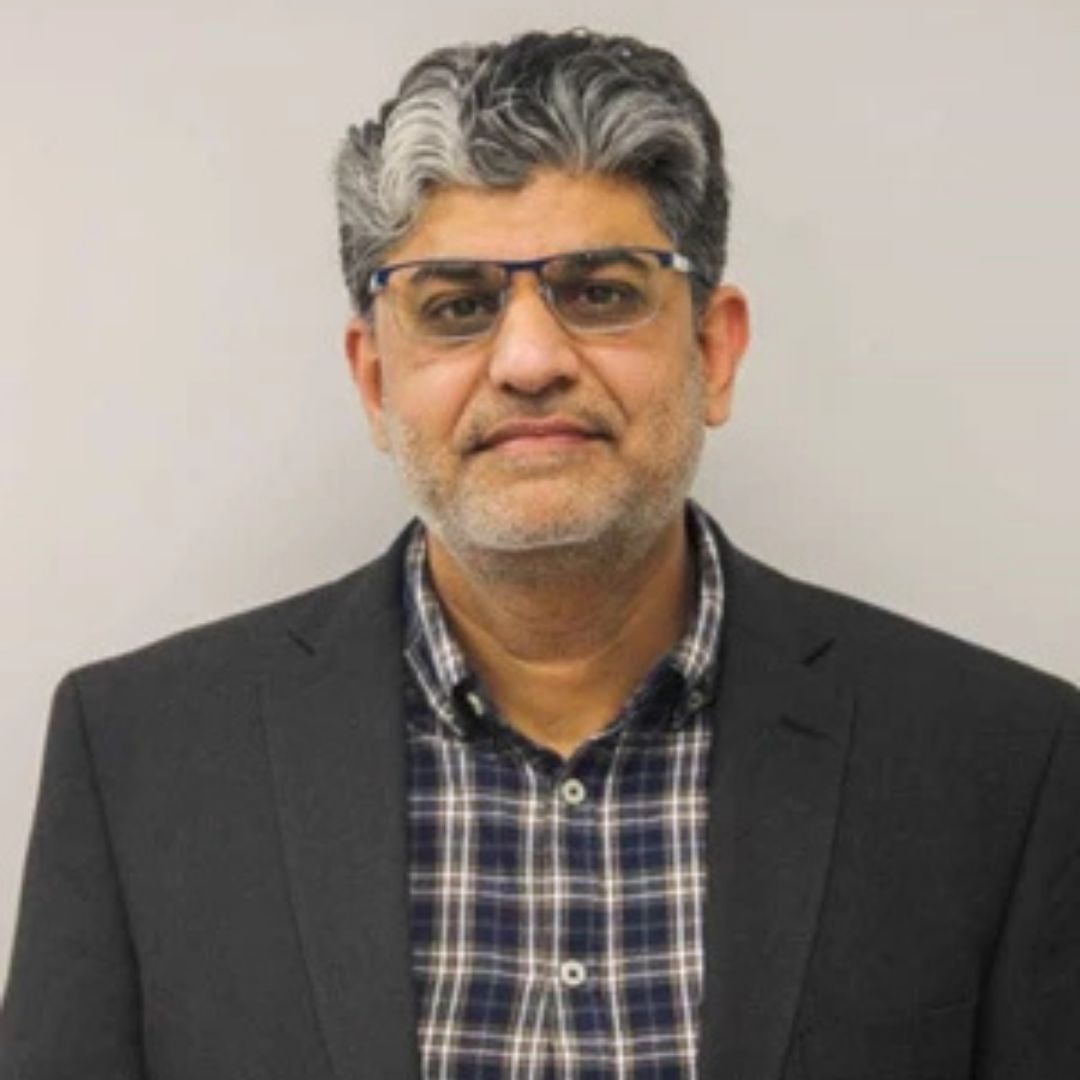
“Patients often understandably worry about whether what they’re experiencing during recovery is normal. My advice is not to compare your recovery too closely with somebody else’s, or even with what you may have seen online, as everyone heals differently. You’ll be supported throughout your recovery, so if something doesn’t feel right or you’re concerned at any stage, speak to your surgical team. No question is too small when it comes to your recovery.” - Professor Raghavan

Facelift Recovery Timeline: What to Expect, Day by Day and Week by Week
Facelift Recovery Timeline at a Glance
Recovering from a facelift is a gradual process, and knowing what to expect at each stage can help you feel more relaxed and prepared. In this guide, we'll walk you through the typical facelift healing timeline, from the first few days of rest through to your longer-term results. You'll find out how your swelling and bruising are likely to settle, how your incisions heal, and what you can do to support wound healing along the way. While everyone recovers at their own pace, our team is here to support you every step of the way with two years of aftercare as standard.
Recovery Stage | What to Expect | What You Can Do |
| Days 0-3 | Tightness, pressure and swelling, which usually peaks around days 2 to 3. A supportive bandage is worn. | Rest, take prescribed medication, sleep with your head raised and take short, gentle walks indoors |
| Days 4-7 | Discomfort eases and bruising begins to fade. | Gently wash your hair and face once your surgeon approves. |
| Days 7-14 | Non-dissolvable stitches are removed, Some surgeons remove stitches in front of the ear at 5 days and those in the scalp later. | Attend your appointment to have your stitches removed, keep your incisions clean and dry, and continue sleeping with your head raised. |
| Weeks 2-3 | Light bruising and mild swelling, with some tightness or numbness. | Many people return to desk-based work and light social plans. Drive once your surgeon or nurse confirms it's safe. |
| Weeks 4-6 | Your face begins to feel softer and more natural. Scars are pink but starting to fade. | Gradually return to exercise once your surgeon gives the go-ahead, and begin scar care as advised. |
| 3-9 months | Remaining swelling continues to settle and scars gradually fade. | Protect your scars from the sun and attend any follow-up appointments. |
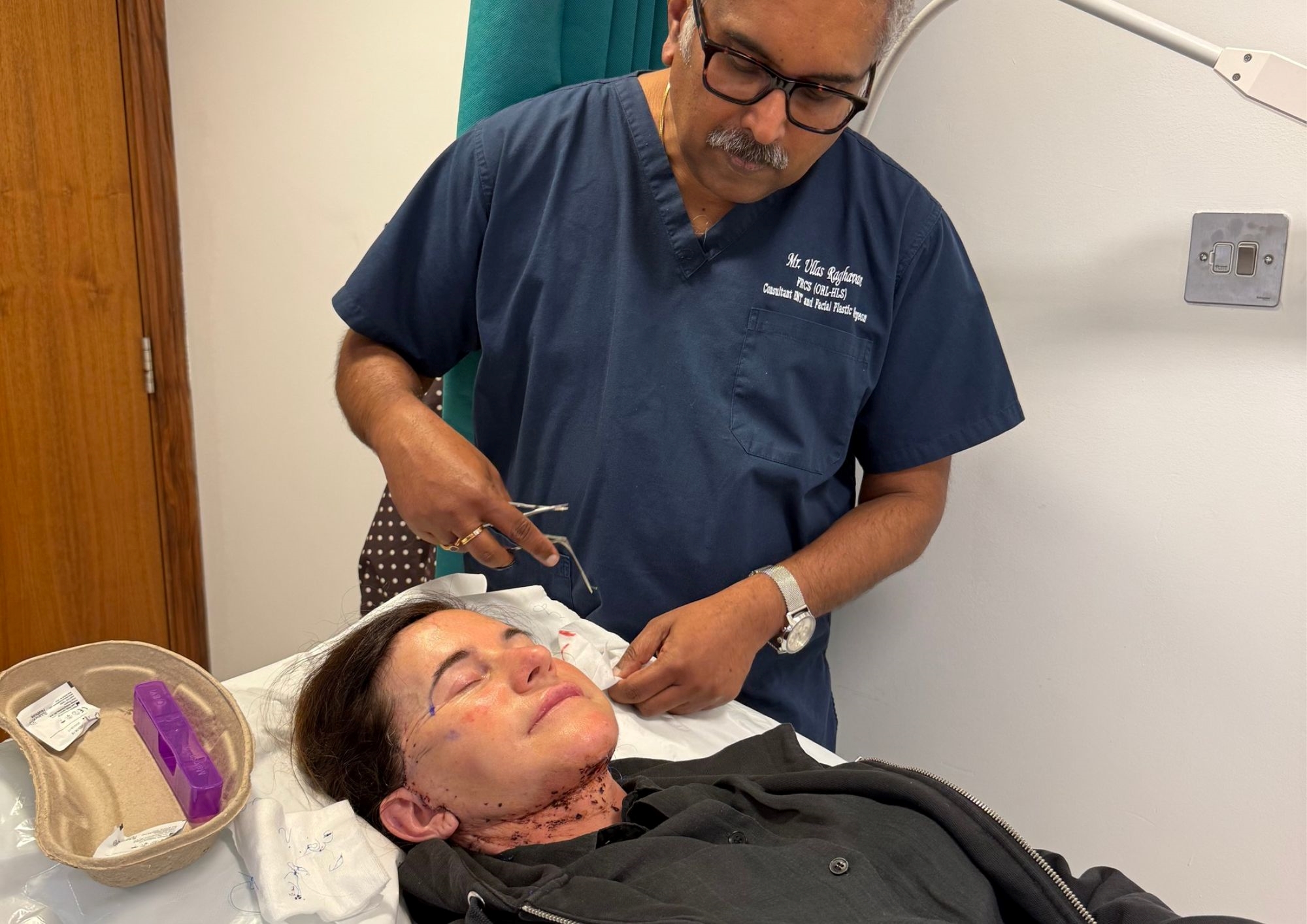
The Immediate Post-Op Phase:
The first few days after your surgery are dedicated entirely to rest. Your body is directing its energy toward initial tissue repair, so taking it easy is vital. The first 10 to 12 days are all about resting at home. Pottering around the house, catching up on your favourite shows and keeping outings to a minimum will give your body the best chance to heal.
What to Expect:
Dressings and Bandages: You will wake up with a soft supportive bandage around your face and jawline to minimise swelling and keep tissues supported.
Discomfort: Many patients find the discomfort more manageable than they expected. You may experience tightness, pressure, or a deep ache rather than sharp pain.
Peak Swelling and Bruising: Swelling and bruising will begin to develop and typically reach their peak between Day 2 and Day 3.
How to Help Healing After a Facelift:
The first few days can feel a little daunting, and with bandages, swelling and bruising, it's completely normal to look in the mirror and wonder if you've made the right decision. Try not to judge your results just yet, as what you're seeing is your body's natural healing response, and it will settle with time. For now, your only job is to rest and let your body recover.
Keep Your Head Elevated: Sleep on your back with 3-4 pillows (or use a wedge pillow) to reduce fluid accumulation in your face and neck.
Keep Your Face Cool: Gently applying a cool, damp flannel or hand towel to your face can help ease swelling and keep you comfortable. Avoid placing anything directly on your incisions.
Gentle Indoor Walks: While rest is priority number one, taking short, gentle walks around your living room helps promote circulation and reduces the risk of Deep Vein Thrombosis (DVT).
Stay Hydrated, But Don't Overdo It: Drink enough to stay comfortably hydrated, but there's no need to force down extra water. After surgery, your body naturally holds on to more fluid, so drinking much more than you need can actually make swelling worse.
Avoid Bending and Heavy Lifting: Bending forward and carrying heavy items can increase swelling. Try not to lift anything heavier than 5kg, roughly a full kettle in each hand.
Rest Your Face: Choose soft foods rather than anything very chewy, and try not to talk too much in the first few days, as both can make swelling more noticeable.
Days 4–7
By the middle of your first week, discomfort usually starts to ease and you'll begin to feel more like yourself. Swelling and bruising will still be noticeable but should gradually settle as the healing process continues. Your incisions may look slightly pink or raised, which is a normal part of wound healing. Keep resting, sleep with your head raised and avoid bending or heavy lifting to help your incisions heal well.
Your First Post-Op Appointment:
You will visit us for a follow-up review. Your surgeon or clinical nurse will gently remove your initial bulky dressings and any non-dissolvable sutures or staples (usually around Day 5 to 7). Once your surgeon or nurse confirms it's safe, you may be able to gently wash your hair and face using a mild, un-fragranced soap.
Bruising Shifts Colour:
Dark blue and purple bruises will begin fading into yellow and green hues, migrating downward toward your neck and collarbones as they drain naturally.
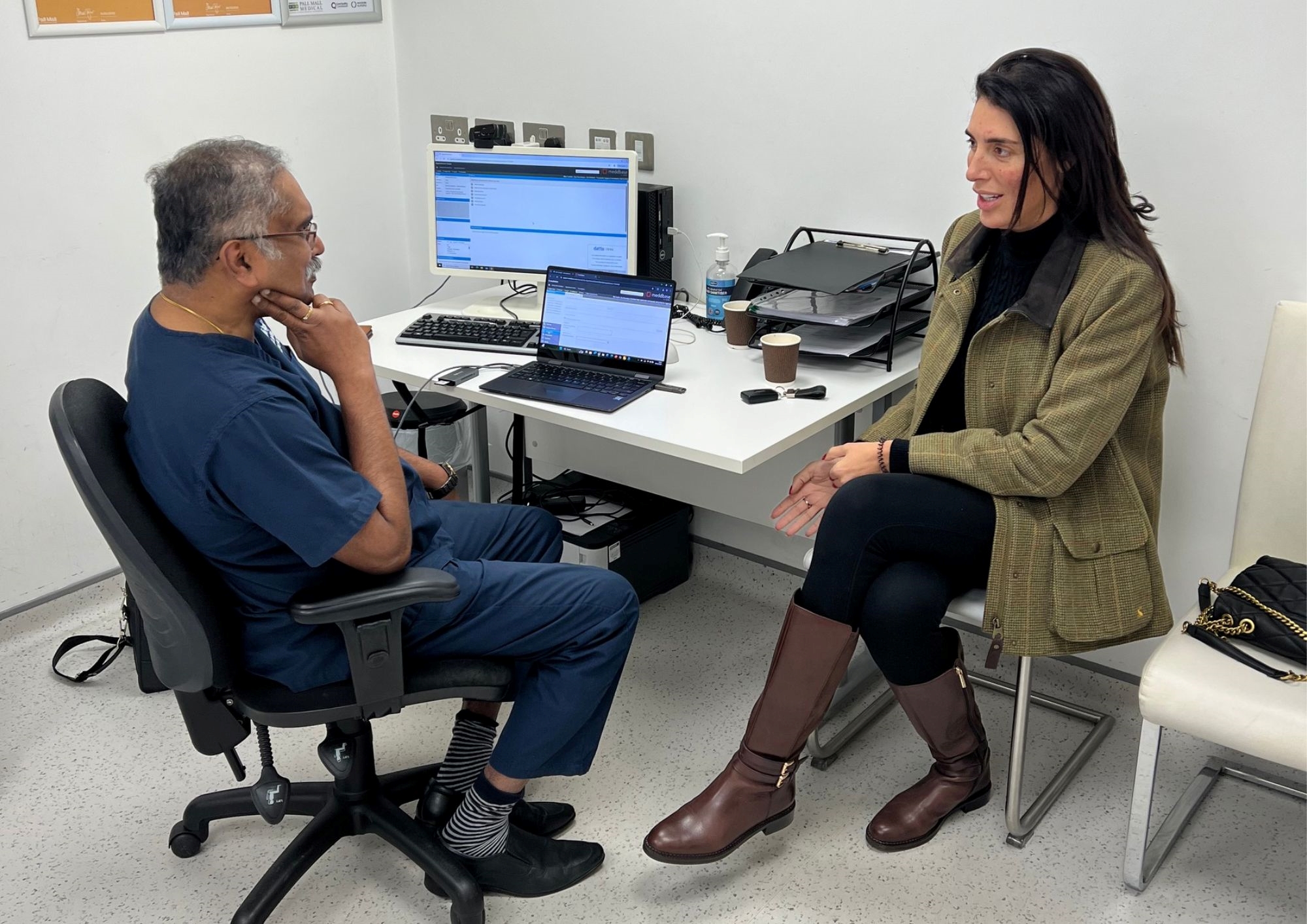
Weeks 2–3: Returning to Work and Routine
Wondering when you can head back to work or show off your new look? Most people feel ready around two to three weeks after their facelift.
By then, bruising is fading, any tightness feels much more comfortable and swelling has gone down a lot. It’s usually around half gone at two weeks and three quarters gone by four weeks, so you’ll likely feel confident getting back to your normal routine.
What to Expect
Light bruising: Any remaining bruising should be fading, often to a yellowish tint. Many patients find it easy to cover with makeup once their surgeon says it's safe to wear, but keep makeup away from incisions until after 4 weeks.
Mild swelling: Some swelling is normal at this stage, particularly around the jawline, cheeks and neck. It may feel more noticeable in the mornings or after a busy day.
Tightness or numbness: Your face and neck may still feel a little tight or numb as your tissues continue to heal.
Scar care: Your incisions, hidden around your ears and hairline, may look pink or slightly raised as they heal. Keep them clean, protect them from the sun and avoid picking at any scabs. Skin creams in contact with your scars before 4 weeks may increase the risk of infection.
Skincare and hair colouring: Stick to your usual skincare routine rather than trying new products, as this helps avoid any skin sensitivity. Keep creams and other products away from your scars, and avoid colouring your hair until at least four weeks after surgery.
Checking In on Your Progress
You're always welcome to come in if you'd like us to check how you're healing or if you have any questions. This is all included in your two-year aftercare, so there's no extra cost. During a visit, your nurse or surgeon can:
Check your progress: Look at how your incisions are healing and how your swelling and bruising are settling.
Advise on your next steps: Let you know whether you're ready to drive, return to work or build up your daily activities.
Answer your questions: Talk through any tightness, numbness or skincare concerns, so you feel supported as you get back into your routine.
Facelift Recovery Milestones: Work, Driving and Social Plans
Returning to Work
Most people feel ready to return to work after two to three weeks. Avoid heavy lifting or physically demanding tasks until your surgeon confirms it's safe.
Driving
Avoid driving for at least the first two weeks, or until you can move your neck comfortably. Make sure you can perform an emergency stop safely, and check with your surgeon or nurse if you're unsure.
Getting Out and About
Most patients feel comfortable at 2-3 weeks, although, you may prefer to wait until after three weeks before attending social events, as much of the finer swelling will have settled by then. Remember to protect your face from the sun with a wide-brimmed hat and SPF.
Saunas, Steam Rooms and Massages
Avoid saunas, steam rooms, hot tubs and facial or neck massages for at least the first two weeks, as heat and pressure can increase swelling and affect how your incisions heal. Check with your surgeon or nurse before booking any treatments, so you know it's safe to go ahead.
Checking In With Our Team
If you'd like us to check how you're healing, you're welcome to come in at any time as part of your two-year aftercare. It's a great opportunity to ask any questions about your activity levels, driving or scar care.
Weeks 4–6: Reclaiming Your Lifestyle
Checking In at Six Weeks: you're welcome to arrange a follow-up appointment as part of your two-year aftercare. During a visit, your clinical team can check how your swelling is settling and review how your incisions are healing.
Resuming Fitness: from around four weeks, you can usually start gentle exercise, gradually building up to full cardio and weights by around six weeks. Doing heavy exercise too soon can make swelling last longer, so take it slowly and follow the aftercare advice you were given. If you're unsure whether you're ready, our team is always happy to advise.
Softer Tissues: The underlying tightness will continue to relax, allowing your facial expressions and movements to feel soft and effortless.
Scar Care Begins: Your incision lines will look pink, but they will begin the gradual process of fading. You can start applying surgeon-approved scar therapies or gentle silicone gels such as Kelocote, usually once your incisions have fully closed.
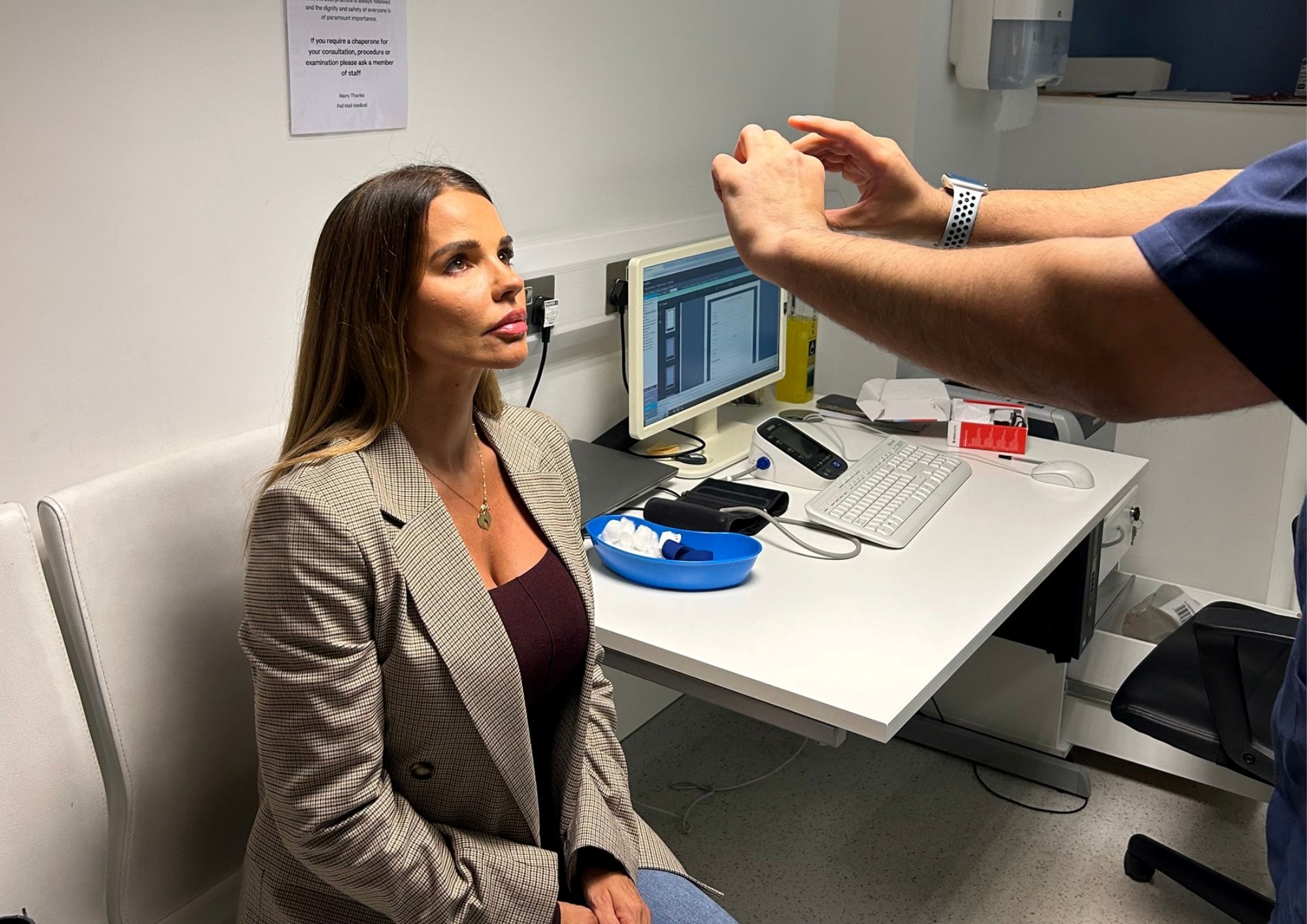
Facelift Scar Care
Facelift incisions are generally discreet. Their placement can vary depending on the type of facelift procedure, but they’re usually behind the ears or along the hairline. While you may be tempted to get involved with scar healing, recovering from a facelift is an individual process. Your surgeon will assess your incisions and how they’re healing at your aftercare appointments.
“The healing process is different for everybody and it can be affected by a number of things, such as existing medical conditions or medical history. Long-term steroid use can slow down healing time. Incisions will also be slower to heal if there has been an infection.
Where scars are healing slower than usual, I may recommend patients look at scar care treatments. It all depends on the patient,” - Mr Gautham Ullas
Softening scars with CO2 laser resurfacing
Once your incisions have fully healed, you might like to give your scars a little extra help. CO2 laser resurfacing uses a precise laser to gently remove the outer layers of damaged skin. This encourages your body to produce fresh collagen, which can help smooth uneven texture, soften raised edges and blend your scars with the surrounding skin. If you’d like to find out whether it’s right for you, just ask at your next aftercare appointment.
Changes to Your Hairline
Because facelift incisions are often placed along or near the hairline, you may notice some changes as you heal. Your hairline or sideburns may sit slightly higher than before, and some people notice thinning hair around their incisions, particularly at the temples.
Hair thinning is often temporary and may gradually improve over the following months, although in some cases the change can be permanent. Your surgeon will talk you through how your incisions will be placed and what to expect during your consultation, so there are no surprises.
Things Not to Worry About During Recovery
It is completely normal to notice unusual sensations while your tissues and minor nerves heal. Here are a few common recovery side effects that are usually a normal part of the healing process:
Asymmetrical Swelling:
It is rare for both sides of the face to heal at the exact same pace. One cheek or jawline may look slightly more swollen or bruised than the other. This will even out as healing progresses. However, contact us straight away if you notice swelling that comes on suddenly or keeps increasing, especially on one side, or if you have severe pain, a high temperature or signs of infection around your incisions.
Numbness and Tightness:
Feeling numb or "wooden" around your cheeks and ears is expected while your nerves heal. Some feelings usually start to return within two to three months, although it can take 12 to 18 months for sensation to return to normal.
Pinchy Sensations or Itching:
Mild itching or brief, sharp "zings" around your incision lines are a common part of healing as your nerves and skin recover.
Feeling Low or Emotional:
It's common to feel a little low, tearful or unsure in the first few days after surgery, sometimes known as the "post-surgery blues". Tiredness, swelling and bruising can all play a part, especially when you're not yet seeing your results. These feelings usually pass as you start to heal and feel more like yourself. If they don't ease, or you're finding things difficult, please talk to our team. We're here to support you.
If anything doesn't feel quite right, or you'd simply like some reassurance, our team is available around the clock, so please don't hesitate to get in touch. No question is too small.

Real Patient Insights: What the Community Says
Recovering from a facelift is a deeply personal journey, but you don't have to navigate it alone. In our private Pall Mall Facebook Community, real patients share unfiltered weekly updates, milestone photos, and practical tips.
Here is what one of our community members shared about her recovery milestone:
Whether you want to ask questions about sleeping elevated, compare notes on swelling timelines, or celebrate your own progress photos, our Facebook community is here for you every step of the way.

Join our private community
Join our Facebook community to connect, chat, and get real advice from other Pall Mall patients. Whether you have questions, need support, or just want to hear from others who’ve been there – our community is a space designed for you.
Why Pall Mall?
Choosing to undergo facial surgery is a major decision, and feeling confident in your care team makes all the difference to a smooth, stress-free recovery. At Pall Mall Medical, your health, safety, and final results are supported by rigorous clinical standards every step of the way.
GMC-Registered Specialist Surgeons:
Every plastic surgeon on our team is fully registered with the General Medical Council (GMC) and holds specialist accreditation in plastic surgery. They bring decades of combined cosmetic experience, utilising modern, deep-tissue lifting techniques that deliver natural, long-lasting results.
CQC-Regulated Excellence:
Pall Mall is fully regulated by the Care Quality Commission (CQC), the independent regulator of health and social care in England. This guarantees that our private hospital facilities, surgical suites, and post-operative care meet the highest national standards for safety, hygiene, and clinical governance.
Comprehensive Aftercare Package:
Your surgical fee includes post-operative aftercare. Whether you'd like a wound check, advice on your recovery or reassurance that you're healing well, you're welcome to get in touch or come in whenever you need to. Our clinical team is here to support you throughout your healing journey.
Flexible Finance Options:
We want the cost to feel clear and manageable, so you can focus on your recovery rather than your budget. Our finance options let you spread the cost of your surgery into monthly payments, including interest-free plans. Your patient coordinator can talk you through the choices at your consultation, with no pressure to decide on the day. Credit is subject to age and status.
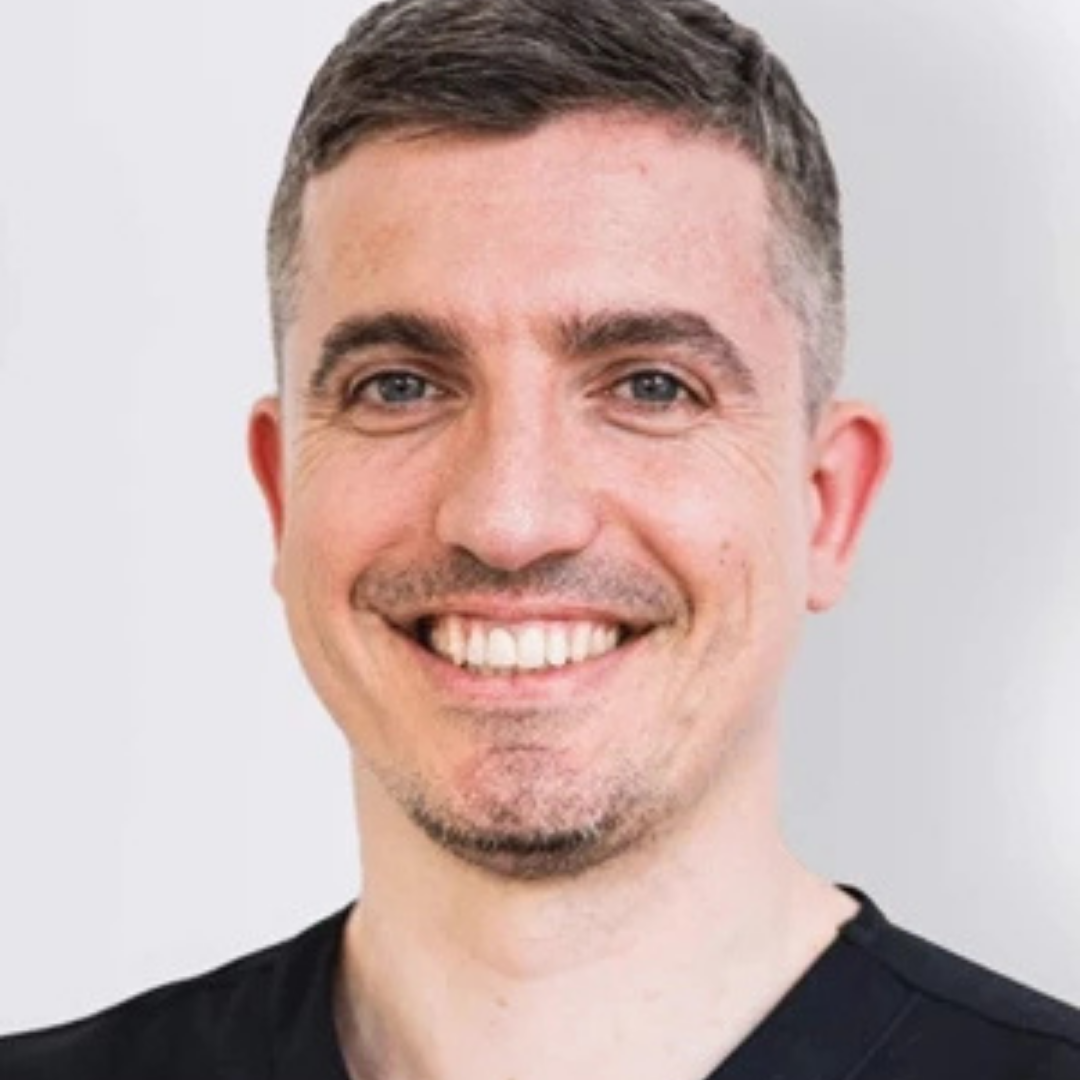
Meet our Surgeons
Face and Neck lift surgery is one of the most popular and life changing cosmetic procedures. Our expert plastic surgeons and facial cosmetic surgeons can discuss all of the options with you during a free of charge consultation.



Prefer to watch rather than read?
FAQs
What is a facelift?
A facelift, medically known as a rhytidectomy, is a surgical procedure that aims to reduce visible signs of ageing in the lower face and neck. Rather than simply tightening the skin, a modern facelift lifts and repositions the deeper facial tissues (known as the SMAS layer). This can help improve sagging along the jawline, soften deep folds around the mouth and reduce loose skin on the neck, for a more refreshed, natural-looking result.
Is facelift surgery painful?
Most patients describe facelift recovery as uncomfortable rather than painful. You are more likely to experience tightness, pressure, and mild aching in the first few days, which is easily managed with strong painkillers.
How do I hide my scars while healing?
Pall Mall plastic surgeons place incisions strategically within the natural contours of your ear cartilage and behind the hairline. Once incisions close (around Week 2), light mineral makeup, hair styling, and glasses easily disguise any residual pinkness.
How long do facelift results last?
It depends on the type of facelift. A mini facelift typically lasts approximately 3 years, a traditional SMAS facelift 5-6 years, and a deep plane facelift on average 11 years. While a facelift doesn’t stop ageing, you’ll always look younger than you would have without it. Maintaining a stable weight, not smoking and protecting your skin from the sun all help your results last longer.
How to help bruising from a facelift?
Bruising is a normal part of recovery and usually fades over two to three weeks. To help it settle:
Sleep with your head raised on two or three pillows.
Use a cold compress wrapped in a cloth in the first few days, avoiding your incisions.
Rest, take gentle walks and avoid strenuous activity.
Avoid alcohol and smoking.
Only take medication or supplements your surgeon recommends.
If bruising or swelling suddenly gets worse, especially on one side, contact our team straight away.


Enquire about a Facelift
A member of our team will be in touch with you to discuss your requirements.