Choosing the Right Size (Volume)
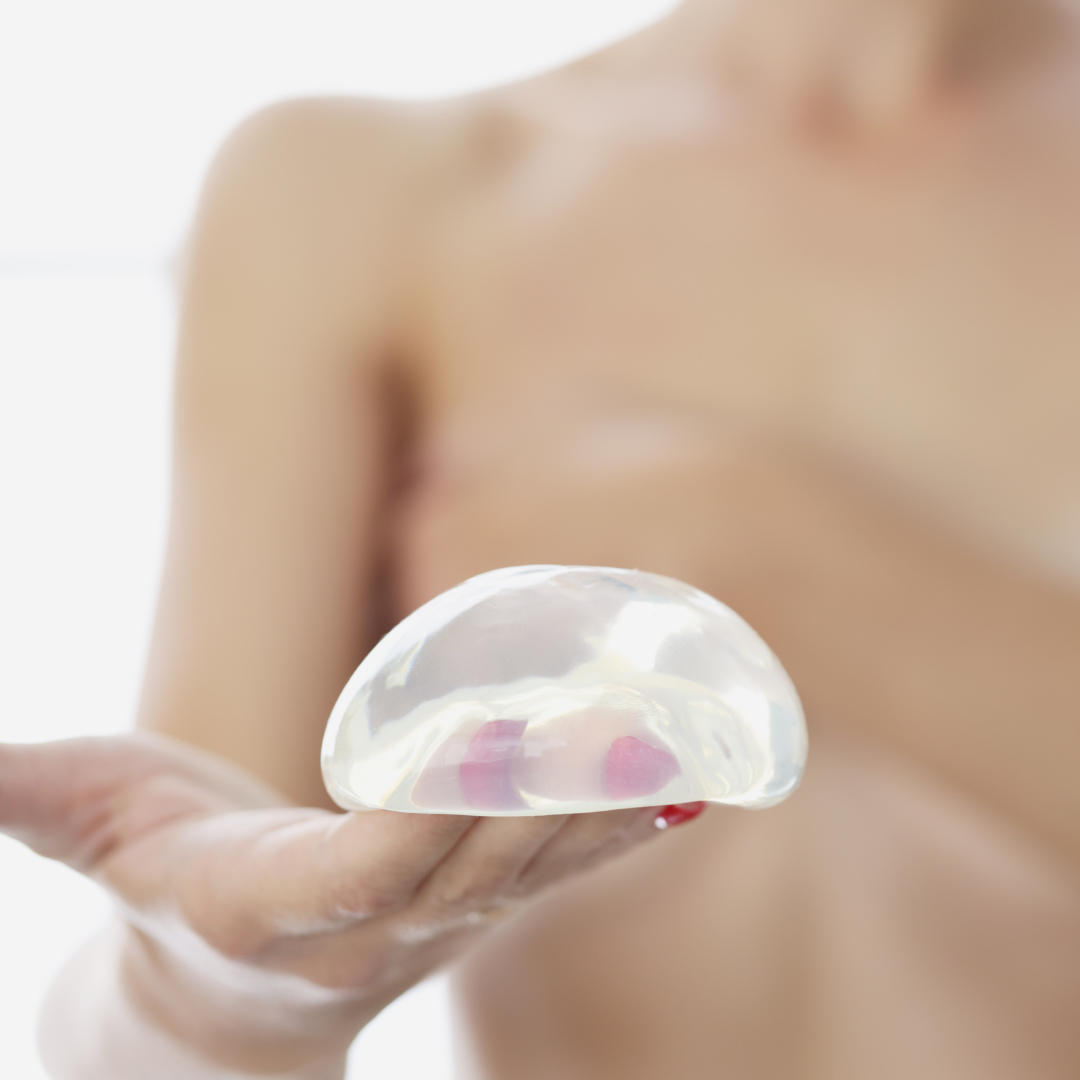
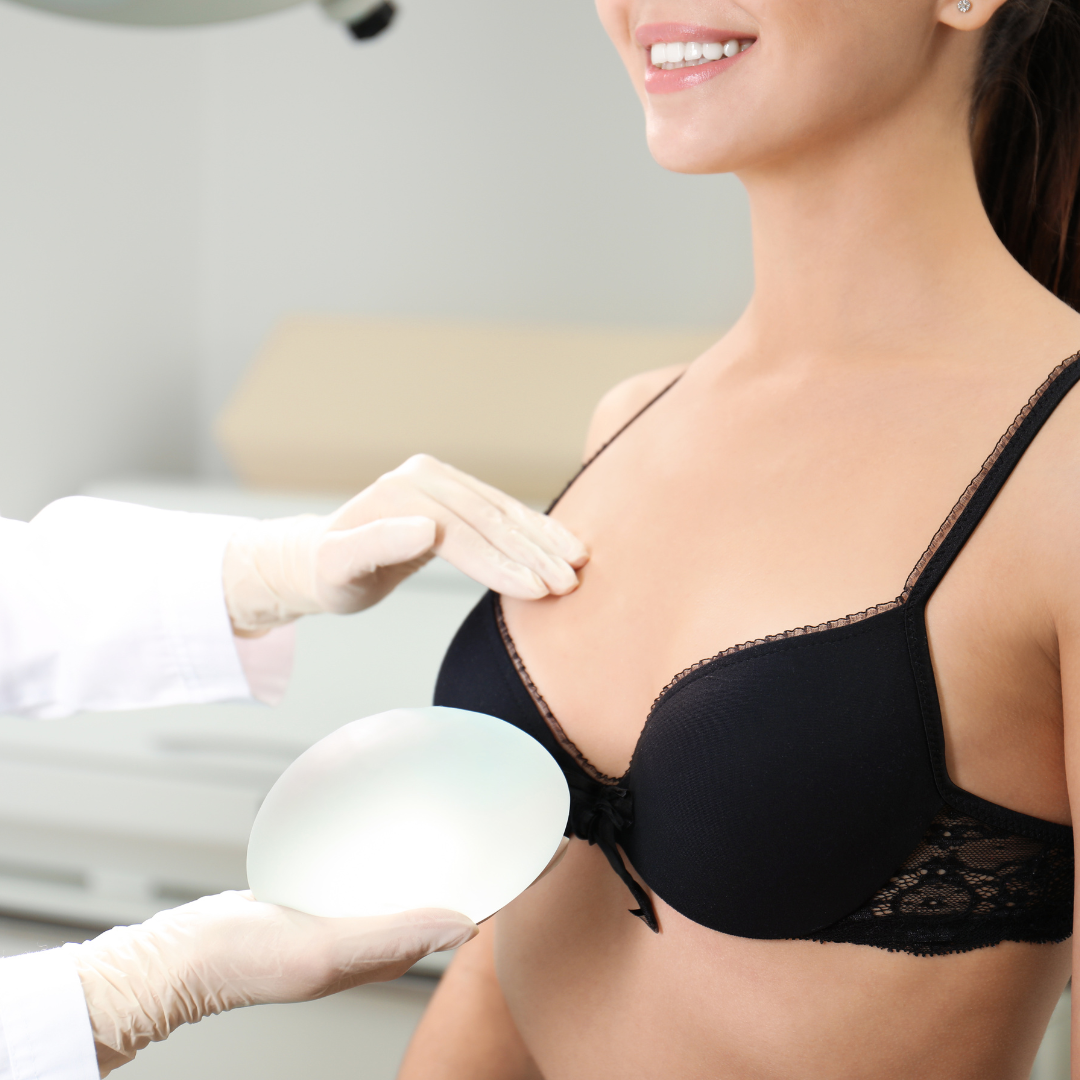
Implant size is measured in cubic centimeters (cc), not bra cup sizes. This is because a 300cc implant looks very different on a petite frame than it does on a wider torso.
What you need to think about when choosing cc sizes:
Torso size: Implants look larger on smaller, slimmer frames
Natural breast width: the base of the implant shouldn’t be larger or narrower than your natural breast width
Body proportions: breast augmentation is about balancing your entire silhouette
Lifestyle and physical activity impact: larger implants weigh more, which can affect high intensity exercise and workouts
Longevity: larger, heavier implants may cause the breast to sag (ptosis) faster and require an uplift or replacement sooner.
Breast enlargement surgeons take a tissue-based approach, where they measure your breast tissue and skin elasticity to see what your tissues can naturally support. This prevents a rippling effect and skin that looks overly thin.
Implant cc vs cup sizes
Bra cup sizes vary too much for an accurate measurement of volume increase, but its useful to get an understanding of how different implant cc volumes relate to cup sizes.
| CC volume | Approximate cup size | What it looks like |
| 150cc | 1/2 to 1 full cup | Very subtle, natural enhancement. Best for a minor increase in volume. |
| 200cc | 1 full cup | Subtle enhancement, typically maintaining a natural appearance. |
| 250cc | 1 to 1.5 cups | A noticeable but modest increase in size. A common starting point for many patients. |
| 300cc | 1.5 to 2 cups | A popular choice providing a moderate and noticeable increase. |
| 350cc | 2 to 2.5 cups | Providing a fuller, more significant look. |
| 400cc | 2.5 to 3 cups | A larger volume for a more dramatic increase in size and fullness. |
| 450cc | 3 to 3.5 cups | Very significant volume increase. Patients should consider the impact on longevity and lifestyle at this size. |
| 500cc | 3.5 to 4 cups | A substantial and dramatic increase in size. Requires careful consideration of tissue support and long-term effects like ptosis (sagging). |