Menu Menu
How to talk to someone you're worried about

How to talk to someone you're worried about

Before you start: pick your moment

Where and when you talk matters as much as what you say. A few things help:

  • Choose somewhere private and relaxed. A walk, a drive or a cup of tea at home often feels easier than a face-to-face "we need to talk". Sitting side by side can take the pressure off.

  • Give it time. Avoid moments when either of you is rushing, tired or stressed, or when other people are around.

  • Think about what you've noticed. Be ready to share one or two specific things, such as "you've been coughing for a while" or "you seem really worn out lately". Specifics feel caring. Vague worries can feel like criticism.

  • Be clear on your aim. You're not there to diagnose or fix anything. You're there to show you care and to open the door.

How to bring it up

The first few words are often the hardest. Starting with care, rather than concern, helps the other person relax. Speak from your own point of view ("I've noticed", "I've been thinking") rather than telling them what's wrong.

Here are a few ways to open the conversation:

  • "I've noticed you've not seemed yourself lately. How are you doing, really?"

  • "I hope you don't mind me asking, but you mentioned that pain a few times now. Is it still bothering you?"

  • "I care about you, so I wanted to check in. Is everything OK?"

  • "You've had that cough for a while now. Have you had a chance to get it looked at?"

Then pause and let them answer. Silence can feel awkward, but it gives them space to think. If they don't want to talk right now, that's OK. Let them know the door is open: "No pressure. I'm here if you ever want to chat."

How to avoid upsetting them

Health can feel personal, and people can be private, proud or worried about what they might hear. Most upset comes from feeling judged, rushed or told what to do. These small changes keep the conversation warm.

  • Try: "I've noticed you seem tired lately."
    Instead of: "You look awful."

  • Try: "How are you feeling about it?"
    Instead of: "I'm sure it's nothing."

  • Try: "Would it help to get it checked, just for peace of mind?"
    Instead of: "You need to see a doctor."

  • Try: "That sounds really hard."
    Instead of: "My friend had that, and it was terrible."

  • Try: "What would help you most right now?"
    Instead of: "Here's what you should do."

A few other things help:

  • Listen more than you talk. Let them share at their own pace, and don't rush to fill the gaps.

  • Avoid guessing what it might be. Searching symptoms online together can add worry. Leave the answers to a doctor.

  • Accept their feelings. If they're scared, embarrassed or annoyed, that's natural. You might say, "I understand. I'd probably feel the same."

  • Respect their choices. It's their health and their decision. Pushing too hard can make people dig their heels in.

If it's someone you work with

Talking to a colleague can feel trickier, because there are professional boundaries to respect. A light, private check-in usually works best.

  • Keep it low-key. Ask over a coffee or as you walk out of a meeting, never in front of others. "You've seemed a bit under the weather. Are you doing OK?"

  • Don't ask for details. Let them decide how much to share. "I don't need to know the details, I just wanted to check in" can be really reassuring.

  • Keep it confidential. Anything they tell you is theirs to share, not yours.

  • Point them to support at work. If your workplace has an occupational health service, employee assistance programme or health insurance, gently mention it. They may not know it's there.

  • If you manage them, focus on how you can support them at work, such as flexibility for appointments, rather than on their health itself.

How to finish the conversation

How a conversation ends is what people remember. Aim to leave them feeling supported, not lectured, and with a simple next step if they're ready for one.

  • Thank them for talking. "Thanks for telling me. I know that's not always easy."

  • Offer one practical next step. "Would it help if I found a time for you to see a doctor?" or "Shall I come with you?" Small, specific offers are easier to say yes to than "let me know if you need anything".

  • Remind them you're on their side. "Whatever happens, I'm here."

  • Leave the door open. If they're not ready, that's fine. "Let's chat again in a week or so" keeps things going without pressure.

It might take more than one conversation. That's normal. Each one makes the next a little easier.

How to keep supporting them

Support doesn't stop when the conversation does. Often, it's the little things afterwards that help someone take the next step.

  • Help with the practical bits. Booking an appointment, arranging a lift or looking after the kids for an hour can remove the barriers that stop people getting checked.

  • Offer to go with them. Having someone in the waiting room, or in the appointment to help remember what was said, can make a big difference.

  • Check in, gently. A quick message like "Thinking of you, how did it go?" shows you care without adding pressure.

  • Keep things normal. Carry on chatting, laughing and doing the things you usually do together. People don't want to be defined by a health worry.

Look after yourself, too

Worrying about someone you love is tiring. Talk to someone you trust about how you're feeling, and remember you can only do so much. Your care and support already matter more than you might think.

Helping someone take the next step

When someone is ready to get things checked, making it simple can help them follow through. At Pall Mall, we can usually see people quickly, with appointments that fit around everyday life. That could be a private GP appointment to talk things through, or a check-up such as a health screen for peace of mind.

And if they'd find it easier with you there, offer to go along with them.

One caring conversation can be the start of getting answers and getting back to living. You don't need the perfect words. You just need to start.


Our Blogs

What to expect during a free consultation
Learn more about our patient coordinators and surgery aftercare
Pall Mall Fallback Image
Doctor referral taking too long? Time to visit a private GP

If your doctor referral is taking too long, you may be feeling hopeless. Private GP appointments can get you seen faster - book your visit to Pall Mall today!

Pall Mall Fallback Image
Discover the perfect blood test for your needs with a free five minute GP call at Pall Mall

Discover the perfect blood test for your needs with a free five-minute GP call at Pall Mall. Get personalised advice from experienced GPs to stay proactive about your health. Book today!

Pall Mall Fallback Image
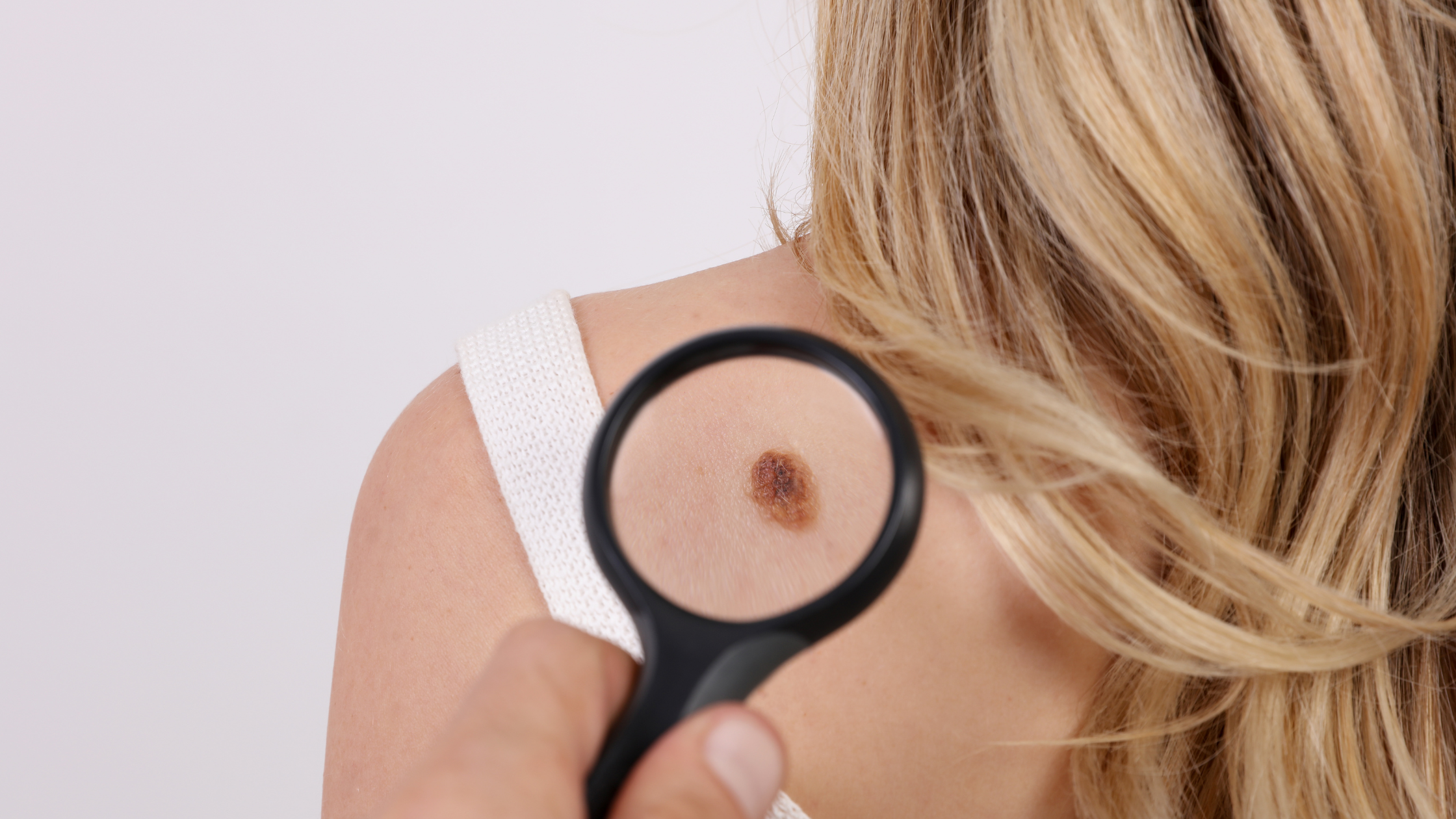
How to check your moles for skin cancer

May is Skin Cancer Awareness Month! Learn how to perform a self-examination for skin cancer using the ABCDE method.

Pall Mall Fallback Image
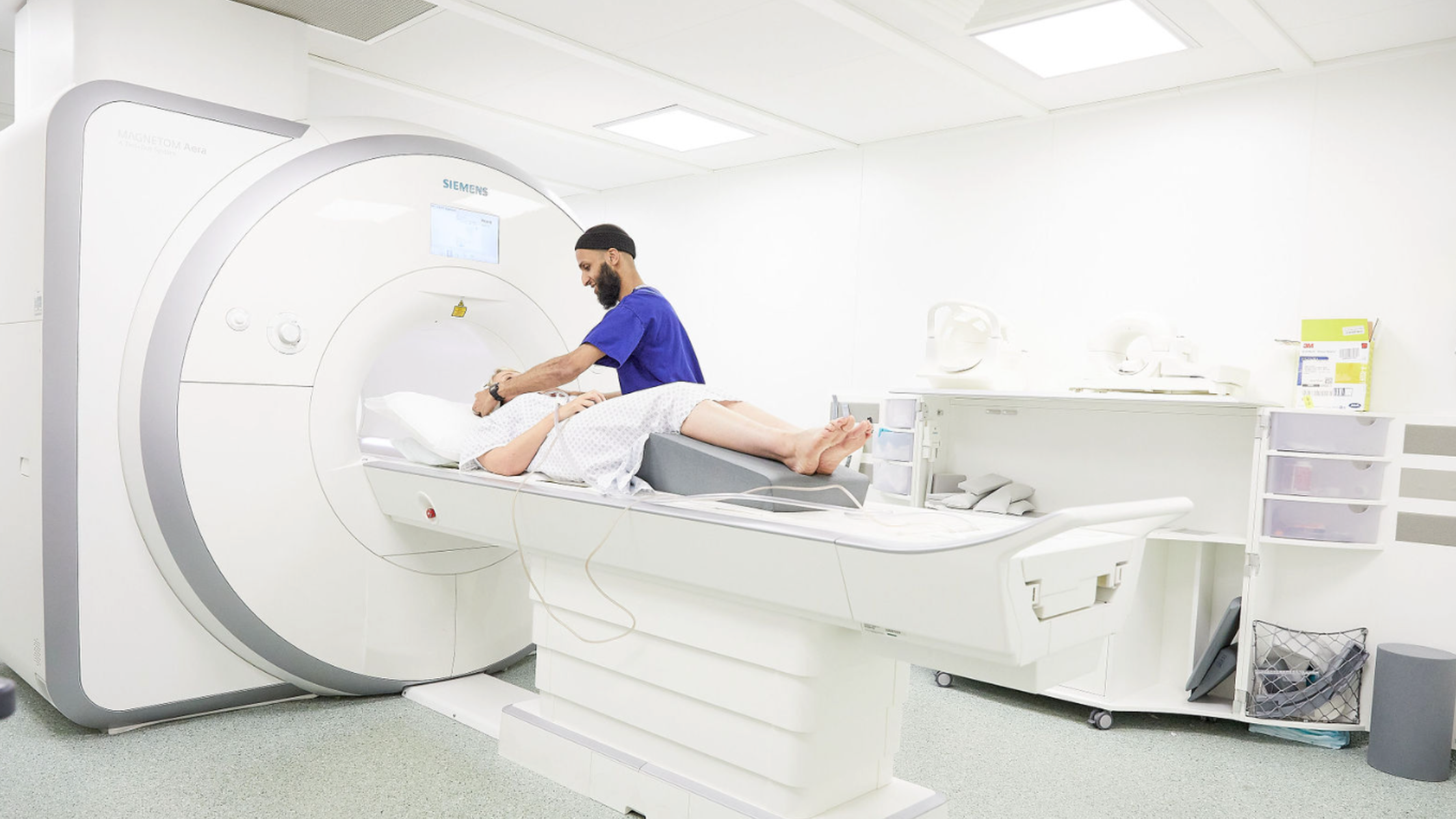
Your guide to private MRI scans – process, length, cost and more

A private MRI scan can help diagnose certain health conditions.

Pall Mall Fallback Image
How a blood test can help to explain unintentional weight loss

We’re here to tell you about the importance of listening to your body when it shows you the signs.

Pall Mall Fallback Image
What to expect during a free consultation

Learn more about our patient coordinators and surgery aftercare

Pall Mall Fallback Image
Do I have anxiety? Understanding the signs and symptoms alongside when and how to seek help

Are you experiencing excessive worry, restlessness, or difficulty concentrating? Discover the common signs and symptoms of anxiety and learn how and when to seek professional help.

Pall Mall Fallback Image
How to stop smoking (or vaping) in 28 days

Did you know, if you stop smoking for 28 days, you’re five times more likely to quit for good?

Pall Mall Fallback Image
How much does a private GP appointment cost?

If you're fed up of waiting to see a doctor but are concerned about private GP costs, look no further than Pall Mall. Our prices start from just £50, book now!

Pall Mall Fallback Image
Male health issues you need to worry about in your 20s, 30s, 40s, 50s, and 60s

Discover the key male health concerns in your 20s, 30s, 40s, 50s, and 60s. Stay informed and proactive about your well-being at every age. Find out more today!

Pall Mall Fallback Image
Private GP vs NHS GP appointments

Private GP vs NHS GP appointments: which should you choose? Learn about the benefits of private GPs in this guide. Book your appointment today!

Pall Mall Fallback Image
How does private healthcare work?

If you're wondering 'how does private healthcare work', you're not alone. This article explains the process - book your appointment with Pall Mall today!

Pall Mall Fallback Image
Can I see a consultant privately then have treatment on the NHS?

We hear 'can I see a consultant privately then have treatment on NHS?' a lot. This article has everything you need to know. Contact Pall Mall today!

Pall Mall Fallback Image
Early detection saves lives: The importance of regular screenings

Breast cancer is one of the most common cancers affecting women globally, but it is also among the most treatable when detected early. Advances in medical technology, awareness campaigns, and a growing emphasis on self-examination have led to better outcomes for countless women.

Pall Mall Fallback Image
Understanding Seasonal Affective Disorder: Symptoms, causes, and treatments

Learn about Seasonal Affective Disorder (SAD), its symptoms, causes, and effective treatments like light therapy and lifestyle changes to help manage winter depression.

Enquire About Our Services

A member of our team will be in touch with you to discuss your requirements. 

I agree to receive advice, offers and news by email and SMS in accordance with our privacy policy