Menu Menu

How to Treat Rosacea: Expert Solutions for Lasting Clear Skin

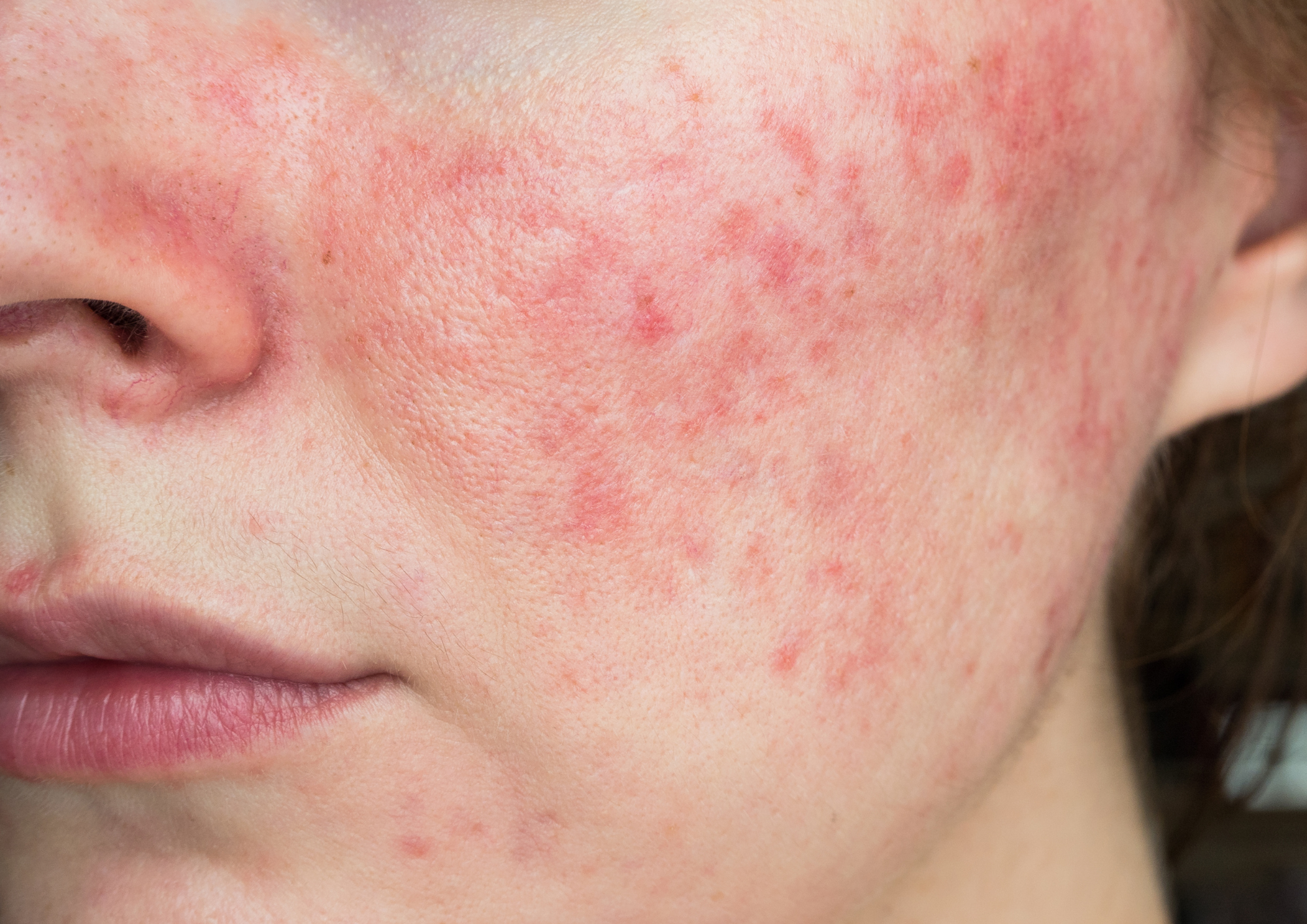
Persistent facial flushing, visible thread veins, or stubborn acne-like breakouts on your cheeks and nose can do more than irritate your skin, they can take a real toll on your confidence. If you constantly feel like your skin is reacting to everything from a warm cup of coffee to a change in the weather, you may be living with rosacea.

Rosacea is a long-term, inflammatory skin condition that affects millions of people across the UK. According to clinical guidance from the British Association of Dermatologists (BAD), "Rosacea is a common skin condition, mostly affecting the face” and “the cause of rosacea is not fully understood”. Furthermore, guidance from the Primary Care Dermatology Society (PCDS) highlights that "the severity of rosacea tends to fluctuate," leading to unpredictable flare-ups followed by periods of relative calm.

While there is no permanent cure, modern dermatological treatments make it entirely possible to control flare-ups, calm severe redness, and restore your skin’s natural clarity. At Pall Mall Medical, our consultant dermatologists provide bespoke treatment plans tailored to your specific presentation of rosacea.


The 4 Main Types of Rosacea

Rosacea manifests in four distinct clinical types. Recognising which type you have is the first step toward getting the right targeted treatment:

Erythematotelangiectatic Rosacea (Erythematous)
  • Primary Symptoms: Persistent central facial redness, sudden flushing, and visible broken blood vessels (telangiectasia).

  • Sensory Experience: The skin can feel hyper-sensitive, hot, or inflamed when triggered by ambient temperature or products. The BAD also emphasises the flushing and erythema (redness of the skin) are often paired with a burning sensation.

  • Triggering Factors: emotion and stress, hot drinks, alcohol and other vasodilating drugs and spicy food.

Papulopustular Rosacea (Inflammatory)
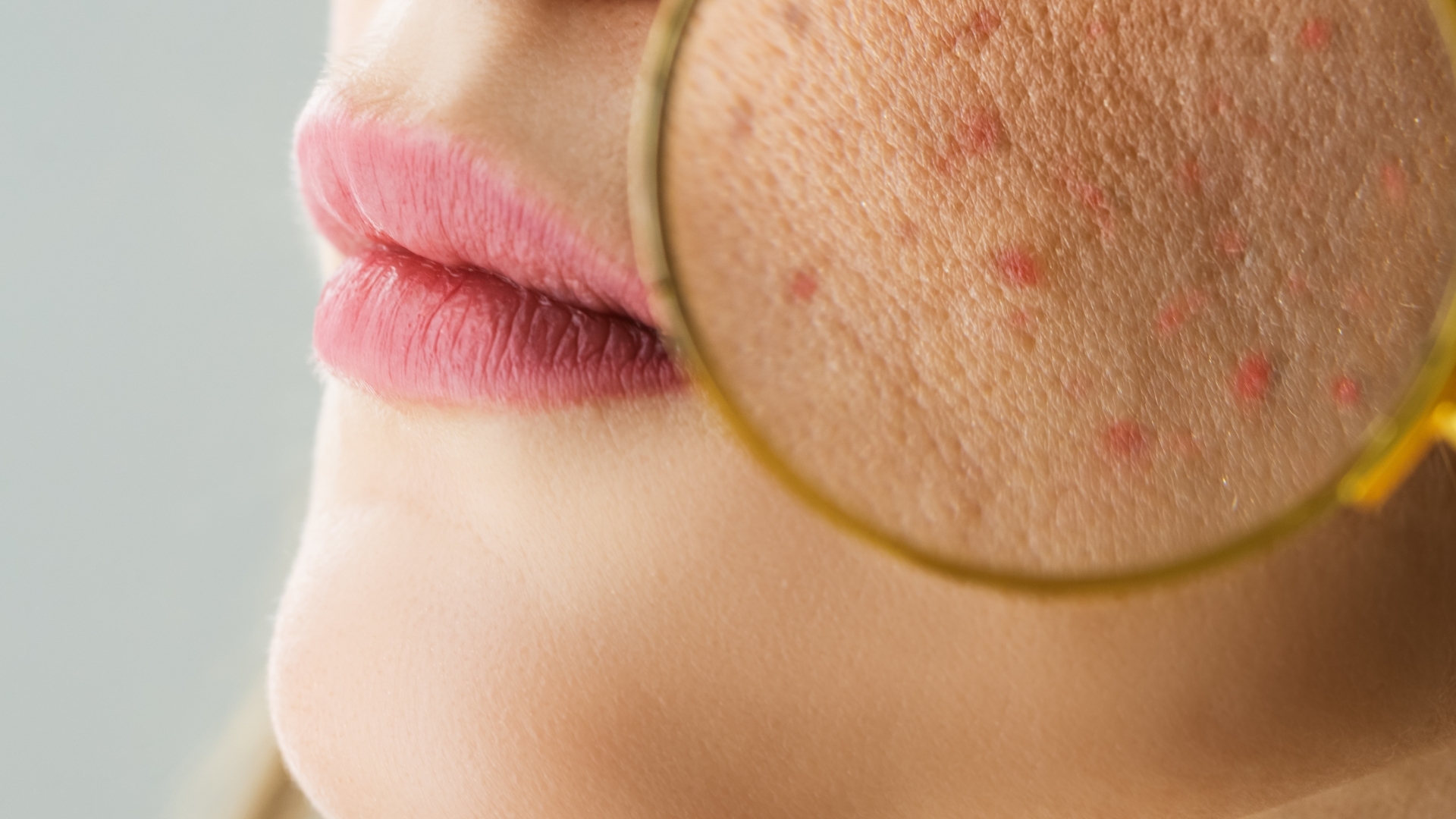
  • Primary Symptoms: Redness accompanied by inflamed, raised bumps (papules) and pus-filled spots (pustules).

  • Key Distinguishing Feature: While frequently mistaken for adult acne, the BAD confirms that “in contrast to acne, the lesions are usually painless, not consistently associated with hair follicles and not accompanied by comedones” or blackheads.

Phymatous Rosacea
  • Primary Symptoms: Chronic inflammation leading to skin thickening, swollen tissue, and an irregular, nodular surface texture.

  • Most Common Location: Most frequently affects the nose. As BAD clinical notes detail, "this most frequently manifests as rhinophyma, a bulbous, rugose, soft-tissue swelling of the nose”

Ocular Rosacea
  • Primary Symptoms: Inflammation that directly impacts the eyes and eyelids.

  • Sensory Experience: BAD indicates an initial “sensation of grittiness, burning or irritability of the eyes”

What Triggers Rosacea Flare-Ups?

While the exact underlying cause remains uncertain, research indexed in the National Center for Biotechnology Information (NCBI) database and BAD guidance highlight that a microscopic mite called Demodex folliculorum... lives harmlessly on the skin of all humans, although it frequently occurs in greater numbers in those with rosacea. “These mites are associated with bacteria, which may also provoke and inflammatory response.” 

Identifying and minimising your personal environmental triggers is a vital first step in effective management.

CategoryFrequent Rosacea Triggers
DietarySpicy foods, hot beverages, caffeine, and alcohol (especially red wine).
EnvironmentalDirect sunlight, harsh cold winds, extreme temperatures, and hot baths.
LifestyleHigh stress levels, intense physical exercise, and rapid thermal shifts.
Skincare & CosmeticsProducts containing alcohol, menthol, fragrance, or harsh physical exfoliants.

Impact on Quality of Life

Because rosacea mainly affects the central face, its visible nature means it frequently causes more than physical discomfort, it can take a heavy toll on your emotional well-being and daily confidence.

At Pall Mall Medical, we recognise that living with a highly visible facial condition extends far beyond surface appearance or aesthetics—it deeply affects self-esteem and emotional well-being. Physical discomfort paired with skin insecurities can create significant social anxiety and impact your daily quality of life. Our private consultant dermatologists deliver tailored, expert care focused not only on managing your physical symptoms and refining your skin’s appearance, but on helping you feel comfortable and confident in your own skin again.

Professional Medical Treatments at Pall Mall Medical

Over-the-counter creams rarely provide lasting relief for moderate-to-severe rosacea. To achieve long-term control, a personalised medical approach is necessary. Following a comprehensive skin evaluation, our consultant dermatologists at Pall Mall Medical may prescribe one or a combination of the following therapies:

Prescription Topical Creams & Gels

For mild-to-moderate redness and inflammatory bumps, targeted topical agents are the first line of defence:

  • Brimonidine & Oxymetazoline Gel: Works by constricting the blood vessels in the skin, temporarily clearing visible redness for several hours.

  • Anti-Inflammatory Actives (Azelaic Acid / Metronidazole / Ivermectin): Metronidazole and azelaic acid calm active papules and pustules. Ivermectin cream specifically targets Demodex mites while soothing underlying tissue inflammation.

Oral Prescription Medications

If topical treatments are insufficient, or for widespread inflammatory pustules, our dermatologists may prescribe a low-dose course of oral antibiotics (such as tetracyclines or doxycycline). In rosacea care, antibiotics are used for their potent anti-inflammatory properties rather than to eliminate a bacterial infection. For severe or non-responsive cases, low-dose oral isotretinoin may be considered under specialist care.

Laser Therapy & Intense Pulsed Light (IPL)

For persistent redness and prominent spider veins that topical treatments cannot reach, advanced light-based therapies provide impressive results. This intense pulsed light (IPL) therapy can reduce the redness and visible blood vessels, targeting red pigment in blood vessels to collapse them safely without damaging surrounding tissue.

Everyday Skincare Advice for Rosacea-Prone Skin

Alongside clinical treatments, protecting your skin barrier daily prevents unnecessary irritation. 

  1. Cleanse Gently: Avoid soap and use an unperfumed, soap-free cleanser using lukewarm water, never hot.

  2. Apply Broad-Spectrum Sunscreen: UV radiation is a primary trigger. Always wear a sunscreen of at least SPF 30 every day, protecting against UVA and UVB rays.

  3. Moisturise Regularly: Apply a gentle, unperfumed moisturiser daily to soothe dry, sensitive skin.

  4. Avoid Steroid Creams: Do not use creams which contain topical corticosteroids.

Take Control of Your Skin Health

You don't have to navigate painful or embarrassing flare-ups alone. With expert guidance and tailored clinical care, you can restore calm, even-toned skin and enjoy long-term relief.

To learn more about our specialised care or to book a private consultation with a consultant dermatologist, visit our dedicated Rosacea Treatment and Management page or explore our full suite of private dermatology services.

Related Blogs

A guide to healthy skin
Don’t let your skin knock your confidence. If you are suffering from skin conditions such as acne, rosacea, eczema or psoriasis and are feeling embarrassed, frustrated and unsociable then continue reading this blog to see how we can help!
Pall Mall Fallback Image
Summer skincare tips for acne-prone skin

Dr Tim Clayton explains the importance of SPF in managing acne and protecting your skin from harmful UV rays. Gain expert insights and advice to keep your skin healthy and blemish-free this summer.

Pall Mall Fallback Image
How water from different areas affects your skin

How to protect your skin when showing in different areas of the country

Pall Mall Fallback Image
Debunking skin myths

Skincare is a booming industry, filled with products, advice, and trends that promise glowing, youthful skin. However, alongside the helpful tips and effective treatments, there are countless myths and misconceptions. These myths can lead to ineffective practices, wasted money, and sometimes even harm to your skin. Let's dive into some of the most common skincare myths and uncover the truth behind them.

Pall Mall Fallback Image
Psoriasis: How Winter Weather and the Cost-of-Living Crisis Could Worsen this Skin Disorder

A leading dermatologist is highlighting how the colder months ahead combined with the cost-of-living crisis could intensify a common skin disorder.

Get in touch with our Dermatologists

A member of our team will be in touch with you to discuss your requirements. 

I agree to receive advice, offers and news by email and SMS in accordance with our privacy policy