Menu Menu
Miss Fouzia Choukairi, Labiaplasty Surgeon

Labiaplasty Questions Answered: Reasons, Recovery, Risks & Results

Many women experience physical discomfort, irritation, or self-consciousness related to the size, shape, or asymmetry of their labia - yet often “talk themselves out of seeking help”. They may worry their concern is trivial, fear surgery, or simply not realise that safe, medically appropriate options exist.

We explain why these concerns are far more common than many women realise and why labiaplasty is, for many, about comfort and quality of life rather than appearance alone.

What is labiaplasty?

Labiaplasty is a precise surgical procedure to reduce or reshape the labia minora or labia majora. Its primary aim is to improve physical comfort, function, and wellbeing, while maintaining natural anatomy and sensitivity.
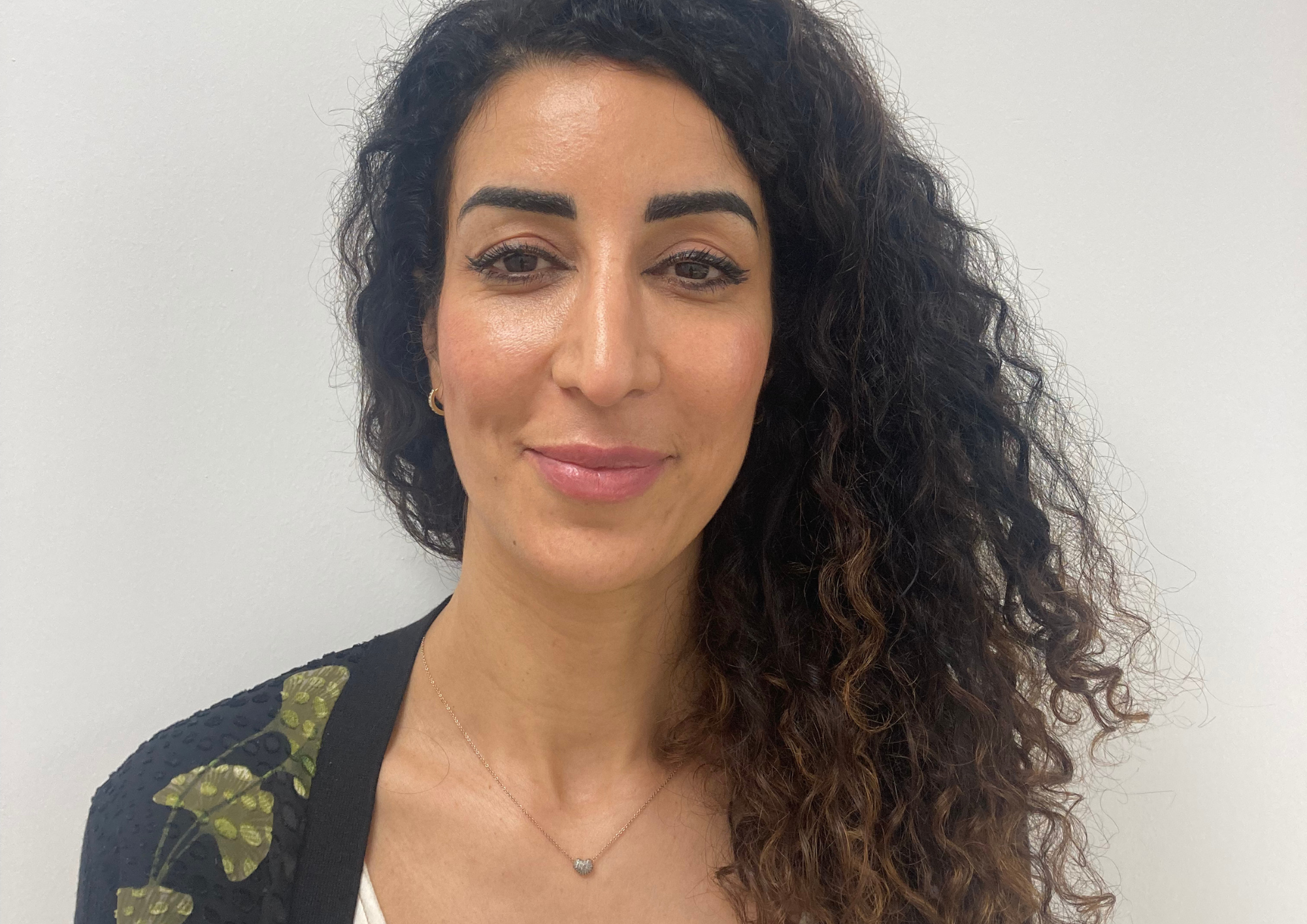
“It’s important to be clear, Labiaplasty is not about creating a ‘designer’ appearance. It is not related to cultural practices such as female genital mutilation, which is illegal and harmful. This procedure is entirely patient-led, medically regulated and focused on addressing genuine physical concerns.” Pall Mall Labiaplasty Surgeon

Why Might Labiaplasty Concerns Arise?

Changes to the labia minora and labia majora are far more common than most women realise, and they happen for genuine physical reasons rather than anything being "wrong" with you. The most frequent causes include:

  • Childbirth — vaginal delivery can cause stretching, tearing, or changes linked to episiotomy healing, all of which can alter the shape or symmetry of the labia
  • Hormonal changes — fluctuating hormone levels during puberty, pregnancy, and menopause can affect labial tissue, elasticity, and skin laxity
  • Weight fluctuations — significant weight loss or major body changes can leave excess or looser labial skin, sometimes described as labial hypertrophy
  • Ageing and tissue laxity — like skin elsewhere on the body, labial tissue naturally loses some elasticity and firmness over time
  • Congenital asymmetry — some women are simply born with one labia larger, longer, or shaped differently than the other, with no clear cause at all
  • Chronic friction and irritation — repeated rubbing from exercise, cycling, running, or other sports can cause enlarged or irritated labial tissue over time

"These are normal life events, yet many women assume discomfort is something they must simply live with."

Whether your concern relates to postpartum changes, menopause-related symptoms, labial asymmetry, or ongoing irritation from an active lifestyle, these are recognised, common reasons women seek advice around labiaplasty, and they're valid regardless of how "minor" they might feel.

Why women hesitate to seek help

Many patients ask themselves:

  • Is this really worth addressing?
  • Am I being petty?
  • Is surgery too extreme?
  • Will it be painful or risky?
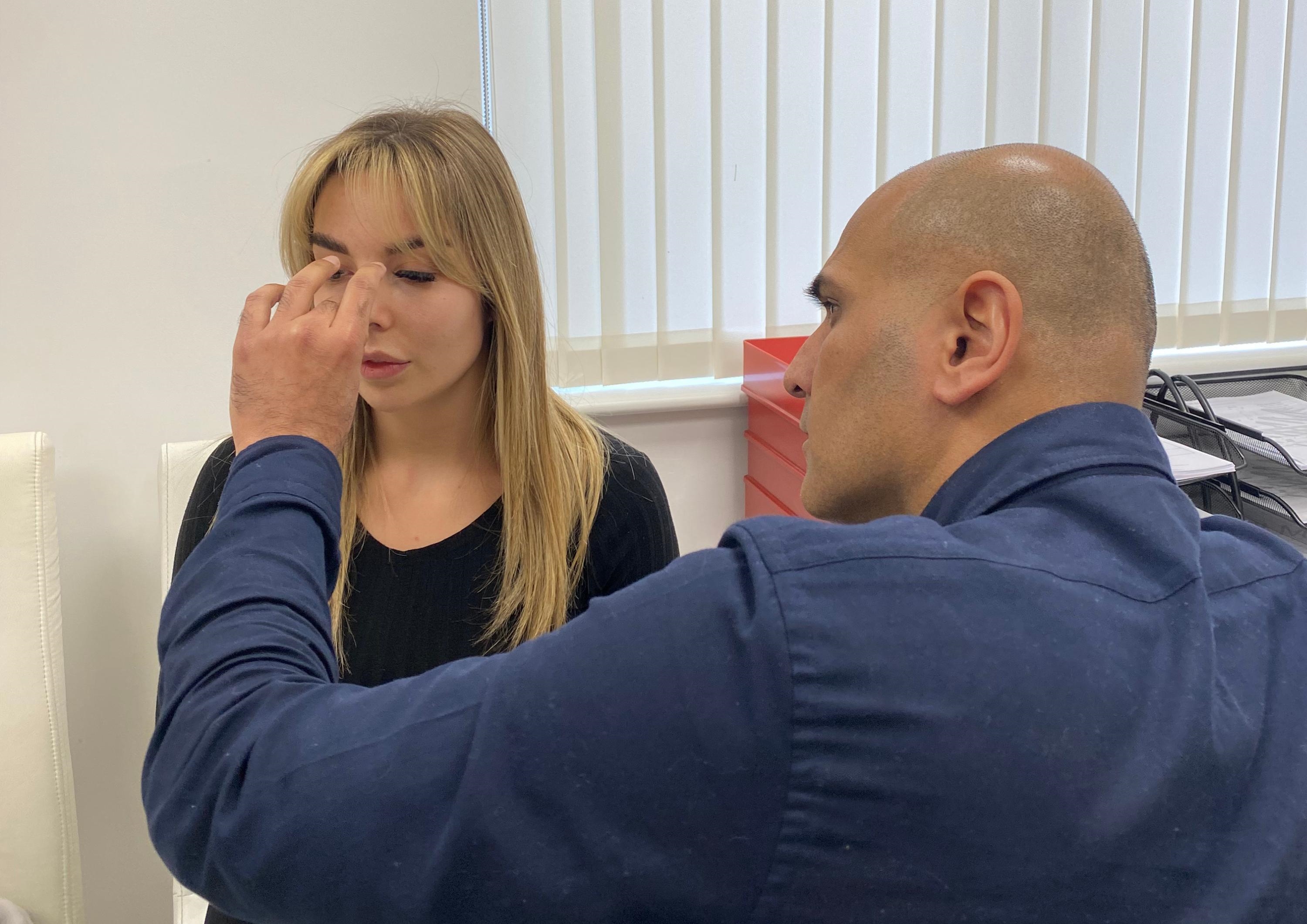
“These thoughts are completely normal. My role is to listen carefully, explain options honestly, and reassure women that their concerns are valid. No one is ever pressured,  the consultation itself is often empowering.” Pall Mall Labiaplasty Surgeon

FAQs

Can I have sex after labiaplasty?

Most patients are advised to wait around 3 to 4 weeks before resuming intercourse, giving the area time to fully heal. Your surgeon will confirm you're ready at your follow-up appointment. If you experience any pain or unusual bleeding when you do resume, stop and check in with your clinic.

What does scarring look like after labiaplasty?

Scarring from labiaplasty is typically minimal, as incisions are placed within the natural folds of the body, making them barely noticeable once healed. Some pinkness or firmness around the area is normal in the early weeks and gradually fades over the following months. Avoid applying anything to your scars unless your surgeon has specifically advised it, and contact your clinic if you notice any unusual swelling, discharge, or delayed healing.

When can I exercise after labiaplasty?

Light activity, like short walks, is usually fine within the first couple of weeks, but strenuous exercise, heavy lifting, and vigorous stretching need to wait until around 4 to 6 weeks post-surgery. Your surgeon will confirm you're ready at your follow-up appointment, so it's worth waiting for that all-clear before building back up to your normal routine.

Does labiaplasty affect sensation?

Most patients find any numbness or altered sensitivity is mild and temporary, settling naturally as the area heals. Surgeons use sensation-preserving techniques specifically to protect this, so your comfort and long-term sensitivity are very much part of the plan, not an afterthought. If you notice anything unexpected during recovery, your surgical team is there to support you every step of the way.

Can I have labiaplasty after childbirth?

Yes, labiaplasty after childbirth is very common. Pregnancy and vaginal delivery can cause stretching, tearing, or lasting changes to the labia, and many women choose labiaplasty to restore comfort and confidence afterwards. Most surgeons recommend waiting until you've finished breastfeeding and your body has fully settled, often around 6 to 12 months postpartum, before considering surgery. Your surgeon will confirm the right timing for you at consultation.

Can labiaplasty treat labial asymmetry?

Yes, labial asymmetry, where one side is noticeably larger, longer, or shaped differently, is one of the most common reasons women consider labiaplasty. It can occur naturally from birth or develop over time, and for many women it causes genuine discomfort or self-consciousness, not just a cosmetic concern. Your surgeon will assess your individual anatomy at consultation and tailor the procedure to create a more balanced, comfortable result.

Who is most suitable for labiaplasty

Labiaplasty candidacy is about quality of life, not vanity, and suitability comes down to genuine physical or emotional impact rather than appearance alone. You may be a good candidate if you experience:

  • Physical discomfort during exercise, intimacy, sitting, or wearing certain clothing, often caused by enlarged or asymmetric labial tissue
  • Recurrent irritation, chafing, or infections from labial folds trapping moisture or rubbing against clothing
  • Labial asymmetry — one side noticeably larger, longer, or shaped differently, whether present from birth or developed over time
  • Labial hypertrophy — enlarged labia minora or majora causing visible bulging or discomfort in fitted clothing
  • Changes following childbirth, including stretching, tearing, or tissue laxity that hasn't resolved naturally
  • Age or hormone-related changes, such as tissue laxity linked to menopause or significant weight loss
  • Reduced confidence or self-consciousness that affects intimacy, exercise, or day-to-day comfort

You're also likely a suitable candidate if you're in good general health, have realistic expectations about the outcome, and are seeking the procedure for yourself, rather than to meet anyone else's expectations.

"Even concerns that feel 'minor' can have a big impact day-to-day." Suitability isn't about how "severe" your symptoms seem, if they're affecting your comfort or confidence, it's worth having an open conversation with a specialist.

How Long Does Swelling Last after Labiaplasty?

Some swelling is a completely normal part of healing, and it doesn't all disappear at once, it settles down in stages.

First few days:

Swelling and bruising are usually at their most noticeable right after surgery, alongside some tenderness. This is the body's natural response to the procedure and nothing to be concerned about.

1 to 2 weeks:

Most of the initial, more obvious swelling starts to settle during this window, and many patients feel comfortable returning to work and light daily activities.

4 to 6 weeks:

This is when most patients reach full recovery, with the majority of swelling resolved and the area feeling much more like normal.

3 to 4 months:

Any final, subtle swelling quietly finishes settling behind the scenes during this stretch, revealing your fully healed result. That said, your new shape is usually clearly visible well before this point.

It's also worth knowing that swelling doesn't always reduce in a perfectly straight line, some days may feel more swollen than others, especially after being on your feet for longer periods, and that's entirely normal too.

If swelling ever feels excessive, is accompanied by significant pain, fever, or discharge, or simply isn't improving the way you'd expect, it's always worth checking in with your clinic rather than waiting it out.

How Is Labiaplasty Performed?

We use refined, tissue-preserving surgical techniques, tailored to each patient's anatomy and goals, to achieve natural, comfortable results with minimal visible scarring:

Procedure duration:

Typically 1 to 2 hours, performed as a day case.

Anaesthetic options:

Local anaesthetic (with sedation if preferred) or general anaesthetic, depending on the extent of surgery and patient preference.

Surgical technique:

A choice of labiaplasty techniques, such as the trim or wedge method, selected based on individual anatomy to preserve natural contour and function.

Scarring:

Minimal, with incisions carefully placed within natural skin folds for the most discreet healing possible.

Sensation preservation:

A key priority throughout, so results feel natural rather than simply reshaped.

Surgical planning:

Fully personalised to each patient, taking into account anatomy, goals, and any related concerns such as labial asymmetry or hypertrophy.

“Every anatomy is different. There is no ‘standard look’ - our aim is natural, functional results.”

Your Labiaplasty Recovery Timeline

Click each milestone below to see what's happening and what to expect at each stage.

Right after surgery

Days 0–3: swollen, tender and taking it easy

What's happening

The first few days are all about rest and gentle care. It's completely normal to notice:

  • Swelling and puffiness around the area
  • Some bruising
  • Tenderness or soreness
  • Mild discomfort when sitting for long periods

Sitting upright and using pillows to support the area can help relieve pressure and ease discomfort. Regular painkillers, taken as prescribed, will help too.

What to keep in mind

You'll need someone to drive you home, and it's worth having a friend or relative stay with you for the first 24 hours. If you've had a general anaesthetic or sedation, avoid driving, alcohol, operating machinery or signing anything legally binding for 48 hours. Loose, breathable underwear will feel much kinder than anything tight, and gentle movement (rather than staying still all day) helps reduce the risk of blood clots — any compression stockings you've been given should stay on until you're back to your normal mobility.

Settling down

Days 4–10: swelling starts to ease

What's happening

Bruising and puffiness gradually begin to reduce, though some residual swelling is still completely normal at this stage. You may notice:

  • Bruising fading from darker to lighter shades
  • Less tenderness day to day
  • Some scabbing or healing tissue around the area

Your stitches are dissolvable, so there's nothing to have removed — they'll dissolve on their own over the next 1 to 2 weeks. A little blood on your panty liner is common; if it ever looks fully soaked through, contact your clinic for an earlier dressing change.

What to keep in mind

Try to keep the wound dry for the first few days, and avoid soaking it in the bath (showers are fine) until 6 to 8 weeks after surgery. Keep activity limited this first week to avoid unnecessary bleeding, but don't stay completely still either — some gentle movement is important. Loose clothing that won't rub against the area will make things much more comfortable.

Two weeks in

Week 2: back into everyday life

What's happening

By the second week, many patients feel comfortable resuming work and everyday activities, particularly if their job isn't physically demanding. You may notice:

  • Noticeably less swelling and bruising
  • Greater ease sitting and moving around
  • Mild tenderness that continues to improve
  • Your dissolvable stitches disappearing around now

What to keep in mind

It's still early days for anything strenuous. Avoid vigorous or excessive stretching and lifting, and steer clear of anything high-impact that puts pressure or friction on the area — your surgeon will let you know when it's safe to build this back up.

A turning point

Weeks 3–4: feeling steadier

What's happening

Swelling continues to settle and daily movement should feel much more comfortable. At this stage you may notice:

  • Minimal remaining bruising
  • Only mild, occasional swelling
  • A clearer sense of your new shape, even though final results are still to come

Most patients are able to resume intercourse from around 3 to 4 weeks, once the area has had time to fully heal.

What to keep in mind

Strenuous activity, and vigorous stretching or lifting, still need to wait a little longer — generally until 4 to 6 weeks post-surgery — so keep things gentle for now.

Reaching full recovery

Weeks 4–6: full recovery

What's happening

By this stage, most patients reach full recovery, with tissues settled and swelling largely resolved. This is typically when it's safe to build back up to:

  • Vigorous stretching and lifting
  • Strenuous exercise
  • Your full normal routine

What to keep in mind

Your follow-up appointment gives your surgeon the chance to check everything is healing as expected and confirm you're ready to return to these activities, so it's worth waiting for that all-clear rather than guessing. One thing still to hold off on: soaking the wound in the bath, which needs to wait until 6 to 8 weeks post-op (showers are absolutely fine before then).

Comfort continues to grow

Weeks 6–8: fully back to normal

What's happening

By now, most patients are feeling completely back to normal day to day. Many report:

  • Significant improvement in comfort during exercise
  • Improved comfort during intimacy
  • Increased confidence and wellbeing

This is also the point from which soaking in the bath is considered safe.

What to keep in mind

Your new shape will already be clearly visible, even though the tissue is still quietly settling behind the scenes.

The fully settled result

3–4 Months: final result

What's happening

It typically takes three to four months to see your final result, as any last, subtle softening of the tissue takes place behind the scenes. Your new shape will have been clearly visible for a while by this point — this final stretch is simply about the last details settling into place. Avoid applying anything to your scars unless your surgeon has specifically advised it, and do flag any unexpected swelling, pain, bleeding, fever or discharge to your clinic.

We have experience of delivering 5 star services to over 1,000 patients every year.

This is why our patients rate us Excellent on Trustpilot.

How to Choose the Right Labiaplasty Surgeon

Given the sensitive and highly personal nature of genital surgery, choosing the right surgeon matters just as much as the procedure itself. We stress the importance of looking for:

  • Specialist surgical training: a surgeon with recognised qualifications in reconstructive and cosmetic surgery, not just general cosmetic experience.
  • GMC registration: confirming your surgeon is a fully registered specialist, which you can and should verify independently.
  • Experience in genital surgery: labiaplasty requires a different level of precision and anatomical understanding than other cosmetic procedures.
  • A thorough, honest consultation: one that covers realistic outcomes, potential risks, and recovery expectations, not just the benefits.
  • A surgeon who prioritises listening and informed consent: someone who takes time to understand your concerns rather than pushing a "standard" outcome.
  • Transparency around cost, risks, and recovery: a reputable surgeon should be upfront about all of these from your very first conversation, not just the price.

If you’ve ever found yourself dismissing a concern as “not serious enough,” we encourage an open conversation.

“At Pall Mall Medical, consultations are private, respectful, and entirely patient-led. Labiaplasty isn’t about changing who you are, it’s about improving everyday comfort and confidence.”


Ms Shan Shan Jing Medically reviewed by Ms Shan Shan Jing (BSc, Human Genetics BSc, FRSC (PLAST), MBBS), February 2026.

Enquire about Labiaplasty

A member of our team will be in touch with you to discuss your requirements. 

I agree to receive advice, offers and news by email and SMS in accordance with our privacy policy

Related Articles

Pall Mall Fallback Image
The dangers of going abroad for surgery

Uncover the risks of going abroad for surgery, from compromised safety standards to limited aftercare. Learn why lower costs can come with hidden dangers, and how prioritising safety and quality close to home protects your health.

Pall Mall Fallback Image
The benefits of having surgery in the Summer

It’s a common misconception that summer isn’t the ideal time for surgery

Pall Mall Fallback Image
Cosmetic Surgery
Can you breastfeed with breast implants?

Find out everything you need to know about breastfeeding with implants. If you’re thinking about cosmetic surgery, contact Pall Mall for a free, no obligation consultation.

Pall Mall Fallback Image
Post-surgery aftercare

Undergoing cosmetic surgery is a transformative journey, but achieving the best possible results doesn’t stop when you leave the operating room.

Pall Mall Fallback Image
Loose skin? Here are the best procedures after weight loss injections

Discover the most effective treatments for loose skin after GLP-1 weight loss injections including arm lifts, tummy tucks, and facial volume restoration.

Pall Mall Fallback Image
Tummy Tuck recovery time: What to expect week by week

Explore what to expect week-by-week during your Tummy Tuck recovery. Learn about post-op care, pain management, swelling, and when you can return to daily activities. Our expert team at Pall Mall provides extensive support throughout the recovery journey to ensure optimal results.

Pall Mall Fallback Image
Breast Enlargement recovery: What to expect

Breast Enlargement surgery, also known as Breast Augmentation, is a popular cosmetic procedure. While the surgery itself may be straightforward, the recovery process is crucial for ensuring the best results.

Pall Mall Fallback Image
Breast Enlargement
Why do breasts sag and how to stop it

If you've noticed you've got saggy boobs, you're not alone. In this guide, our expert surgeons explain what causes them and how to prevent them.