

Gender Affirmation Understanding Gender Dysphoria and How Transition Can Help
In this day and age, people say it doesn’t matter whether you’ve got breasts or pecs, a penis or vagina - but we know it matters to you. To you, body parts are a big part of your identity, and so it’s only right that you get to choose the body you live in. If you have long been questioning whether your body parts belong to you, then you might be experiencing gender dysphoria.
We’re here to have an honest and open conversation with you about gender dysphoria, gender affirmation surgery, and the types of gender transitioning available to you. We’re here for you - and we’re proud of you for taking that first step, just for you.
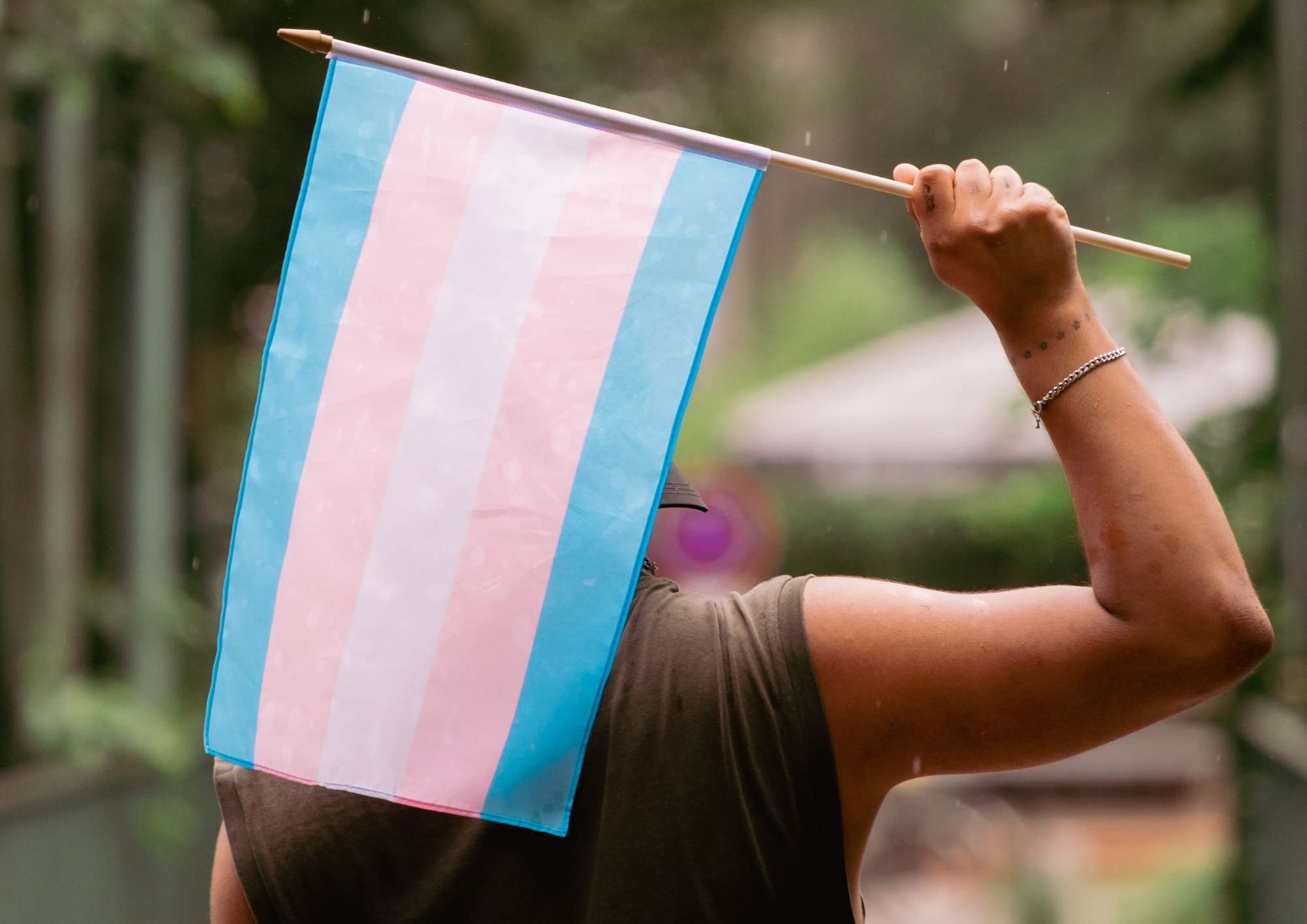
What is gender dysphoria?
Gender dysphoria, formerly known as gender identity disorder, is the feeling you feel when you’re in a body that you do not identify with. If you could bottle the emotions you feel about having the `wrong` body parts - the confusion, the distress, the discomfort - that’s gender dysphoria. If you were born with a penis but you have a strong dislike of being identified as a man, or you were born with a vagina and you do not see yourself as a woman, for example - that’s also gender dysphoria.
It’s important to note that not every transgender or gender-diverse individual experiences gender dysphoria and some non-binary people aren’t affected by their genitals as they believe their bodies do not equal their identity.
Gender dysphoria is more about the upsetting emotions you feel as a transgender person living in a body that you do not identify with. According to the NHS, “this sense of unease or dissatisfaction may be so intense it can lead to depression and anxiety and have a harmful impact on daily life”. Thus, it is critical that you do not ignore a potential diagnosis of gender dysphoria.
Is gender dysphoria a mental disorder?
While being transgender or gender-diverse is absolutely not a mental illness, gender dysphoria is recognised as a medical condition because it can cause anxiety, depression, and other serious medical conditions. If you feel distress, discomfort, or unease with your genitals or breasts, then it is really important that you get checked for a diagnosis of gender dysphoria. Ignoring your feelings can lead to mental health complications, and we want to keep you healthy, happy, and for you to keep being you!
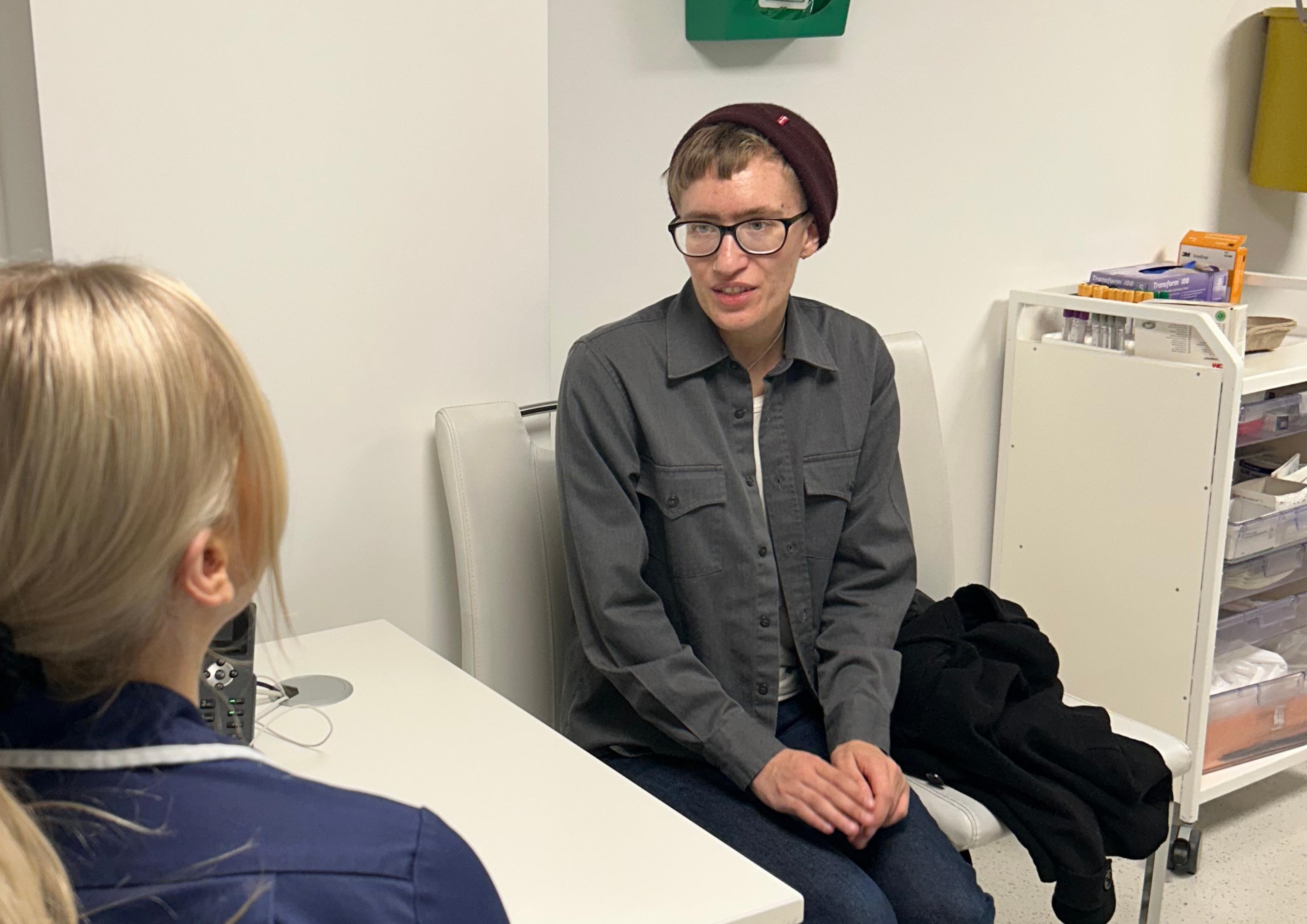
If you’re feeling this way, then why not have a quiet word with one of our gender affirmation nurses? They’ll be able to give you gentle, confidential advice on how to look forward in your gender affirmation journey.
How can gender dysphoria feel?
Gender dysphoria can feel different to different people. If applicable, keeping a close eye on your thoughts around your body can help. Ask yourself questions like: “do I dislike my penis, does it make me feel detached or do I feel like it’s not really mine?” or “Do my breasts make me feel less like the man?”.
Here are just some other ways that gender dysphoria can make you feel:
- You may feel uncomfortable with your breasts, chest, genitals, body type, or voice, for example
- You may feel strongly that you’d rather be a different gender, or that you’re in the 'wrong' body
- You may feel angry or disrespected when referred to by your born pronouns (he/she/they, etc)
- You may feel 'out of place', especially when using public toilets or changing rooms
It’s important to note that people feel different levels of gender dysphoria - sometimes it’s mild, sometimes it’s a more severe case. However you’re feeling right now, just know that there is help and guidance out there for you
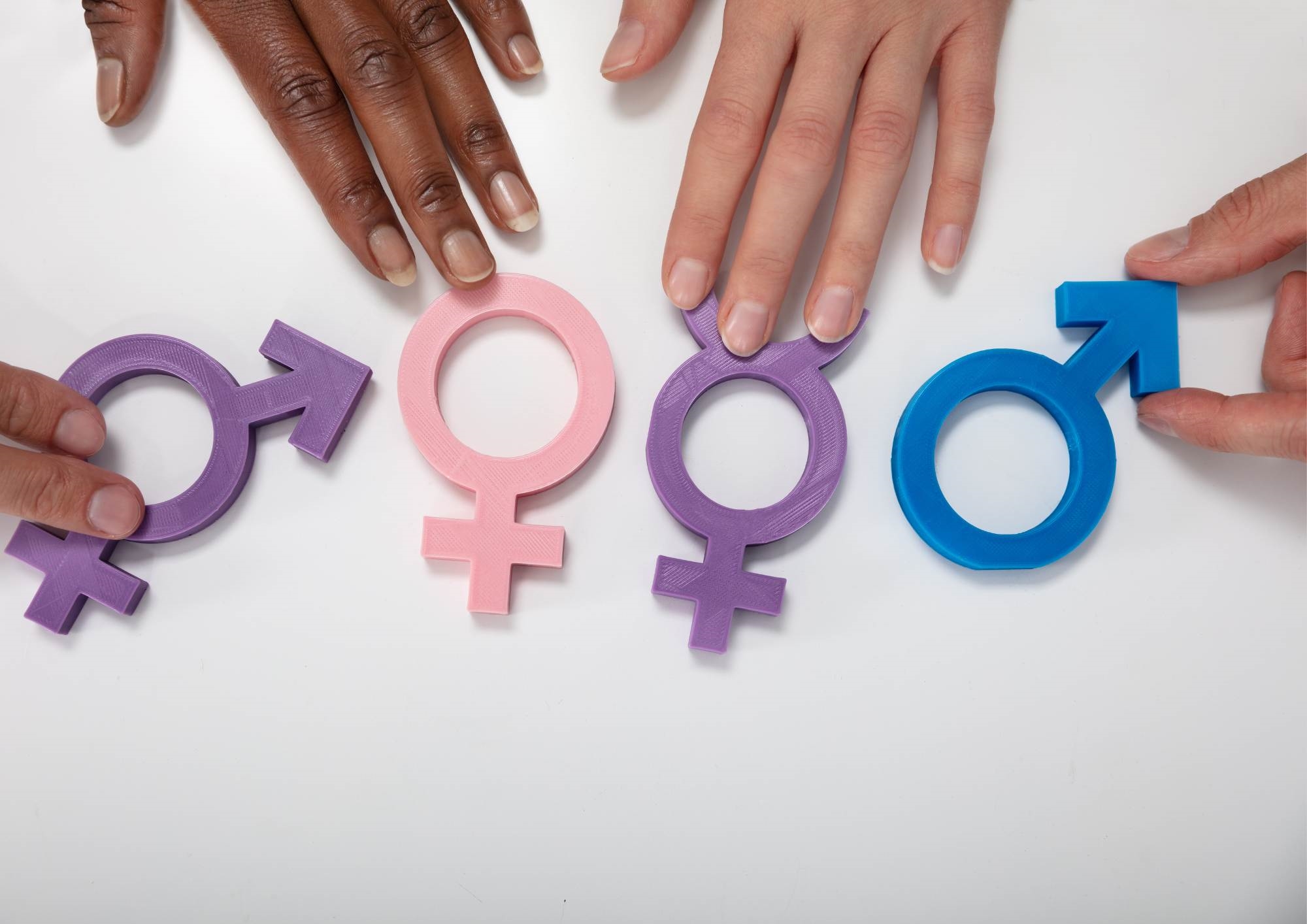
Gender dysphoria: the impact on daily life and wellbeing
As a medical condition, gender dysphoria can and will affect your daily life. It’s not a surprise, considering your gender identity is different to the one assigned at birth.
It can be confusing and stressful. You might feel anxious, especially in social situations or if you need to use the bathroom. You might avoid speaking because you don’t like your voice, or avoiding mirrors because you think your body shape is too femme or masc. You may even be avoiding school or work, and instead seek to home school or work-from-home.
All of these situations are completely normal and typical if you have gender dysphoria, so please don’t feel alone if you relate. You’d be surprised at how many times your gender dysphoria impacts every little thing you do in your day; this is why it’s a good idea to have an individual pathway in place. More on this next!
The importance of individual pathways and support
While you’re going through gender dysphoria - whether you’re just now learning about it or researching how to transition - it’s crucial that you have a support system in place. Not only does gender questioning affect your body, but it can greatly affect your mental state, too. If you think you have gender dysphoria, the best way to approach it is by having an individual pathway. This is just a fancy term for `action plan` and can include:
- Psychological support, such as a therapist
- Social transition and a plan of rolling out your new pronouns (i.e. from he/him to she/her)
- Medical options, such as nurses and surgeons
Once you have a plan in place, you’ll feel relieved knowing that you are doing something about your gender dysphoria. Remember - you have the power to live your life how you want to and in the body you feel attached to… you’ve just got to take those nerve-wracking, important first steps.
Don’t forget, you can get help and support from:
- Friends and family
- LGBTQA+ charities and non-for-profits (like Mermaids or Beyond Reflections)
- GPs and therapists trained in gender dysphoria
- Our gender affirmation nurses
- Our gender affirmation surgeons
No matter what stage of your journey you’re at, there is a support system for you. You don’t have to spend a minute longer being somebody that you don’t want to be *virtual hug*.
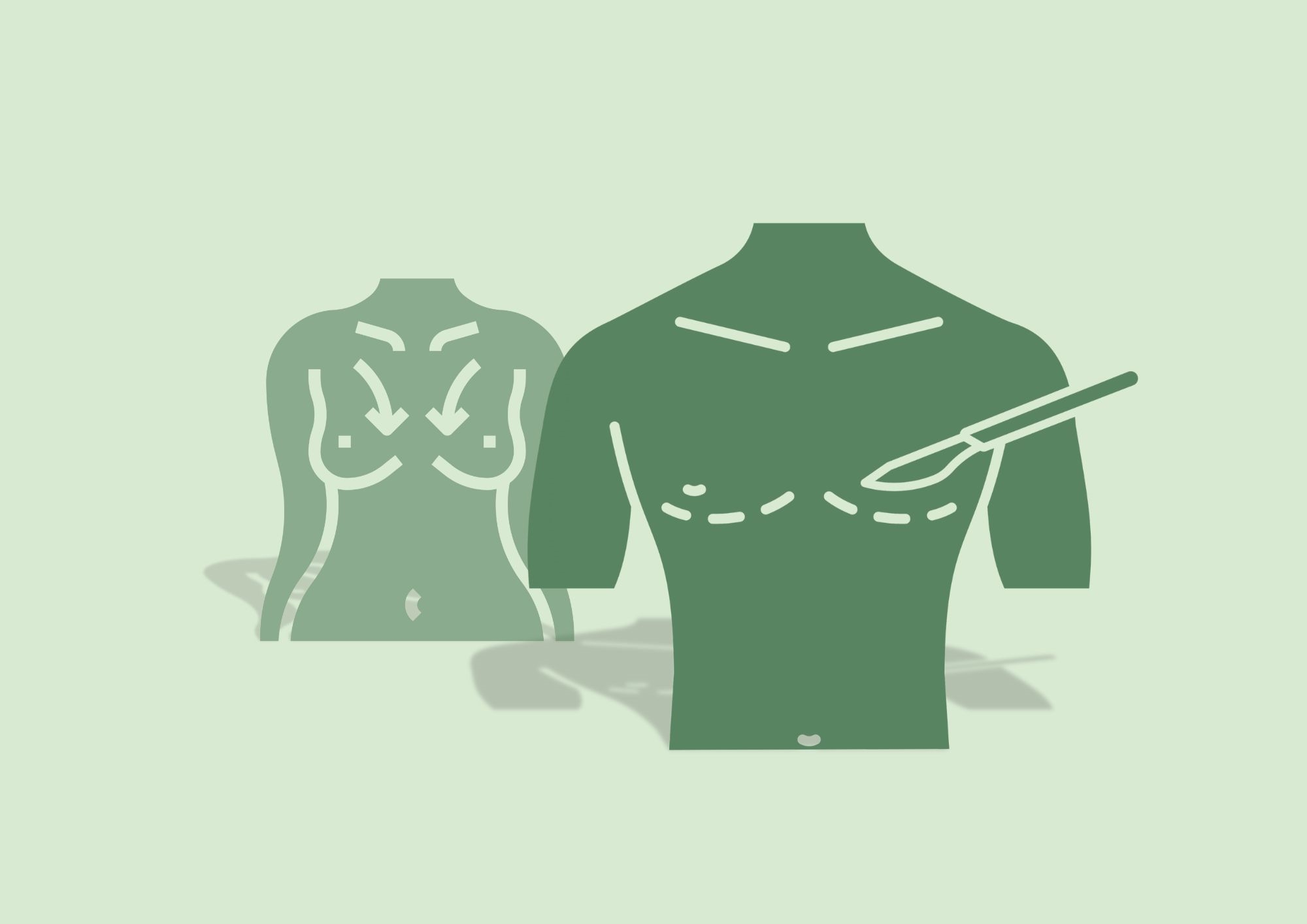
All about gender affirmation surgery
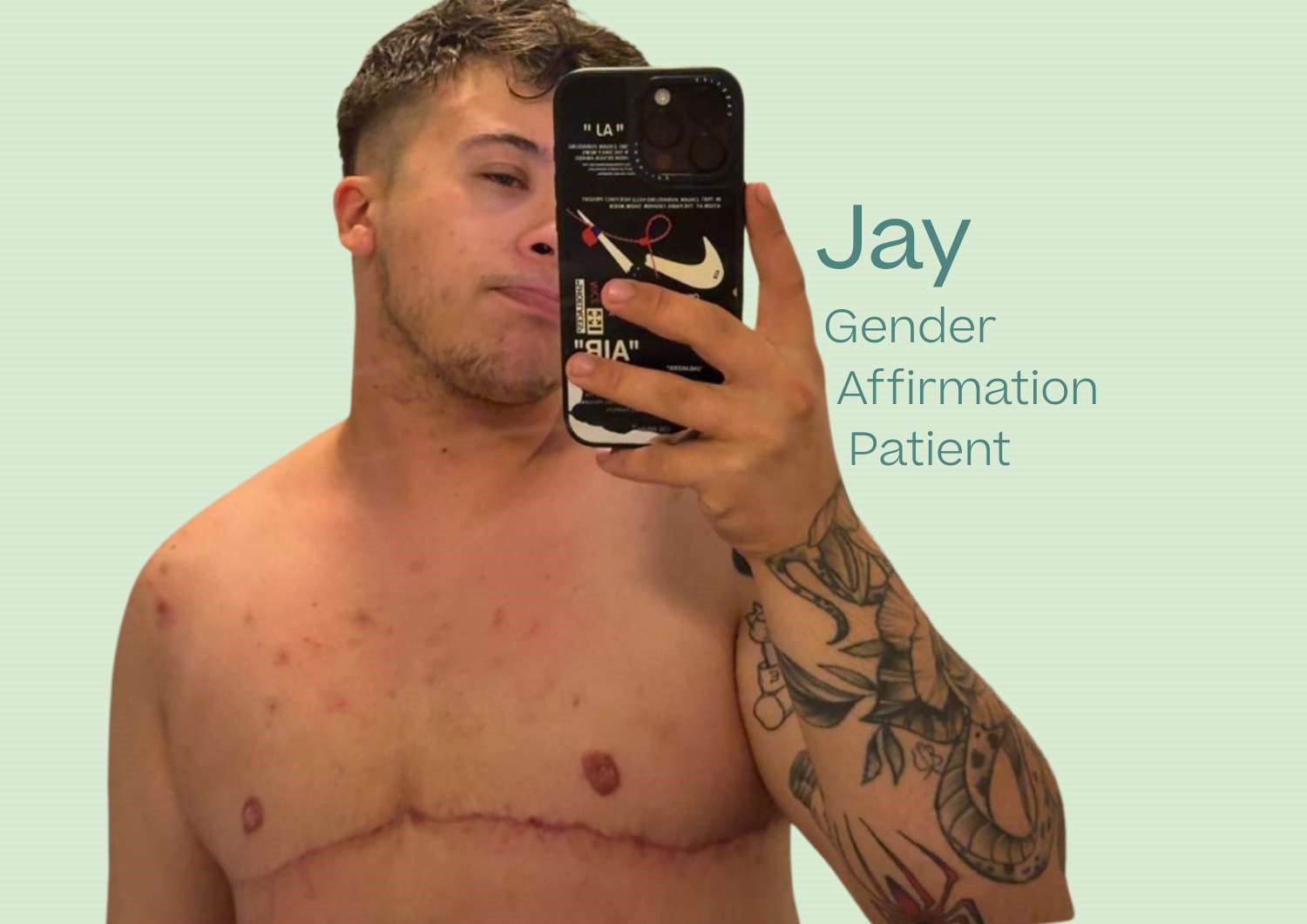
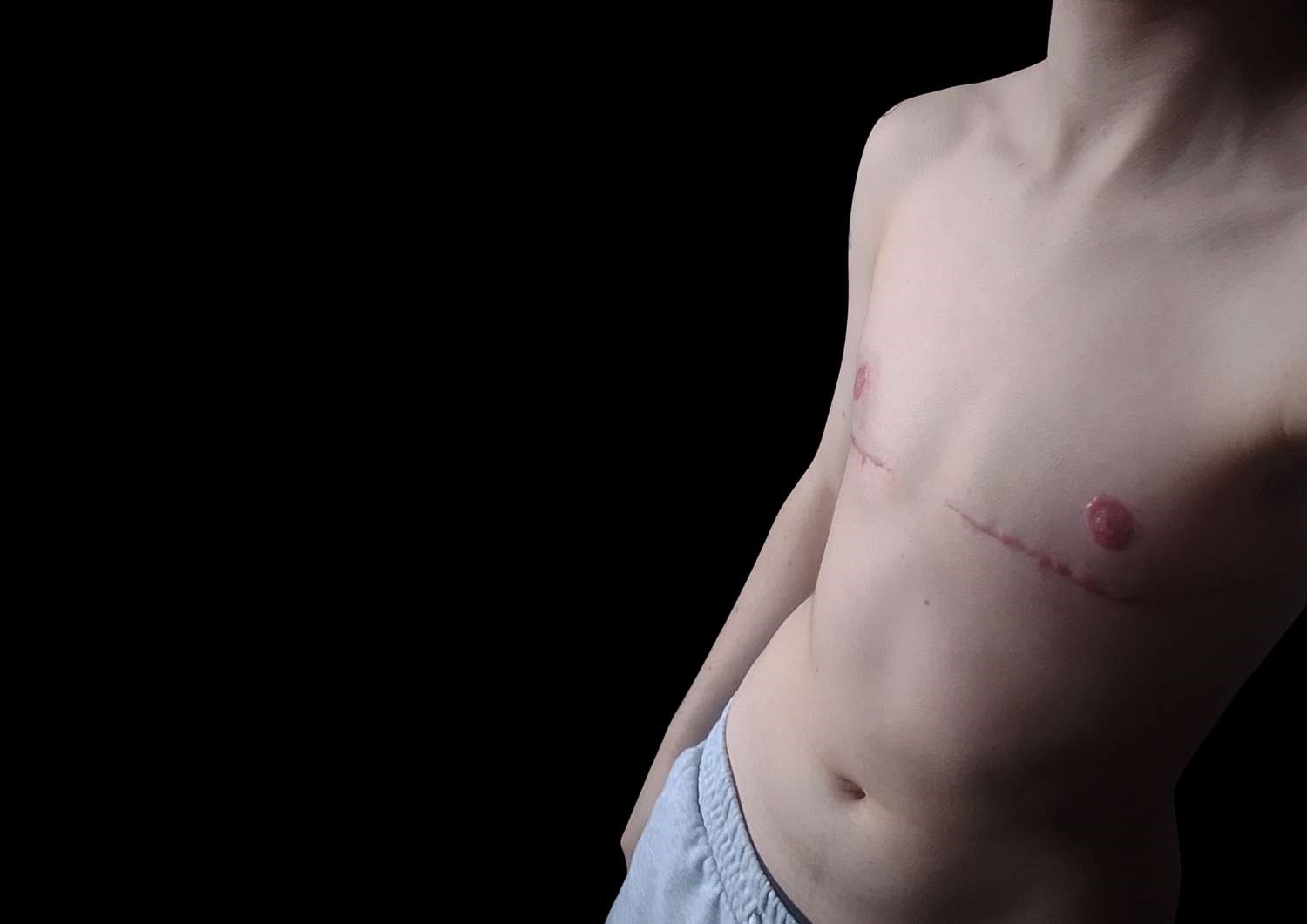
One of the most common pathways of someone with gender dysphoria is gender affirmation surgery (that is, surgery to change genders). This decision should not be taken lightly, and usually surgery is part of a much bigger support plan including therapy and social transitions. When you eventually choose to have gender affirmation surgery, your nurses and surgeon will support you with any mental health needs that you have and will run background tests to check you’re healthy all round before surgery goes ahead. Different types of gender affirmation surgery includes male bottom surgery, female bottom surgery, male top surgery and female top surgery. At Pall Mall, our specialist gender affirmation surgeons perform top surgery only.
How transitioning can help
Transitioning is one way of lifting gender dysphoria. When a person transitions from their birth gender, they are finally matched to their gender-identifying one. This relieves a lot of the aforementioned distress and anxiety that a gender dysphoric person can feel. Here are just some other ways that transitioning can help:
- Eases anxiety, depression, and other mental health conditions associated with gender dysphoria
- Increases body confidence and allows you to look and dress the way you want (finally!)
- Reduces stress around being misgendered and allows you to use your gender-identifying changing rooms, toilets, etc.
- Improves confidence in social settings (who said more parties and trips with the boys/girls?!)
Transitioning can help you finally live your life - the way you want to, and as the person you’ve always seen yourself as.


Gender dysphoria test: Do you have gender dysphoria?
If you’ve had a little read of this guide and you’re not sure about your symptoms, you can take an online test.
These tests include:
- GIDYQ-AA-based test
- Deenz Gender Dysphoria Scale (DGDS-25)
Remember that these tests are purely educational and that they don’t exist to diagnose you with the condition, but they will provide you with some insight into the way that you are feeling.
If your symptoms align with gender dysphoria, you can start to think about your individual pathway and what kind of support you’d like (therapy, surgical, etc.)
Gender dysphoria help: It’s time to contact a professional
If you’ve made it this far and you’re nodding your head to everything we’ve said, then it’s time to take your first steps.
Get in touch with our friendly gender affirmation specialist today and they’ll give you lots of gentle, practical advice on how to approach your gender dysphoria. We’ve met lots of transgender and gender-diverse patients through our gender affirmation surgery services, so we have lots of information on what you should do first, second, and third! Get help for your gender dysphoria today.


Enquire about Gender Affirming Surgery at Pall Mall
A member of our team will be in touch with you to discuss your requirements.