Menu Menu
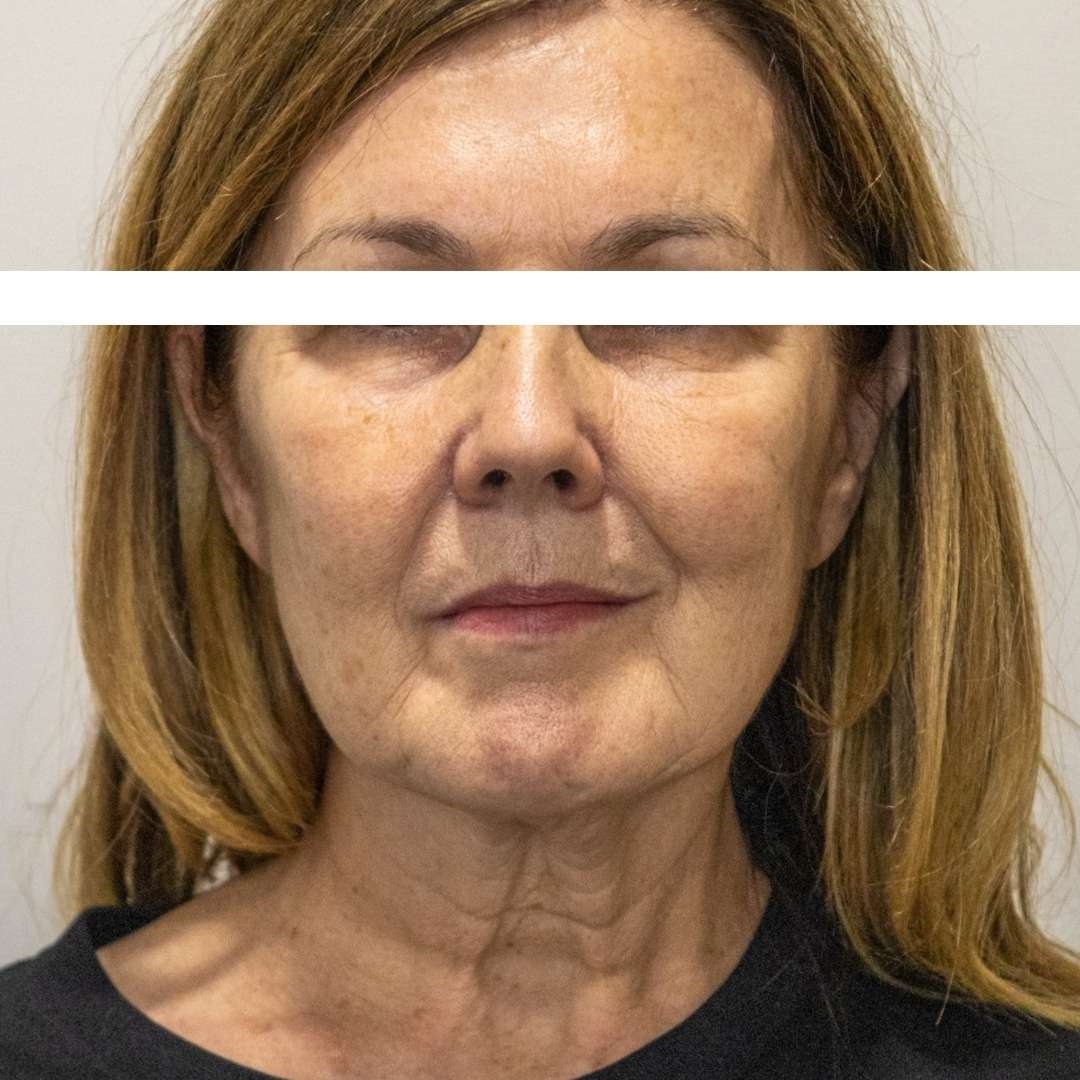
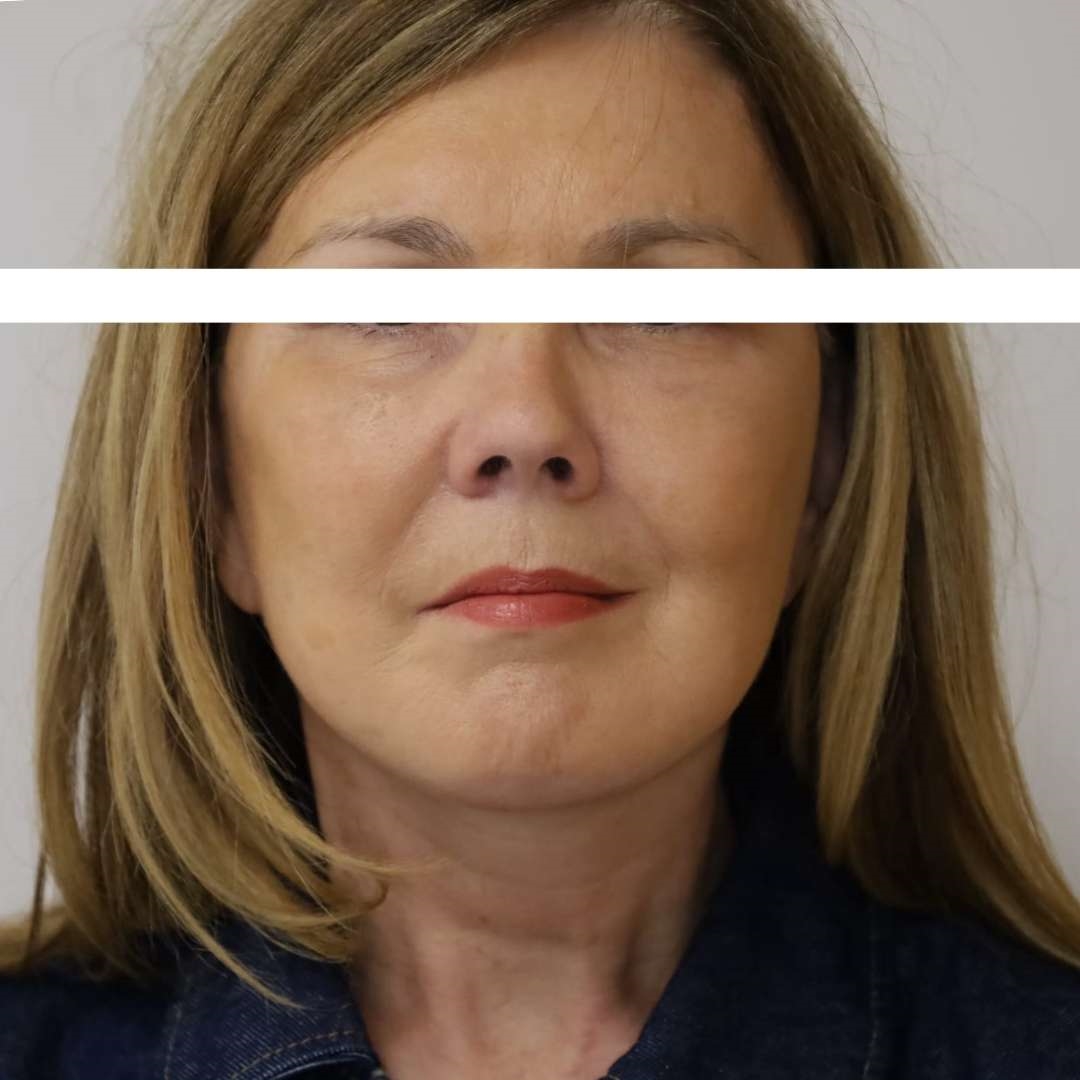
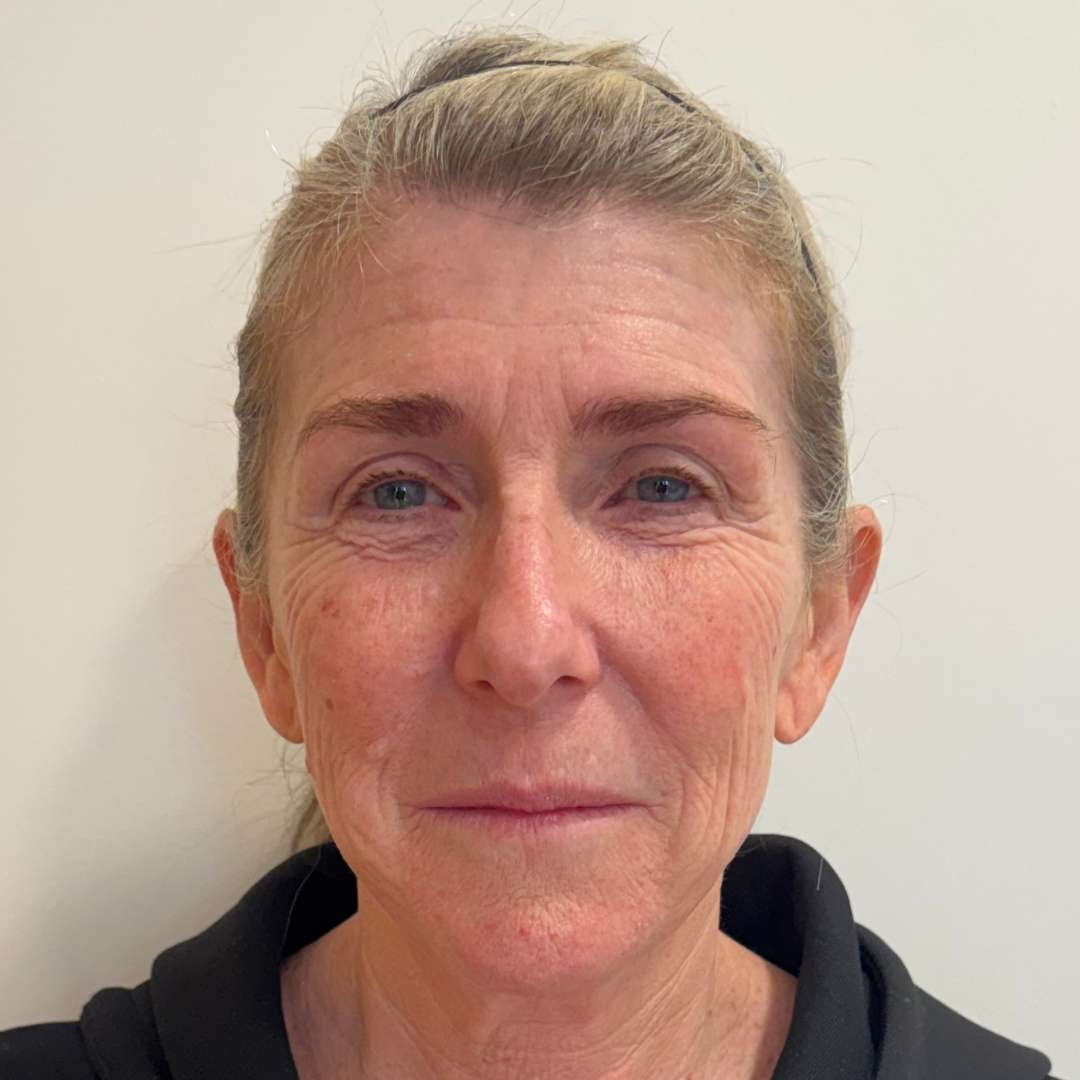
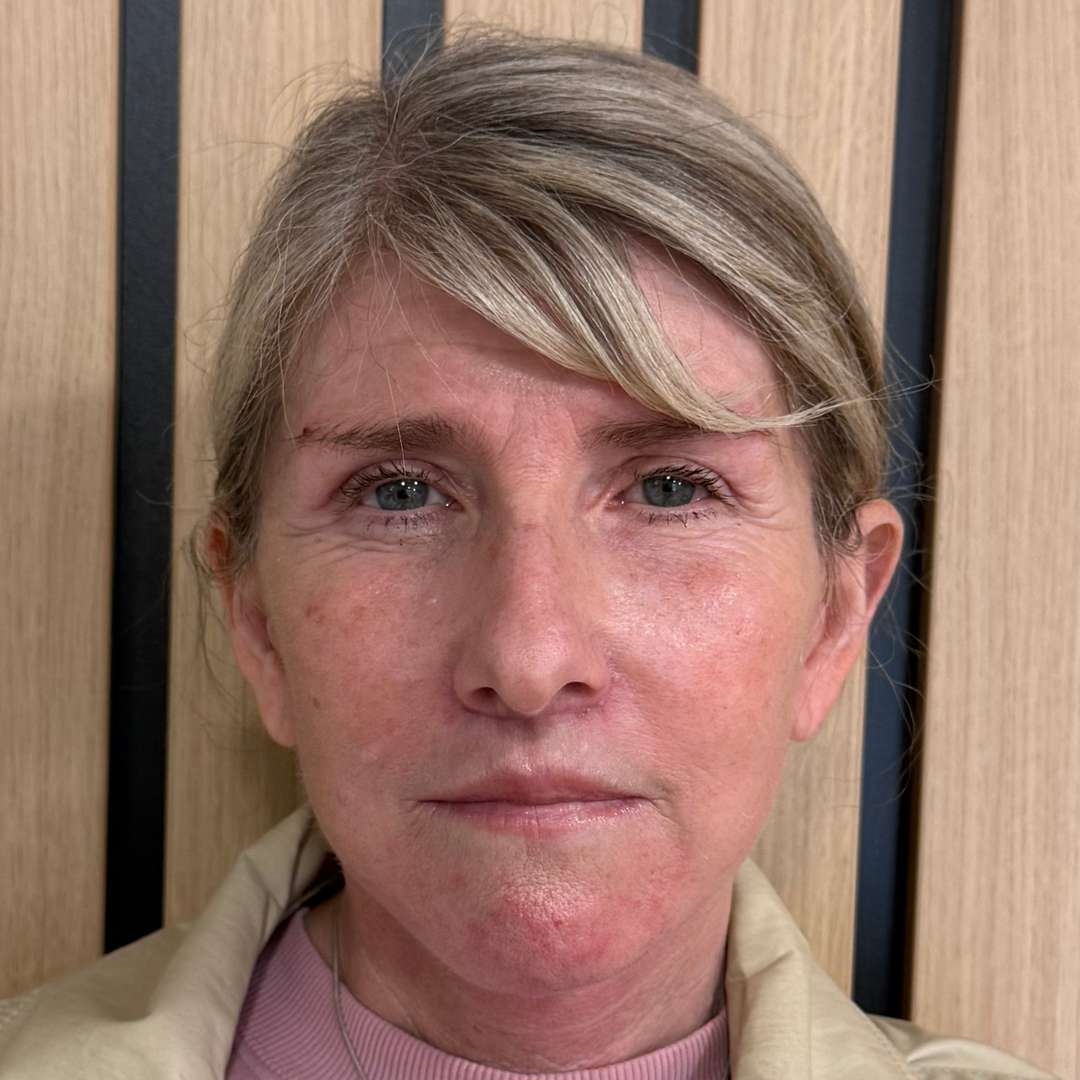
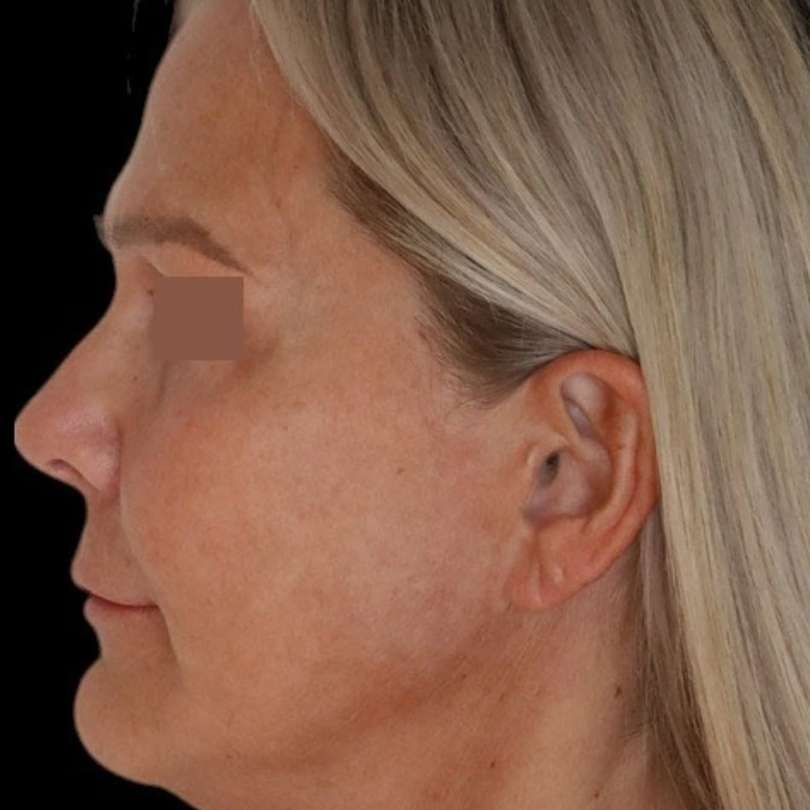
Sally Rowe and Professor Raghavan

What are the different types of facelift?

Understanding your facelift options

Everyone heals and ages differently, so these timings are a general guide. For a closer look at what to expect, read our week-by-week guide to facelift recovery. At your consultation, we’ll talk you through what you can expect.

MACS Facelift

Best for: early softening along the jawline

Area treated: jawline and lower cheeks

Level of lift: subtle

Typical recovery: 7 to 10 days

How long do results last: approx. 3 years

SMAS Facelift

Best for: looser skin in the lower face and jawline

Area treated: lower and mid-face areas

Level of lift: moderate

Typical recovery: around 2 weeks

How long do results last: 5-6 years

Deep Plane Facelift

Best for: sagging in both the cheeks and jawline

Area treated: cheeks, lower face and jawline

Level of lift: significant

Typical recovery: 2-3 weeks

How long do results last: on average 11 years

Preservation Deep Plane Facelift

Best for: sagging in the cheeks and jawline, with a smoother recovery

Area treated: cheeks, lower face and jawline

Level of lift: significant, with a gentler approach

Typical recovery: light activities and non-strenuous work within about 2 weeks

How long do results last: 10 years or more

Mid-Facelift

Best for: flatter cheeks and lines between the nose and mouth

Area treated: Cheeks (centre of the face)

Level of lift: targeted

Typical recovery: 2 weeks

How long do results last: approx. 5 years

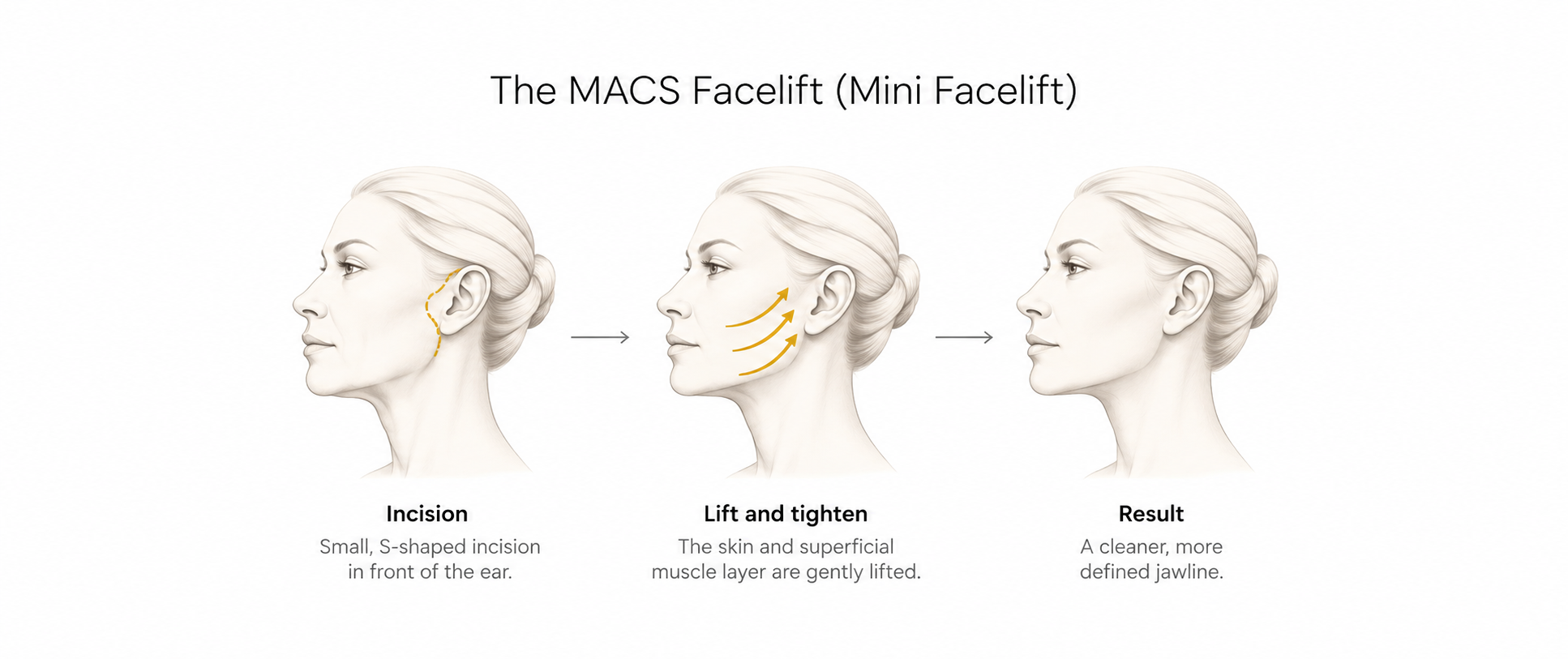
The MACS facelift (mini facelift)

MACS stands for Minimal Access Cranial Suspension. It’s the type of mini facelift that uses shorter incisions rather than a full facelift. You may also hear it called an S-lift, after the gentle S-shaped incision in front of the ear. 

Who is it for? It is ideal for patients in their 40s or early 50s who are just beginning to see "jowling”, characterised by early softening along the jawline.

The Technique

Small incisions are made around the ears to tighten the skin and slightly pull the superficial muscle layer.

The Result

A cleaner, more defined jawline. It’s a lighter procedure, so it won’t make a big difference to the neck or the deeper folds around the mouth. 

Downtime

Fast (7–10 days)

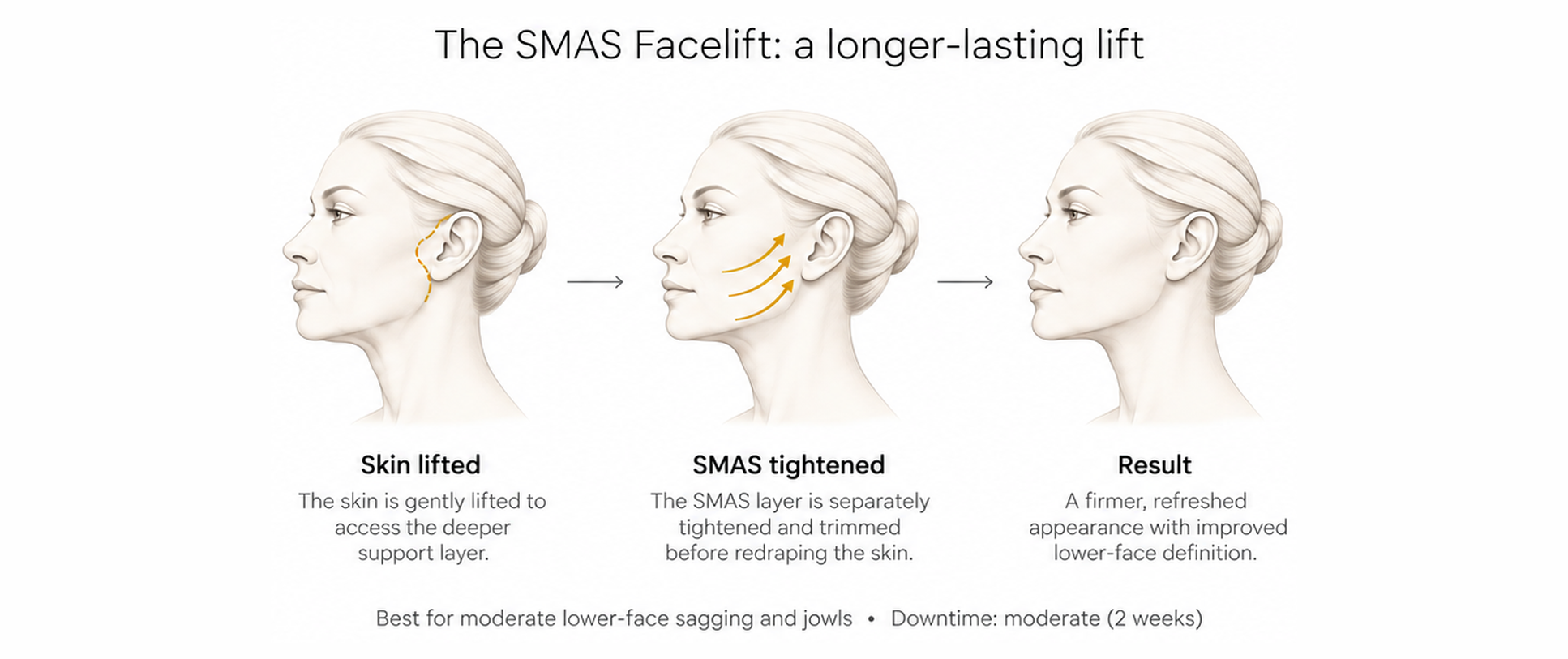
The SMAS facelift: a longer-lasting lift

SMAS stands for Superficial Musculoaponeurotic System. Put simply, it’s the layer of muscle and connective tissue that supports your face. 

Who is it for? Patients with moderate sagging in the lower face and jowls.

  • The Technique: We lift the skin, then separately tighten and trim the SMAS layer underneath before re-draping the skin.

  • The Result: Much longer-lasting than a mini-lift. By tightening the SMAS layer rather than just the skin, we can achieve a firm, refreshed appearance that looks remarkably natural. 

  • Downtime: Moderate (2 weeks)

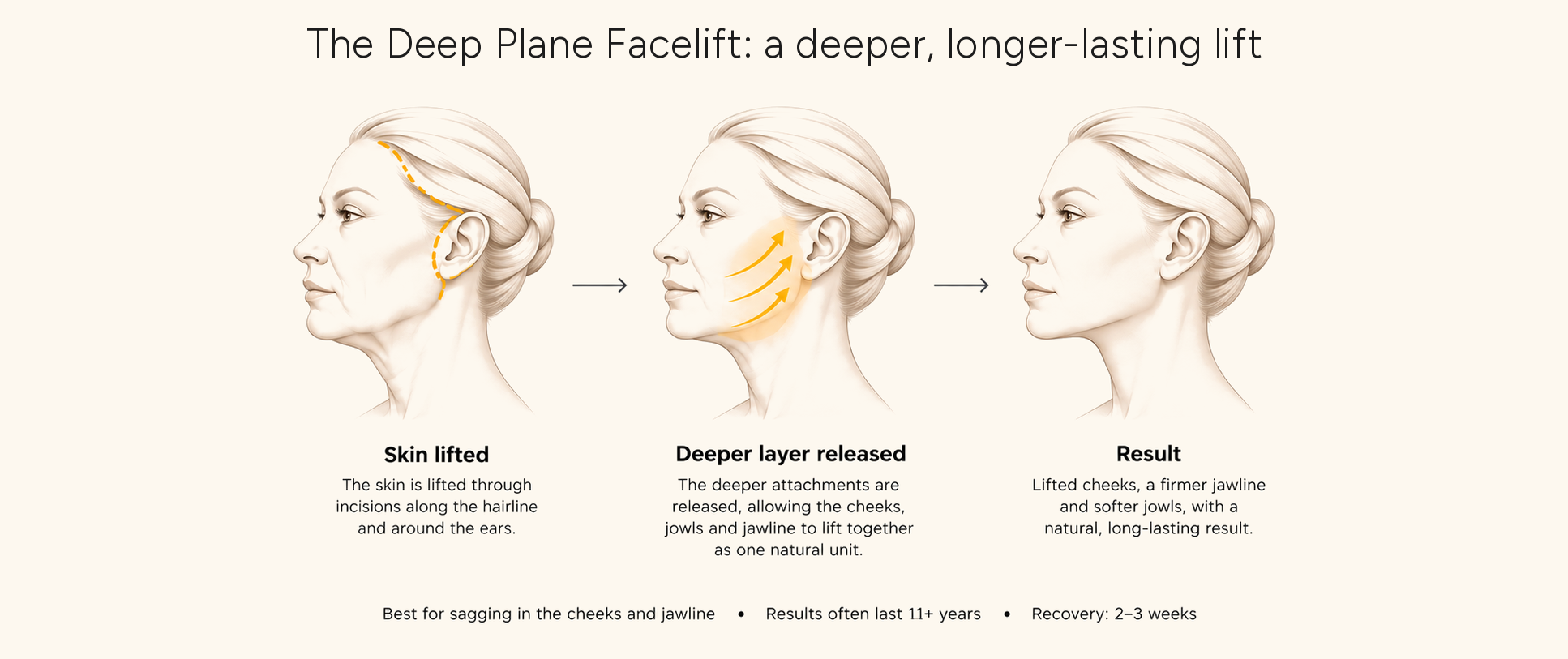
The deep plane facelift: a deeper, longer-lasting lift

A deep plane facelift goes further than a SMAS facelift. Rather than tightening the supportive layer beneath your skin, we release the small attachments that hold your tissues down. This lets us lift your cheeks, jowls and jawline together as one natural unit.

Who it suits

People who’ve noticed sagging in both the cheeks and the jawline, and who’d like a more significant, long-lasting result than a SMAS facelift can offer.

What’s involved

Through incisions along the hairline and around the ears, we first lift the skin away from the tissue underneath. We then go into the deeper layer, release the attachments and move everything back into a more youthful position, before smoothing the skin back into place. Because more tissue is separated, some surgeons use small drains for a day or two to help with healing. Your surgeon will let you know whether they’ll be needed for you. 
What you can expect

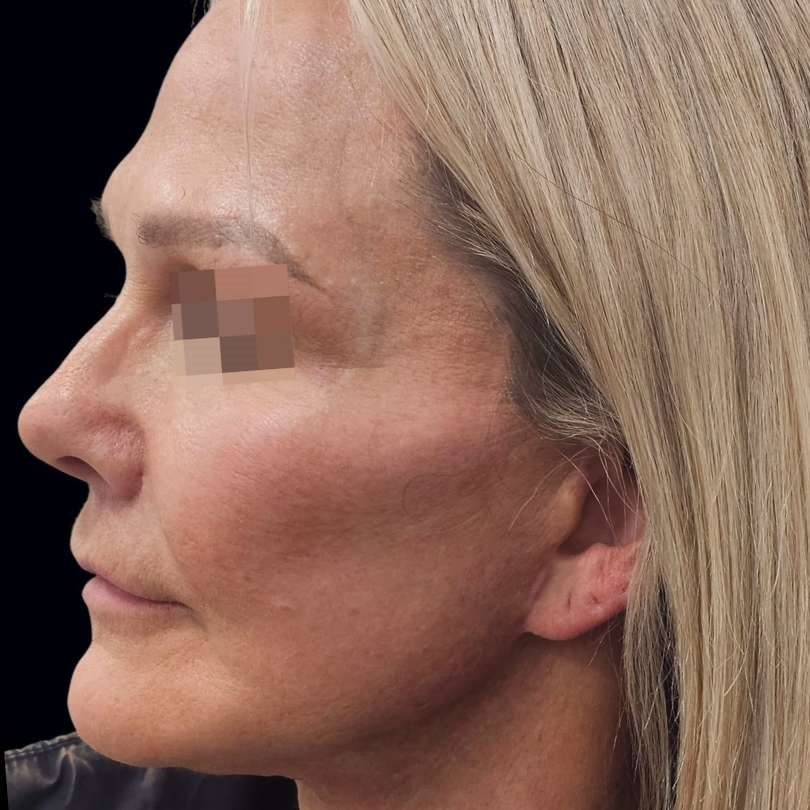
Lifted cheeks, a firmer jawline and softer jowls. Because the lift comes from the deeper layer, the skin isn’t pulled tight, so results look natural. They typically last 11 years or more.

Recovery

Around two to three weeks before most people feel ready for everyday life. Swelling and bruising settle gradually over the following weeks.


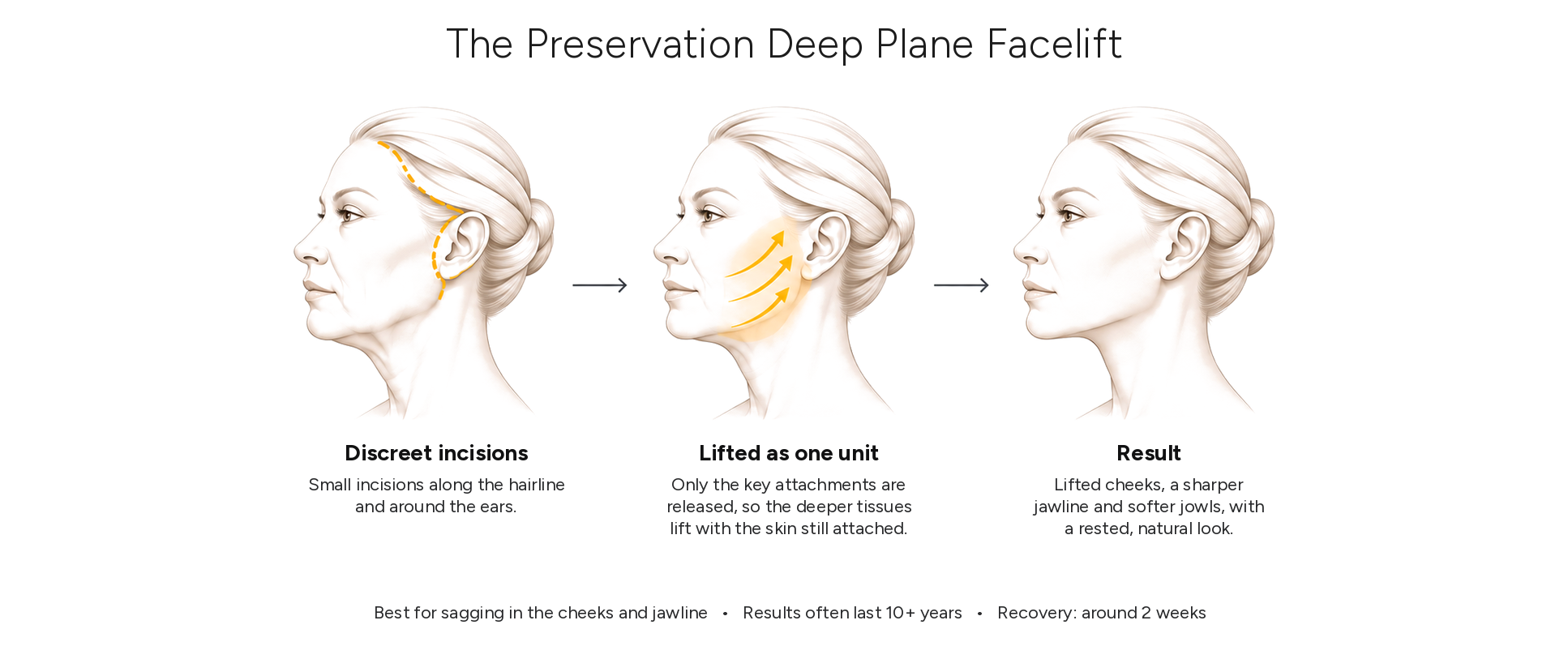
The preservation deep plane facelift: the same lift, with a gentler approach

The Preservation Deep Plane Facelift lifts the same deeper layer as a traditional deep plane facelift, giving you the same natural, long-lasting result. The difference is how gently we get there.

Instead of separating your skin from the tissue underneath, we keep the two connected as much as possible and release only the attachments that need to move. Your face is lifted as one connected unit, helping to turn back the clock naturally, with far less disruption to the tissues.

Who it suits

People who’ve noticed sagging in the cheeks, softening along the jawline or deeper lines between the nose and mouth, and who’d like a natural, long-lasting result with a smoother recovery.

What’s involved

Through discreet incisions along the hairline and around the ears, we lift the deeper tissues of your face, with the skin still attached. Your natural volume is moved back into place rather than removed, restoring fullness to the cheeks without looking overdone. Because less tissue is disturbed, we don’t need to use drains.

What you can expect

A sharper jawline, softer jowls, lifted cheeks and a rested, natural look, without a tight or “windswept” appearance. Results typically last 10 years or more.

Recovery

Most people go home the same day. A gentler approach is designed to mean less swelling and bruising, and many people return to light activities and non-strenuous work within about two weeks. Your final result settles over two to three months.


Many people choose to combine this with a neck lift, so the jawline and neck are refreshed together. Others pair it with a brow lift, eyelid surgery or fat transfer. We’ll talk you through what might suit you at your free consultation.

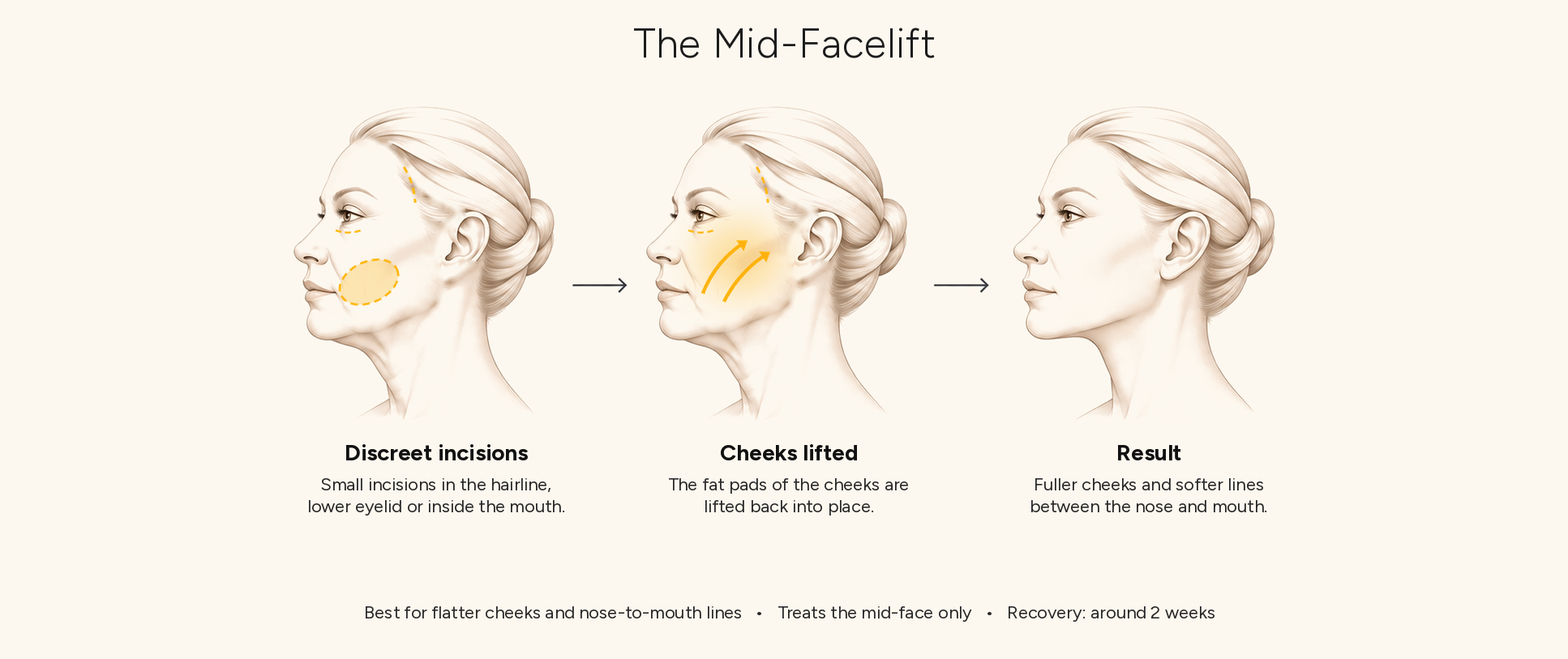
The mid-facelift (the cheek lift)

Focuses exclusively on the centre of the face, the area from the lower eyelids to the corners of the mouth.

Who is it for? People who’ve noticed their cheeks looking flatter, or deeper lines between the nose and mouth, but who are happy with their jawline and neck. 

  • The Technique: Often done through small, discreet incisions in the hairline, down the inside of the eyelid or inside the mouth to lift the fat pads of the cheeks.

  • The Result: Restores "apple" cheeks and softens the lines between the nose and mouth. It does not fix the jawline or neck, so some people choose to combine it with another procedure.

  • Recovery: Most people feel ready to get back to everyday life in around 2 weeks. Some swelling around the cheeks and under the eyes is normal at first, and this settles gradually over the following weeks. If your incisions are inside the mouth, you’ll be advised to eat soft foods for a few days while they heal.


Is a facelift safe?

A facelift is a well-established procedure, and most people recover well with no lasting problems. As with any surgery, though, there are some risks, and it’s important you know about them before making a decision. Your surgeon will talk you through these at your consultation, so you can ask anything you’re unsure about.

What’s normal after surgery

Some swelling, bruising and a feeling of tightness are a normal part of healing. Many people also notice some numbness around the cheeks and ears. This usually improves gradually over the following weeks and months as your face settles.

Possible complications

Complications are uncommon, but they can include:

  • Bleeding under the skin (a haematoma). This usually happens in the first day or so after surgery. It’s the most common complication, and it’s why we check on you closely after your procedure.
  • Infection. This is rare and can usually be treated with antibiotics.

  • Scarring. Incisions are placed in the hairline and natural creases around the ears, so scars are usually discreet and fade over time. Occasionally, scars can become raised or more noticeable. Find out how your scars will heal over time.

  • Changes in sensation or movement. Temporary numbness is common. Rarely, the nerves that control facial movement can be affected, causing weakness that usually recovers with time.

  • Hair loss near the incisions, or slight unevenness between the two sides of the face. These are uncommon and often improve as you heal.

  • General risks of surgery and anaesthetic, such as blood clots. Your surgeon will check your health beforehand to keep these risks as low as possible.

How you can help lower your risk

Being in good general health, following your surgeon’s advice before and after surgery, and not smoking all make a real difference. Smoking slows healing and increases the risk of complications, so your surgeon will ask you to stop for a period before and after your procedure.

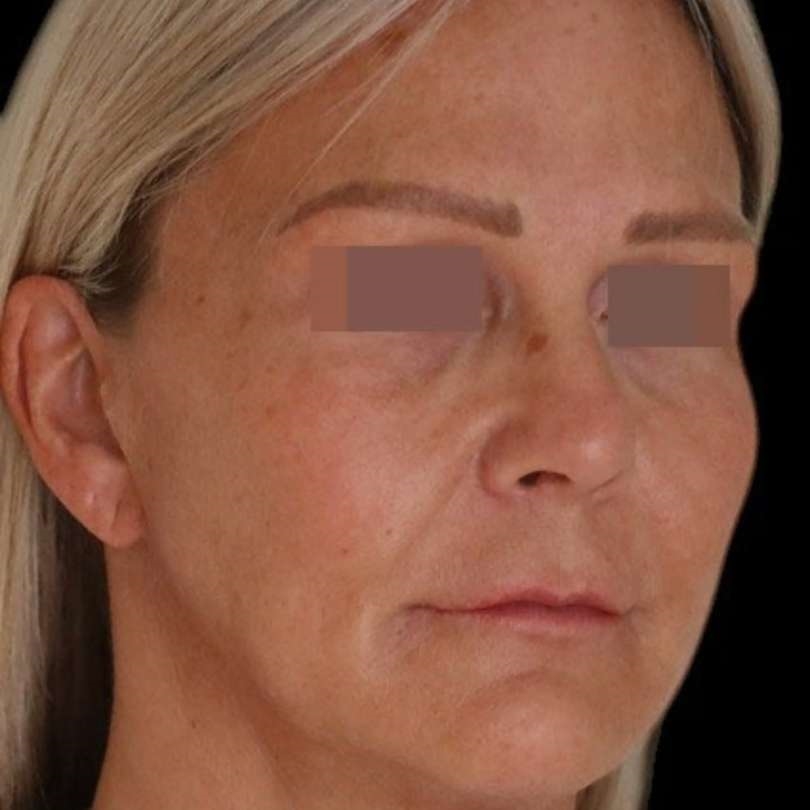
Tanya Bardsley's facelift consultation

How we look after you

  • Before surgery: Your surgeon will review your medical history and make sure a facelift is safe and right for you. Your Patient Coordinator will help you prepare, so you know exactly what to expect on the day.
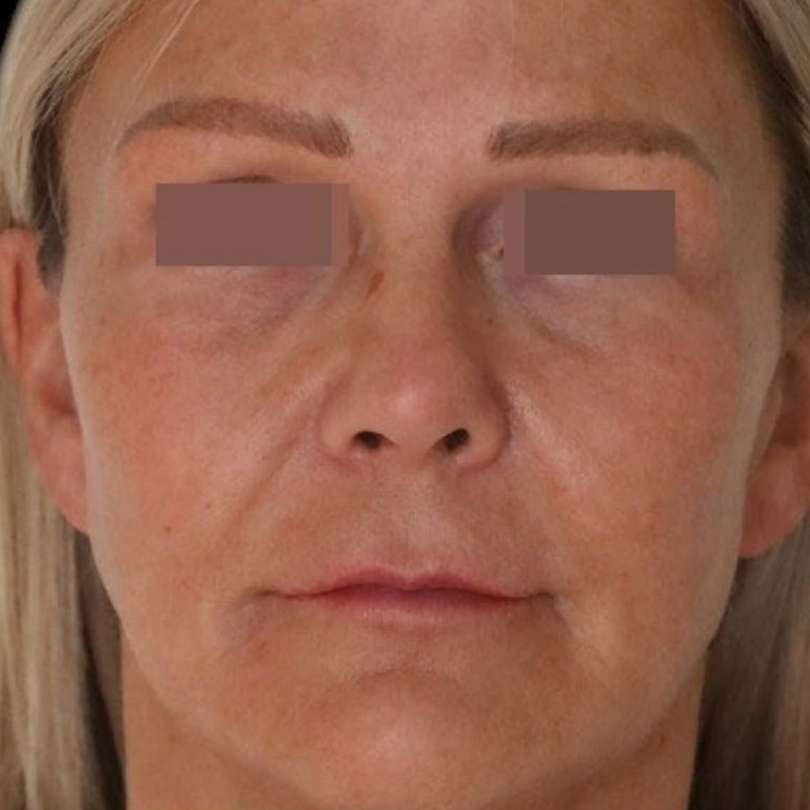
  • On the day: You’ll recover in a private en-suite room, and most people go home the same day.

  • After surgery: Your surgeon will see you around 48 hours after your procedure to check how you’re healing. You’ll then have follow-up appointments over the following weeks and months, so we can make sure your recovery is on track.

  • Whenever you need us: If you have any questions or concerns during your recovery, contact our team on 0161 832 2111 for around the clock support.

  • When to get help straight away. Contact us immediately if you notice sudden swelling or pain, especially on one side of your face, a fever, or signs of infection such as redness, heat or discharge from a wound. If you have chest pain or difficulty breathing, call 999.

[Read more about our aftercare →]

How much does a facelift cost?

Type of FaceliftPrice From
Surgeon ConsultationFREE
MACS Facelift£8,495
SMAS Facelift£8,995 to £12,995
Deep Plane Facelift£13,995
Preservation Deep Plane Facelift£16,995

Spread the cost with our finance options.

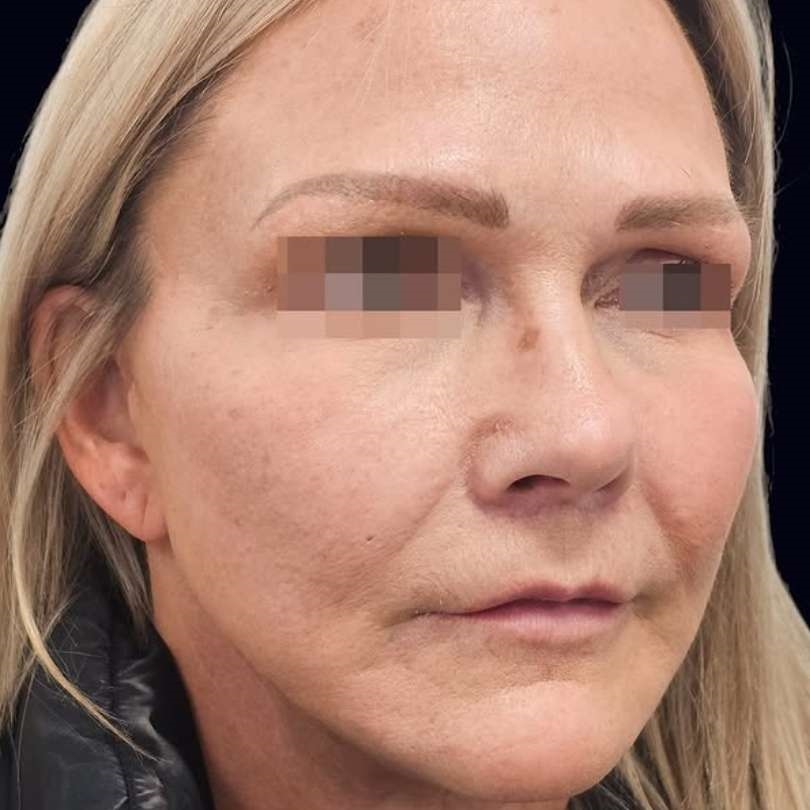
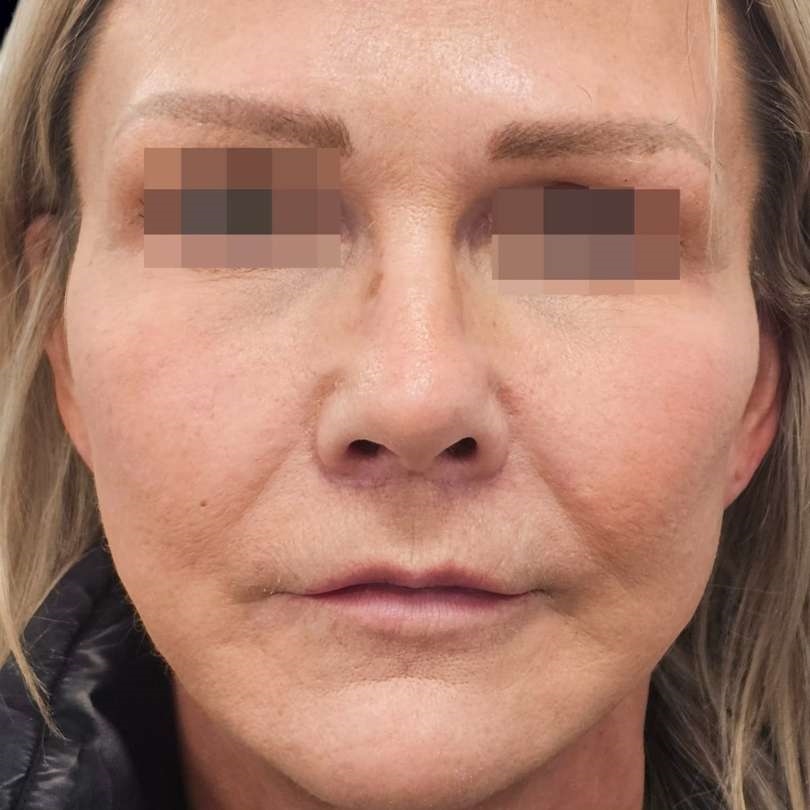
Zara Franklin's facelift consultation

What happens at your consultation?

Choosing a facelift is a big decision, and you don’t need to make it alone. From your first call or email, our Patient Coordinators are here to help. Whether you’re just starting to explore your options or you’re ready to meet a surgeon, we’ll guide you through every step at a pace that feels right for you.
A free consultation, with no obligation

Your consultation is free and there’s no pressure to book anything. It’s simply a chance to get expert advice and find out what’s possible for you.
Time to talk, and to be listened to

Your consultation lasts between 25 and 40 minutes. Your surgeon will ask what you’d like to change and examine your face, so they can understand how it has changed over time and which type of facelift might suit you best.
Clear, honest answers

Your surgeon will explain how the procedure works, where the incisions would be and the results you can realistically expect. They’ll also talk you through recovery and any possible risks, so you have the full picture before making a decision. 

Ask anything

There’s no such thing as a silly question. You’ll have plenty of time to ask whatever’s on your mind, and your surgeon will talk through any concerns you have.

Take all the time you need

You can have as many consultations with your surgeon as you need to feel confident. If you decide to go ahead, we’ll explain the next steps and what to expect in the lead-up to your surgery.

Meet our Surgeons

Face and Neck lift surgery is one of the most popular facial enhancing cosmetic procedures. Our expert plastic surgeons and facial cosmetic surgeons can discuss all of the options with you during a free of charge consultation.

Pall Mall Fallback Image

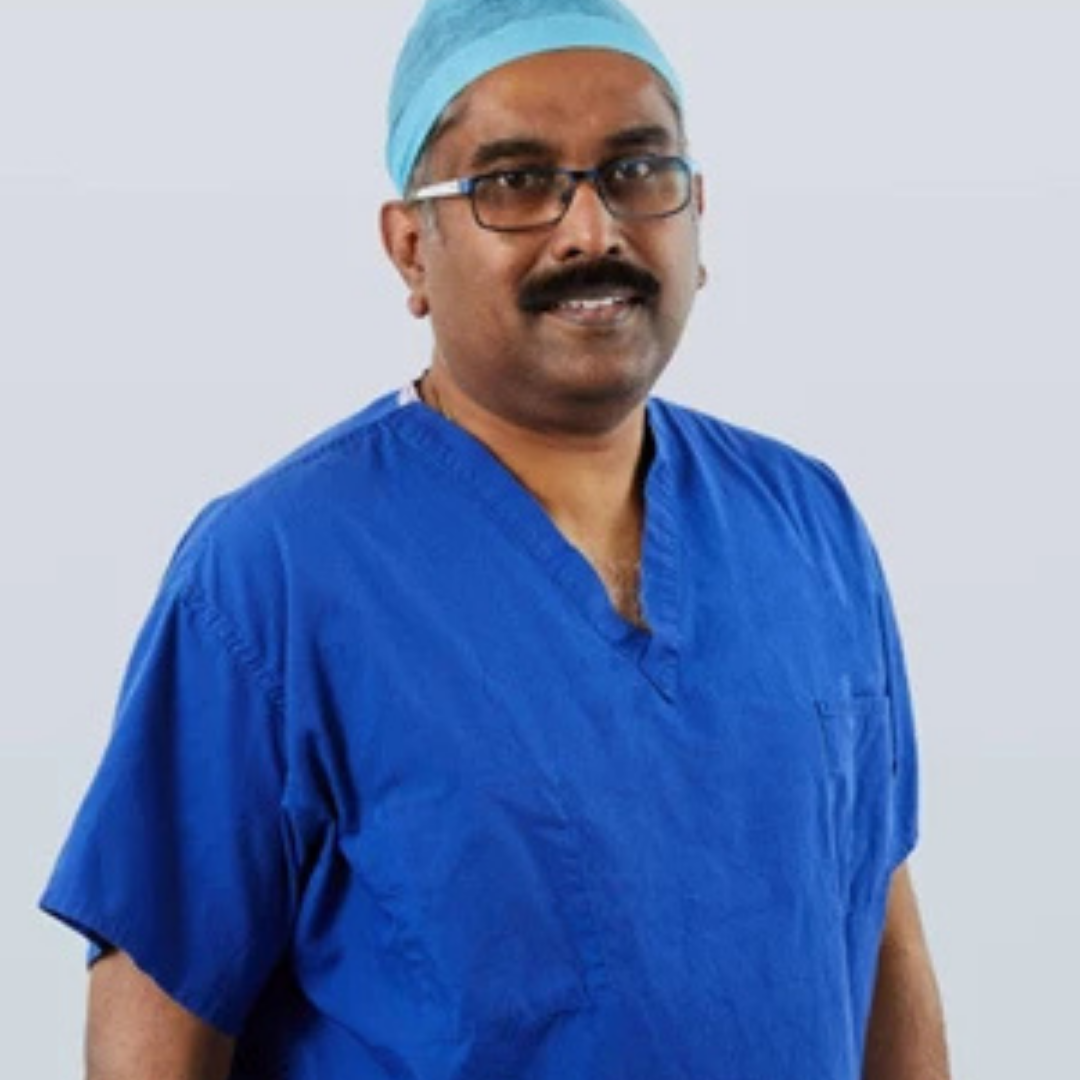
Professor Ullas Raghavan

Over 30 years experience
Cosmetic Surgery
Find out more
Pall Mall Fallback Image

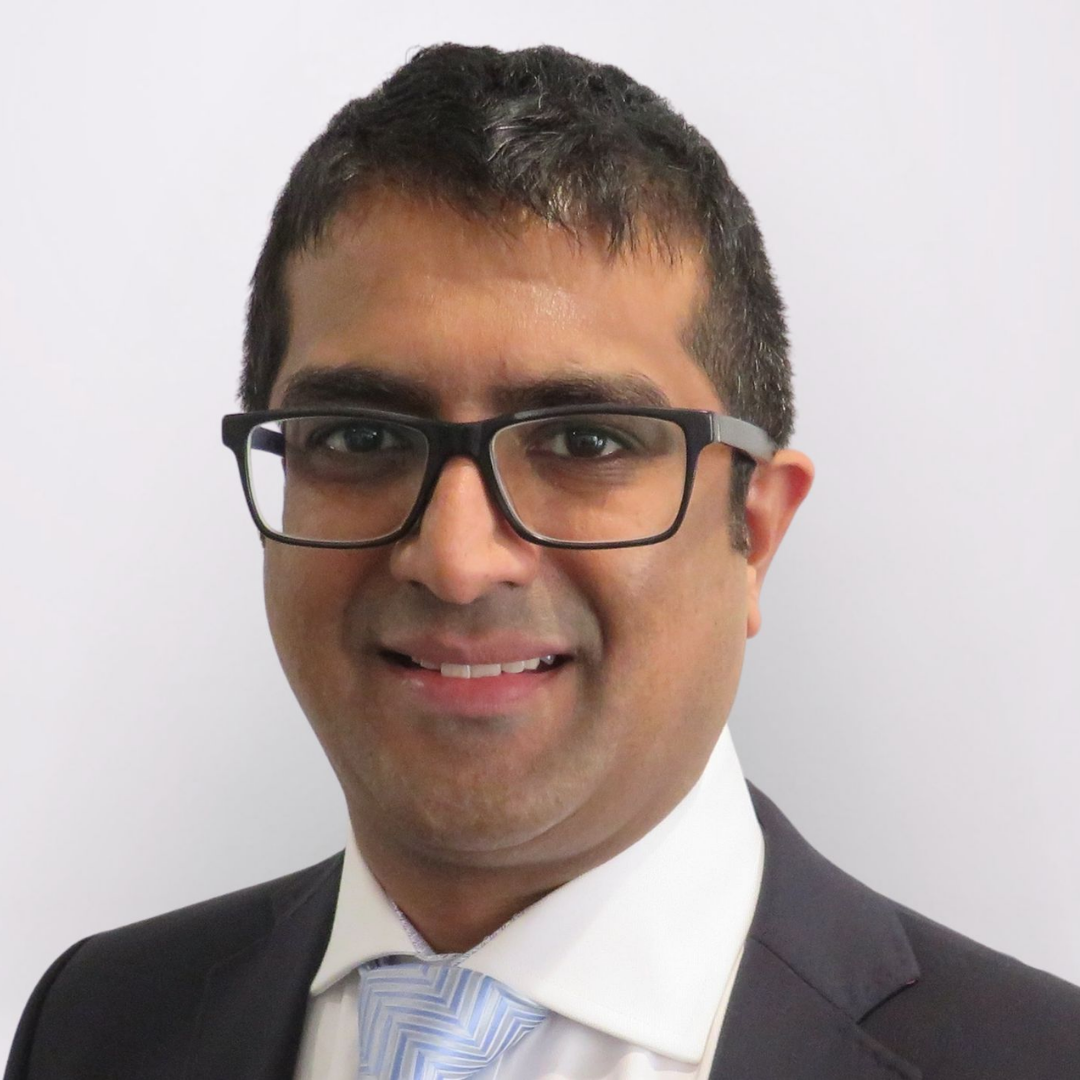
Mr Jeet Rao

Over 20 years experience
Cosmetic Surgery
Find out more
Pall Mall Fallback Image

Mr Mark Gorman

Over 10 years experience
Cosmetic Surgery
Find out more
Pall Mall Fallback Image

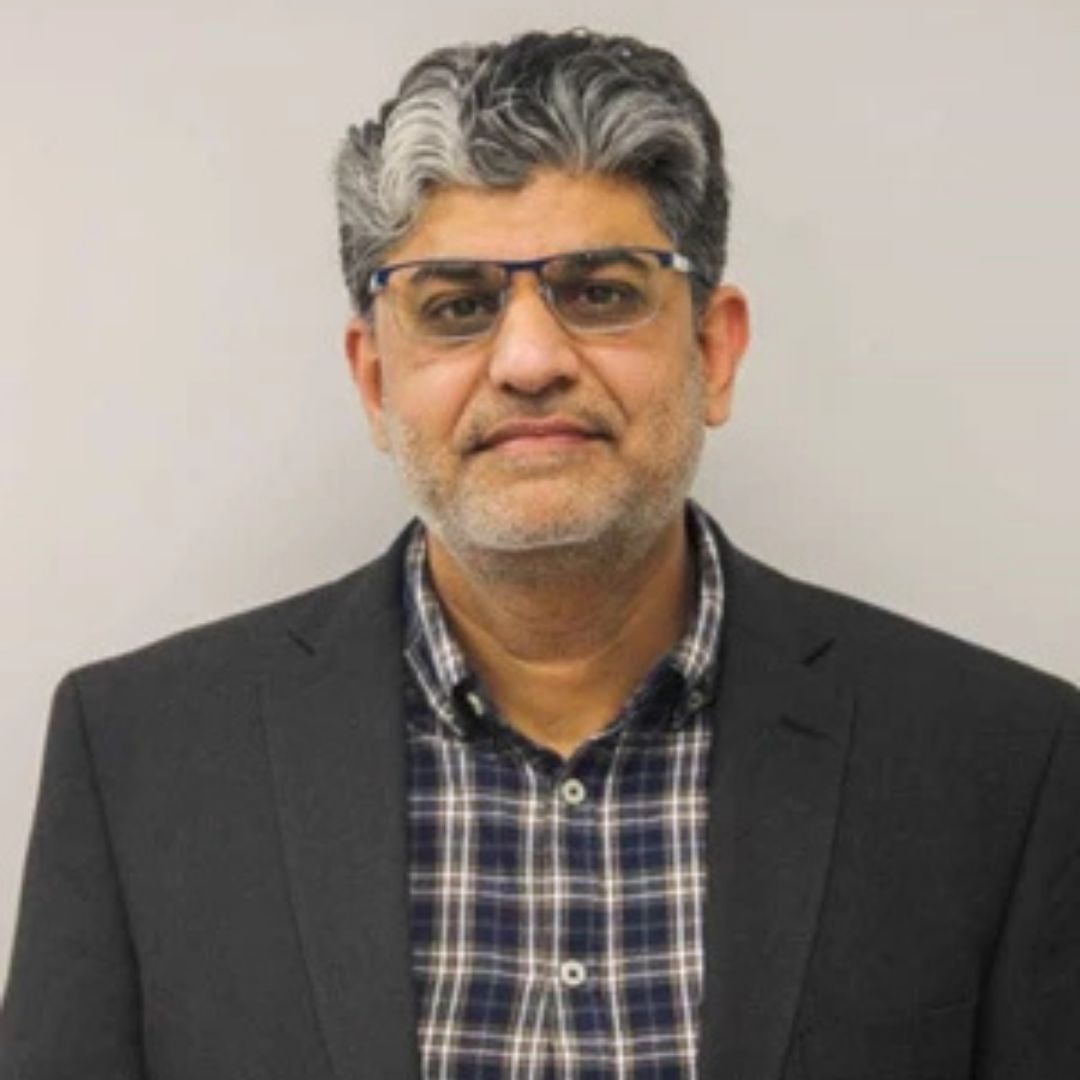
Mr Faisal Ashfaq

Over 19 years experience
Cosmetic Surgery
Find out more
Pall Mall Fallback Image

Mr Janak Bechar

Over 12 years experience
Cosmetic Surgery
Find out more
Pall Mall Fallback Image

Mr Esmail

Cosmetic Surgery
Find out more

Enquire About a Facelift

A member of our team will be in touch with you to discuss your requirements. 

I agree to receive advice, offers and news by email and SMS in accordance with our privacy policy