Menu Menu

What is an Apron Belly and How Can You Treat It?

What is an apron belly?

An apron belly is a fold of skin and fatty tissue that hangs down from the lower tummy. You might also hear it called an abdominal apron or pannus.

It gets its name from the way the skin hangs, sometimes covering the pubic area or reaching towards the upper thighs.

Everyone's body is different. Some people have a small fold of skin below their tummy, while others have a more noticeable overhang.

An apron belly can develop in both men and women, particularly after pregnancy or significant weight loss.

Having an apron belly doesn't automatically mean there's anything wrong with your health. However, if the skin folds are larger, they can sometimes cause rubbing, irritation or discomfort.

If your apron belly is affecting your self esteem or comfort, there are ways to manage it and explore potential treatment options.

What causes an apron belly?

There isn't one single reason why an apron belly develops. It's usually linked to changes in your skin, body fat or abdominal muscles.

Here are some of the most common causes.

Significant weight loss

Losing a significant amount of weight can be a huge personal achievement. But even after reaching your goal, you might notice that some loose skin remains around your tummy.

That's because your skin stretches as your body changes shape. After substantial weight loss, it doesn't always tighten back to its previous position.

How much loose skin remains depends on several factors, including your age, genetics, skin elasticity and how much your weight has changed.

Pregnancy and childbirth

Pregnancy brings incredible changes to your body, and your tummy is no exception.

As your baby grows, the skin and muscles around your abdomen stretch to make room. After giving birth, your body gradually adjusts, but your tummy may not return to how it looked before pregnancy. Some women also experience diastasis recti, where the abdominal muscles separate or move further apart during pregnancy.

An apron belly after pregnancy can be caused by loose skin, remaining abdominal fat, changes to the muscles or a combination of these. After four children, Melissa could see and feel the changes to her tummy muscles. Read Melissa’s story to hear how she decided what was right for her. 

Ageing and changes in skin elasticity

As we get older, our skin naturally produces less collagen and elastin, the proteins that help keep it firm and flexible.

This means skin that has stretched may find it harder to tighten again.

Changes in where your body stores fat can also make the lower tummy more prominent over time.

Genetics and body shape

Your genetics play a part in your natural body shape, where you store fat and how your skin responds to changes in weight.

Some people naturally carry more weight around their lower tummy, which can make an apron belly more noticeable.

Weight fluctuations

If your weight has changed several times throughout your life, your skin may have stretched and tightened repeatedly.

Over time, this can affect its elasticity and leave more noticeable loose skin around your abdomen.

Can you get rid of an apron belly naturally?

If you'd prefer to explore non-surgical options first, there are steps that may help.

The important thing is understanding what's causing your apron belly.

If it's mainly made up of excess fat, weight management and exercise may help reduce its size. If it's mostly loose skin, these approaches are less likely to make a significant difference to the overhang itself.

Can exercise help reduce an apron belly?

Regular movement is a great way to support your health, build strength and feel more comfortable in your body.

Activities such as walking, swimming, strength training and exercises that support your core muscles can all play a positive role.

However, exercise can't specifically target fat around your lower tummy or remove loose skin.

If you've experienced abdominal muscle separation after pregnancy, a physiotherapist may be able to recommend exercises to help improve your core strength and function.

Can losing weight reduce an apron belly?

If excess fat is contributing to your apron belly, losing weight may help reduce its size - but it doesn't always change the appearance of loose skin.

In fact, after significant weight loss, the remaining skin may become more noticeable.

This can be frustrating, especially if you've already worked hard to reach a weight you're happy with. That’s how Carlita felt after losing four and a half stone. You can read Carlita’s story to hear how she decided what was right for her. Understanding the difference between excess fat and loose skin can help you decide what to do next. 

Can creams or skin-tightening treatments help?

Moisturisers and skincare products can help keep your skin hydrated and healthy, but they can't remove significant amounts of loose skin.

Some non-surgical skin-tightening treatments may offer modest improvements when skin laxity is mild. Results can vary, and they're unlikely to make a substantial difference to a larger overhang.

If loose skin is your main concern, speaking to a specialist can help you understand which treatments are most likely to give you the results you're looking for.

Mr Prasad with a Pall Mall patient

How can an apron belly be treated?

There are several ways to manage or treat an apron belly, depending on your body, your health and what you'd like to achieve.

For some people, lifestyle changes are enough. Others may decide to explore surgery to remove excess skin and feel more comfortable in their body.

1. Lifestyle changes and weight management

Eating a balanced diet, staying active and maintaining a weight that works for you can support your overall health.

If your apron belly contains excess fat, these steps may also help reduce its size.

However, if loose skin is the main concern, lifestyle changes alone may not give you the improvement you're hoping for.

2. Tummy tuck surgery (abdominoplasty)

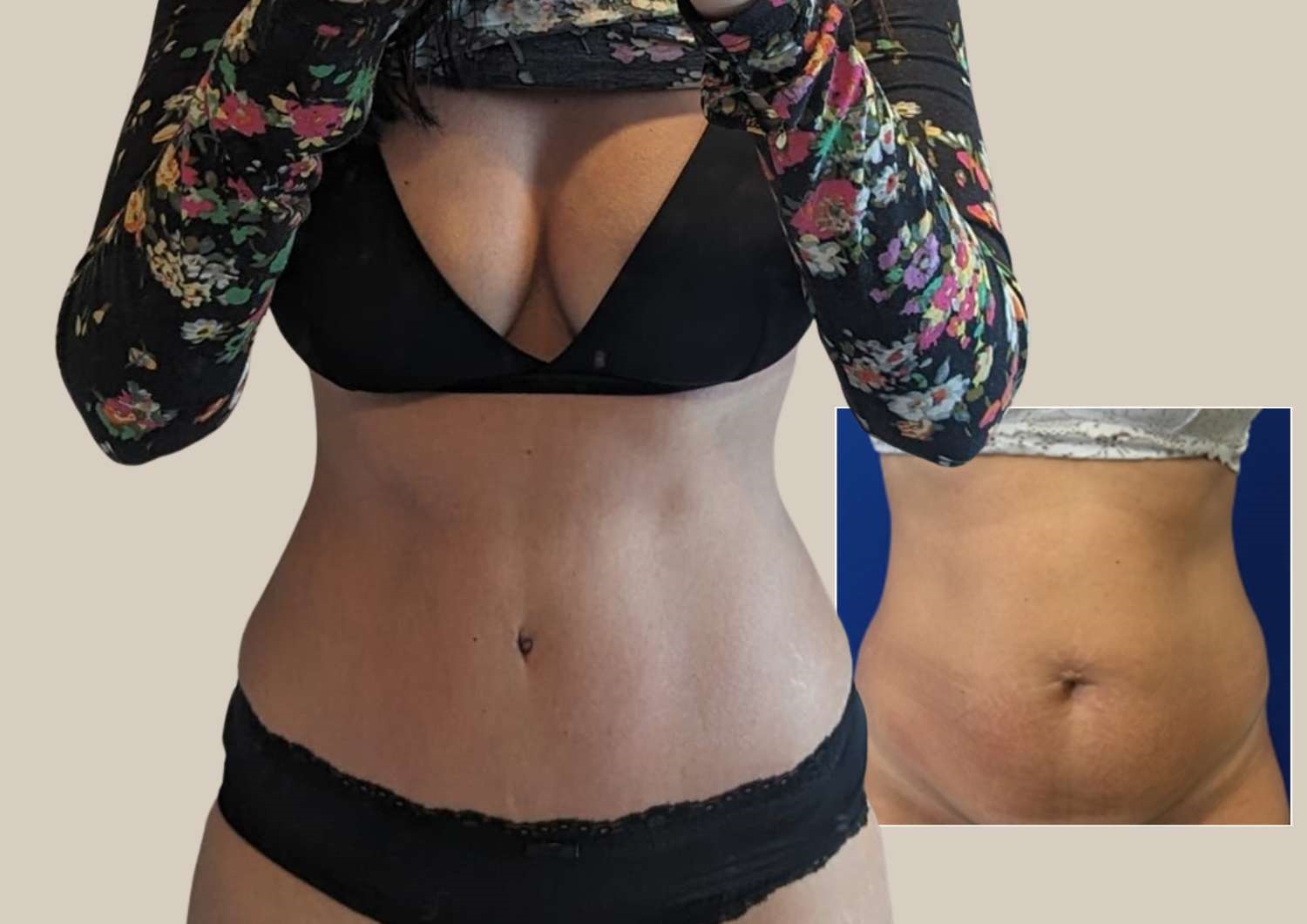
A tummy tuck, also known as abdominoplasty, removes excess skin and some fatty tissue from your abdomen to create a smoother, more defined tummy shape.

Depending on your individual needs, the procedure may also involve tightening abdominal muscles that have separated.

For people with an apron belly caused by loose skin, a tummy tuck may help reduce the overhang and improve the shape of the lower tummy.

There are different types of tummy tuck surgery, including full and mini tummy tucks.

A consultant plastic surgeon can talk you through the differences and explain which approach, if any, may be suitable for you.

It's important to remember that a tummy tuck isn't a weight loss procedure. It's generally considered when you've reached a suitable, stable weight.

Apronectomy (removing excess hanging skin)

An apronectomy is an operation to remove a fold of loose skin and fatty tissue that hangs from the lower tummy.

Unlike a full tummy tuck, which focuses on reshaping the abdomen and may include muscle tightening, an apronectomy mainly focuses on removing the hanging skin and tissue.

It may be an option if your apron belly causes discomfort, repeated skin irritation, hygiene difficulties or makes everyday movement harder.

A consultant surgeon can assess your individual circumstances and explain whether this procedure could help.

Liposuction

Liposuction removes localised areas of fat to help reshape parts of the body.

It may be an option if your main concern is excess fat rather than loose skin, particularly if your skin still has good elasticity.

However, liposuction doesn't remove significant amounts of loose skin.

If your apron belly is mainly caused by stretched skin, liposuction alone may not achieve the result you want and could make the loose skin more noticeable.

In some cases, your surgeon may discuss combining liposuction with another procedure.

Is a tummy tuck the best treatment for an apron belly?

A tummy tuck can make a noticeable difference for some people, particularly when loose skin is the main concern.

But everyone's body is different, and surgery isn't always the right answer.

During a consultation, your surgeon will take time to understand what you'd like to change and assess factors such as:

  • How much excess skin you have and where it's located

  • The amount and distribution of abdominal fat

  • Whether your abdominal muscles have separated

  • Your general health and weight stability

  • Any previous abdominal surgery

  • Whether you're planning future pregnancies

  • Your personal goals and expectations

You might be suited to a full tummy tuck, a smaller procedure or a non-surgical approach.

The aim is to help you understand what's possible, what the treatment involves and whether it feels right for you.

What's the difference between an apron belly and belly fat?

Although they're closely related, an apron belly and belly fat aren't quite the same thing.

Belly fat is fat stored around your abdomen. This includes fat just beneath the skin and fat deeper inside your abdomen, around your organs.

An apron belly is specifically the fold of skin and fatty tissue that hangs down from your lower tummy.

It's possible to have an apron belly even if you're slim or have lost a significant amount of weight.

Understanding this difference matters because treatments that reduce fat won't necessarily remove loose skin.

Can an apron belly cause health problems?

For many people, an apron belly doesn't cause any health problems.

However, larger folds of skin can sometimes make everyday life a little less comfortable.

You might experience:

  • Skin rubbing or chafing beneath the fold

  • Sweating or moisture getting trapped against the skin

  • Recurring rashes or skin infections

  • Discomfort when moving or exercising

  • Difficulty keeping the area clean and dry

  • Challenges finding clothes that fit comfortably

Keeping the area clean and dry can help manage irritation.

If you're experiencing ongoing soreness, redness, broken skin or repeated infections, speak to your GP for advice.

These concerns can often be managed without surgery, so it's worth understanding your options before deciding on any treatment.

Mr Prasad with Carlita

Who might be suitable for apron belly surgery?

If you've been left with loose skin after pregnancy or weight loss, and it's affecting how you feel or move, surgery may be something you'd like to explore.

You may be a suitable candidate if you:

  • Have loose skin that hasn't improved with lifestyle changes

  • Have maintained a relatively stable weight

  • Are generally in good health

  • Don't smoke or are willing to follow advice about stopping before surgery

  • Understand that surgery will leave scars

  • Have realistic expectations about the results and recovery

If you're planning further significant weight loss or another pregnancy, your surgeon may recommend waiting.

Some health conditions can also increase surgical risks, so a full assessment is important.

The decision is always yours. A consultation is an opportunity to explore your options and get clear, personalised advice, without any pressure to proceed.

What are the risks of apron belly surgery?

Like any operation, tummy tuck surgery and apronectomy carry risks.

These can include infection, bleeding, problems with wound healing, fluid collecting beneath the skin, changes in sensation, blood clots and complications linked to anaesthesia.

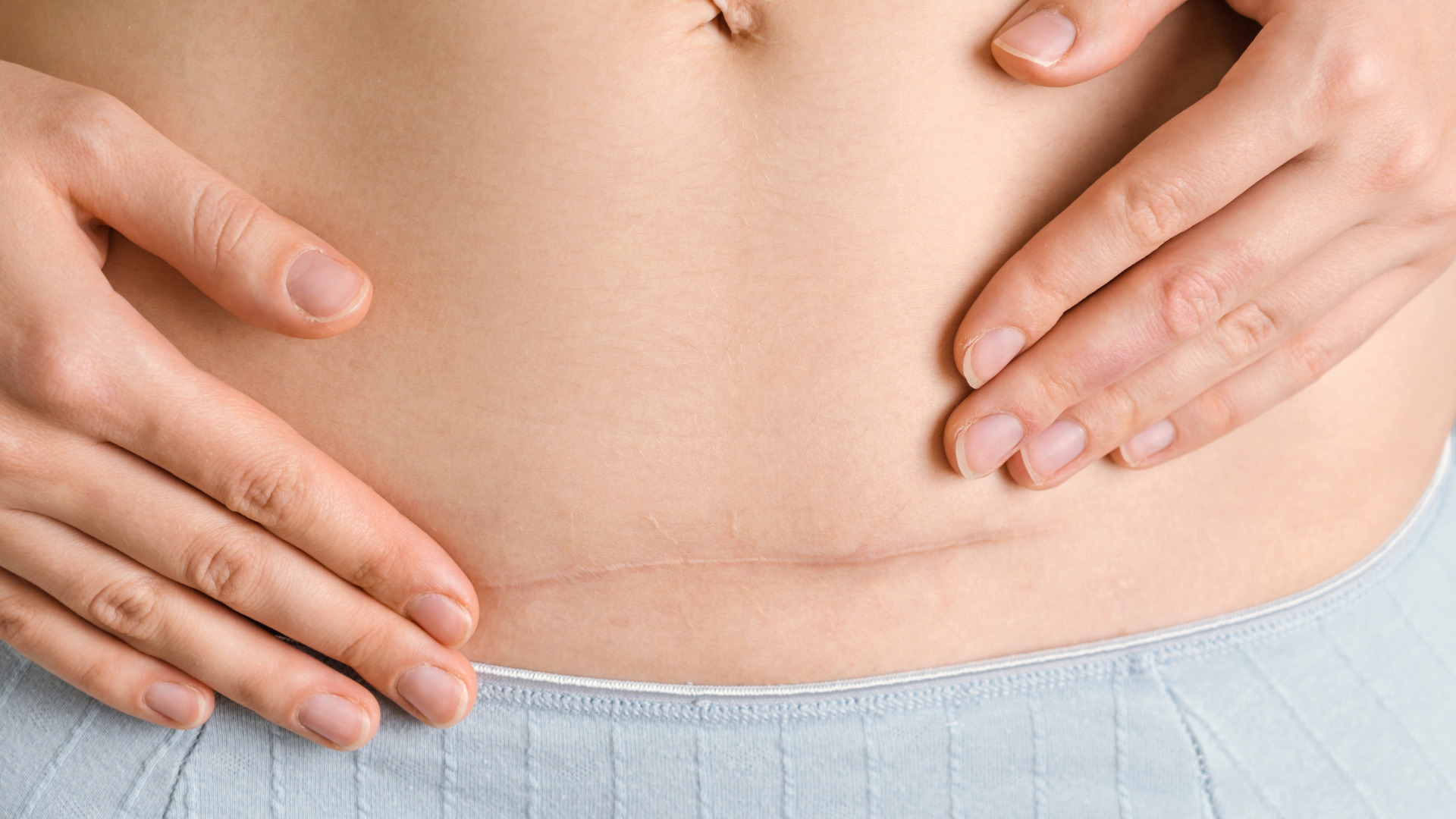
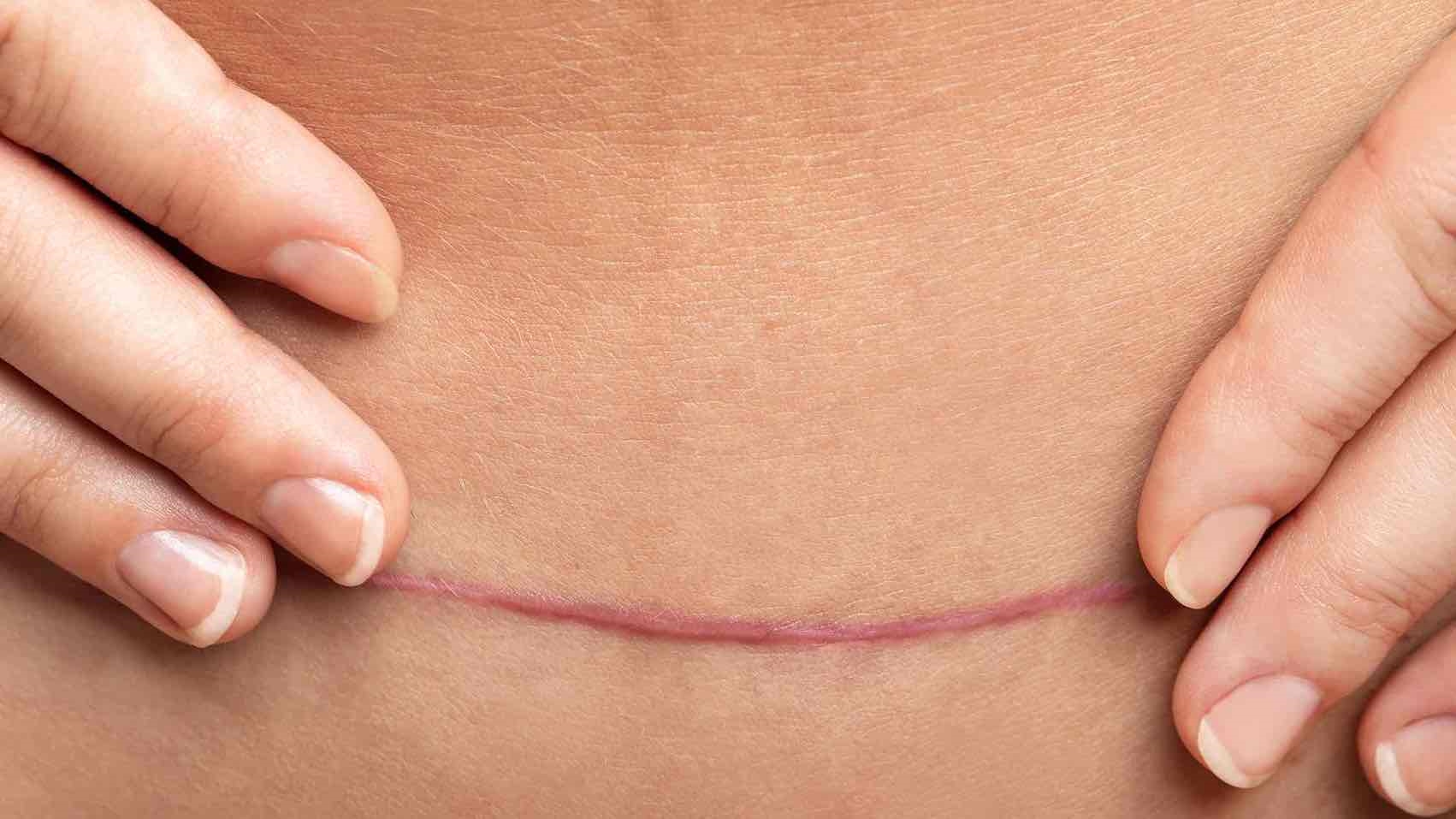
Surgery will also leave permanent scars, although these may become less noticeable over time.

It's important to know that results can vary, and some people may need further treatment.

Your consultant surgeon will explain the potential benefits, risks and limitations so you have the information you need to make a confident, informed decision.

How long does recovery take after a Tummy Tuck?

Recovery is different for everyone, and how long it takes will depend on the type of surgery you've had and how your body heals.

You'll need to give yourself time to rest and recover before returning to your usual routine.

Some people may need around four to six weeks away from work or exercise, depending on their job, the extent of surgery and their surgeon's advice.

During the early stages of recovery, it's normal to experience some swelling, bruising, tightness and discomfort.

You may also be advised to wear a supportive compression garment while your body heals.

Your surgical team will guide you through recovery, including when you can safely return to work, drive, exercise and enjoy your usual activities.

Although you may feel ready to return to many everyday activities within several weeks, swelling can take longer to settle, and scars will continue to change over the following months.

The goal is to give your body the time and support it needs to heal well.

Pall Mall patient after a mummy makeover

Can an apron belly come back after surgery?

Surgery can remove excess skin and fatty tissue, creating a smoother tummy shape. However, your body will naturally continue to change over time.

Weight fluctuations, ageing and future pregnancies can all affect your results.

Maintaining a stable weight and following your surgeon's aftercare advice may help you maintain the improvement for longer.

Your surgeon will also explain what you can realistically expect from your procedure, both in the short term and over the years ahead.

Frequently asked questions about apron belly

Can you get rid of an apron belly without surgery?

Sometimes. If your apron belly is mainly caused by excess fat, weight management and regular exercise may help reduce its size. However, if loose skin is the main concern, these approaches are unlikely to remove it completely.

Does an apron belly go away after pregnancy?

Your tummy can continue to change for months after giving birth as your body recovers. Some skin may tighten naturally, but loose skin or separated abdominal muscles can sometimes remain. Everyone's recovery is different.

Can walking help reduce an apron belly?

Walking is a great way to stay active and support your overall health. It may help with weight management, which can reduce abdominal fat. However, walking can't specifically target lower tummy fat or remove excess skin.

Is an apron belly the same as a mummy tummy?

Not quite. 'Mummy tummy' is an informal term for changes to the abdomen after pregnancy, such as loose skin, extra fat or separated abdominal muscles.

An apron belly specifically describes a fold of skin and fatty tissue hanging from the lower tummy. It can affect anyone, whether they've been pregnant or not.

Will a mini tummy tuck remove an apron belly?

A mini tummy tuck may be suitable if you have a smaller amount of loose skin below your belly button.

If you have a larger overhang, a full tummy tuck or another procedure may be more appropriate.

Your surgeon can assess your tummy and help you understand which option is most suitable for your goals.

Can you have an apron belly even if you're slim?

Yes. An apron belly isn't always linked to your current weight.

You can have loose skin around your lower tummy after significant weight loss, pregnancy or natural changes in skin elasticity, even if you're slim or at a healthy weight. 

Is apron belly surgery available on the NHS?

Tummy tuck surgery is generally considered cosmetic, so it's not routinely available through the NHS.

In some circumstances, surgery to remove excess abdominal skin may be considered if it's causing significant medical problems. Eligibility depends on local NHS funding policies and individual circumstances.

If you're unsure, your GP can help you understand whether NHS assessment may be an option.

Understanding your apron belly treatment options

Your body changes throughout life, and having an apron belly is nothing unusual.

But if loose skin around your tummy is affecting your comfort, confidence or how you feel in your clothes, you don't have to keep wondering what your options are.

For some people, lifestyle changes can make a difference. For others, treatments such as a tummy tuck or apronectomy may help reduce excess skin and create a smoother abdominal shape.

Surgery is a personal decision, and it's important to understand the potential results alongside the risks, scarring and recovery involved.

At Pall Mall we believe the first step is understanding what's right for you.

Our experienced consultant plastic surgeons can take the time to listen to your concerns, explain your options in plain English and help you understand what treatment could realistically achieve.

Whether you're ready to explore surgery or simply want some expert advice, we're here to help you make a decision that feels right for you.

Blood Testing Knowledge hub

Mr Bechar explains modern tummy tuck surgery
Mr Bechar explains the new, innovative lock and glue tummy tuck technique to help patients achieve natural looking results with enhanced recovery and reduced reliance on traditional surgical drains.
Pall Mall Fallback Image
Tummy Tuck scars: What to expect
Pall Mall Fallback Image
Can I have a Tummy Tuck after a c-section?

Explore the possibilities of reclaiming your pre-pregnancy figure and learn how tummy tuck surgery caters to mothers seeking a transformation. Discover the confidence that comes with a toned tummy after childbirth.

Pall Mall Fallback Image
What happens to your belly button during a Tummy Tuck?

Learn what happens to the belly button during a Tummy Tuck, and see what the results look like. Book a free consultation to find out more about the procedure.

Pall Mall Fallback Image
Tummy Tuck recovery time: What to expect week by week

Explore what to expect week-by-week during your Tummy Tuck recovery. Learn about post-op care, pain management, swelling, and when you can return to daily activities. Our expert team at Pall Mall provides extensive support throughout the recovery journey to ensure optimal results.

Pall Mall Fallback Image
Ampika Pickston's transformational Reverse Tummy Tuck

“I am pain free and loving my new stomach.”

Pall Mall Fallback Image
Tanya Bardsley's Tummy Tuck and Endoscopic Brow Lift

“Mr Hussain is a miracle worker.” – Tummy Tuck and Endoscopic Brow Lift at Pall Mall

Pall Mall Fallback Image
Liposuction or tummy tuck: Which is right for you?

Explore the differences between liposuction and tummy tuck options.

Enquire Now

A member of our team will be in touch with you to discuss your requirements. 

I agree to receive advice, offers and news by email and SMS in accordance with our privacy policy