A kidney function test measures substances such as creatinine and estimated glomerular filtration rate (eGFR) to assess how well your kidneys are working. Abnormal results can suggest reduced kidney function. Further tests may be needed to determine the cause.

Kidney Function Blood Tests
- No referrals needed
- Experienced nurses
- Lab-certified results within days
- Next day appointments
- Understand your cardiovascular health
- Monday to Saturday appointments
- Clinics in Manchester, Liverpool & Newton-Le-Willows
Which blood tests are used to check kidney function?
Kidney function is usually assessed with a small group of blood tests that measure how effectively your kidneys are filtering waste from the body.
The main tests include:
| Blood test | What it helps assess |
| Creatinine | Creatinine is a waste product produced by your muscles. Healthy kidneys filter it out of the blood. Raised creatinine levels can suggest reduced kidney function, although results must be interpreted alongside age, muscle mass and overall health. |
| eGFR (Estimated Glomerular Filtration Rate) | eGFR is calculated using your creatinine level, age and sex. It estimates how well your kidneys are filtering blood. A lower eGFR may indicate reduced kidney function. |
| Urea | Urea is another waste product that the kidneys remove from the bloodstream. Elevated levels can suggest that the kidneys are not working efficiently, but dehydration and other factors can also affect results. |
| Electrolytes (Sodium, Potassium and Others) | Kidneys help regulate electrolyte balance. Abnormal sodium or potassium levels can sometimes be linked to kidney problems and may require further assessment. These tests are often grouped together as a Urea and Electrolytes (U&E) panel or included within a broader health screen. |
When to get a kidney function blood test
Kidney function blood tests are often used to monitor and screen for chronic conditions including:
Type 1 or Type 2 Diabetes: At least once annually, as diabetic nephropathy is a leading cause of kidney damage.
High Blood Pressure (Hypertension): Annually or as directed, because sustained elevated pressure damages renal blood vessels.
Cardiovascular Disease: Heart failure, peripheral artery disease, or a history of stroke/heart attack require periodic renal monitoring.
Blood tests to monitor kidney function may also be offered for those over 60, and those with a family history of chronic kidney disease.
At Pall Mall, you can book a kidney function blood test without a GP referral.
How is Kidney Health Measured?
Kidney or renal health is usually checked first with blood tests. If any abnormalities are detected, the kidneys can be scanned with an MRI or ultrasound scan.
Signs you might need a kidney function blood test
If you experience any of the below symptoms, it’s worth booking a private GP appointment to discuss your symptoms.
Fluid Retention (Edema): Unexplained swelling in the ankles, feet, legs, hands, or puffiness around the eyes.
Urinary Changes: Foamy/frothy urine, blood in urine (hematuria), significant increase or decrease in urination frequency, or waking frequently at night to urinate (nocturia).
Systemic Symptoms: Unexplained fatigue, brain fog, persistent itchy dry skin, metallic taste in the mouth, nausea, or loss of appetite.
Flank or Back Pain: Persistent dull ache in the lower back or side, particularly if accompanied by fever or urinary changes.
Meet our GPs
Our North West clinics offer fast access to high quality private healthcare services with our qualified and experienced Private GP's on hand from Monday through Saturday. Get the best medical care without waiting weeks for an appointment.






After your results
A blood test can confirm reduced kidney function, but it's important to understand why it has happened. Causes can include diabetes, high blood pressure, dehydration, certain medications, urinary tract infections, kidney stones, autoimmune conditions or long-term conditions such as chronic kidney disease.
Anyone with little or no urine output, severe swelling, shortness of breath, confusion or drowsiness, chest pain, or persistent nausea and vomiting should seek urgent medical advice rather than relying on a routine blood test.
Why trust us with your blood test
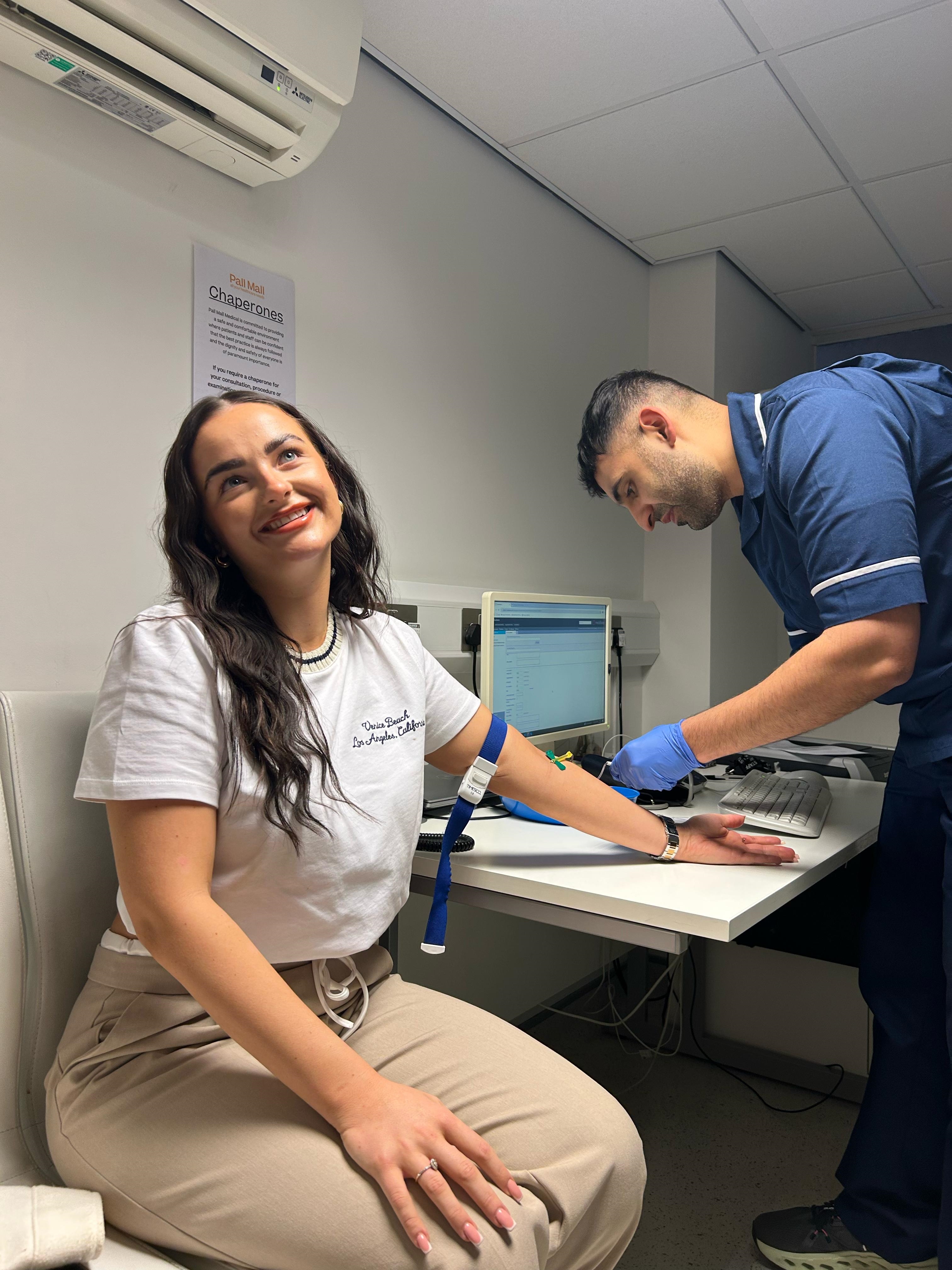
At Pall Mall Medical, we offer fast access to private blood testing with next-day appointments available across our North West clinics.
Your sample is analysed by accredited laboratories, and you'll receive reliable results within days. If further investigation or treatment is needed, our experienced GPs and healthcare professionals can guide you through the next steps, helping you get answers quickly without long waiting times.
- Expert Care: Our highly skilled, friendly nurses ensuring a painless & perfect sample every time.
- Peace of Mind: Our team is there to support you, answer questions, and put you at ease.
- Expert In-Clinic Care: Professional sample collection. No finger-prick struggles or spoiled samples.
- Huge Selection of tests: Access to a vast range of comprehensive, lab-certified health profiles.
- Same-Day Lab Arrival: We use a dedicated courier to get your samples to the lab the same day they are taken.
- Rapid Turnaround: Faster processing means you get your answers sooner, specifically catering to time-sensitive biomarkers.
Frequently Asked Questions.
What blood test is used to diagnose kidney problems?
The main test used to check kidney health is a kidney function test, often referred to as a "renal profile" or U&Es (urea and electrolytes). This measures creatinine, urea and electrolyte levels, and is used to calculate your eGFR (estimated glomerular filtration rate) — a key indicator of how well your kidneys are filtering waste from your blood.
What symptoms could indicate a kidney problem?
Kidney issues can develop gradually and symptoms aren't always obvious in the early stages. Common symptoms include:
Persistent tiredness or fatigue
Swelling in the legs, ankles or feet
Changes in urination, such as needing to go more often or producing less urine
Foamy or discoloured urine
Persistent lower back pain
Nausea or loss of appetite
Difficulty concentrating
High blood pressure
If you're experiencing these symptoms, a blood test can help determine whether reduced kidney function may be the cause.
What causes kidney problems?
Reduced kidney function can result from a number of causes, including diabetes, high blood pressure, dehydration, certain medications, urinary tract infections, kidney stones, autoimmune conditions and long-term conditions such as chronic kidney disease. Identifying the underlying cause is an important part of diagnosis and treatment.
Which blood tests are included in a kidney function test panel?
Our recommended kidney function test panel typically includes:
Creatinine
Urea
Electrolytes (sodium and potassium)
Estimated Glomerular Filtration Rate (eGFR)
Depending on your symptoms and medical history, your clinician may also recommend liver function, full blood count or diabetes-related tests to provide a more complete assessment.
How should I prepare for my blood test?
Most kidney function tests do not require fasting, so you can usually eat and drink as normal before your appointment. However, if your clinician has requested additional tests that require fasting, we'll let you know when you book.
How quickly will I receive my results?
Most blood test results are available within a few days, depending on the tests requested. Once your results are available, they'll be reviewed and explained, with guidance on any further investigations or treatment that may be appropriate.
Can a blood test tell me what's causing my kidney problem?
A blood test can often indicate whether your kidney function is reduced and to what degree, based on your creatinine, urea and eGFR levels. However, further investigations — such as urine tests or imaging — may sometimes be needed to identify the underlying cause.
Can I book a kidney function test without a GP referral?
Yes. You can book a kidney function test at Pall Mall Medical without a GP referral. If you're unsure which blood tests you need, our healthcare team can help you choose the most appropriate option based on your symptoms.
What happens if my blood test shows reduced kidney function?
If your results indicate reduced kidney function, it's important to understand why. Depending on the findings, you may be advised to have further investigations or treatment, such as medication review, lifestyle changes, blood pressure management or referral for additional assessment. Our clinicians can explain your results and recommend the most appropriate next steps.
Is a kidney function test suitable if I have diabetes or high blood pressure?
Yes. Kidney function tests are commonly used to monitor patients with diabetes or high blood pressure, as both conditions can affect kidney health over time. Regular monitoring can help detect changes early, so speak with your clinician about how often testing may be appropriate for you.
When should I seek urgent medical attention?
A routine blood test is appropriate for many people with symptoms of reduced kidney function. However, you should seek urgent medical assessment if you experience:
Little or no urine output
Severe swelling in the legs, ankles or face
Shortness of breath
Confusion or drowsiness
Chest pain or pressure
Nausea and vomiting that won't settle
These symptoms may require immediate medical investigation and should not be delayed while waiting for routine blood test results.
Will a doctor explain my results to me?
Yes, one of our experienced GPs will review your results and provide a clear explanation of what they mean, along with any recommendations or referrals if needed.
Book a Private Blood Test
A member of our team will be in touch with you to discuss your requirements.