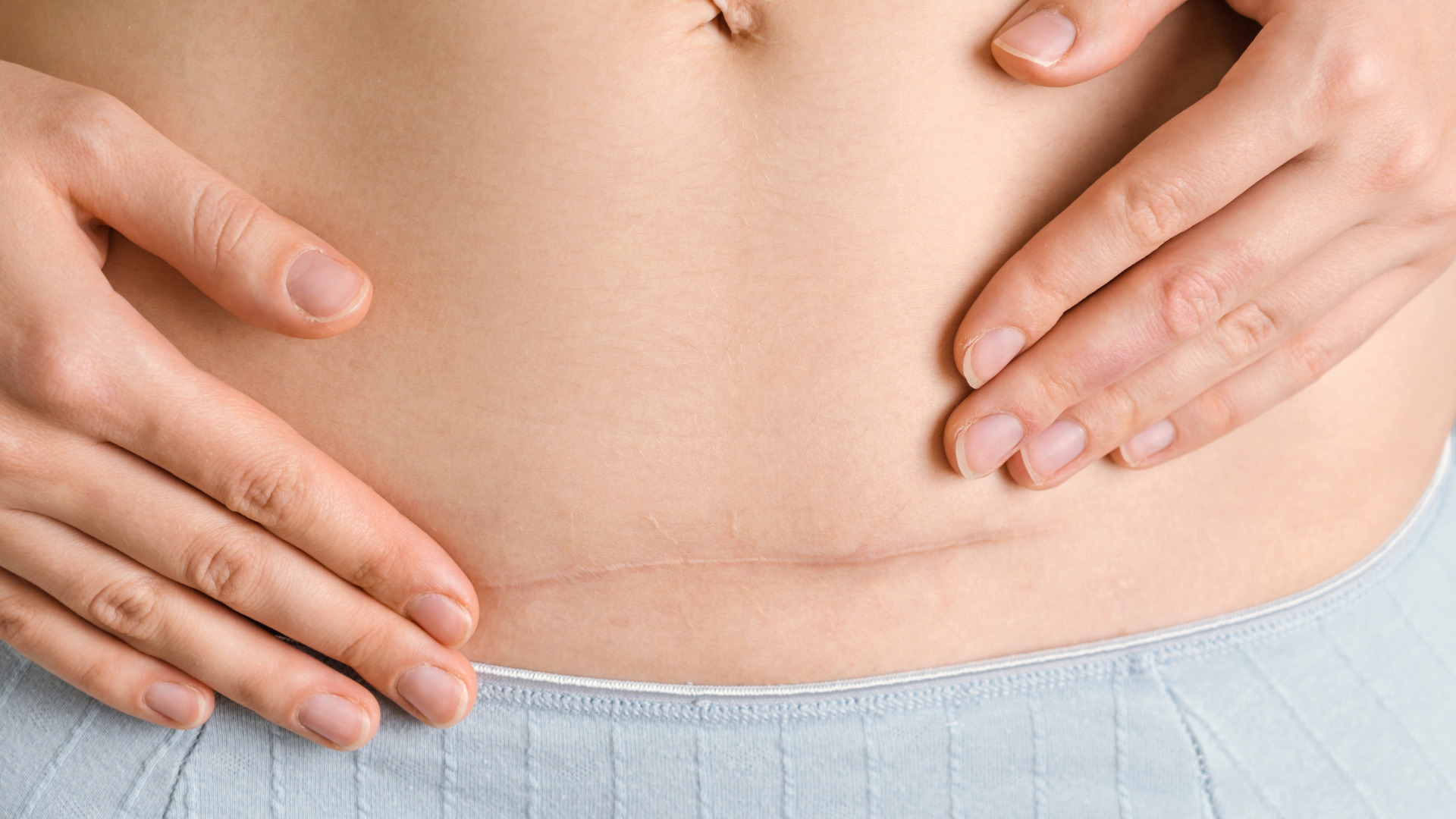
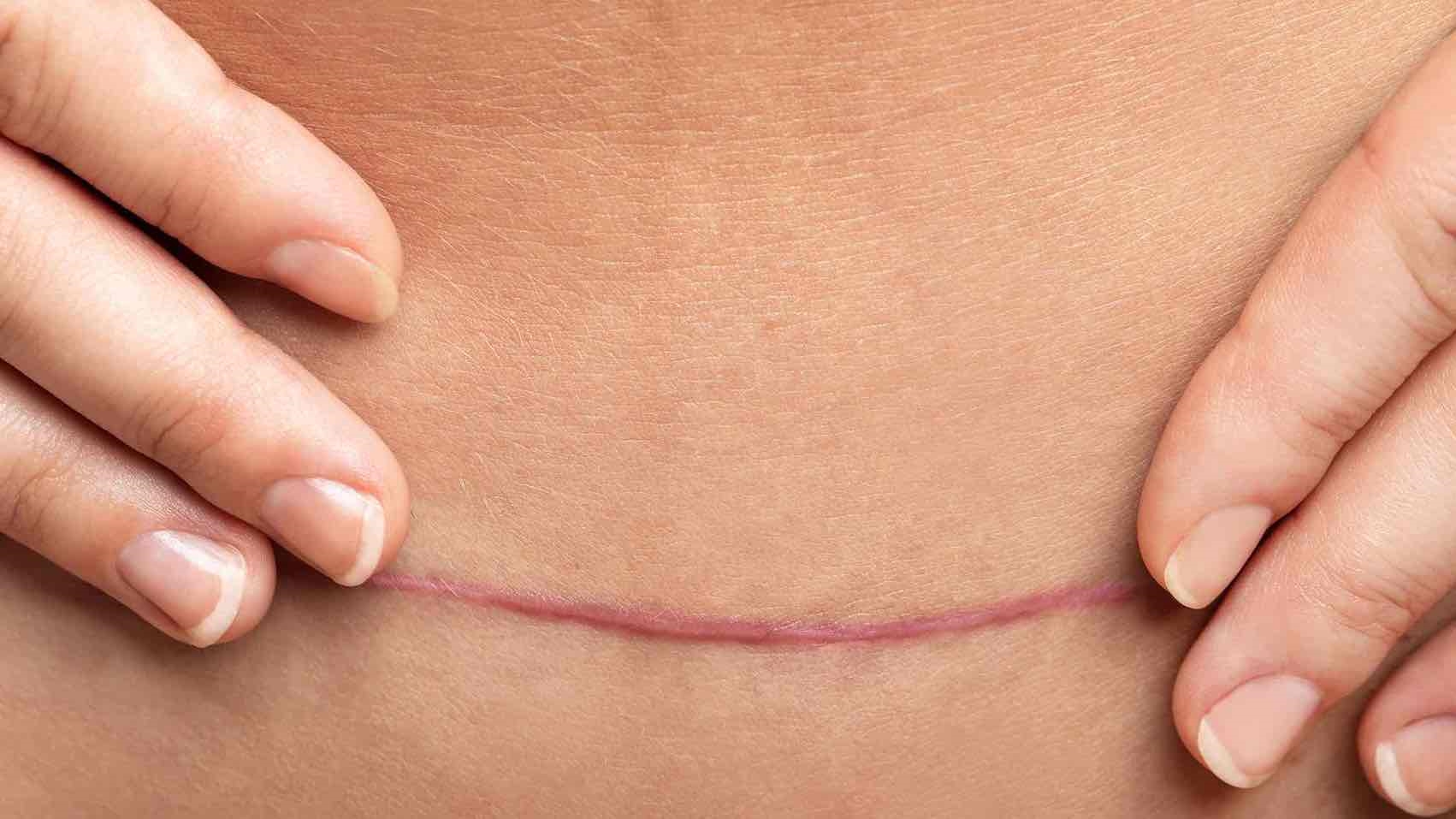
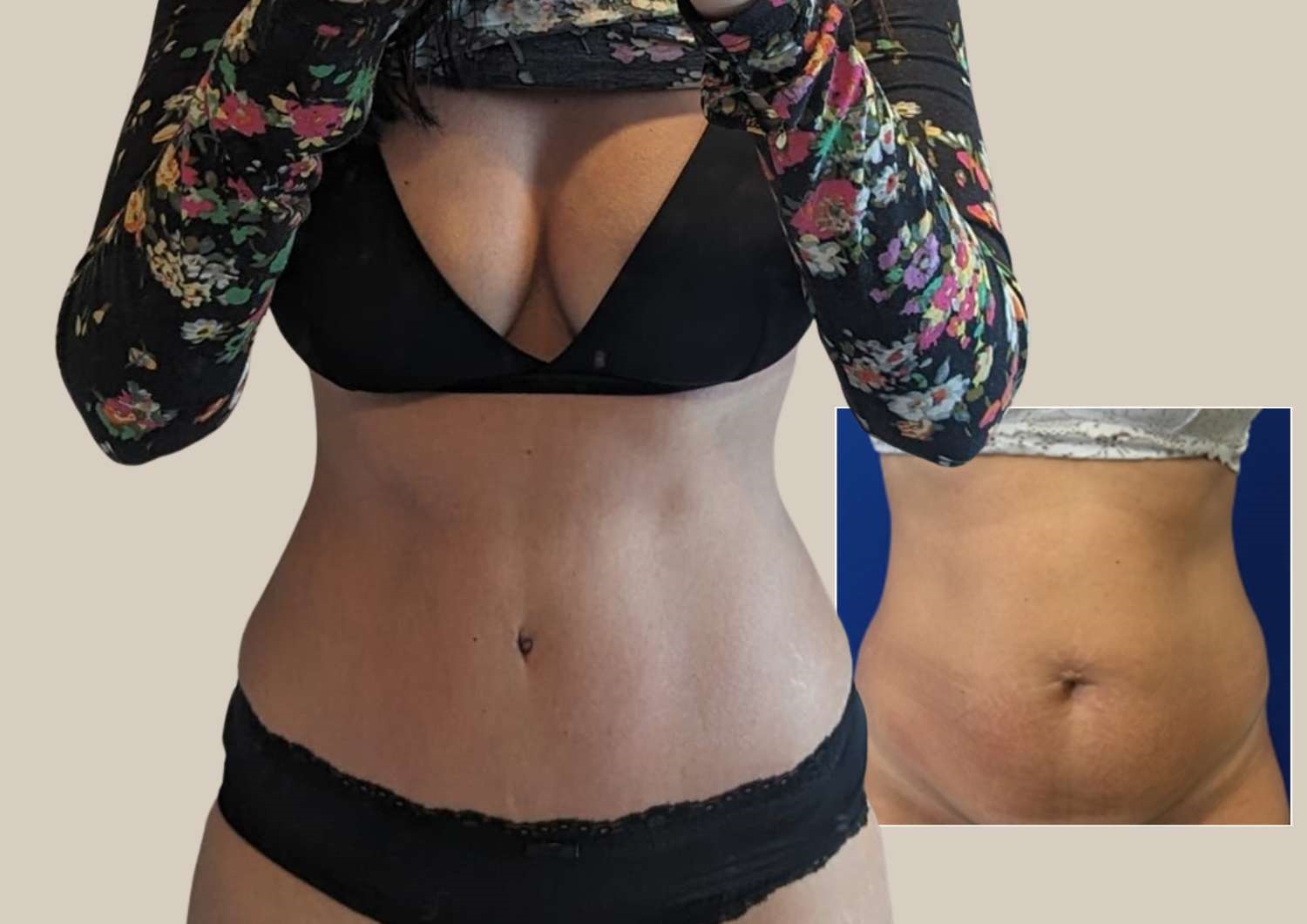
If dog ears remain once you have healed, your surgeon can assess the area and discuss the options available to you.
In some cases, no treatment is necessary if the area is small and doesn't bother you. If the appearance is a concern, or if the tissue is causing discomfort or problems with clothing, your surgeon may discuss a minor procedure to improve the contour.
The appropriate approach will depend on your individual circumstances, so it's important to discuss your concerns with your surgical team rather than comparing your recovery with someone else's.
When should you contact your surgical team?
Dog ears are generally a concern about the contour or appearance of the scar. However, if you notice increasing redness, warmth, swelling, significant pain, discharge, wound separation, fever or any other unexpected change during your recovery, contact your surgical team promptly.
If you're unsure whether something you're experiencing is part of the normal healing process, it's always better to ask.
Your recovery is a process
It can be easy to focus on the final result when you're preparing for a tummy tuck, but recovery is a journey.
Your body needs time for swelling to settle, scars to mature and tissues to heal. Small changes in shape and appearance can occur throughout this process.
If you've noticed dog ears after your tummy tuck, try not to assume that they are permanent or that something has gone wrong. Give your body time to heal, follow your aftercare advice and keep your surgical team informed of any concerns.
Once your recovery has progressed, your surgeon can help you understand what you're seeing and whether any further treatment is appropriate.
If you have concerns about the appearance of your scar or possible dog ears following tummy tuck surgery, speak to your surgical team for personalised advice based on your recovery and individual circumstances.