Menu Menu

Inguinal hernia surgery in Manchester

  • Self Pay or Insurance
  • Surgery within 2-4 weeks
  • 2 Years 0% Finance
  • No NHS Referral Required
  • Fixed Price Includes Aftercare
  • Fast relief. Minimal downtime

If you have a lump in your groin that hurts when you cough, bend over, or lift something heavy, you could be dealing with an inguinal hernia. This happens when part of the bowel or fatty tissue pushes through a weak spot in the abdominal wall, near the groin crease - causing a visible bulge along with pain or discomfort. Inguinal hernias are far more common in men, but they can also affect women.

If you suspect you have one, it's important to get it assessed and treated, since a hernia won't resolve on its own. Left untreated, it can grow larger over time and, in rare cases, trap part of the intestine - cutting off blood supply or causing a bowel obstruction.

Private inguinal hernia surgery is quick, affordable, and straightforward, with no need to wait for treatment.

Read on to find out more about our private inguinal hernia surgery - and if you have any questions along the way, our expert team is on hand to help.

What are the symptoms of an inguinal hernia?

What are the symptoms of an inguinal hernia?

Normally, an inguinal hernia will present as a burning or aching lump in the groin/inner thigh area in mainly men. It hurts more when you bend over, lift, cough, or have a bowel movement – and hurts less when you lie down. If you have symptoms of a hernia, it’s crucial that you get it checked out. Not only can an inguinal hernia cause a bowel blockage and cut off oxygen to the organ, but we know that these type of hernias can end up in the scrotum. That said, some people experience no symptoms, and in this case, you may not need treatment.

Direct inguinal hernia vs indirect inguinal hernia: what have I got?

Both direct inguinal hernias and indirect inguinal hernias affect the groin/inner thigh area, but they are found in different groups of people.

Direct inguinal hernias develop later in life and are caused by older people lifting heavy objects, or through obesity or as a result of a bad cough. These are less likely to travel to the scrotum.

Indirect inguinal hernias are more common in young adults, and they can actually be detected from birth. They are caused by an opening in the inguinal canal that allows tissue to poke through. Indirect inguinal hernias can travel to the scrotum area in men.

What is inguinal hernia surgery?

Inguinal hernia surgery is a quick, straightforward, and affordable procedure. It’s also low-risk.

During inguinal hernia surgery, the area is opened up and examined before the hernia is pushed back into place. The utmost care is taken to ensure the surrounding tissues are not damaged while we relocate the hernia.

The operation repairs the weakness, relieves symptoms, and reduces the risk of complications such as the hernia becoming trapped or strangulated.

Inguinal hernia repair can be done on the NHS, but you can expect to wait a long time. For a non-routine hernia repair including inguinal, femoral, or umbilical, 90% of UK patients wait around 21 weeks to be seen.

Private inguinal hernia repair surgery: What does it involve?

Private inguinal hernia repair is the same as what the NHS offers, just with a shorter wait time, two years aftercare and 24/7 support from doctors and specialists.

There are two types of inguinal hernia repair surgery, both taking 90 minutes each. These are:

  • Laparoscopic (keyhole) surgery - which involves having a small cuts in your tummy. Once the cuts are made, air is pumped in and a camera inserted. The hernia is pushed back in place and the cuts are stitched up.

  • Open surgery - which involves having one large cut in your upper thigh. Once the cut is made, the hernia is pushed back into the bowel and away from the abdominal muscles. Lastly, the cut is stitched up.

Both types of inguinal hernia repair surgery can be done with either local or general anaesthetic; the choice will depend on how big the hernia is, where it is located, and your overall health.

After you’ve had your hernia surgery, it’s normal to have swelling around your thigh and your genitals. Try not to worry – this will reduce over the coming weeks. It is also typical to experience numbness and bleeding around the operation site, along with bloating from where the air was pumped into the site (if you had keyhole surgery).

If you’re worried at all – then please get in touch with our expert team at any point in your journey. We’re always on-hand to help.

How much does private laparoscopic hernia repair cost in the UK?

In the UK, laparoscopic (less invasive) hernia repair costs from £2,500. Open hernia repair surgery typically costs from £3,500. The cost of your surgery will depend on the provider you choose, the surgery type you opt for, the experience of your surgeon, and other key factors. At Pall Mall Medical, our inguinal hernia repair surgery is competitively priced and includes the following:

  • All of your consultations
  • 2 years aftercare
  • 24hr helpline
  • Flexible payment plans

Where can I get inguinal hernia surgery without NHS wait?

At Pall Mall Medical, we offer private inguinal hernia surgery without NHS waiting times. We have Private CQC-registered clinics around the UK, in the following locations:


Meet our hernia surgery specialist

Our Consultant General Surgeon Mr Prasad is a specialist in hernia repair with a patient centered approach to each patients individual needs.

Pall Mall Fallback Image

Dr. Ramachandran Prasad gen

Cosmetic Surgery
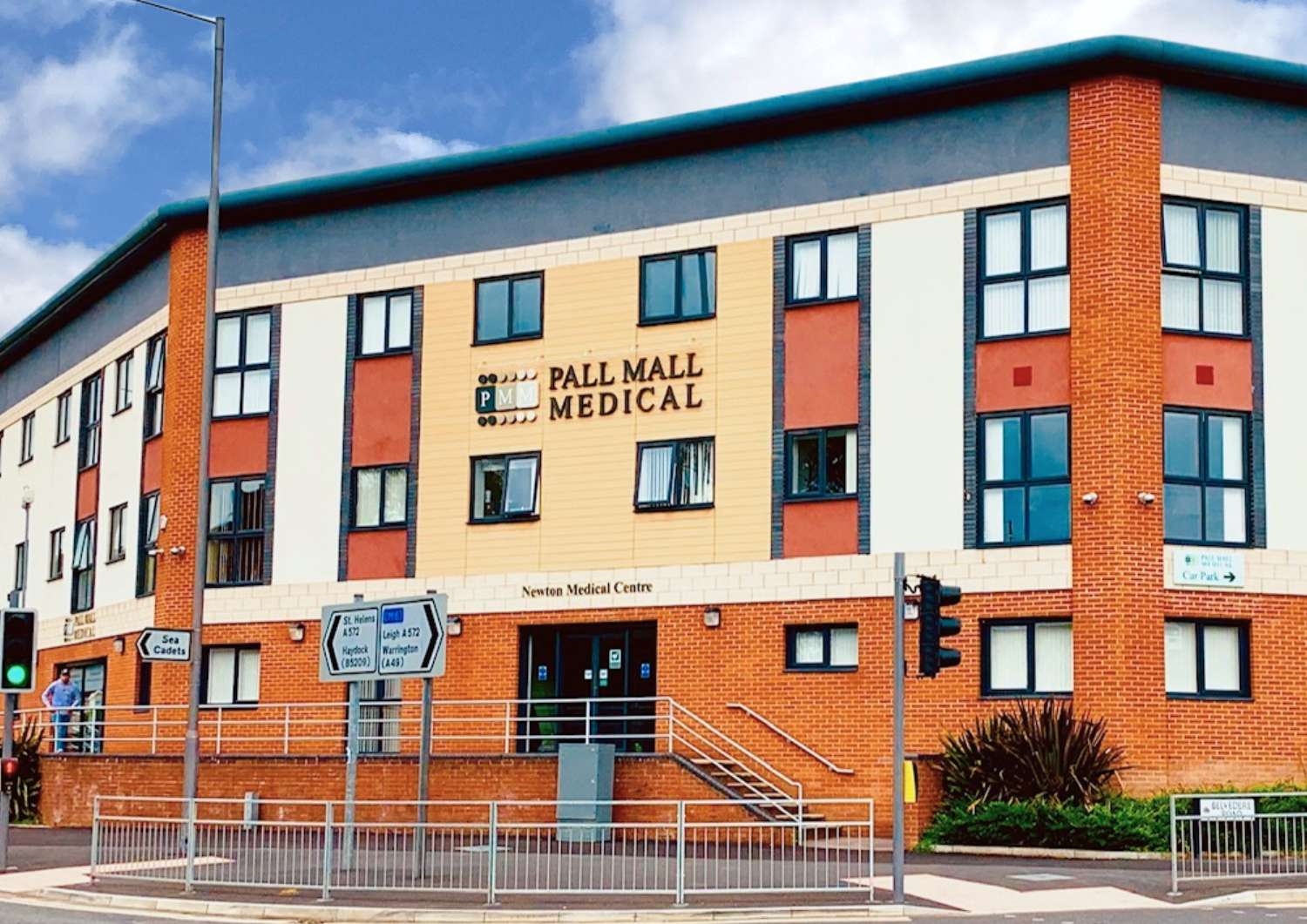
Newton-le-Willows, Manchester City Centre
Find out more

We have experience of delivering 5 star services to over 1,000 patients every year.

This is why our patients rate us Excellent on Trustpilot.

Inguinal hernia surgery: FAQs

Top clinics in the UK specialising in inguinal hernia repair

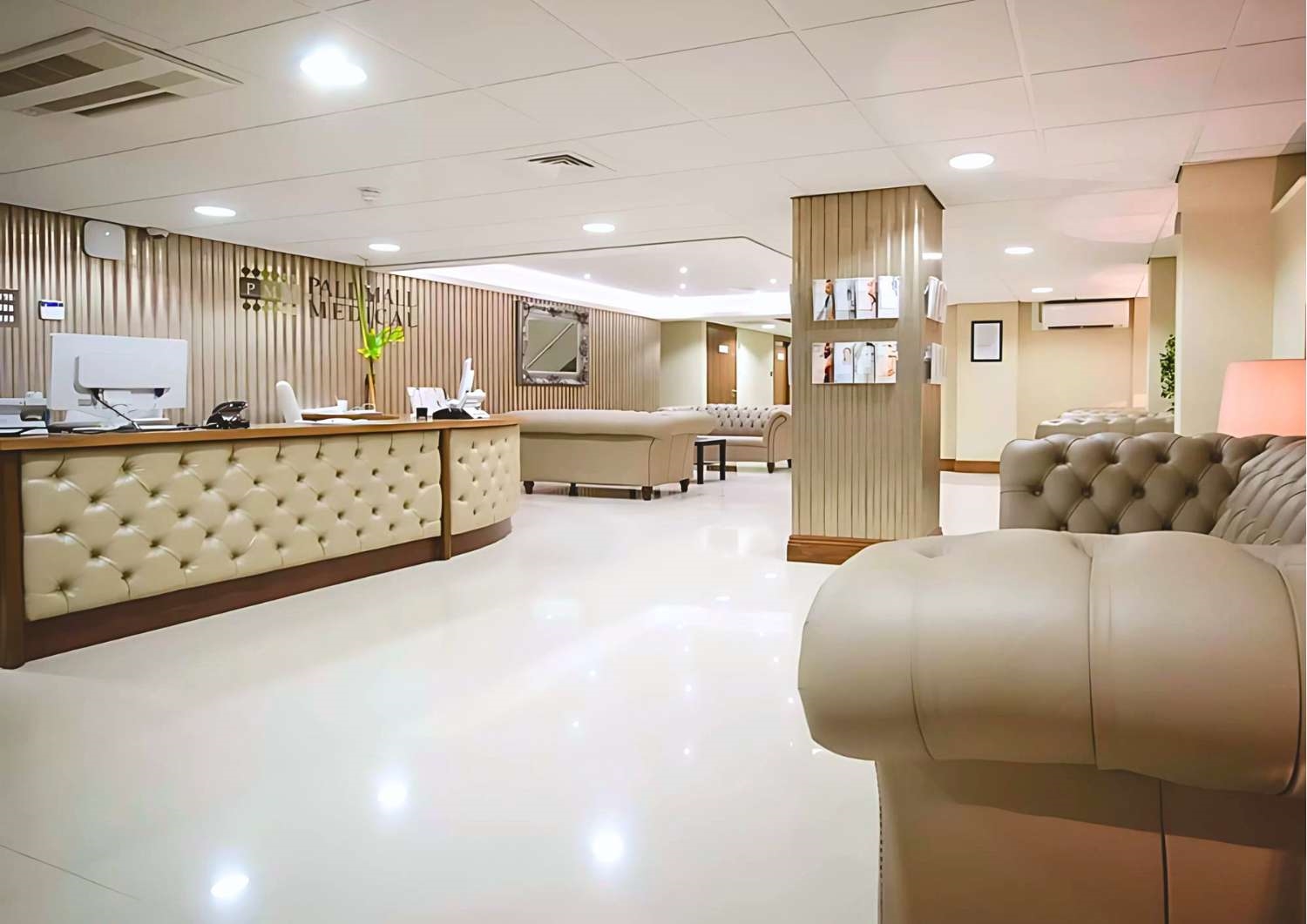
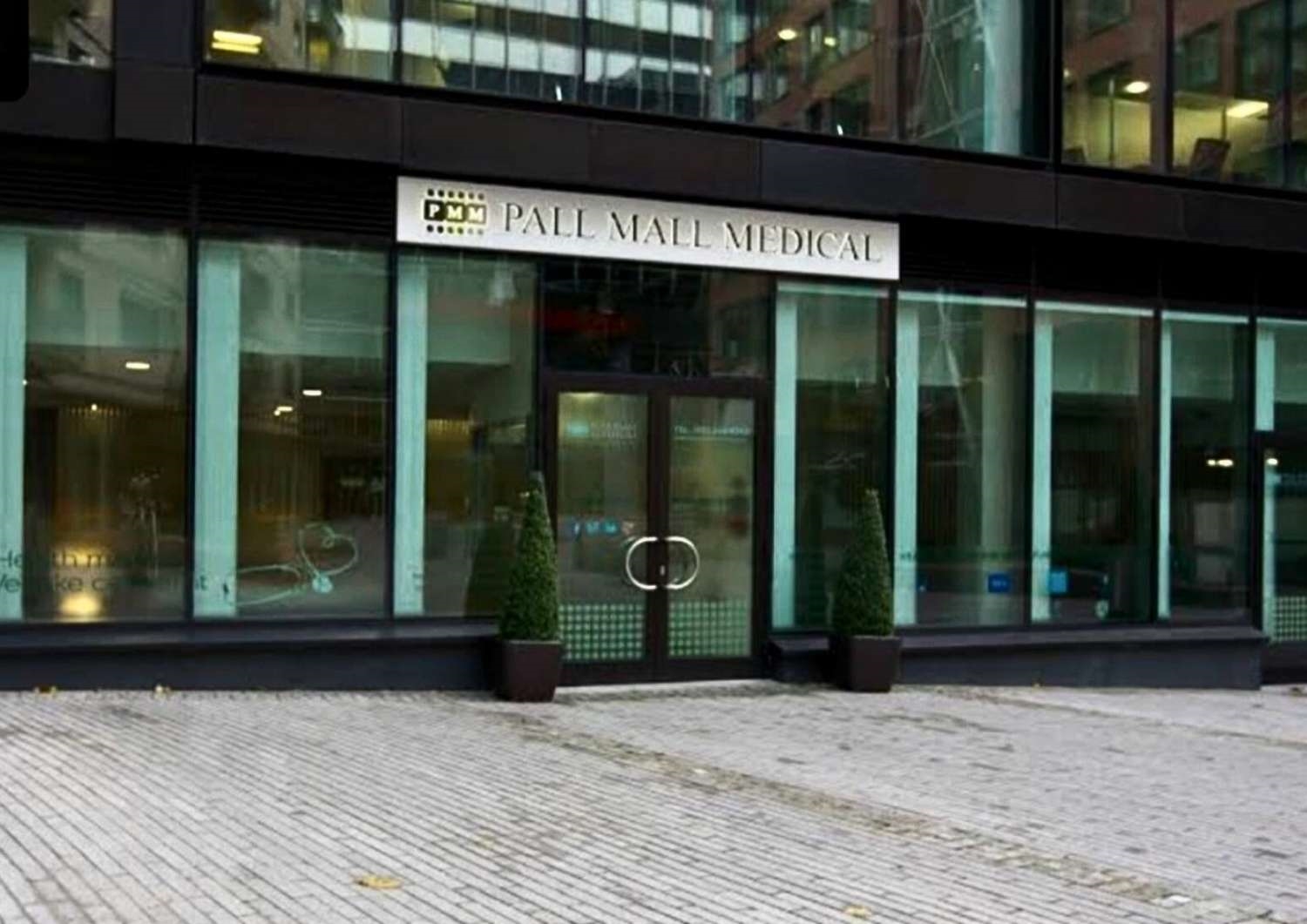
At Pall Mall Medical, we have 4 CQC-registered clinics that specialise in inguinal hernia repair. Our beautiful, calming clinics are located in Leeds, Liverpool, Newton-le-willows, and Manchester.

How is inguinal hernia diagnosed in the UK?

Inguinal hernias are diagnosed by a GP. Usually, the location and presentation of the lump are enough to diagnose an inguinal hernia; however, sometimes an imaging test is requested. Family history of inguinal hernias is borne in mind, as this will make them more likely.  

What are the common symptoms of an inguinal hernia?

Common symptoms of an inguinal hernia include a mass or lump in the groin/inner thigh. The lump feels painful when you cough, bend down, or lift heavy items. Inguinal hernias usually disappear when you lie down.

What is laparoscopic hernia repair?

Laparoscopic hernia repair, also called keyhole hernia repair, uses smaller incisions than open hernia repair surgery. The cuts are also made in your stomach as opposed to your upper thigh. Scarring will be minimal and recovery is easier when you opt for laparoscopic hernia repair.

Can an inguinal hernia go away on its own?

No, an inguinal hernia will not go away on its own. However, if you have no symptoms, you may be advised against having treatment as it may not be necessary. 

How long is the recovery for inguinal hernia surgery?

The recovery for inguinal hernia repair surgery is straightforward. You can go home on the day of your operation; you will have light bleeding for a couple of days and swelling in your groin area/genitals for a couple of weeks. 

Can you delay inguinal hernia surgery?

No, it is advised that you have inguinal hernia repair surgery as soon as possible. Avoiding doing so can be dangerous as it can cause a bowel obstruction or cut the oxygen off to the organ. Indirect inguinal hernias can also transport to the scrotum in men. 

Book your consultation

A member of our team will be in touch with you to discuss your requirements. 

I agree to receive advice, offers and news by email and SMS in accordance with our privacy policy