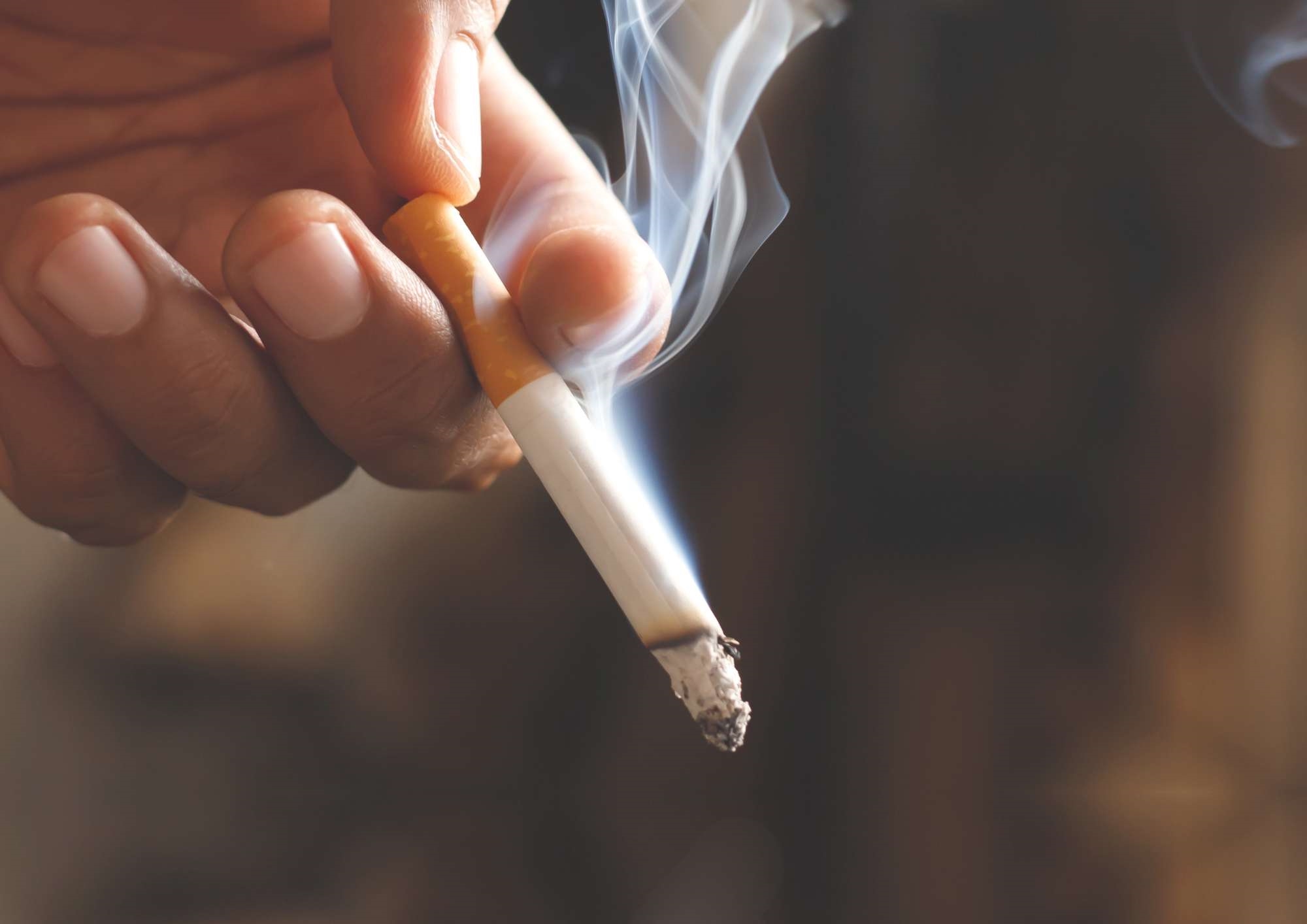
How does smoking affect cosmetic surgery recovery?
Delayed wound healing
Recovery from cosmetic surgery is a long process, and even longer if you smoke. Wounds heal slower as the blood vessels are narrower and blood supply to heal the area is reduced.
Infection
Because nicotine reduces blood flow and oxygen delivery to healing tissues, wounds may take longer to heal and the risk of infection can increase. Smoking can also affect your immune response, making it harder for your body to fight complications, and potentially affecting scar quality.
Skin Necrosis
Necrosis can occur from inadequate blood supply post-surgery. It is more common in surgeries that involve raising skin flaps or transferring fat such as abdominoplasty (tummy tuck), Breast Procedures and face lifts. ‘Facelift patients who smoked experienced a 13-times higher risk of skin necrosis than non-smokers.’
Less predictable aesthetic results
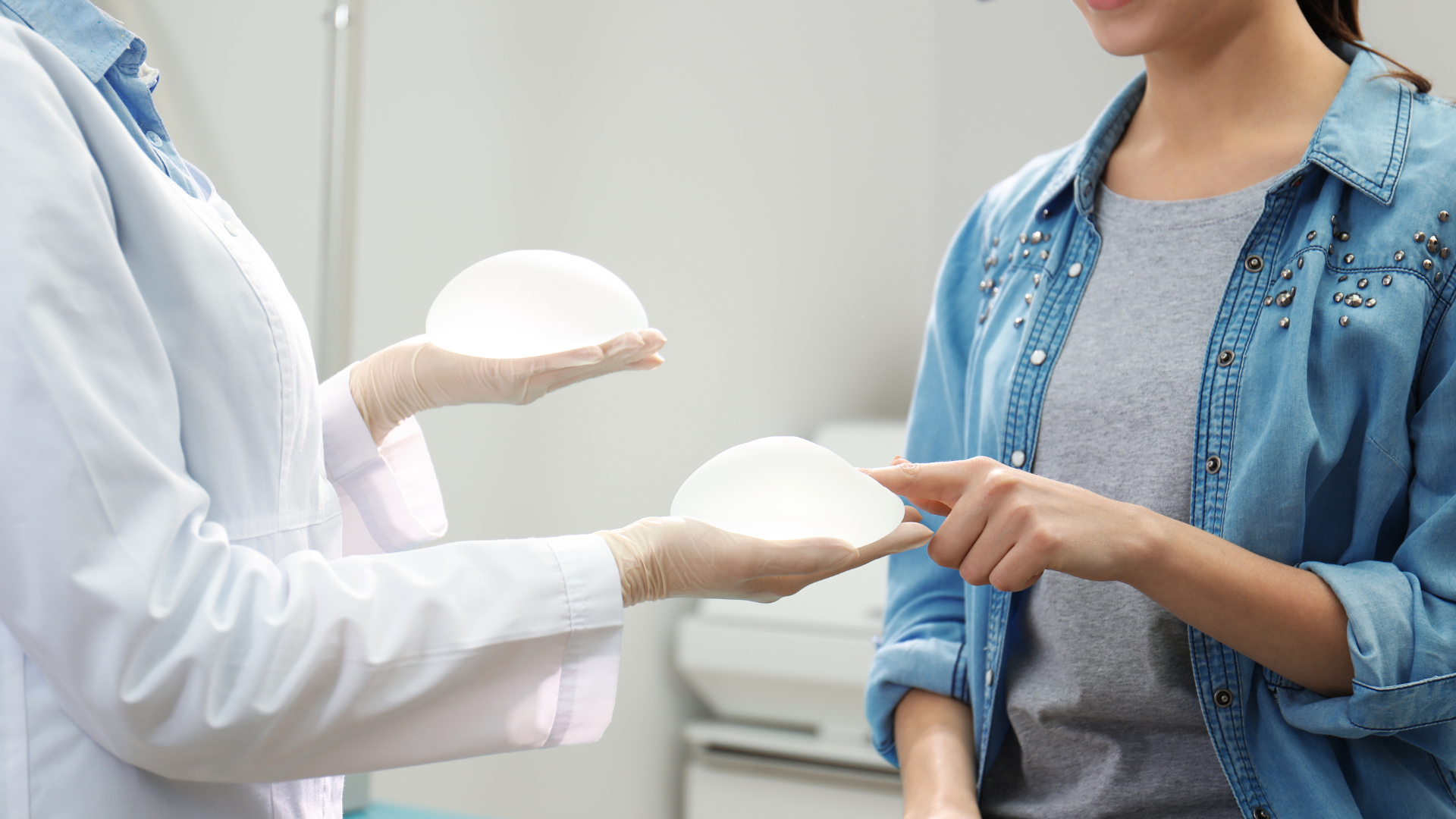
Particularly in breast procedures, implants can be prone to ‘bottoming out’ through the recovery process as the skin becomes weaker from natural collagen deficiency. This can mean the placement of the implant migrates prematurely. Scarring can become thicker and more noticeable as a result of delayed healing or infections from narrowed blood vessels, reduced oxygen and essential nutrients to your incisions and wound separation.
Can smoking affect anaesthesia?
Smoking can affect lung function and airway health, which may influence how your body responds to anaesthesia. It may also increase coughing and respiratory issues during recovery. Your surgical team will assess your individual health before your procedure making anaesthesia harder to recovery from, prolonging your overall recovery timeline.
Why nicotine matters for different procedures?
Tummy Tuck
Reduced blood supply can increase the risk of wound healing problems because large areas of skin are repositioned.
Breast Surgery
Smoking can affect incision healing and increase the risk of complications around implants.
Facelift
Facial skin relies on delicate blood supply, making circulation especially important.
Liposuction
Healing tissues need oxygen and nutrients to settle correctly.
Your surgeon may ask you to stop nicotine because your body needs the best possible conditions to heal. This is not about judgement - it is about protecting your safety and results.
Does vaping have the same risks as smoking?
Many people assume vaping or nicotine replacement products are a safer alternative before surgery, however these still contain nicotine, the primary substance which affects blood flow and healing.
While nicotine-free vaping removes nicotine exposure, some surgeons may still advise avoiding vaping because inhaled chemicals and the habit itself may not support optimal recovery. Vaping risks go even further with e-cigarette vapour containing additional chemicals shown to be toxic to blood vessel walls.
Other products that still pose a significant risk at surgery include:
Cigarettes
Vapes and e‑cigarettes (including nicotine-free)
Nicotine pouches (including snus)
Nicotine gum or patches
Shisha
Cigars
If you’re unsure whether something is safe, your surgeon will be able to advise you at your free consultation.
When should I stop smoking?
Quitting smoking, vaping and nicotine products before your procedure only is not enough to guarantee a smooth recovery.
Nicotine leaves the bloodstream relatively quickly, but cotinine (a nicotine breakdown product) can remain detectable for longer depending on how much and how often you use nicotine. This is one reason surgeons recommend stopping well before your surgery.
However, each person’s metabolism processes nicotine differently. This can affect the amount of time it is detectable within the body.
Those who quit smoking approximately 4 weeks before surgery have a reduced risk of postsurgical complications. Smoking disrupts the body's immune signalling, impairing its ability to regulate inflammation and fight infection in the post-op period.
Each surgeon will have a different requirement on when to stop smoking. Your surgeon will be able to advise you at your free consultation when to stop smoking, vaping and nicotine products in order for your surgery to go ahead, however this is usually a minimum of 4-6 weeks prior to surgery.
This gives your body a chance to:
Improve blood flow and circulation
Increase blood oxygen levels
Strengthen your immune system
Reduce inflammation
Beginning to reverse the long-term effects of nicotine
Stopping sooner than the minimum recommended period can have greater benefits and reduce the likelihood of complications.
Patients are tested with a urine test on the day of surgery to ensure all risks and smoking related complications are minimised and the procedure can go ahead.
Unfortunately, if this test comes back positive, your surgery will not be able to go ahead, meaning your procedure date, and potentially your deposit, will be at risk.
When can I return to smoking?
Your recovery continues long after you leave the operating room. Your body is still repairing tissue and healing for weeks and months after surgery.
If you smoke, vape or use nicotine products after your procedure, it is important to follow your surgeon's advice carefully. Many surgeons recommend avoiding nicotine for at least 4-6 weeks after surgery to support optimal healing.
Returning to nicotine too soon may affect circulation, wound healing, scarring and your final results. As your results can continue to develop for up to a year after surgery, protecting your body during recovery remains an important part of your surgical journey.
For many patients, surgery becomes an opportunity to quit nicotine for good, supporting their long-term health.


Frequently Asked Questions.
How long before surgery should I stop smoking?
Every surgeon will have their own requirements on when to stop smoking, however it is typically a minimum of 4-6 weeks prior to your surgery date.
Your surgeon will be able to advise what is best at your free consultation.
Can I vape before surgery?
No, it is normally advised to stop both nicotine and nicotine-free vapes before surgery with the same recommendations as cigarettes.
Can I use nicotine patches before surgery?
No, although it might seem like a good alternative, nicotine is the primary substance which affects blood flow and healing.
What happens if I smoke after surgery?
Returning to smoking, vaping and other nicotine products too soon can affect your circulation, wound healing, scarring and your final results. Your body's results continue to develop up to a year after surgery so protecting your body in the weeks and months after your surgery are an important part of your cosmetic surgery journey.
It is important to follow your surgeon's advice carefully. Many surgeons recommend avoiding nicotine for at least 4-6 weeks after surgery to support optimal healing.
Does smoking affect cosmetic surgery results?
Yes, it can affect the quality of your results and cause possible complications such as infections and thicker scarring. It can also weaken the strength of your skin from collagen deficiency.
Particularly in breast surgeries, the placement of the implant can migrate prematurely, 'bottom-out' requiring further surgical attention or sag and drop quicker.
Can my surgery be cancelled if I smoke?
Yes. Each surgeon will have their own preference on when to stop smoking before surgery and perform a urine test on your surgery date to check you are ready for surgery and to ensure all risks and smoking related complications are minimised.
If your test comes back positive or at a higher level than agreed, your surgery can be cancelled and your deposit could be at risk.