What is pollybeak deformity?
What causes pollybeak deformity?
Several factors can contribute to the development of pollybeak deformity after Rhinoplasty, including:
Over-reduction of the nasal dorsum: If too much bone is removed from the nasal bridge without properly addressing the cartilage, it can lead to an imbalance in nasal structure.
Insufficient tip support: Weak nasal tip support can cause the tip to droop while the area above it remains overly full.
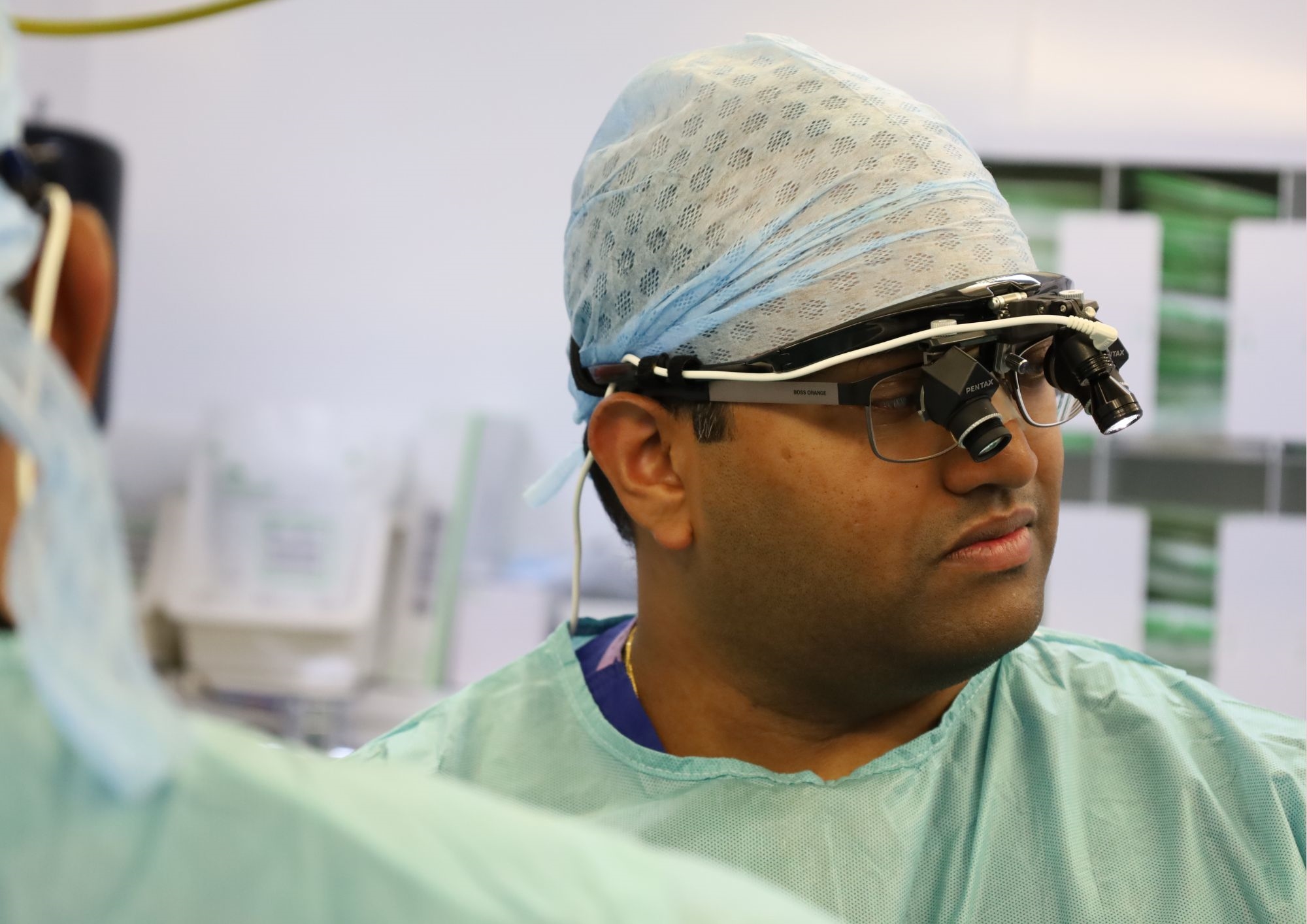
Professor Raghavan explains how he combats this in his surgeries:
“To ensure proper tip support and structural integrity, I carefully balance cartilage and bone removal while sometimes adding thicker skin to the tip area of the nose.”
Excessive scar tissue formation: In some cases, the body’s natural healing process results in thickened scar tissue in the supratip area, leading to a pollybeak-like appearance.
Post-surgical swelling: Some patients experience prolonged swelling in the supratip area, which can mimic the look of pollybeak deformity. However, Professor Raghavan states that “advanced surgical techniques can be used to minimise this”.
How is pollybeak deformity corrected?
If pollybeak deformity occurs, it can often be improved through non-surgical or surgical interventions:
Non-surgical correction
Professor Raghavan says that “in mild cases, corticosteroid injections can help reduce swelling and scar tissue buildup, improving the nasal contour”.
Revision Rhinoplasty
For more severe cases, a secondary Rhinoplasty may be required to reshape the nasal structure, remove excess cartilage, and refine the tip.
Swelling vs Pollybeak after Rhinoplasty
| Swelling | Pollybeak |
| Temporary | Structural |
| Improves with time | Usually persists |
| Soft | Often firm |
| First few months | Usually becomes apparent later |
| No surgery usually needed | May require treatment |
Considering Rhinoplasty?
If you’re considering Rhinoplasty or have concerns about a previous procedure, our highly skilled GMC registered surgeons at Pall Mall are here to help. We offer expert consultations and personalised treatment plans to ensure you achieve your desired result while offering exceptional aftercare throughout your healing process.
Book your free, no obligation consultation today and take the next step toward your desired nose!
Frequently Asked Questions.
How long does pollybeak deformity last?
Swelling-related pollybeak often improves within 6–12 months as post-surgical swelling subsides. Scar tissue or cartilage-related pollybeak typically does not resolve on its own and may need treatment.
Can pollybeak deformity go away without surgery?
Mild cases caused by swelling or scar tissue can often be improved with corticosteroid injections, which reduce fullness in the supratip area without further surgery.
How common is pollybeak deformity after rhinoplasty?
It's one of the more frequently reported rhinoplasty complications, particularly after procedures that remove a large hump without adequate tip support.
When is revision rhinoplasty needed for pollybeak deformity?
Revision surgery is usually recommended when non-surgical treatments haven't resolved the issue, or when the deformity is caused by structural cartilage problems rather than swelling or scarring.
Is pollybeak deformity painful?
No - it's a cosmetic and structural issue, not typically associated with pain. Discomfort, if any, usually relates to the underlying healing process rather than the deformity itself.


Enquire about Rhinoplasty
A member of our team will be in touch with you to discuss your requirements.