Choosing a cosmetic surgery clinic is about much more than finding a good price, slick Instagram or impressive before-and-after photos.
How to choose a cosmetic surgery clinic: What to look for and the red flags to avoid
The 7 things to check before choosing a cosmetic surgery clinic
If you only remember seven things from this guide, make them these:
Clinic regulation: Check the hospital or clinic is registered with the proper regulator, such as the Care Quality Commission (CQC).
Surgeon qualifications: Verify your surgeon's GMC registration and relevant specialist credentials (such as BAAPS and BAPRAS) - plus their experience with your chosen procedure.
A proper consultation: You should meet the surgeon who will operate on you before agreeing to surgery.
Honest advice: Your surgeon should explain risks, limitations, recovery and alternatives, not simply tell you what you want to hear.
Clear pricing: Understand the total cost, what's included and what may cost extra.
Reliable aftercare: Know who will look after you following surgery and what happens if something goes wrong.
No pressure: You should have time to consider your decision without being pushed to book or pay a deposit. 14 days is the minimum period recommended by NICE.
These checks can help you compare clinics more confidently, whether you're considering breast surgery, a tummy tuck, liposuction, facial surgery or another cosmetic procedure.
1. Check that the clinic is registered with the CQC
Think of this as checking a car's MOT and service history.
In England, independent providers carrying out regulated cosmetic surgery must be registered with the Care Quality Commission (CQC).
The CQC is the independent regulator of health and social care services in England. It monitors, inspects and regulates providers to check that they meet fundamental standards of quality and safety.
How do I check a cosmetic surgery clinic's CQC registration?
You can search for a provider using the CQC website.
When checking a clinic, look at:
Registration: Is the actual hospital or clinic where your surgery will take place registered for the relevant activity?
Inspection findings: What does the most recent inspection report say?
Quality ratings: If the service has been rated, how has it performed?
Areas for improvement: Have any concerns been identified, and what has the provider done about them?
Recent changes: Has the provider's registration, management or inspection history changed?
CQC reports can provide insight into patient care, cleanliness, staffing, leadership and safety procedures. However, a CQC registration isn't a guarantee that nothing can go wrong. It's an important starting point, rather than the only check you need.
Remember that not every CQC-registered service has a published inspection rating, so the absence of a rating doesn't automatically mean a clinic is unsafe.
Our advice: Always check the location where your operation will actually happen. The consultation clinic and surgical hospital may be different places.
What about clinics outside England?
The relevant healthcare regulator depends on where the surgery takes place:
| Country | Healthcare regulator |
| England | Care Quality Commission (CQC) |
| Scotland | Healthcare Improvement Scotland |
| Wales | Healthcare Inspectorate Wales |
| Northern Ireland | Regulation and Quality Improvement Authority (RQIA) |
You can look up the relevant regulator's register and available inspection information before committing to treatment.
2. Research your surgeon, not just the clinic
You wouldn't buy a car purely because the dealership had a nice showroom. You'd want to know what's under the bonnet.
A professional-looking website, attractive clinic and positive reviews can all make a good first impression. But the experience and credentials of the person performing your operation matter enormously.
A clinic may work with several surgeons, each with different specialisms and experience.
How do I check if a cosmetic surgeon is qualified?
Start with the General Medical Council (GMC) register.
Check whether your surgeon:
Is registered with the GMC and holds a licence to practise.
Appears on the relevant Specialist Register, where appropriate.
Has training and experience relevant to your procedure.
Can explain their qualifications and surgical background.
Has appropriate professional indemnity or insurance arrangements.
The GMC's Specialist Register is particularly useful. It identifies doctors who have met the requirements for entry into a recognised medical specialty and sub-speciality, including the date they joined.
Doctors can practice in a specialty not shown on their Specialist Register entry. In most cases, they must be on the Specialist Register in at least one specialty to practise as a consultant in any of the UK health services.
The Royal College of Surgeons also offers a cosmetic surgery certification scheme that assesses surgeons against standards for particular procedures or areas of practice.
One important distinction: Being a GMC-registered doctor isn't the same as being on the Specialist Register, and neither automatically establishes experience in the exact procedure you're considering.
What should I ask about my surgeon's experience?
There's nothing awkward about asking a surgeon about their professional background. A reputable surgeon should welcome sensible questions.
Try asking:
How long have you been performing this particular operation?
Approximately how many of these procedures do you perform?
What additional specialist training have you undertaken?
What complications do you encounter, and how are they managed?
Can you explain the limitations of the procedure for someone with my anatomy and goals?
Will you personally carry out the operation and oversee my surgical care?
You can also explore whether the surgeon belongs to a recognised professional organisation, such as the British Association of Aesthetic Plastic Surgeons (BAAPS) or British Association of Plastic, Reconstructive and Aesthetic Surgeons (BAPRAS).
Membership can provide additional information about professional standing, but it should supplement rather than replace your checks of GMC status, specialist expertise and individual experience.
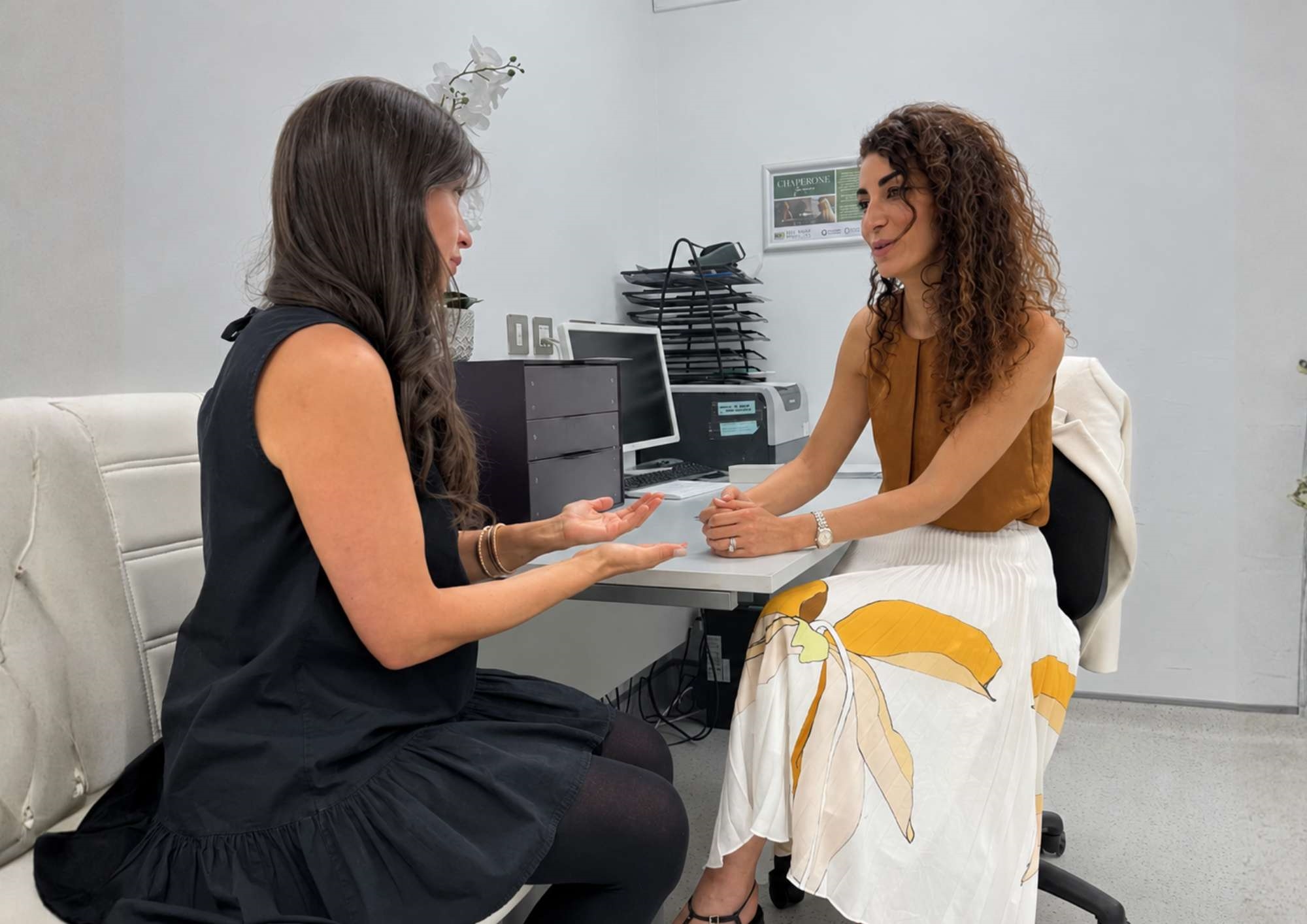
3. Expect a proper consultation, not a sales pitch
Think of your consultation as the test drive.
You wouldn't commit to an expensive car without finding out whether it suits your needs. Similarly, your cosmetic surgery consultation should be an opportunity to establish whether the procedure is right for you. It’s also your opportunity to assess the clinic and the actual surgeon.
A good consultation is a two-way conversation.
Your surgeon should listen to what you hope to achieve, assess your suitability and explain what is realistically possible.
What should happen during a cosmetic surgery consultation?
Your consultation should usually involve discussion of:
Your medical history, medications and relevant health conditions.
Your reasons for considering surgery and the results you hope to achieve.
Your anatomy and suitability for the procedure.
The surgical techniques available and why one may be recommended.
Alternatives, including doing nothing.
Potential complications, scarring and limitations.
Anaesthesia, recovery and time away from work or other activities.
What results may realistically be achievable.
There may also be a physical examination, depending on the procedure.
Importantly, the surgeon who will perform the operation should be involved in obtaining your informed consent and you should meet them before making your final decision.
Signs of a good cosmetic surgery consultation
You should feel comfortable asking questions, even if they seem obvious.
A good surgeon will explain medical terminology in language you understand, make time to discuss your concerns and avoid promising perfection.
They may also advise against the procedure you've requested if it isn't suitable. That isn't necessarily a disappointing outcome. In fact, a surgeon who is prepared to say no may be demonstrating the professional judgement you want.
A reassuring sign: You leave feeling better informed, not simply more enthusiastic about having surgery.
4. Understand the price and what you're actually paying for
The cheapest car isn't always the best value once you factor in servicing, repairs and what's included.
The cost of private cosmetic surgery can vary considerably between clinics.
Differences in price may reflect the surgeon's fees, hospital facilities, anaesthetic arrangements, length of stay, complexity of the procedure or aftercare package.
A lower price doesn't automatically mean lower standards. Equally, the highest price doesn't guarantee the best surgeon or results.
The key is understanding what you're being quoted.
What should a cosmetic surgery quote include?
Ask for a written breakdown covering:
Surgeon and anaesthetist fees.
Hospital and operating theatre charges.
Pre-operative assessments and necessary investigations.
Any overnight stay.
Medication, dressings or specialist garments.
Follow-up appointments.
Post-operative support.
The policy and potential costs if further treatment or revision surgery becomes necessary.
If you're comparing multiple clinics, check that the quotes cover equivalent services.
For example, one provider may include routine follow-up appointments in its initial package, while another may charge separately.
Should I be wary of cosmetic surgery discounts?
Price promotions need particular care when you're making an important medical decision.
A clinic advertising a discount isn't automatically unsafe. However, offers that encourage you to make a rushed decision should concern you.
Be cautious about messages such as:
"Book surgery today to secure this price."
"Last chance — surgery slots are selling out."
"Get a second procedure free."
"Pay your deposit now or lose your discount."
Surgery should never be treated as an impulse purchase.
Our advice: Compare value, not just price, and never let a discount determine whether or when you undergo surgery.
5. Find out exactly what happens after surgery
You'd want to know about the warranty and support before buying a car. With surgery, understanding aftercare is even more important.
It's easy to focus on the operation itself, but recovery is an essential part of your treatment.
Depending on the procedure, you may need follow-up appointments, wound checks, specialist garments, activity restrictions and support managing discomfort or swelling.
Your clinic should explain what to expect and how to access help if you have concerns. At Pall Mall, each patient has a dedicated Patient Coordinator to provide support throughout the journey, whether you book or not.
Questions to ask about cosmetic surgery aftercare
Before proceeding, establish:
Who will look after me immediately after surgery?
How many routine follow-up appointments are included?
Will I see my surgeon again during recovery?
Who should I contact if I'm worried about a symptom?
Is advice available outside normal opening hours?
What happens if I experience a complication?
Where would I receive urgent treatment if needed?
What happens if I require revision surgery?
Are there circumstances where additional treatment would cost extra?
It's particularly important to distinguish between an unsatisfactory cosmetic outcome and a medical complication. Providers may have different policies for managing these situations.
Don't assume that a clinic's revision policy covers every possible circumstance.
You should also understand who has clinical responsibility for your care throughout recovery.
A good sign: The clinic can explain its aftercare arrangements clearly before you book, including who to contact and what to do in an emergency.
6. Read reviews, but know what you're looking for
Online reviews are useful, particularly when you're comparing providers you haven't visited before.
They can offer insight into how patients felt about communication, appointments, facilities and their overall experience.
However, cosmetic surgery reviews need a little extra interpretation.
A five-star review posted shortly after surgery may reflect an excellent experience, but it won't necessarily tell you how the patient felt about their final result or long-term recovery.
How to assess cosmetic surgery clinic reviews
Look for patterns rather than focusing on individual ratings.
For example:
| Review theme | What to consider |
| Friendly, helpful staff | Reassuring, but doesn't establish surgical expertise |
| Clear explanations | A useful indication of good communication |
| Good aftercare | Look for specific experiences and follow-up support |
| Patients feeling rushed | Worth investigating, particularly if repeatedly mentioned |
| Complaints about unexpected fees | Compare these with the clinic's written pricing policy |
| Positive surgical results | Useful context, but individual outcomes vary |
Independent review platforms can help, but they shouldn't be your only source of information.
You can also ask whether the clinic has clinically appropriate before-and-after photographs of patients who have undergone a similar procedure.
Bear in mind that photographs are examples, not predictions. Results depend on individual anatomy, surgical technique, healing and other factors.
7. Recognise the red flags - and know when to walk away
Most reputable providers will be happy to answer questions about their standards and approach. Occasionally, however, you may encounter something that doesn't feel quite right.
Not every concern means a clinic is unsafe, but some warning signs should prompt further questions, while others are strong reasons not to proceed.
Red flags to investigate
- Limited information about the surgeon
- If a clinic's website doesn't clearly identify its surgeons or their credentials, ask for that information. You should know who is responsible for your operation.
- An unusually low price
- It may be perfectly legitimate, but find out what's included and why it differs significantly from other quotes.
- Mostly promotional reviews
- Look beyond marketing testimonials. Search independent sources and examine the substance of the feedback.
- Vague aftercare arrangements
- If you're told not to worry about complications without being given practical information, ask for clarification.
- Promises of dramatic results
- Be cautious about absolute claims such as "perfect results" or "no scars". Surgery has limitations and outcomes vary.
Absolute no-nos: when to walk away
Some situations are much more serious.
- The clinic cannot demonstrate the legally required registration for the planned surgery.
- Don't proceed without verifying the provider's registration and the location where surgery will take place.
- The surgeon cannot demonstrate appropriate registration, qualifications or competence.
- Do not accept vague reassurances instead of verifiable professional information.
- You're expected to agree to surgery without meeting your operating surgeon.
- You should have a proper consultation with the surgeon responsible for your operation and informed consent.
- Risks are dismissed or important information is withheld.
- All surgery carries risks. A provider unwilling to discuss them openly is not giving you the information needed for an informed decision.
- You're pressured to make an immediate decision.
- A clinic should respect your need to think, ask questions and explore alternatives.
- There is no clear plan for complications or emergency care.
- You should know who is responsible for responding to problems and how urgent medical care would be arranged.
If you encounter these situations, it's reasonable to stop the process and seek advice elsewhere.
8. Give yourself time to make a decision
Even after a successful test drive, you might go home, compare your options and think about whether the purchase is right for you.
Cosmetic surgery is rarely something you need to decide on immediately.
The Royal College of Surgeons recommends allowing at least two weeks after your consultation to reflect before surgery. At Pall Mall we offer a 14 day cooling-off period before you can book after your consultation.
This gives you an opportunity to review the information you've received, consider the potential risks and make sure your expectations are realistic.
You may also wish to speak with a trusted friend, family member or healthcare professional.
It's perfectly reasonable to attend consultations with more than one surgeon before making a decision.
The right clinic for one person won't necessarily be the right choice for somebody else.
9. What about cosmetic surgery abroad?
Travelling overseas for cosmetic surgery can be appealing, particularly when advertised prices are lower.
However, there are additional considerations when arranging surgery outside the UK.
You may need to research unfamiliar healthcare regulations, assess the credentials of an overseas surgeon and understand what support will be available once you've returned home.
Think carefully about:
How you can verify the clinic's and surgeon's credentials.
Whether you can meet your surgeon before making a final decision.
How long you need to remain nearby after surgery.
The risk of complications associated with travel after an operation.
What insurance arrangements apply.
Who will provide follow-up care in the UK.
Whether you would need to travel abroad again if further treatment becomes necessary.
It can also be more difficult to resolve complaints or obtain corrective treatment when surgery was performed in another country.
The decision shouldn't be based on the initial price alone.
10. What is the UK government doing to improve cosmetic procedure safety?
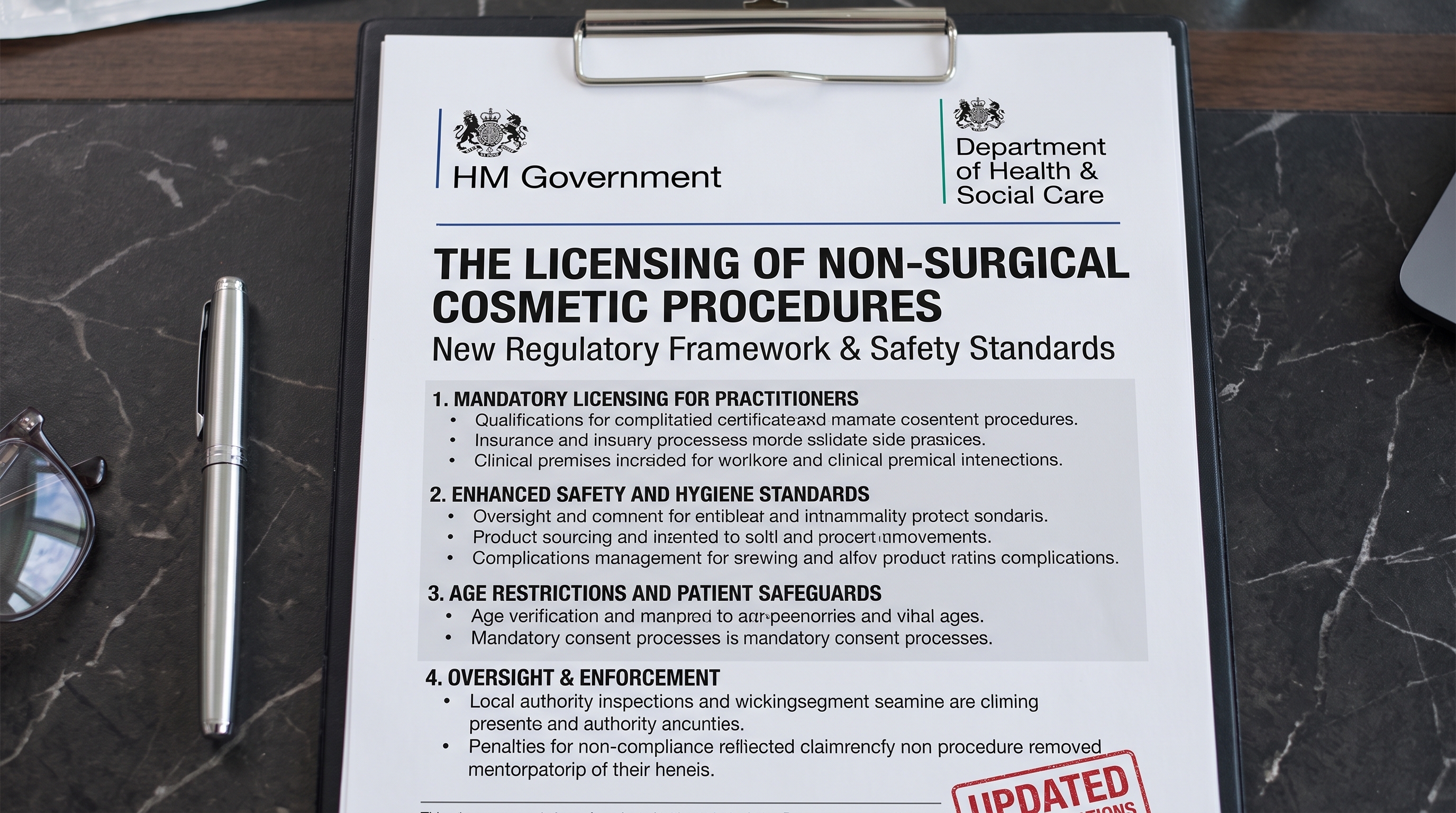
The importance of professional qualifications, appropriate clinical settings and patient safety is reflected in the government's ongoing work to strengthen the regulation of cosmetic procedures in England.
In October 2026, the Department of Health and Social Care launched a consultation on further restrictions for high-risk cosmetic and wellbeing procedures.
Although the proposals also cover certain non-surgical treatments, such as high-risk injectables and laser procedures, they include provisions relating to cosmetic surgery.
The government is consulting on measures that would:
Restrict specified high-risk procedures to appropriately regulated healthcare professionals.
Require providers of the relevant procedures to be registered with the Care Quality Commission.
Restrict cosmetic surgery to registered medical doctors.
Introduce age restrictions for procedures within scope, subject to specified exceptions.
These are proposals under consultation, rather than rules that have all come into force.
Existing requirements already regulate many types of cosmetic surgery in England. The proposals are intended to strengthen and clarify the framework.
For patients, the underlying message is straightforward: appropriate professional qualifications, accountable providers and suitable clinical facilities all matter.
You can find further information in the government's consultation on high-risk cosmetic and wellbeing procedures.
11. Your cosmetic surgery clinic comparison checklist
If you're considering several clinics, use this checklist to compare them on the things that matter.
| What to check | Questions to ask |
| Regulation | Is the surgical facility registered with the relevant regulator? |
| Surgeon | Can I verify their GMC status, specialist qualifications and experience? |
| Consultation | Will I meet the surgeon who will perform my operation? |
| Suitability | Have my medical history, expectations and alternatives been discussed? |
| Results | Has the surgeon explained realistic outcomes and limitations? |
| Risks | Do I understand the potential complications? |
| Pricing | Have I received a clear written quote? |
| Aftercare | Do I know who will look after me and how to access support? |
| Complications | Is there a clear plan for urgent problems or revision treatment? |
| Decision-making | Have I been given enough time and freedom to decide? |
You don't need to find a clinic that promises everything will be perfect.
You need to find a provider that meets appropriate professional standards, treats you with respect and gives you the information you need to make an informed decision.
12. Choosing a cosmetic surgery clinic that feels right for you
Regulation, surgical qualifications and clinical safety are the essentials. Beyond those, your personal experience matters too.
Do you feel listened to? Are your questions answered properly? Do you understand the recommendations being made?
A good clinic should help you feel informed and supported without making you feel pressured or self-conscious.
It's also important to remember that choosing not to have surgery is a perfectly valid outcome.
At Pall Mall Medical, we believe patients should have access to clear information, specialist advice and the time to make decisions that are right for them.
Our cosmetic surgery consultations provide an opportunity to explore your individual goals, discuss the available procedures and understand what treatment may involve.
Whether you're just beginning your research or comparing providers, you can explore our cosmetic surgery services and learn more about our surgeons and treatment options.
Frequently asked questions
How do I know if a cosmetic surgery clinic is safe?
Start by checking that the clinic or hospital is registered with the appropriate healthcare regulator, such as the CQC in England. You should also verify your surgeon's GMC registration and relevant qualifications, discuss the risks of surgery and confirm the provider has appropriate aftercare and complication-management arrangements. No clinic can guarantee risk-free surgery.
Should I choose a plastic surgeon or cosmetic surgeon?
The terminology can be confusing. The important consideration is your surgeon's verified qualifications and experience with the particular procedure. For many procedures, a surgeon on the GMC's Specialist Register for plastic surgery is a strong starting point. Other relevant surgical specialties may be appropriate for certain operations. Always check the surgeon's individual training and competence.
Is it better to have cosmetic surgery in a hospital or clinic?
The name of the facility matters less than its registration, suitability and clinical facilities. Cosmetic surgery should take place in a setting appropriately equipped and regulated for the specific operation, anaesthesia and recovery requirements. Ask where the operation will be performed and what emergency support is available.
Does a CQC rating guarantee a good cosmetic surgery result?
No. CQC registration and inspection findings provide important information about healthcare standards, but they cannot guarantee an individual surgical outcome. The surgeon's experience, your suitability, the procedure and your recovery also matter.
How many cosmetic surgery consultations should I have?
There's no fixed number. Some people feel informed after one thorough consultation, while others benefit from meeting two or more surgeons to compare recommendations. You should feel comfortable asking questions and seeking a second opinion before making a decision.
Should I choose the cheapest cosmetic surgery clinic?
Price can be part of your decision, but it shouldn't be the deciding factor. Compare surgeons' qualifications, regulatory standards, facilities, aftercare and the total cost of treatment. A lower quote isn't necessarily worse, and a higher quote doesn't automatically mean better care.
What is the biggest red flag when choosing a cosmetic surgery clinic?
One of the most serious warning signs is a provider that cannot demonstrate the registration legally required for the planned operation or a surgeon whose professional credentials cannot be verified. Pressure to book immediately, inadequate consent procedures and unclear complication arrangements are also major concerns.
Can I change my mind about cosmetic surgery?
Yes. You can decide not to proceed with elective cosmetic surgery, even after attending a consultation or initially agreeing to treatment. You can withdraw consent before the procedure. However, any contractual cancellation fees or deposit conditions should be explained clearly before you make a payment.







Enquire about Cosmetic Surgery
A member of our team will be in touch with you to discuss your requirements.