Spread cost from £133pm*
Concerned about a bulbous, crooked or uneven nose? Explore rhinoplasty options tailored to your goals.

Concerned about a bulbous, crooked or uneven nose? Explore rhinoplasty options tailored to your goals.
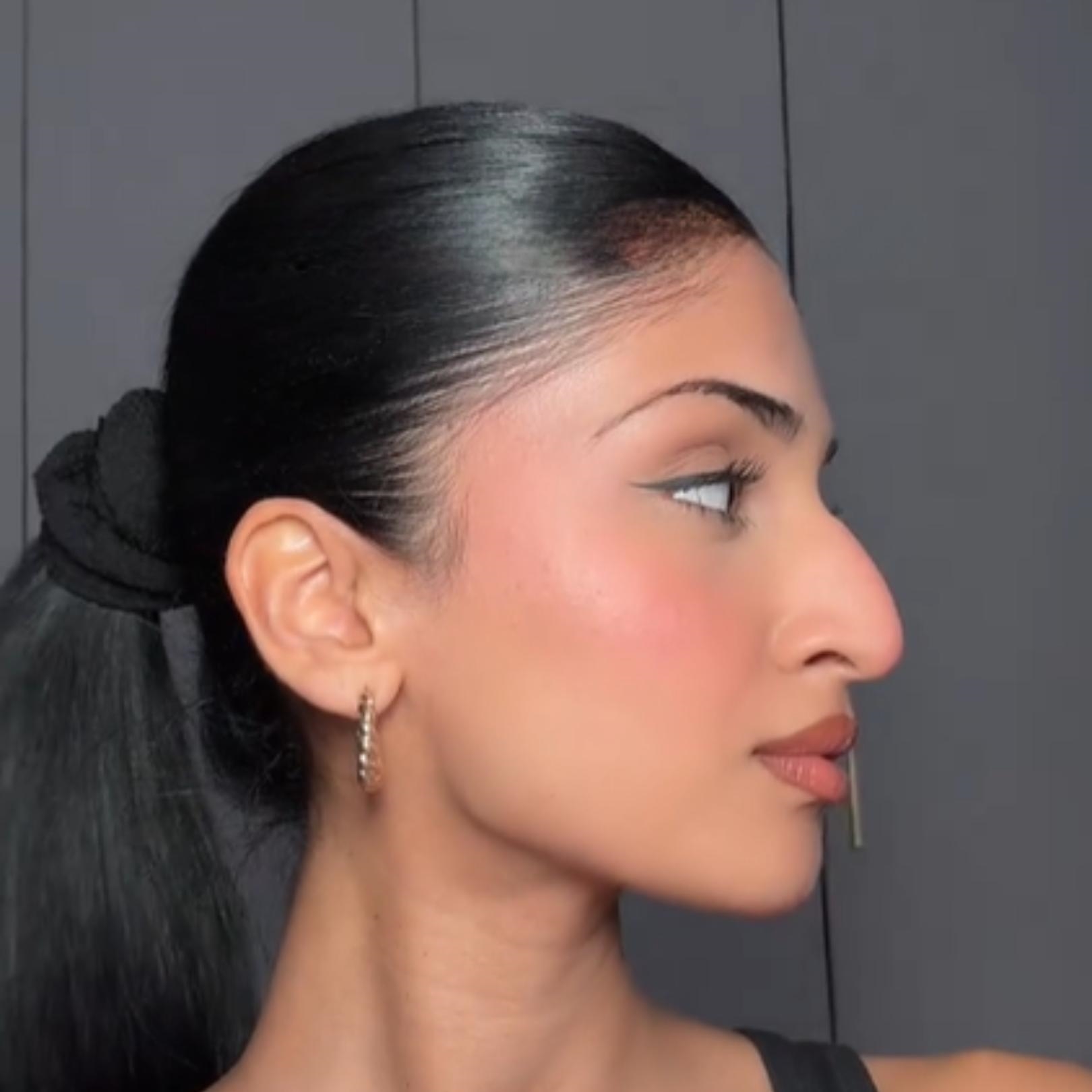
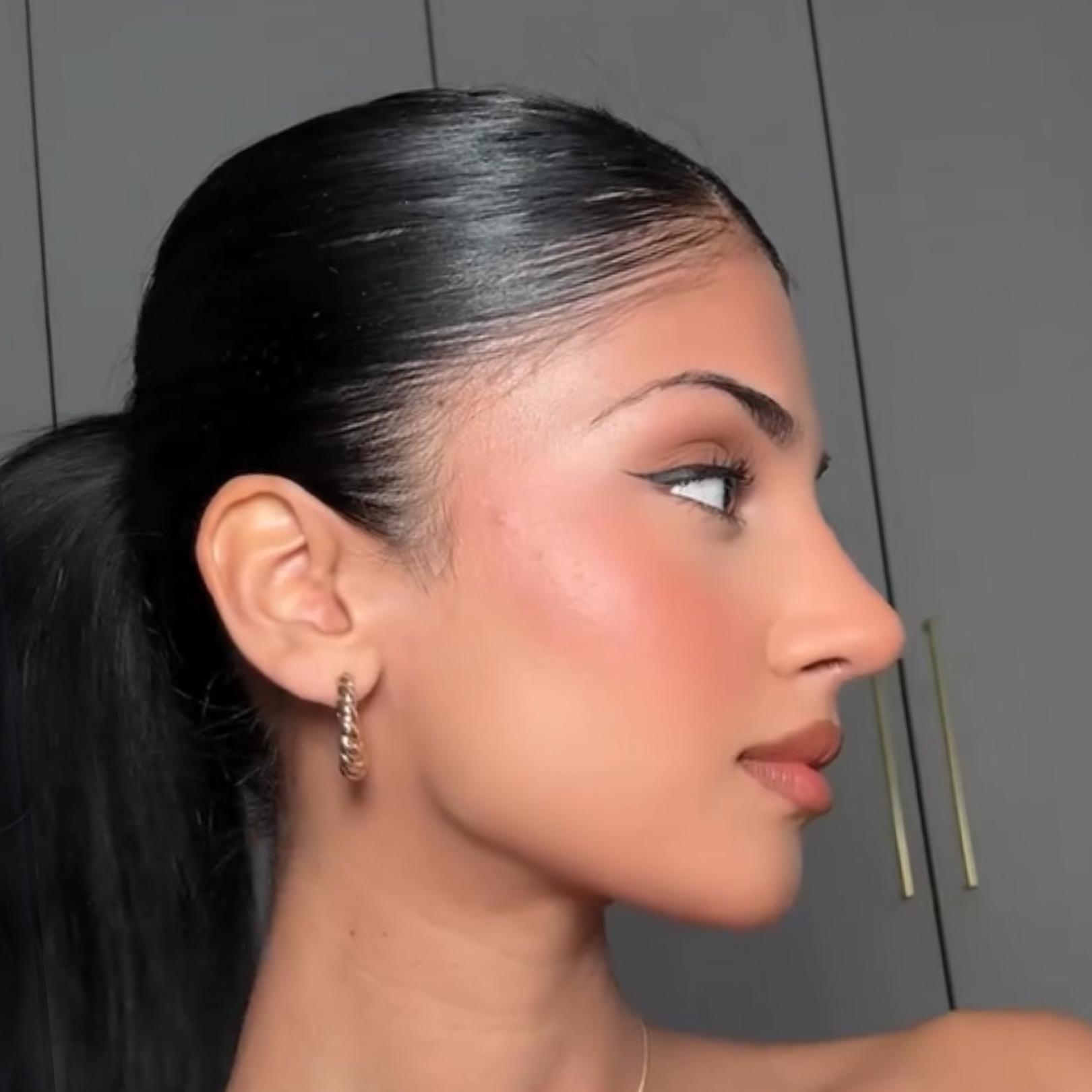
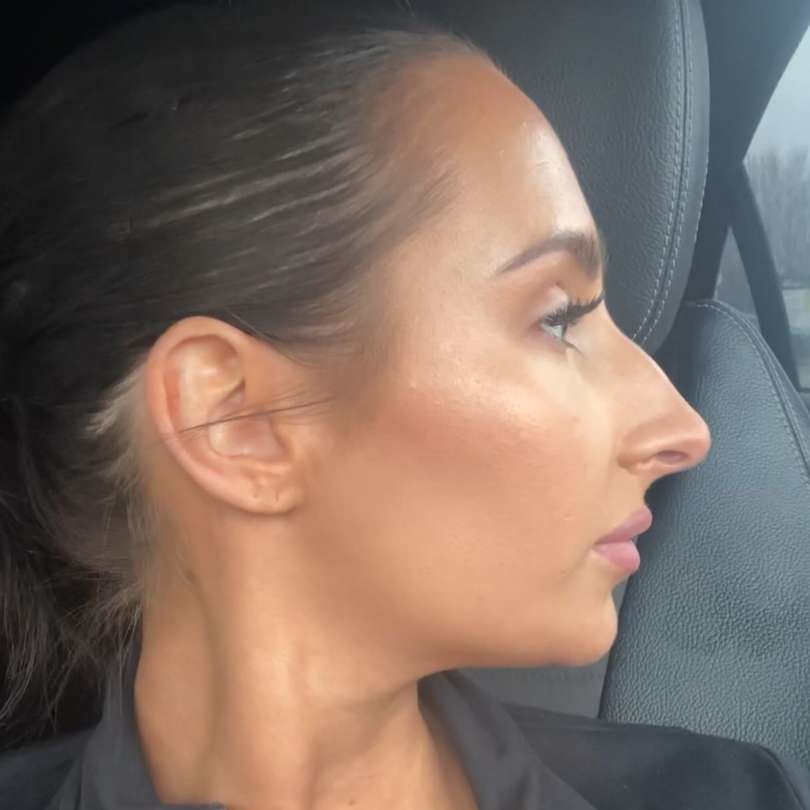
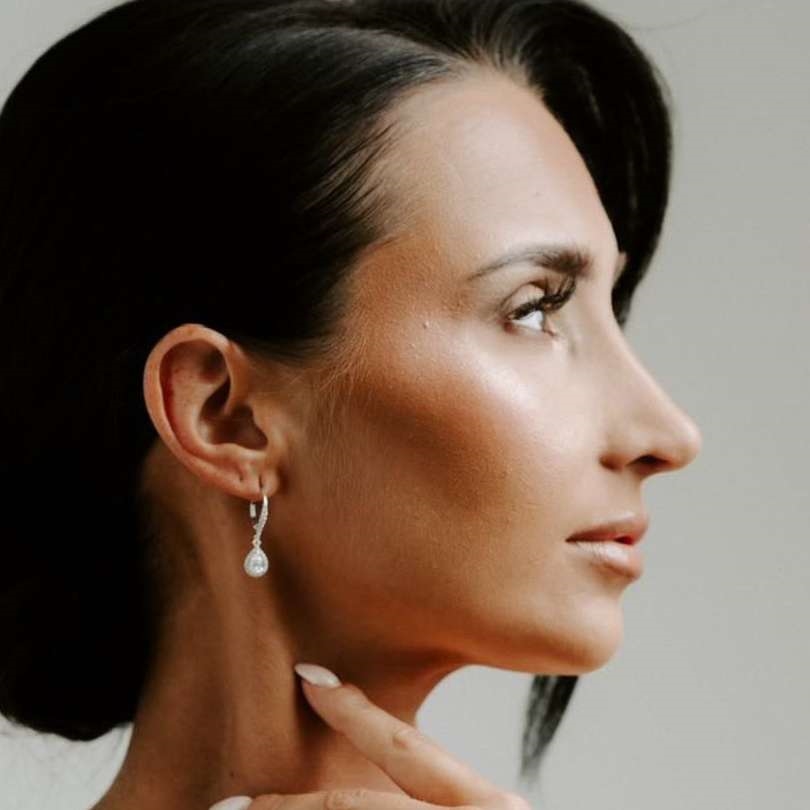
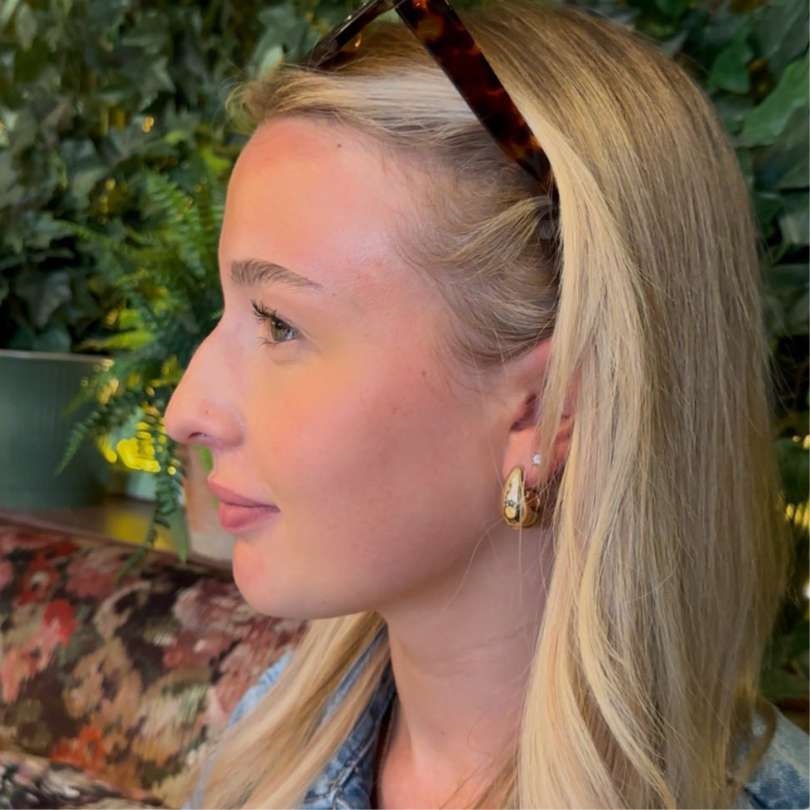
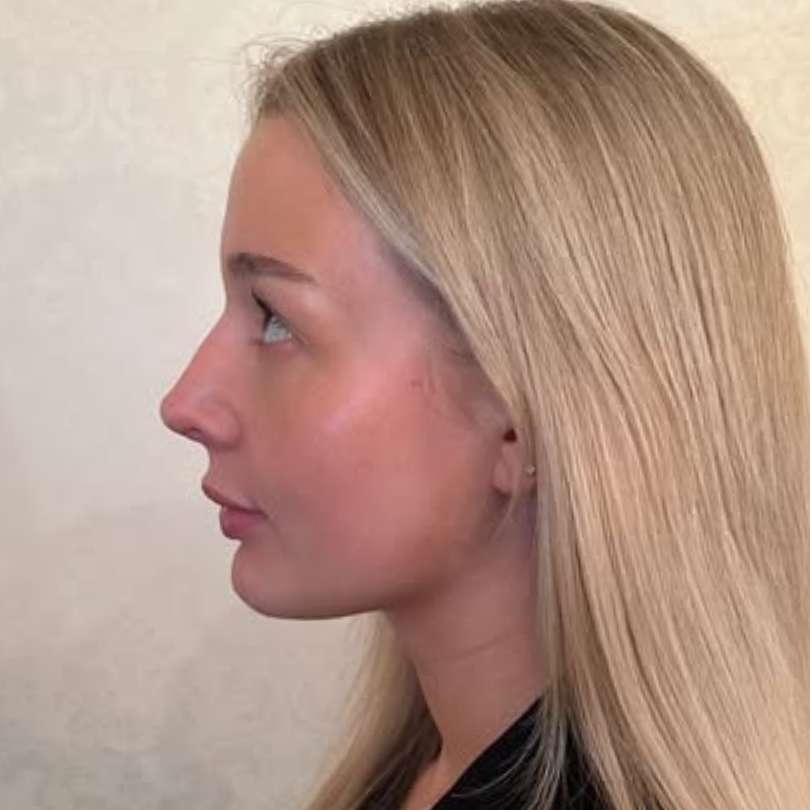
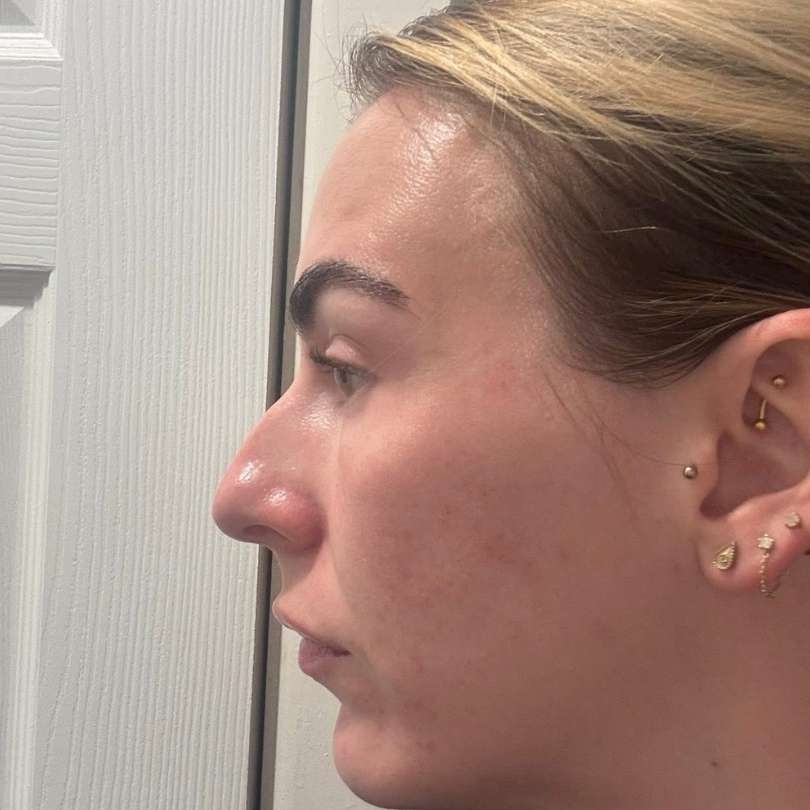
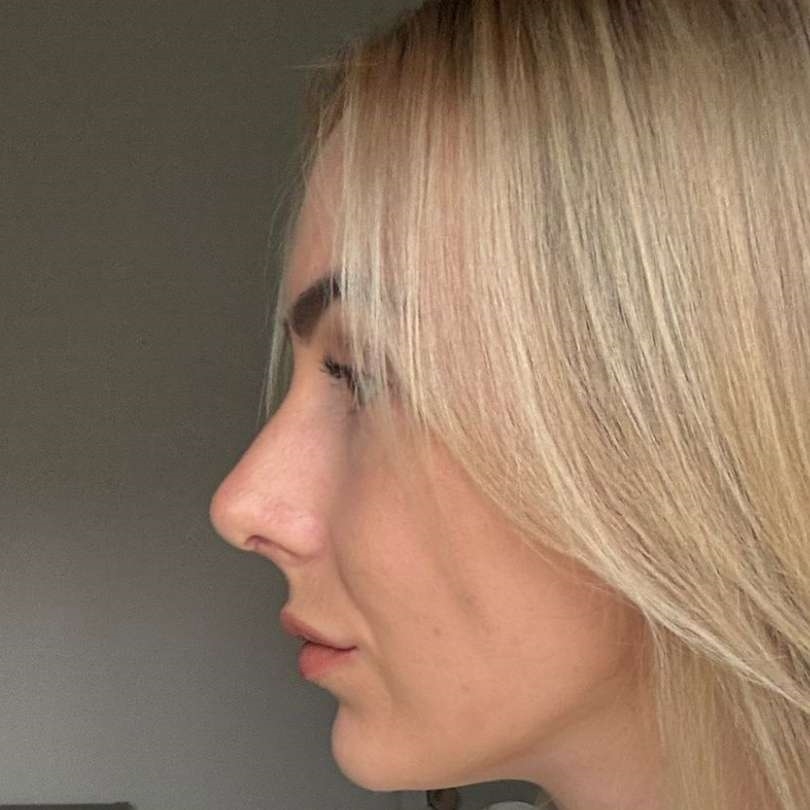
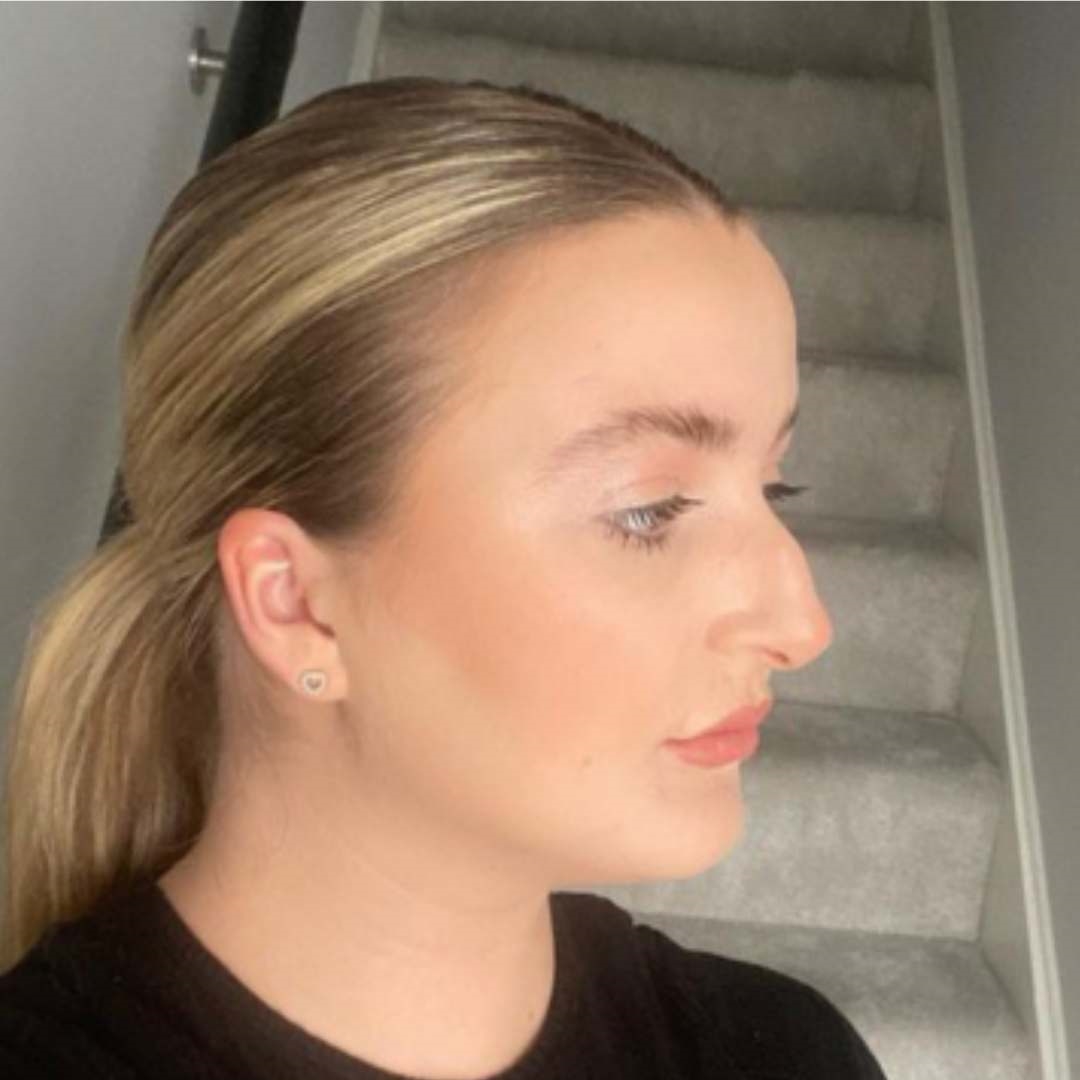
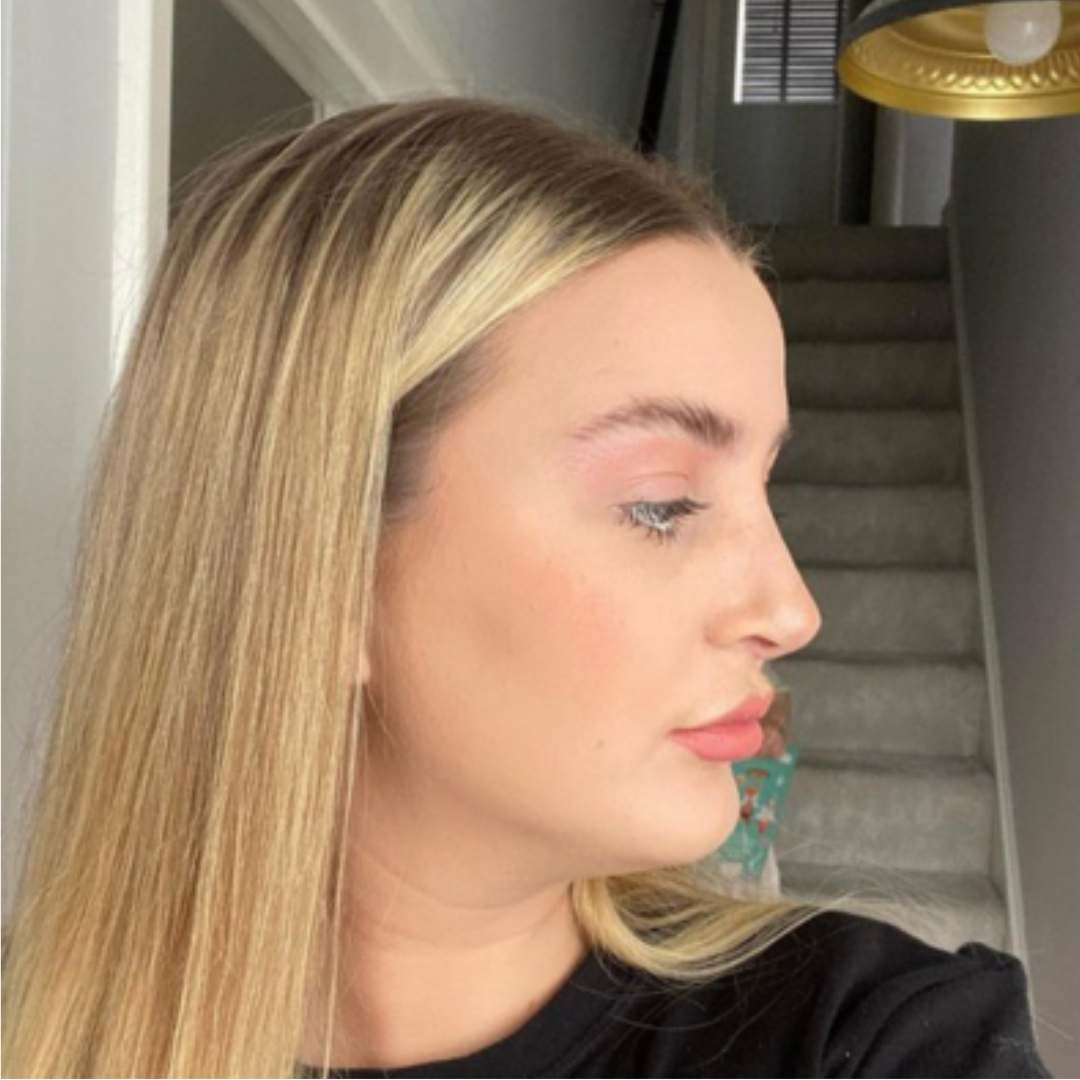
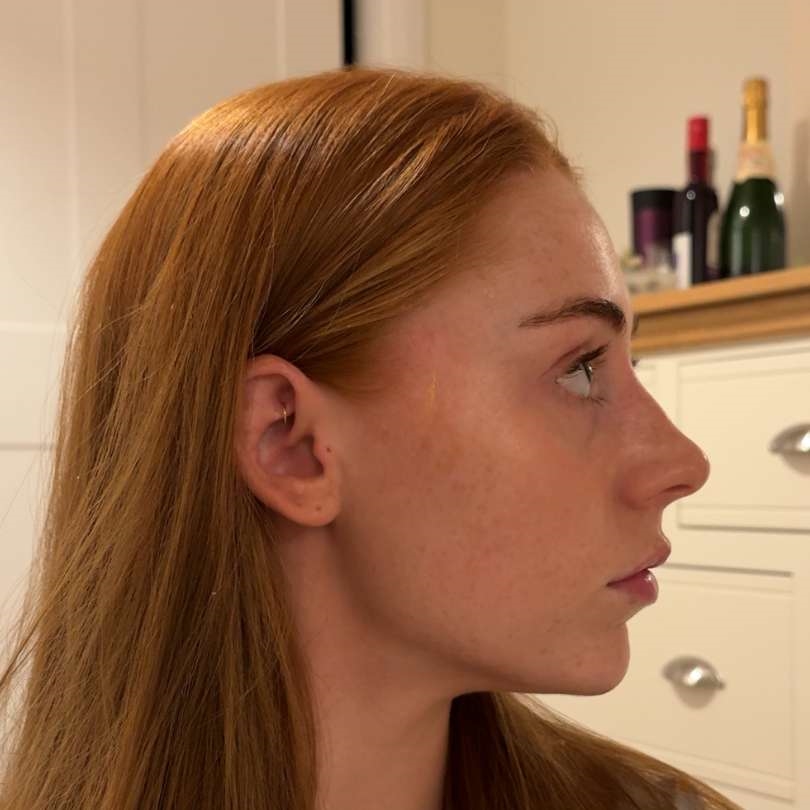
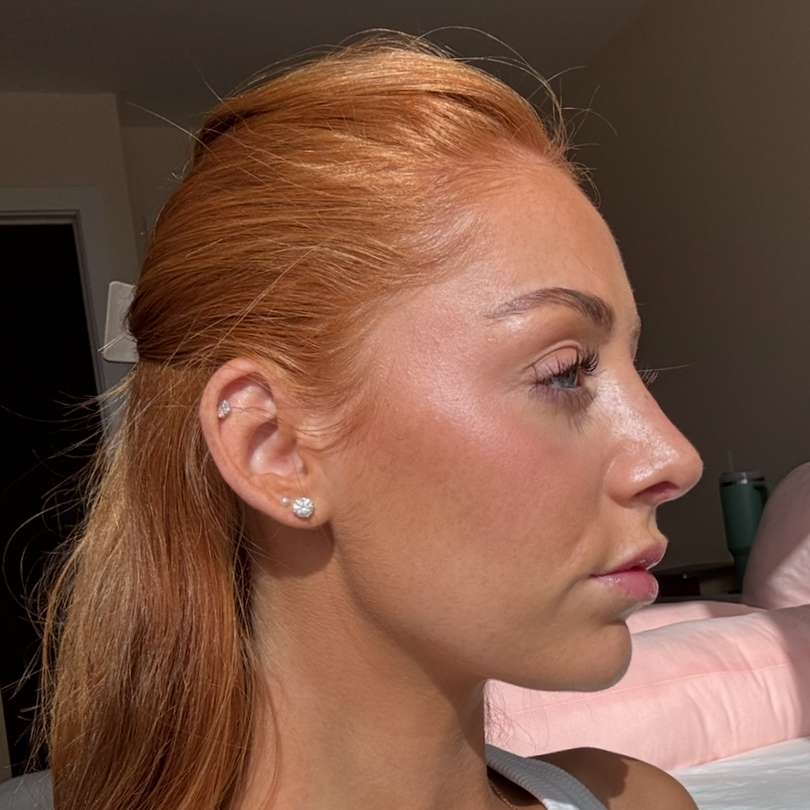


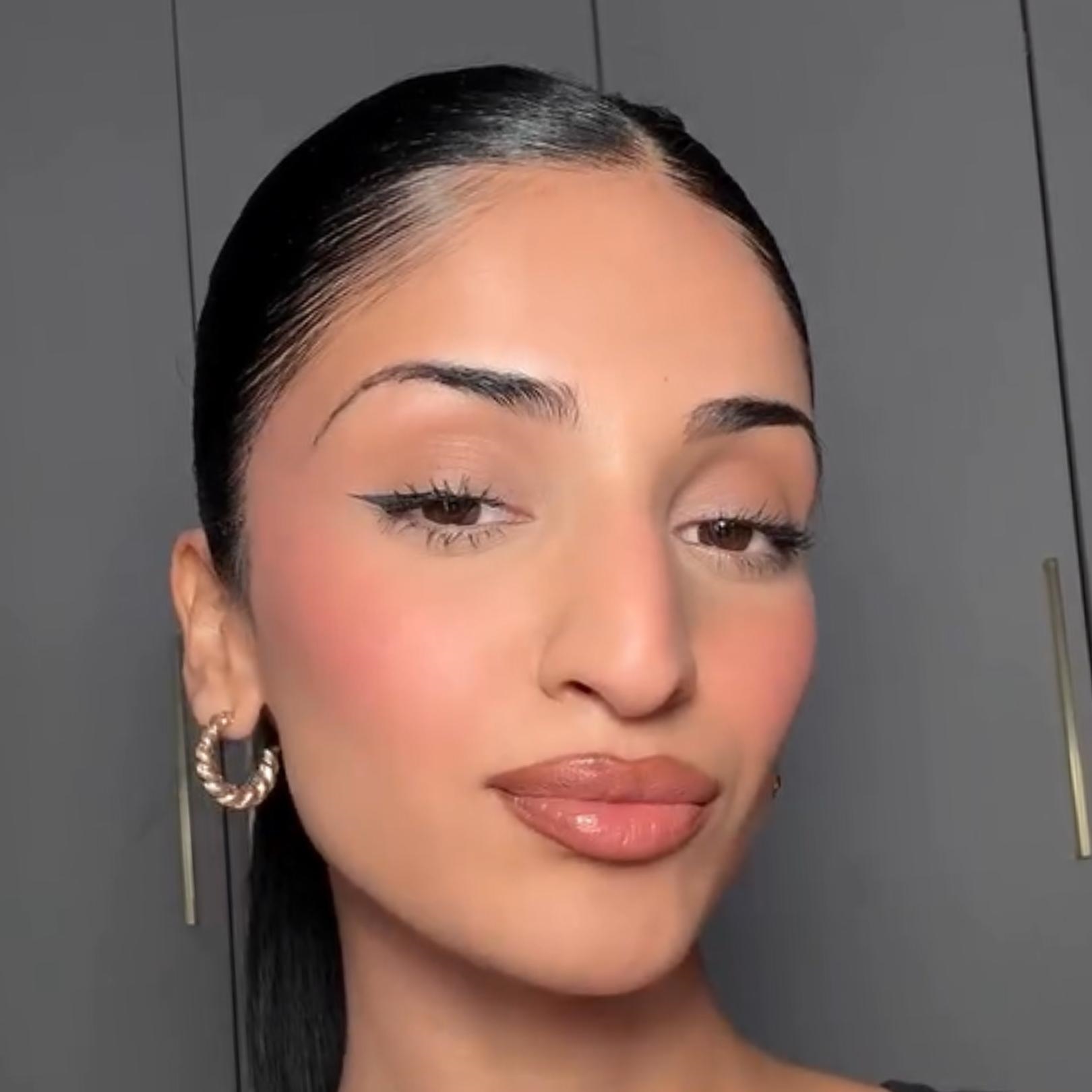

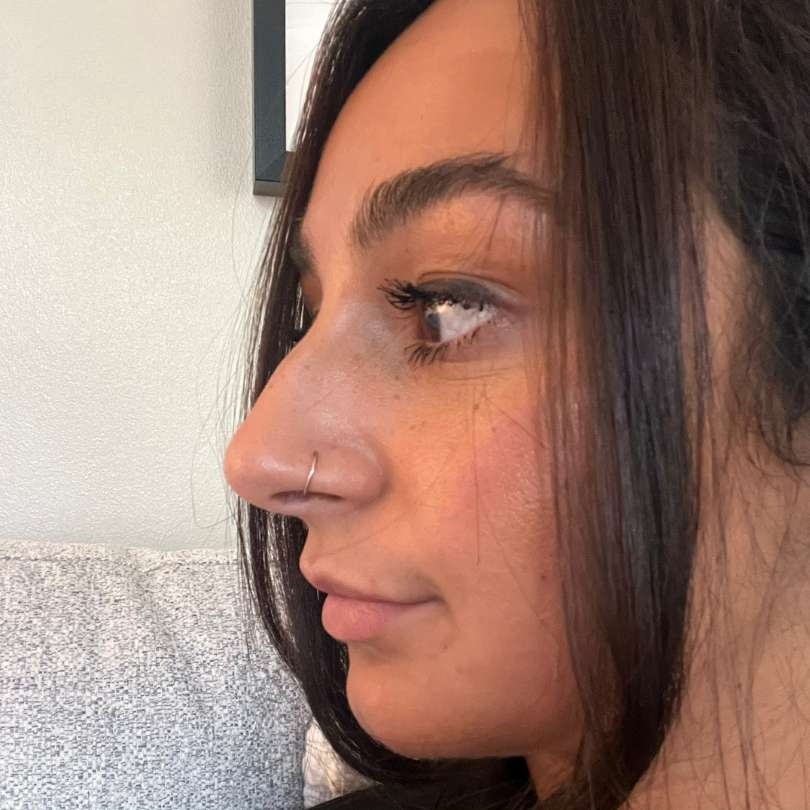
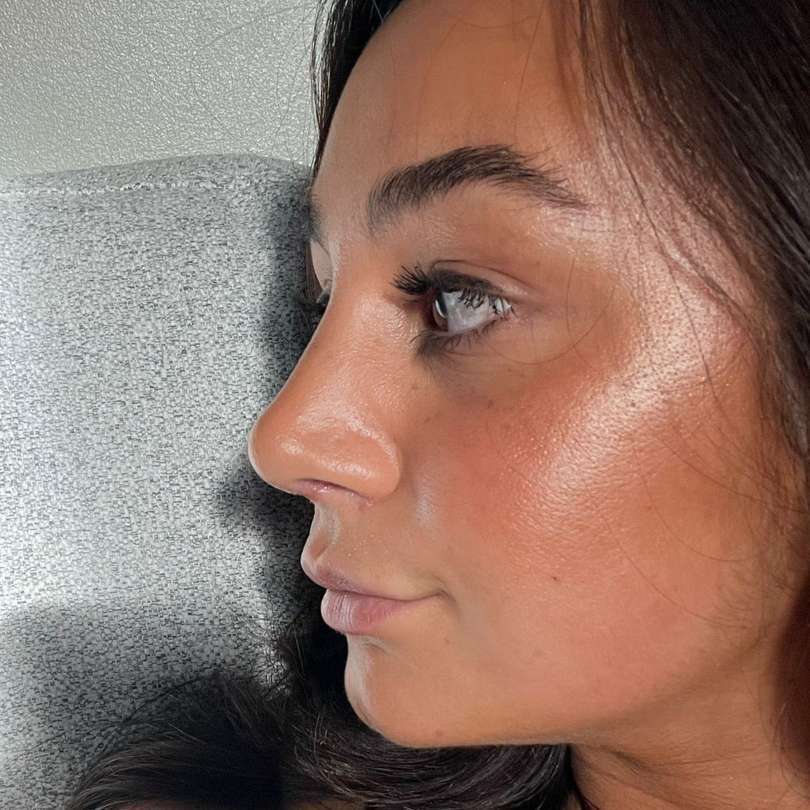
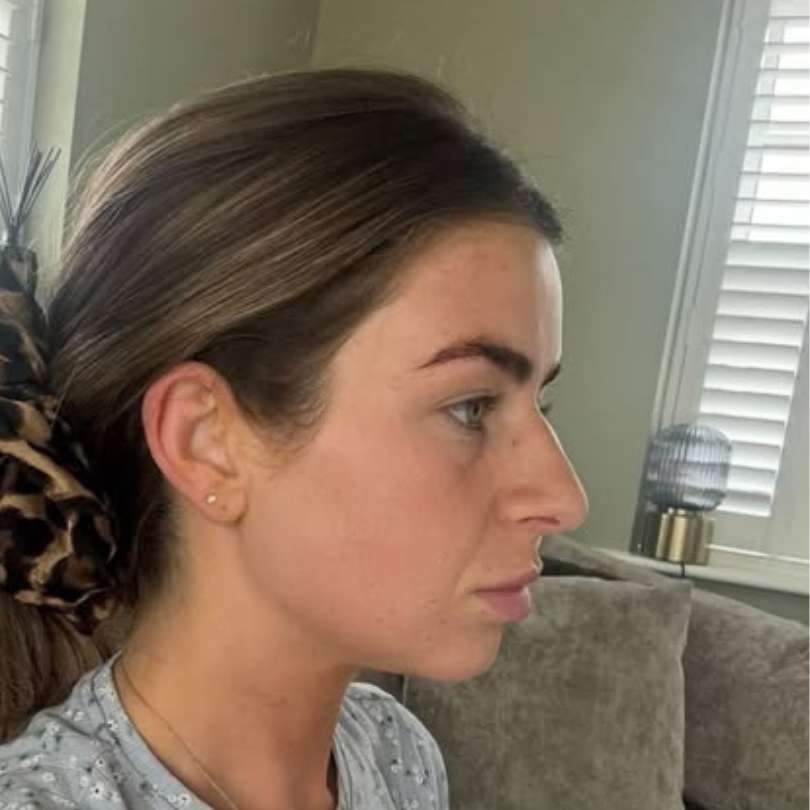

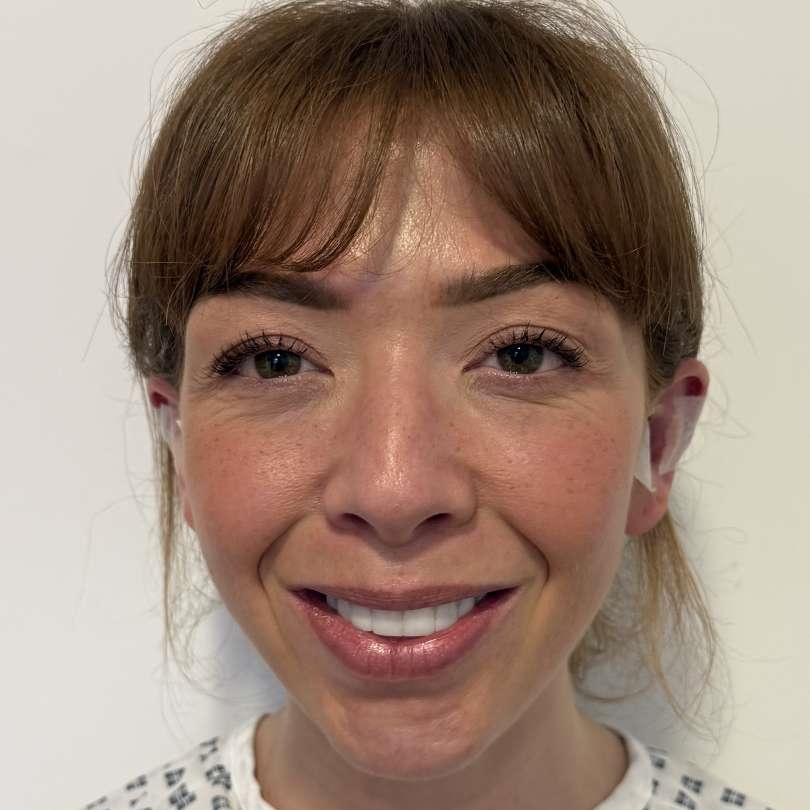

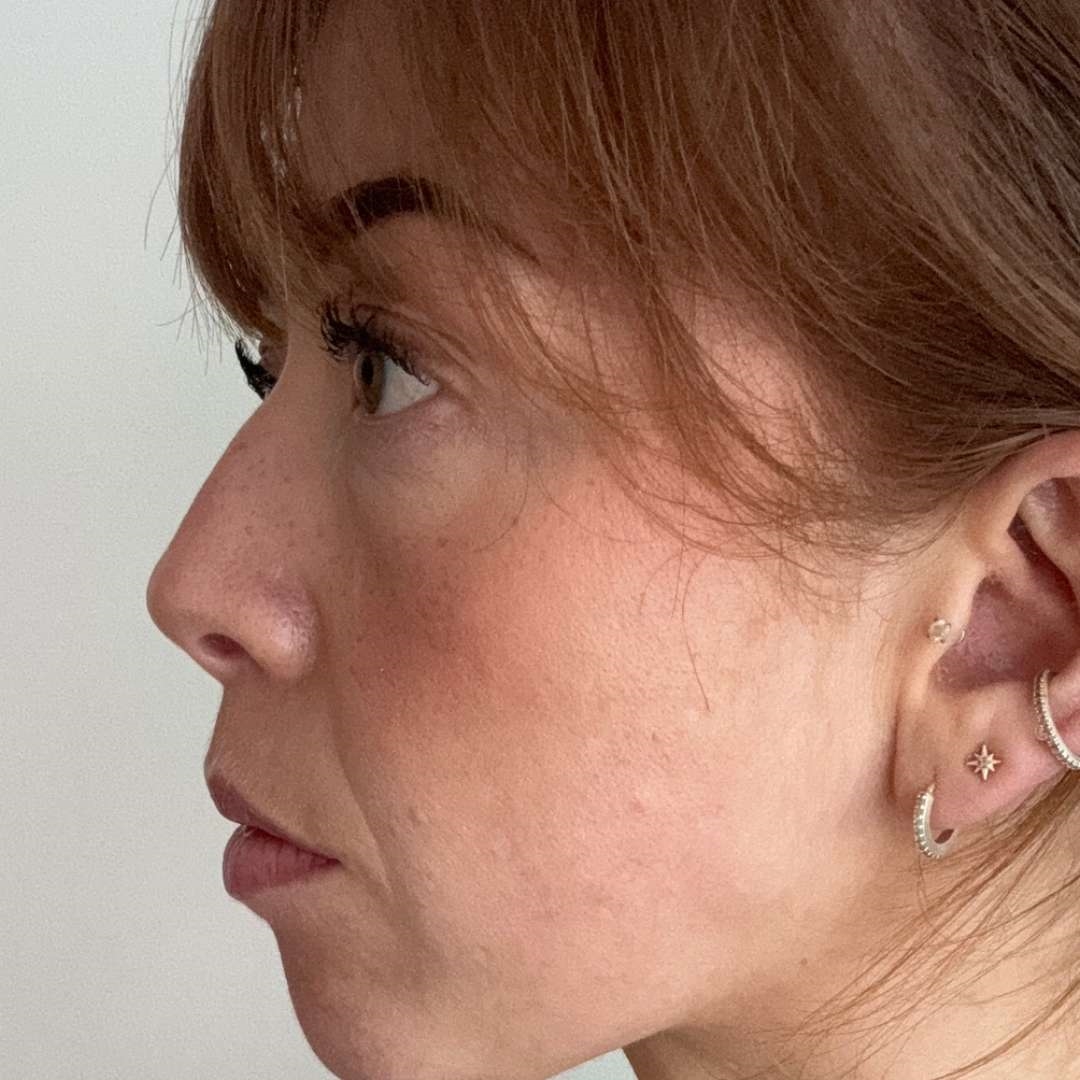
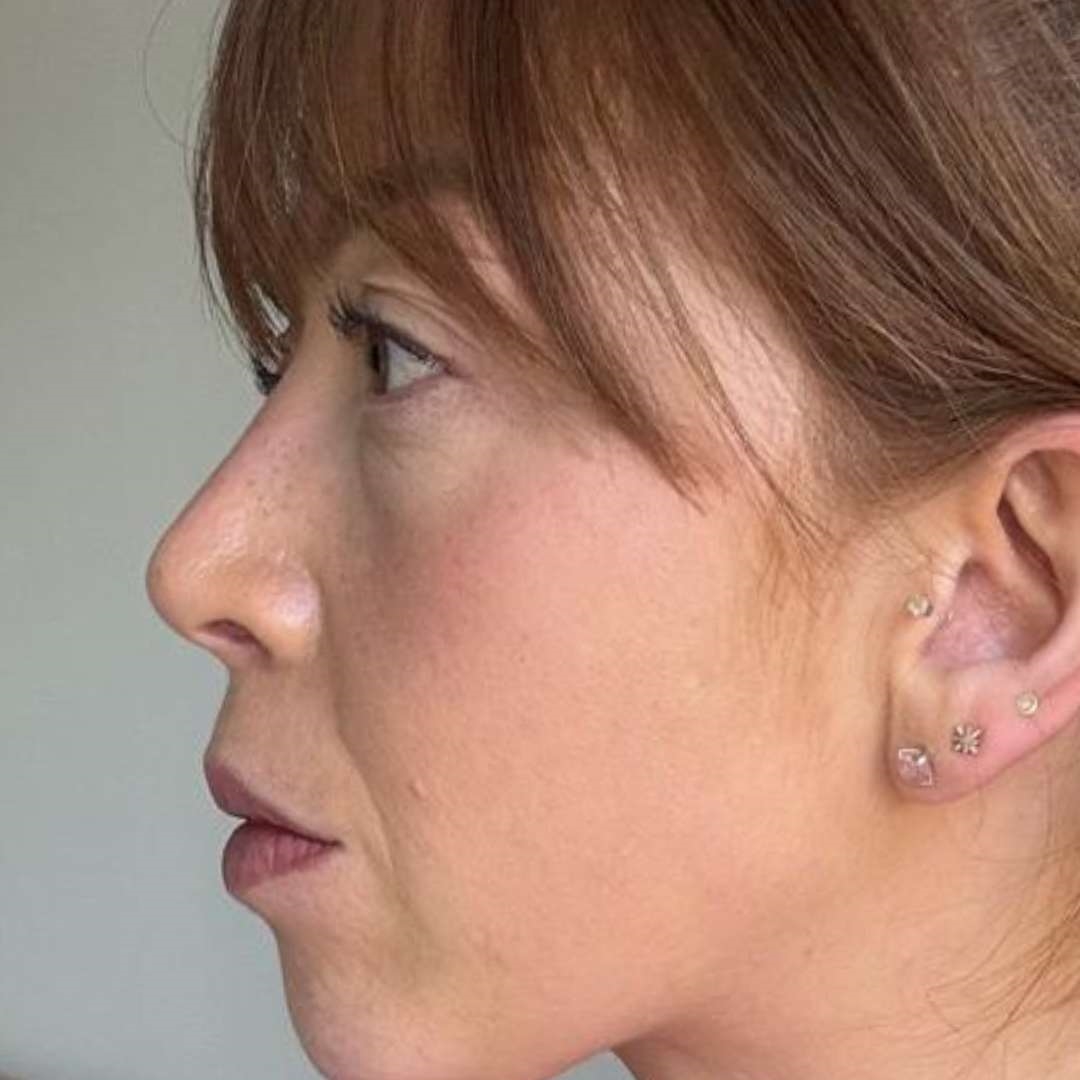
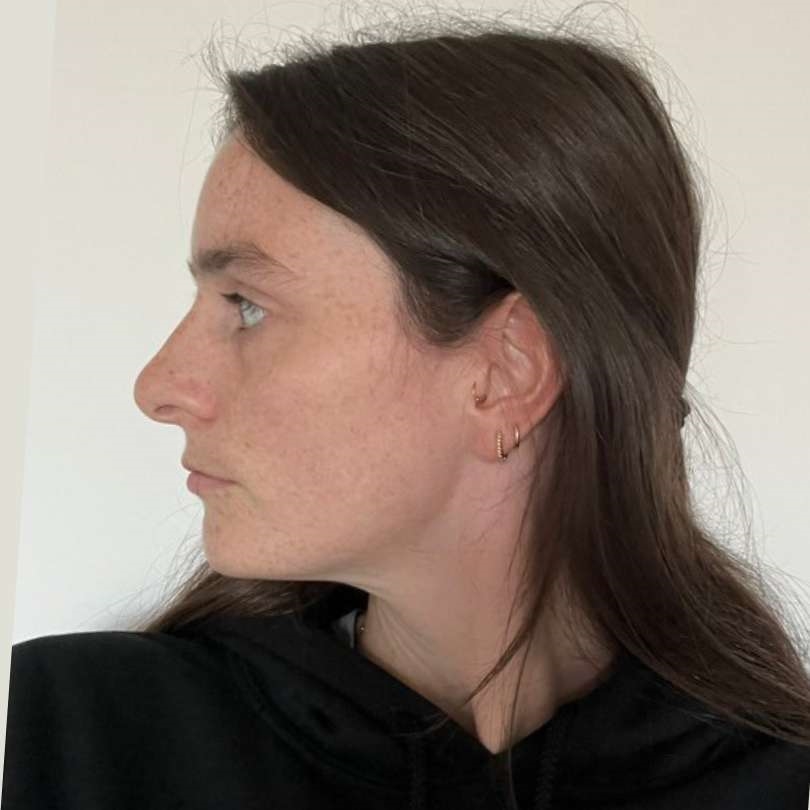
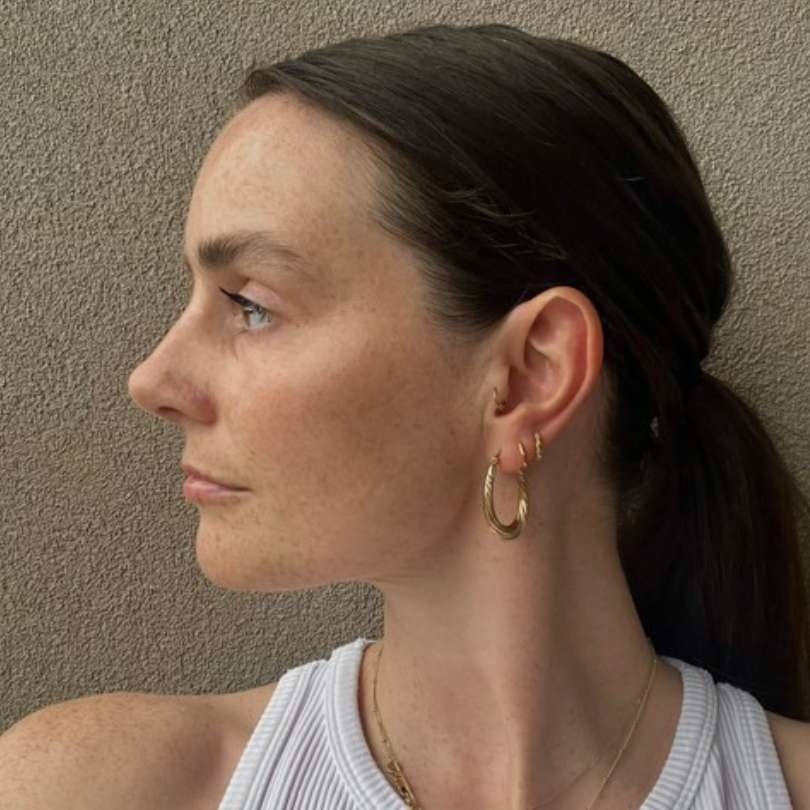
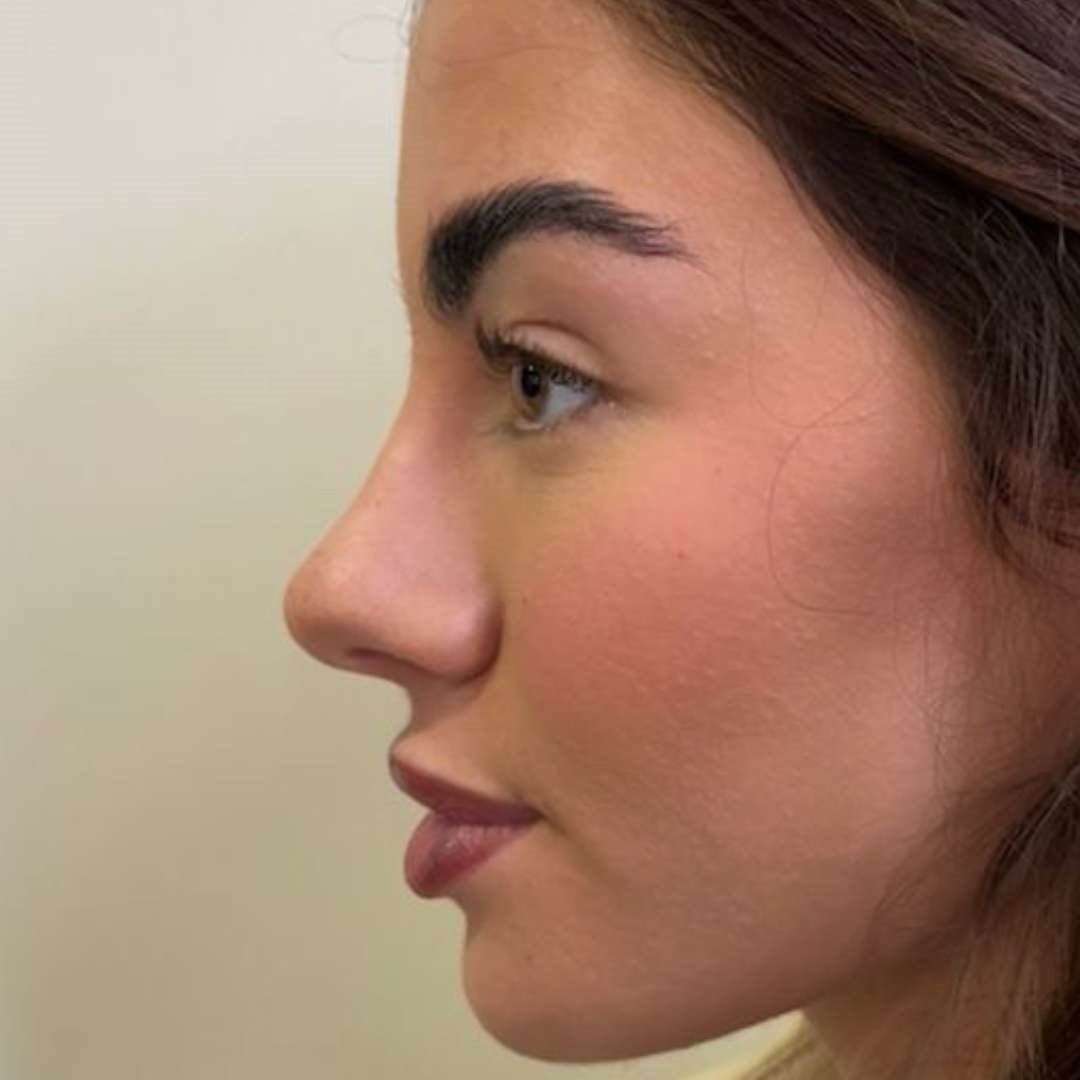
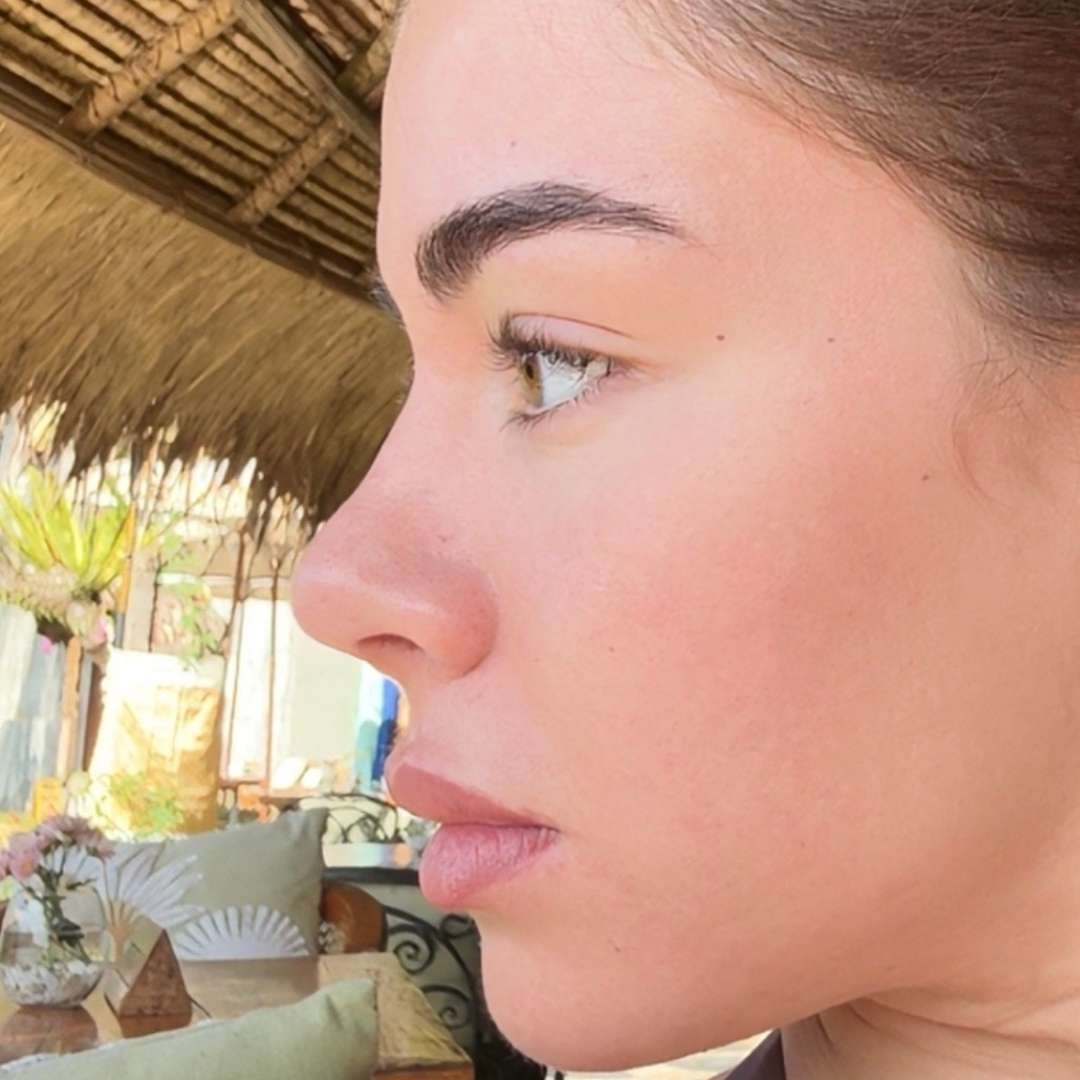
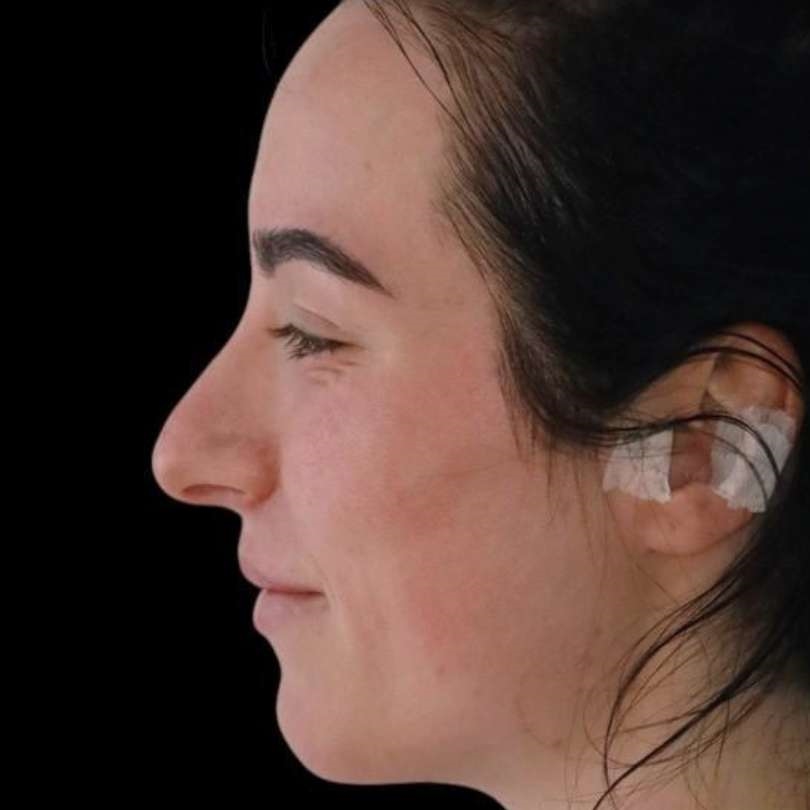
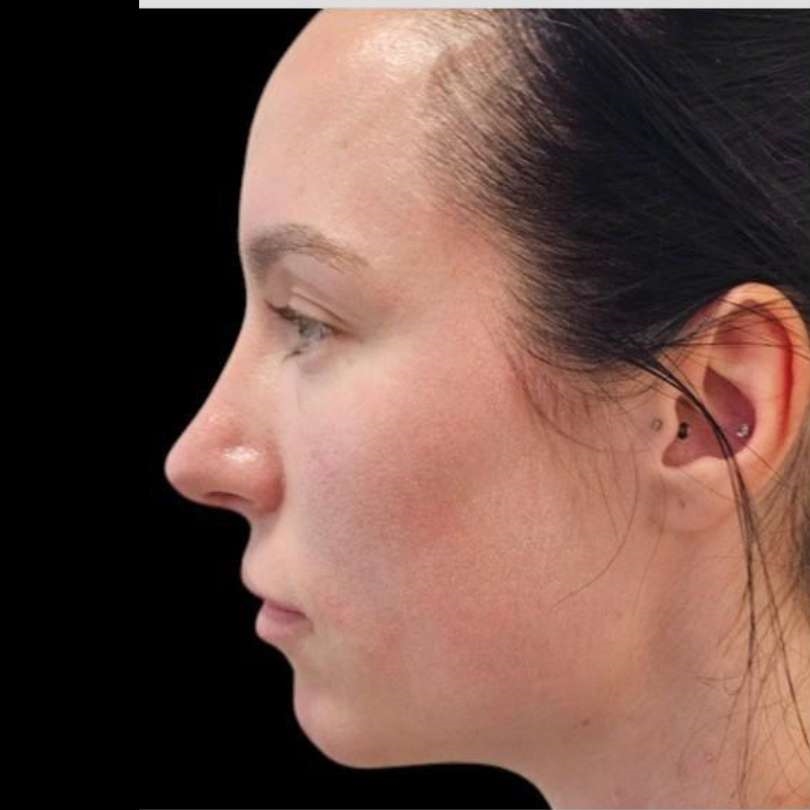
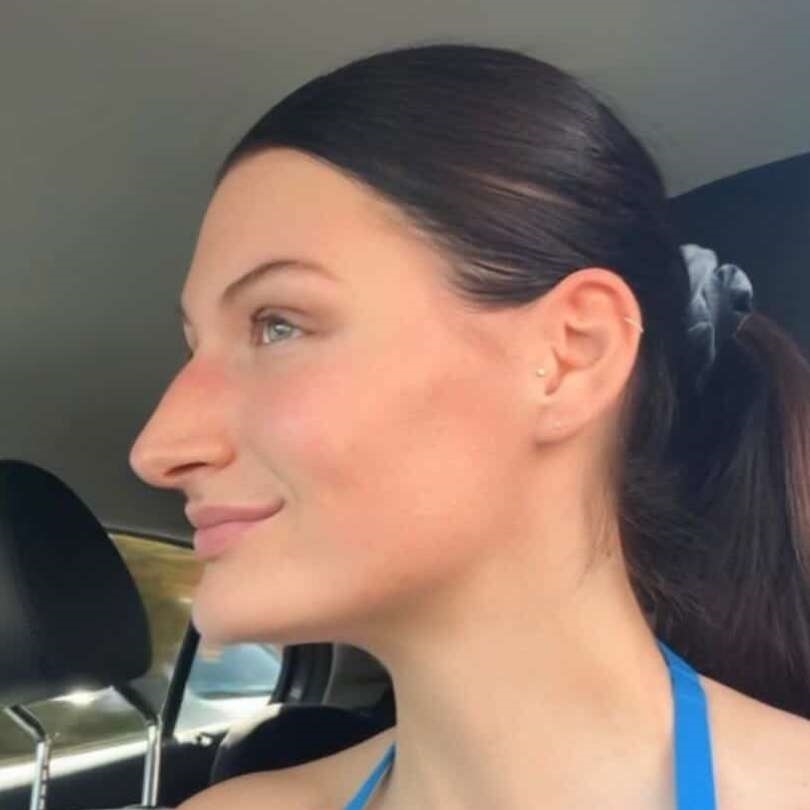
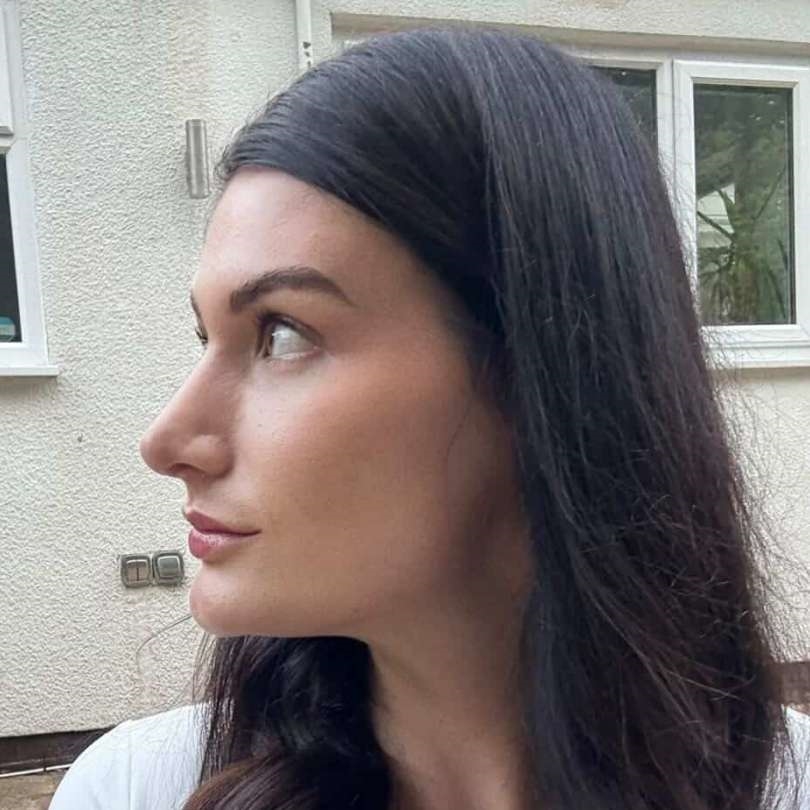
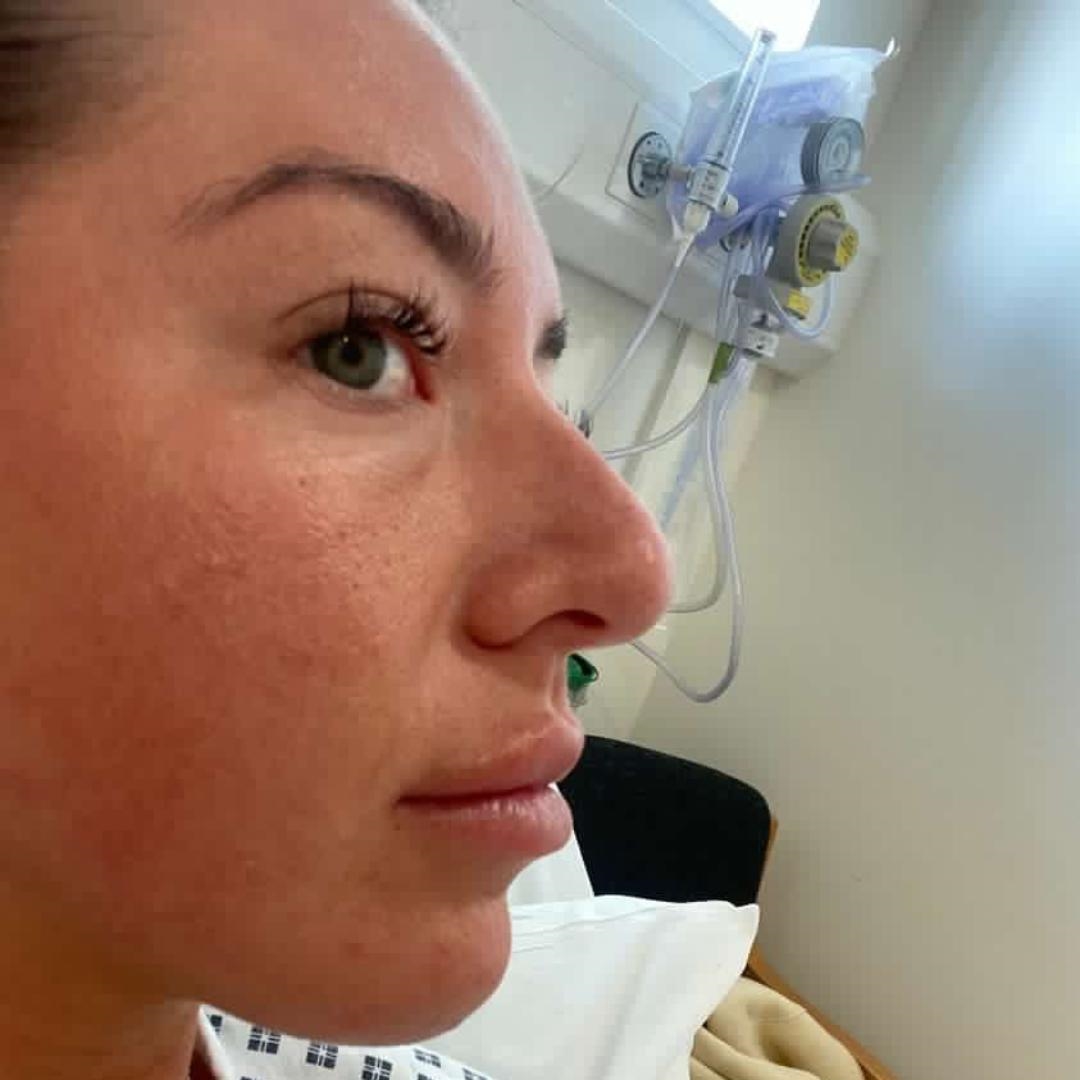
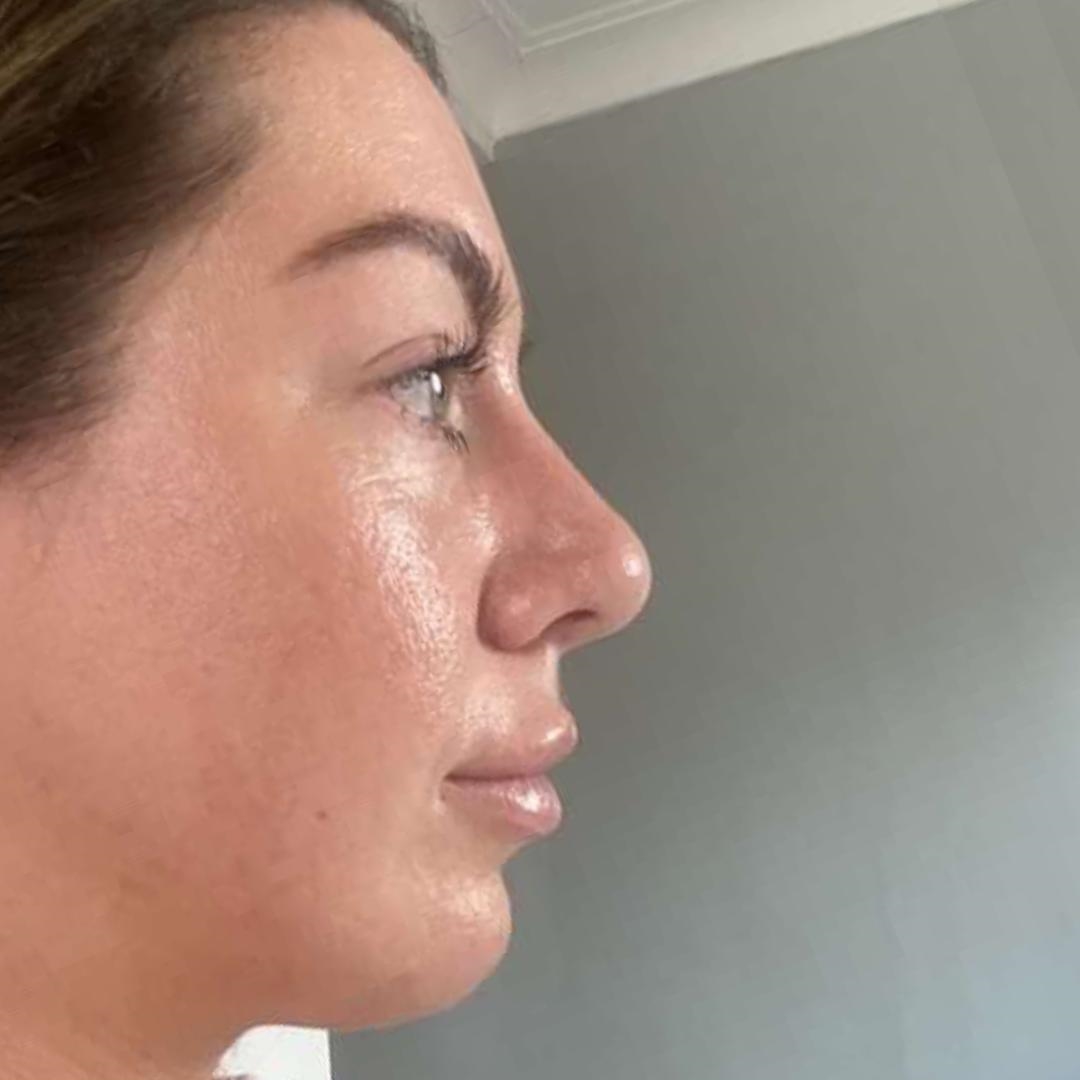


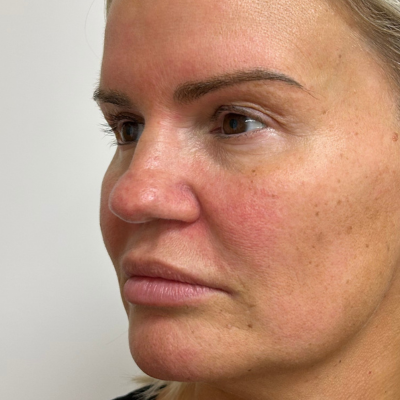
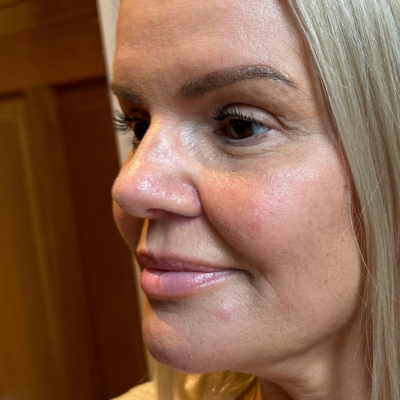
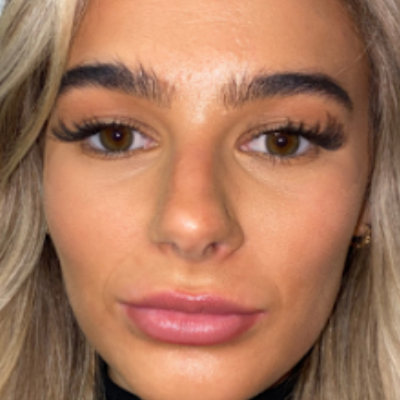

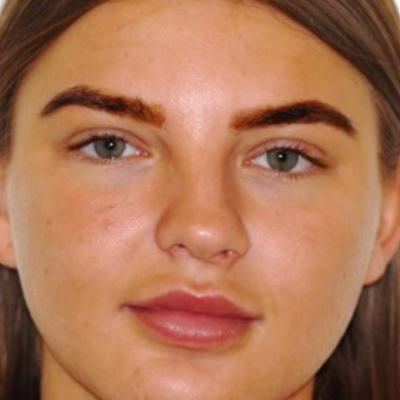
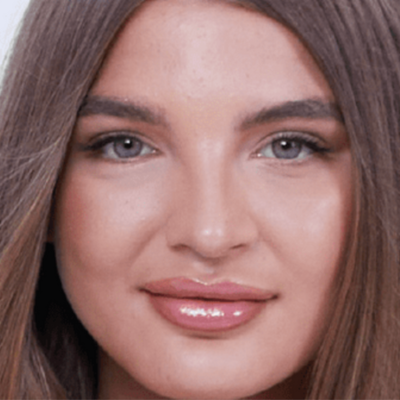
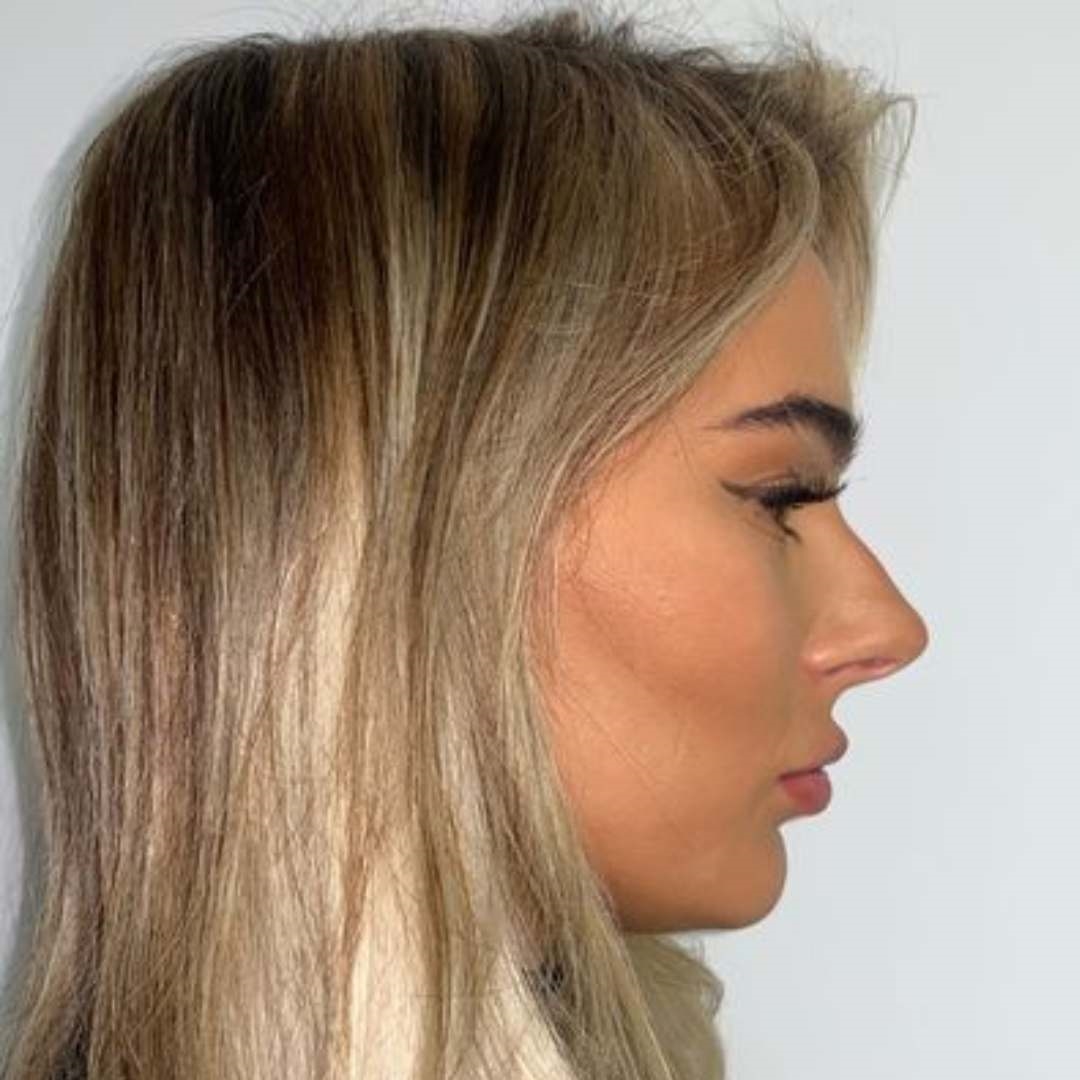
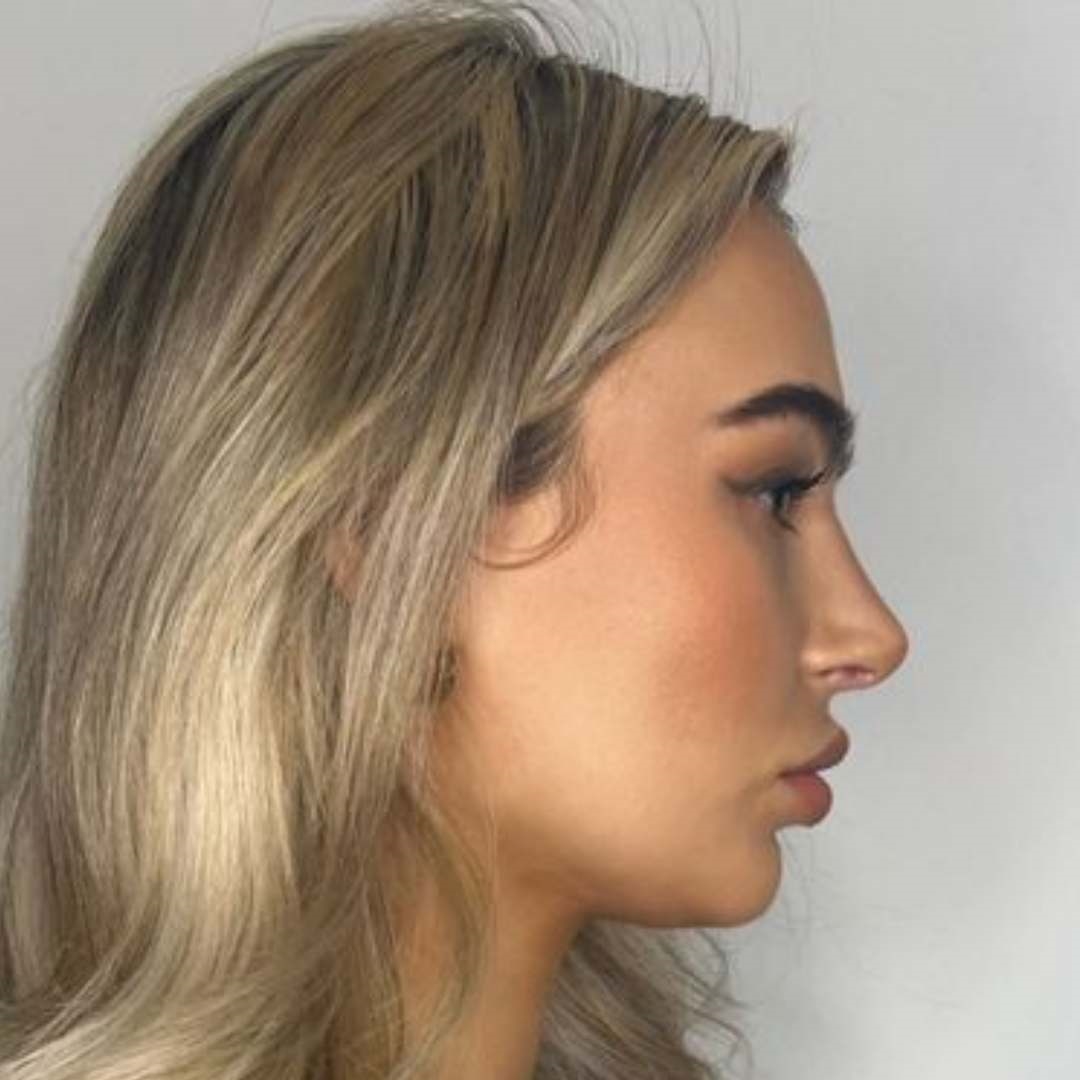
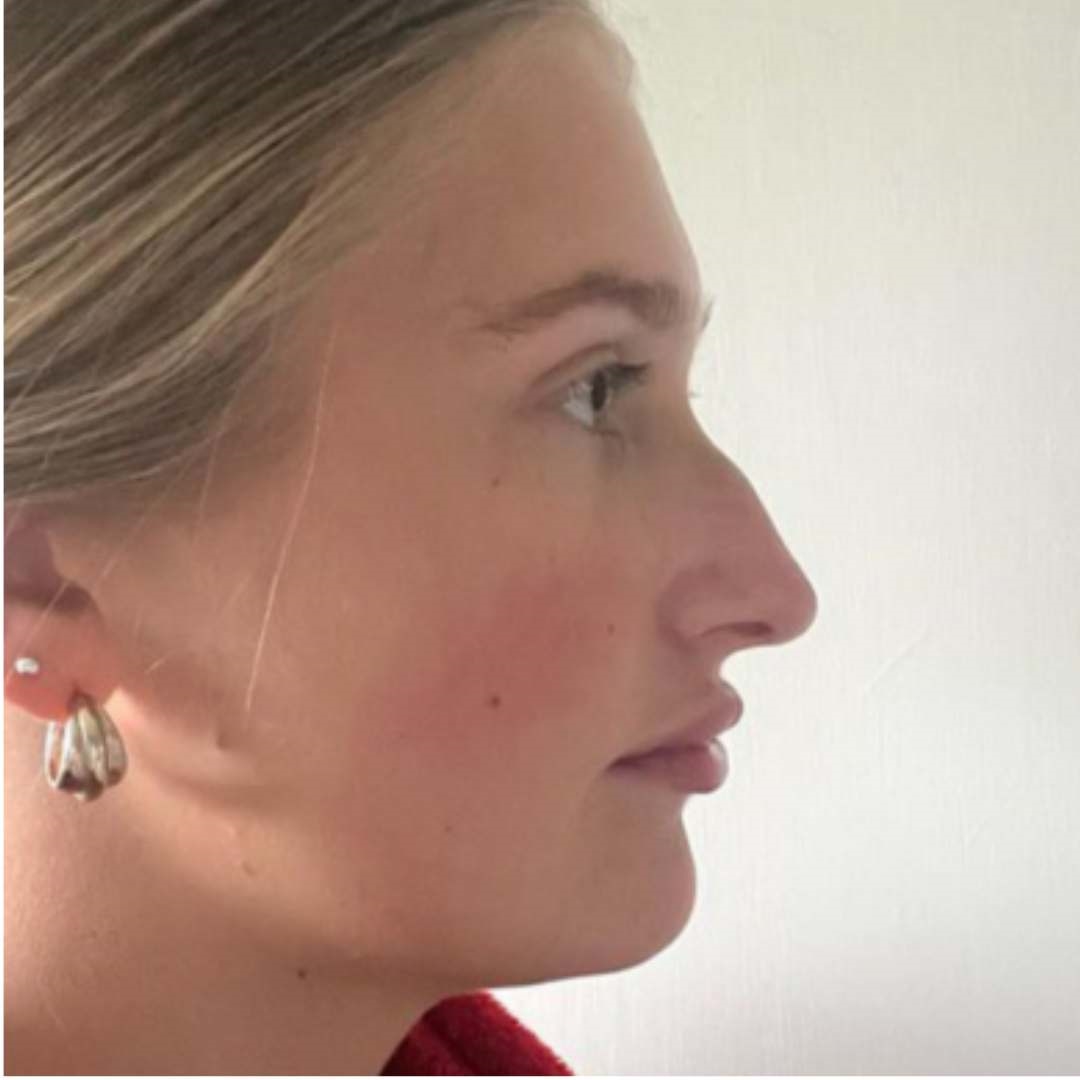
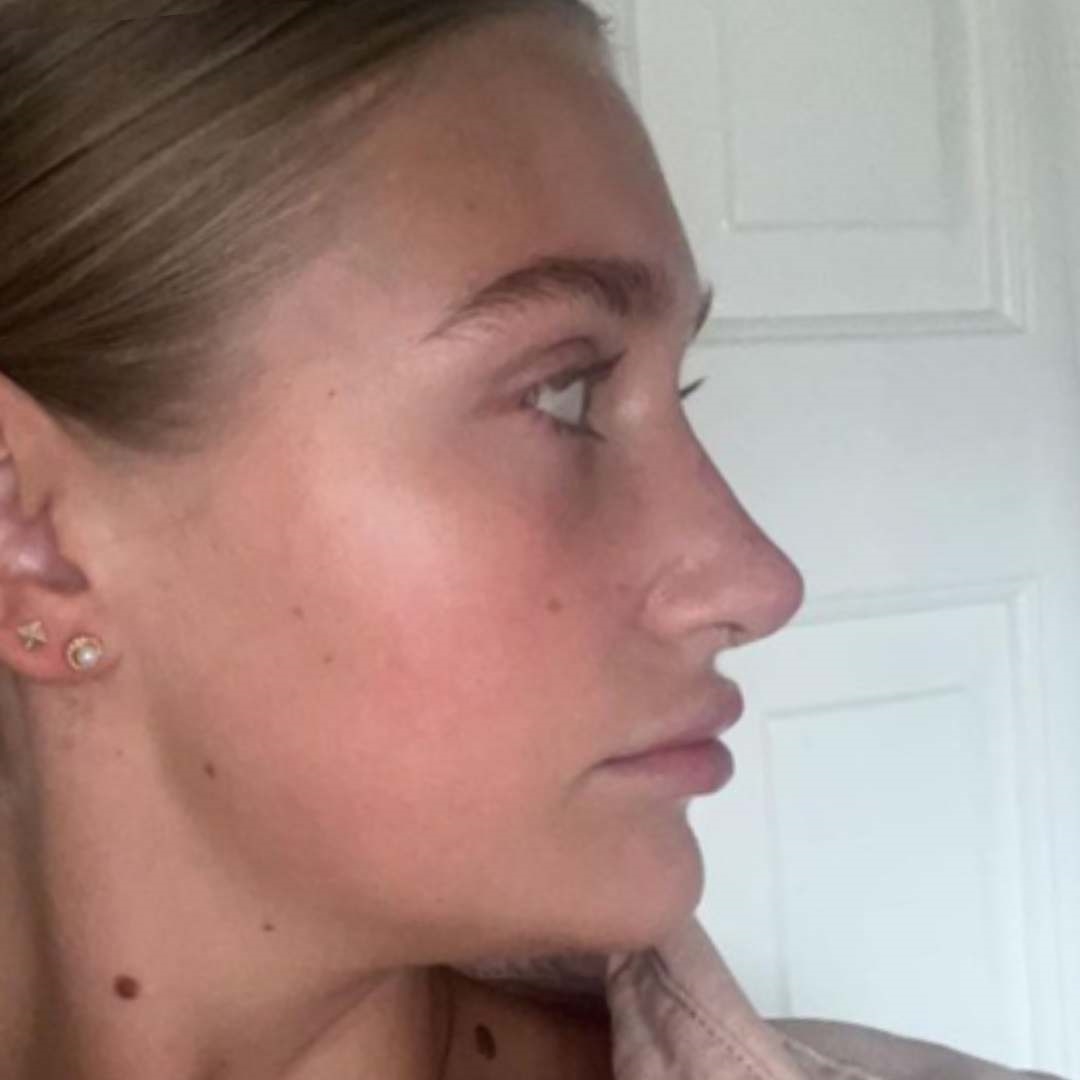
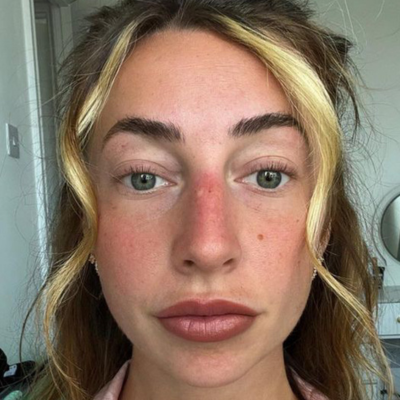



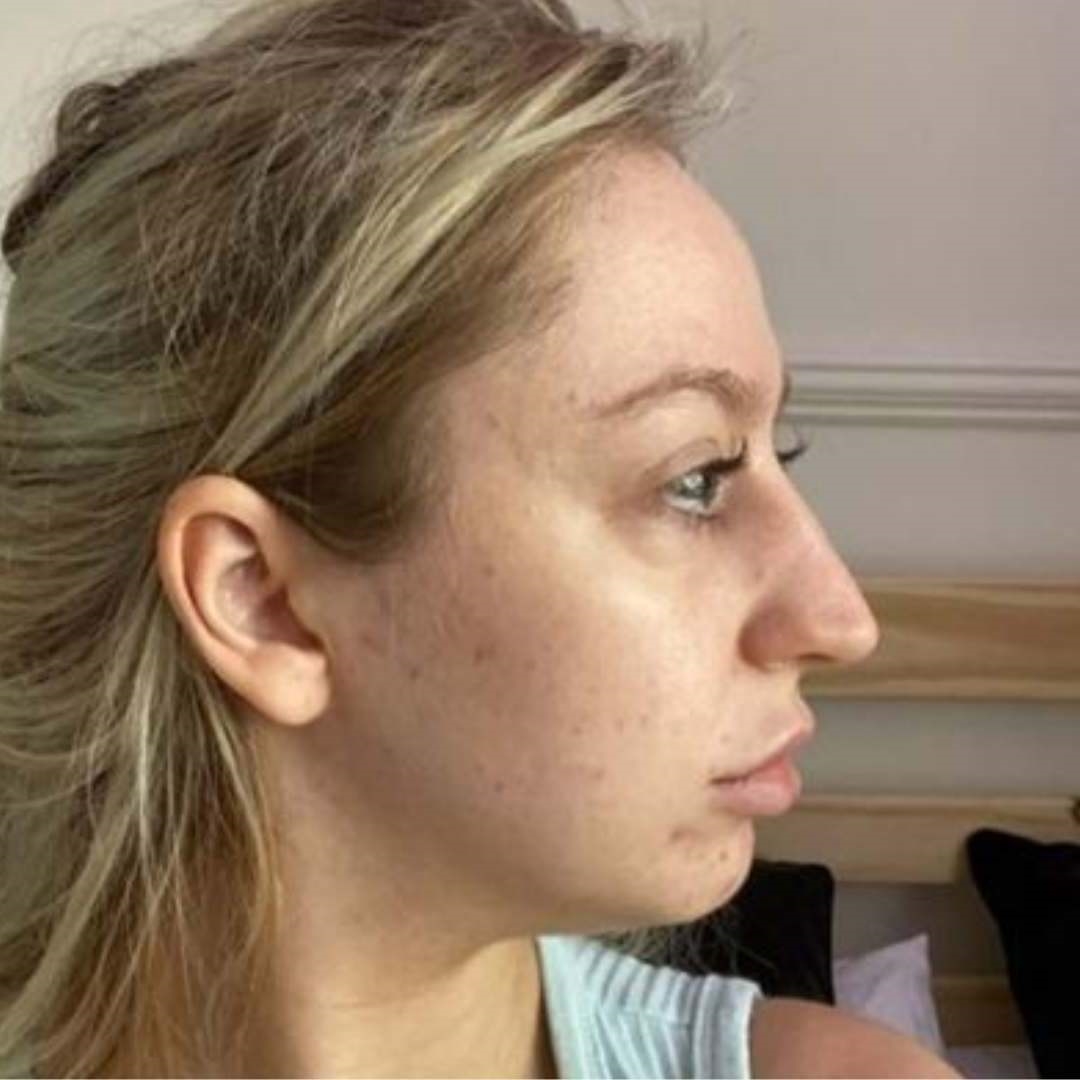
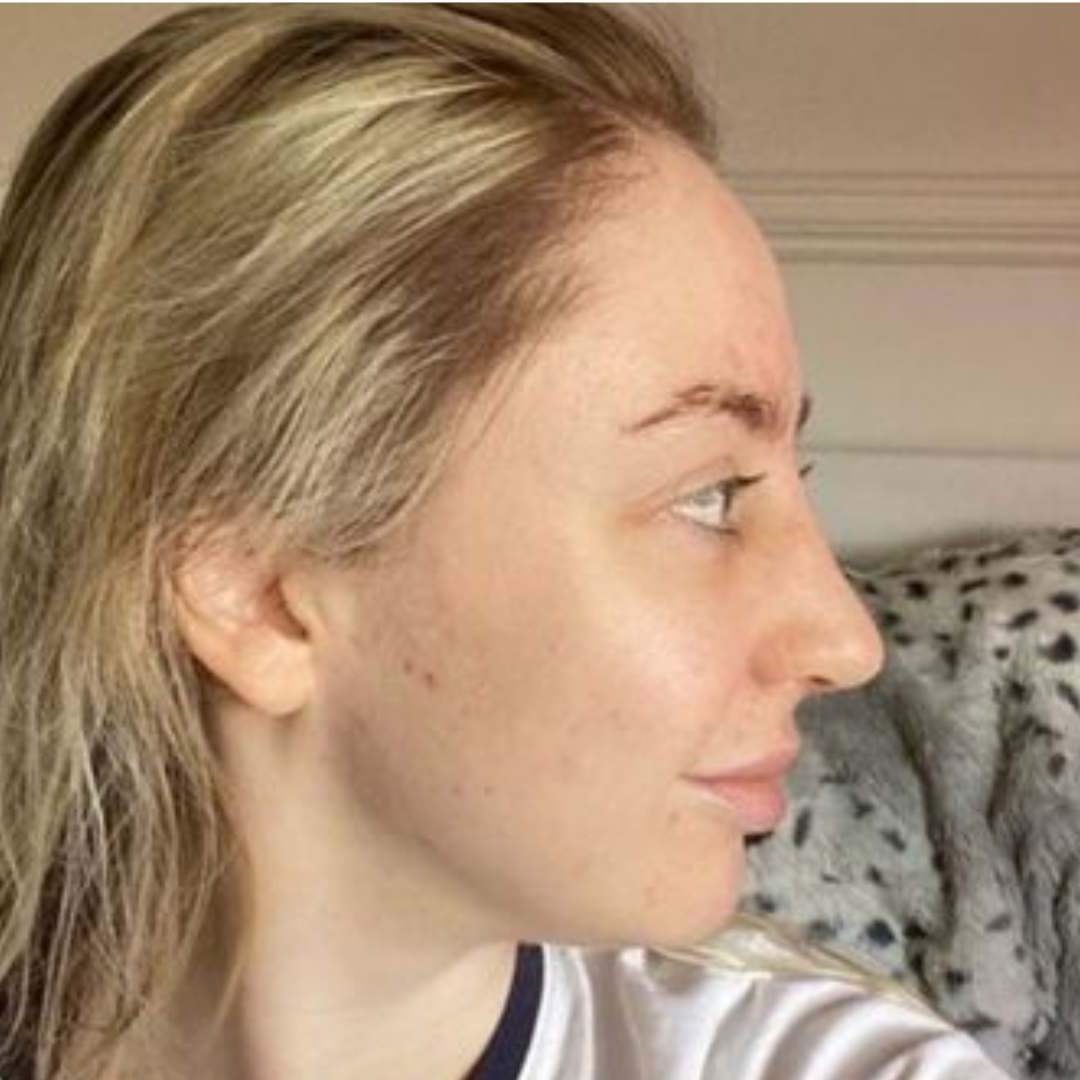
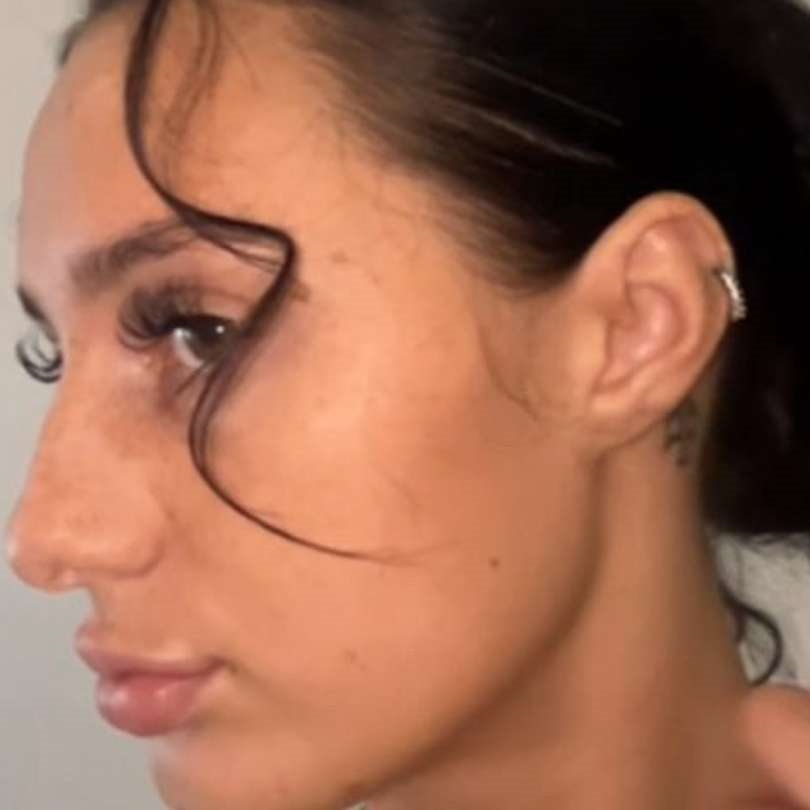
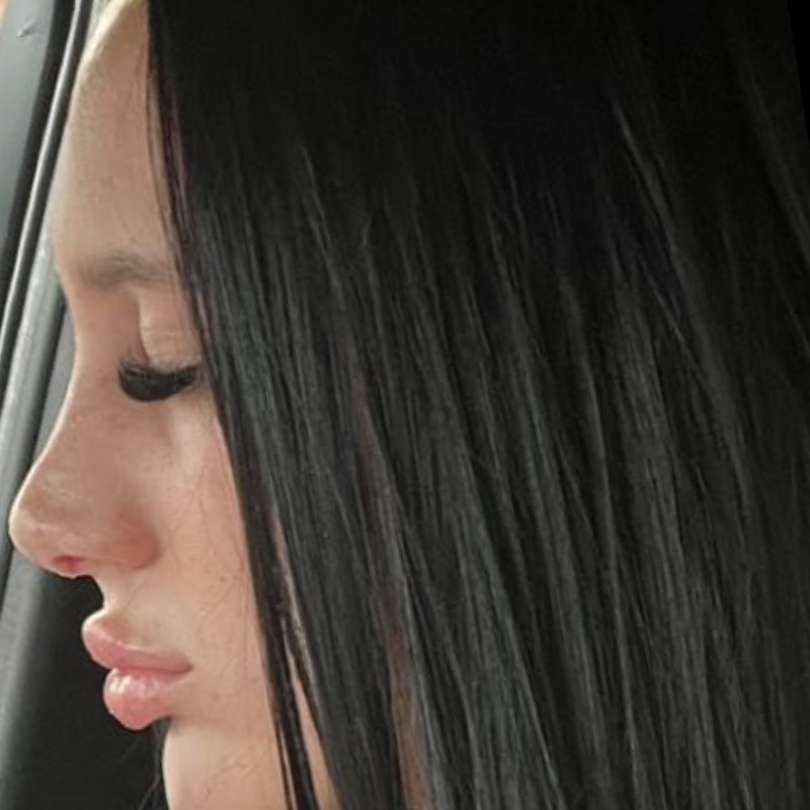
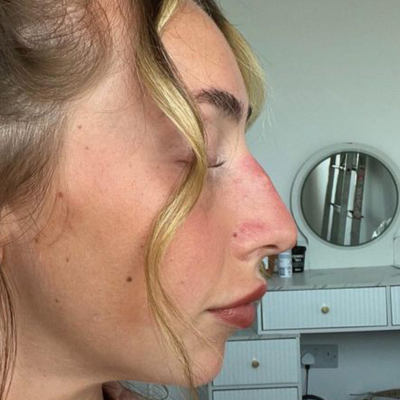
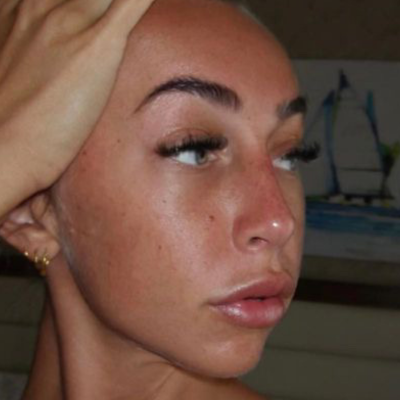
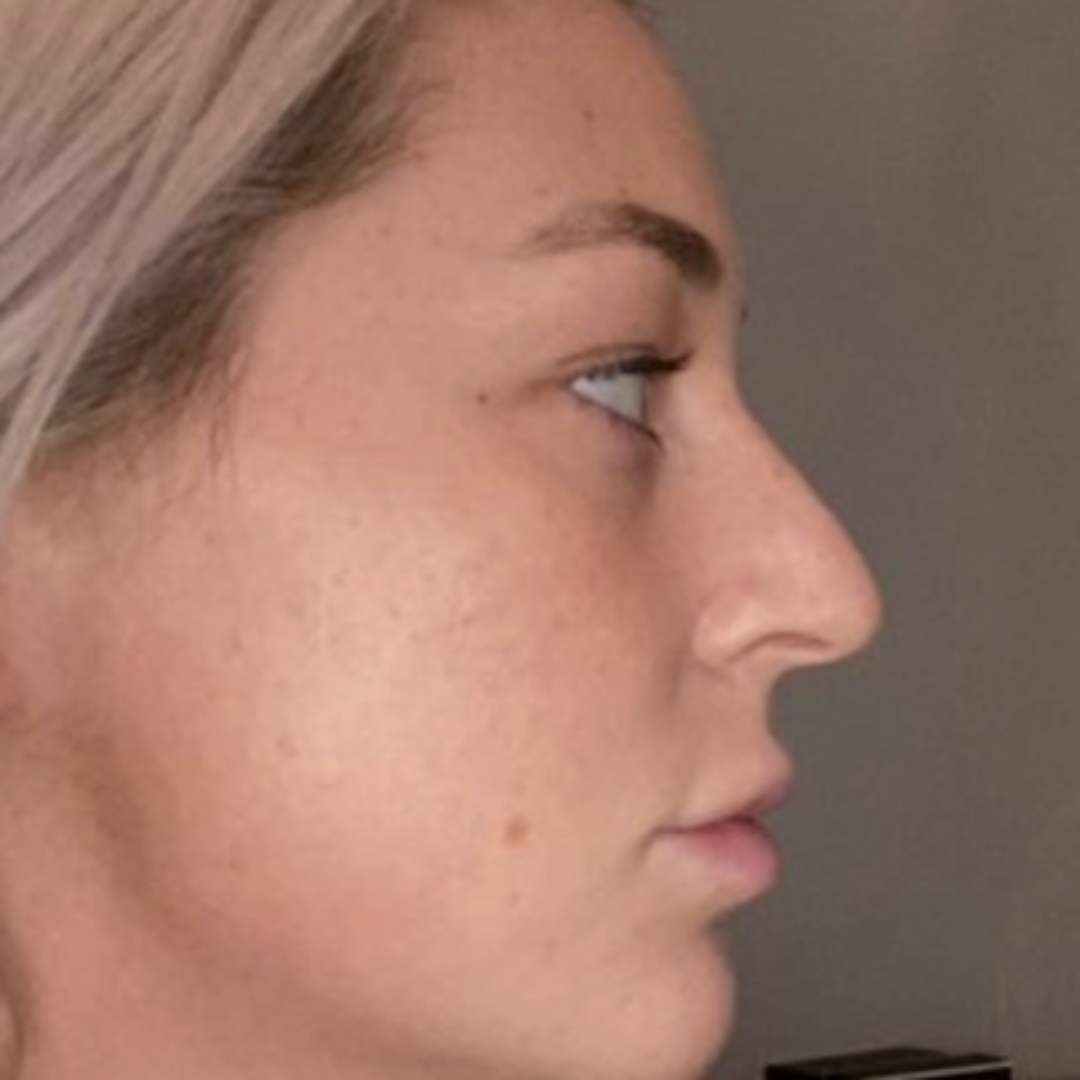
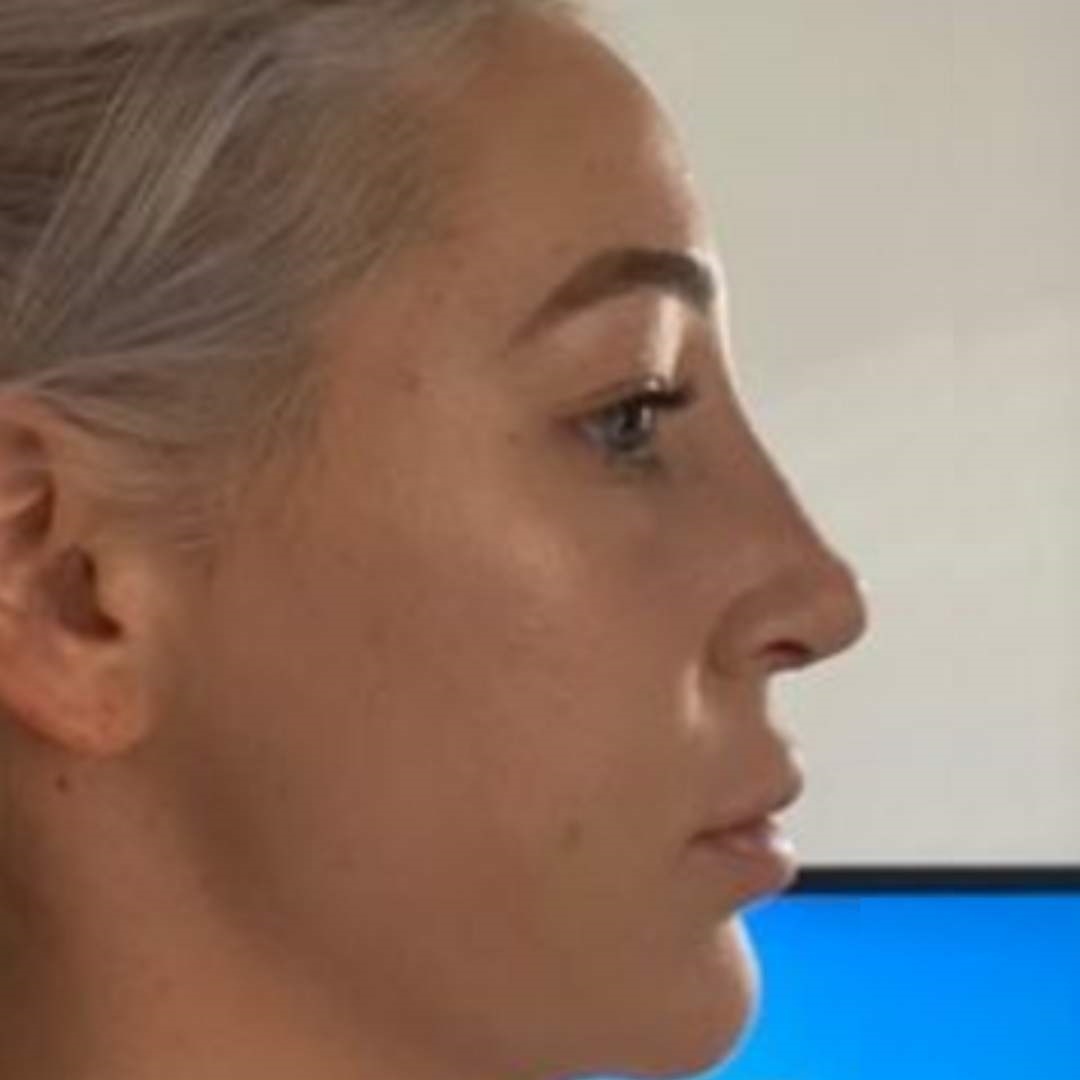
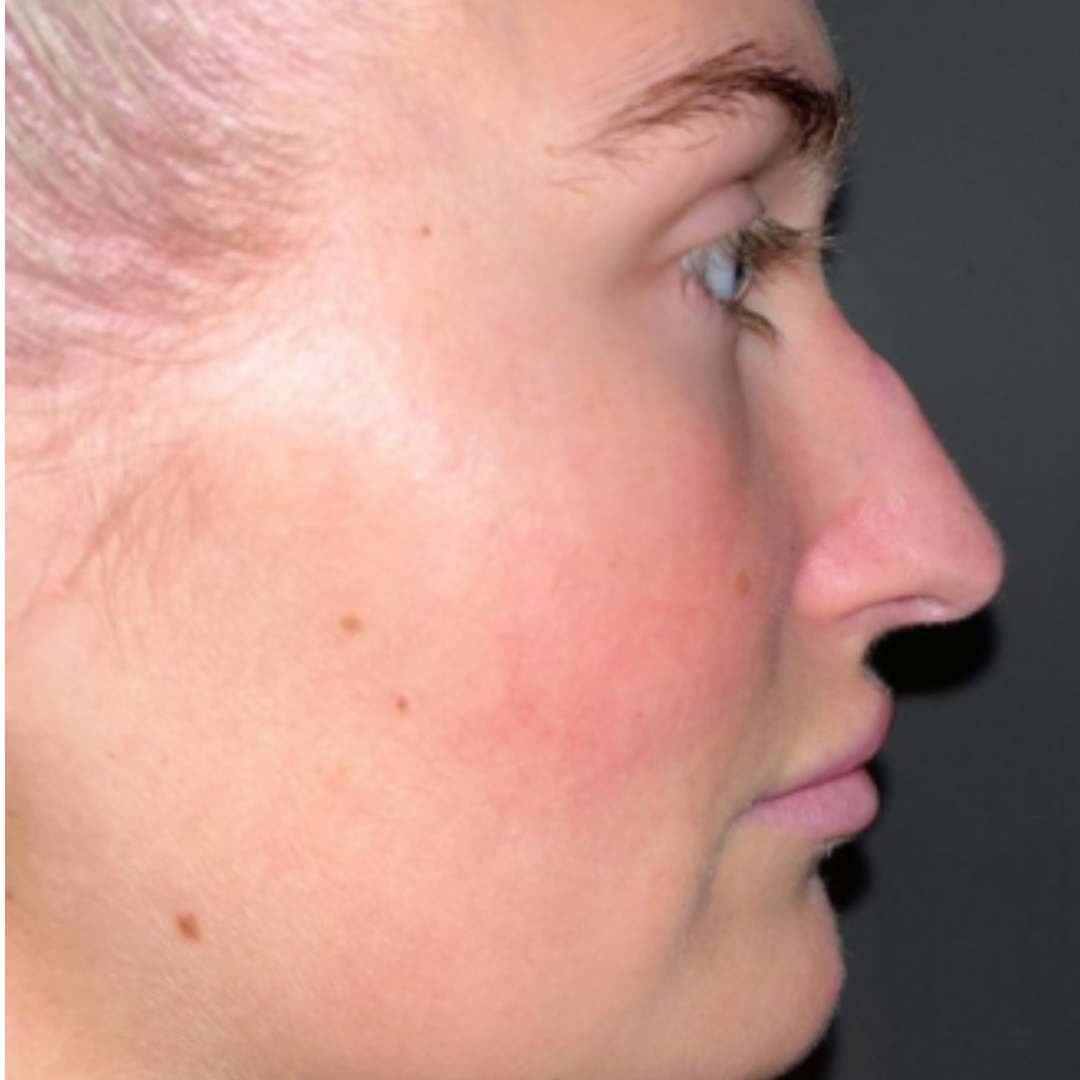
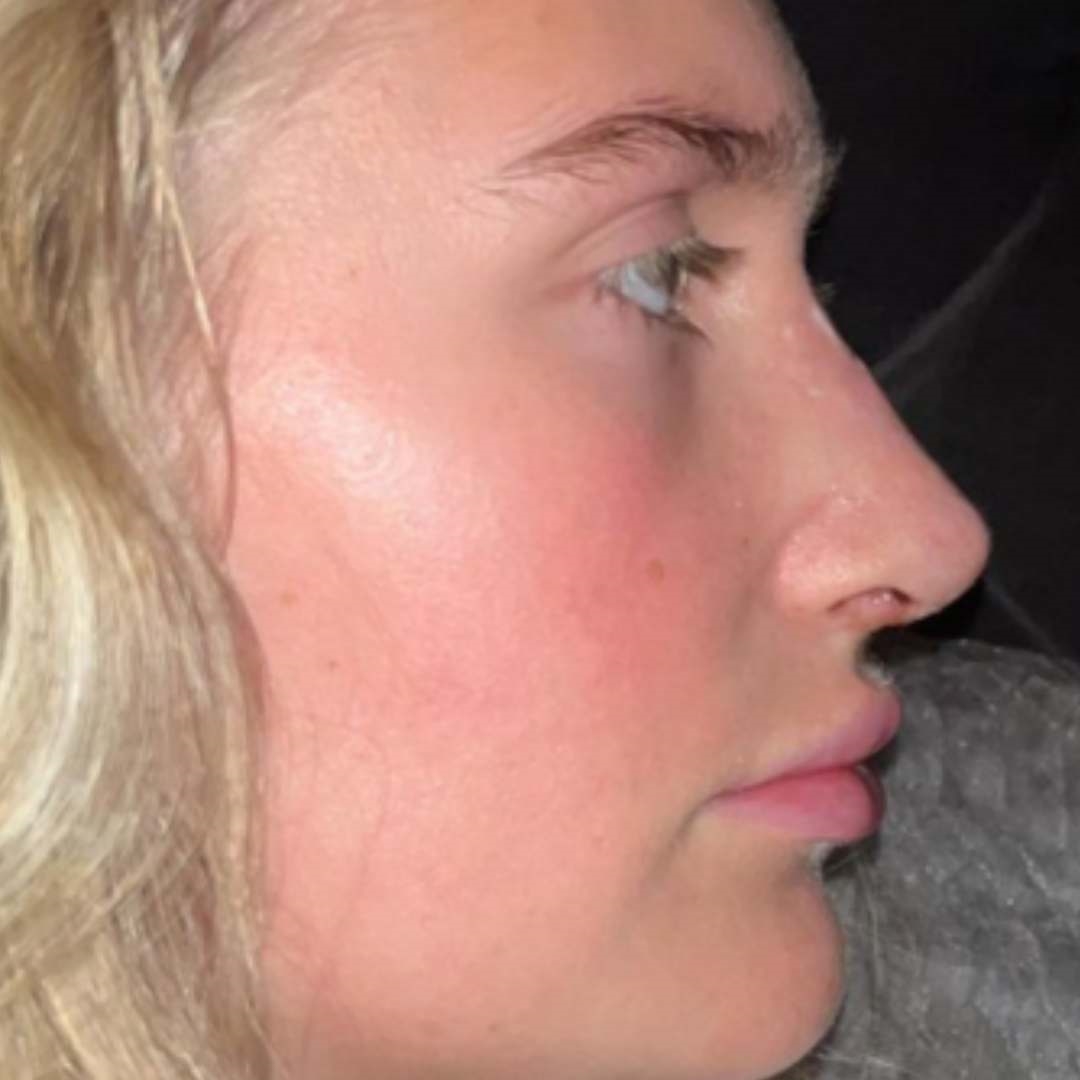
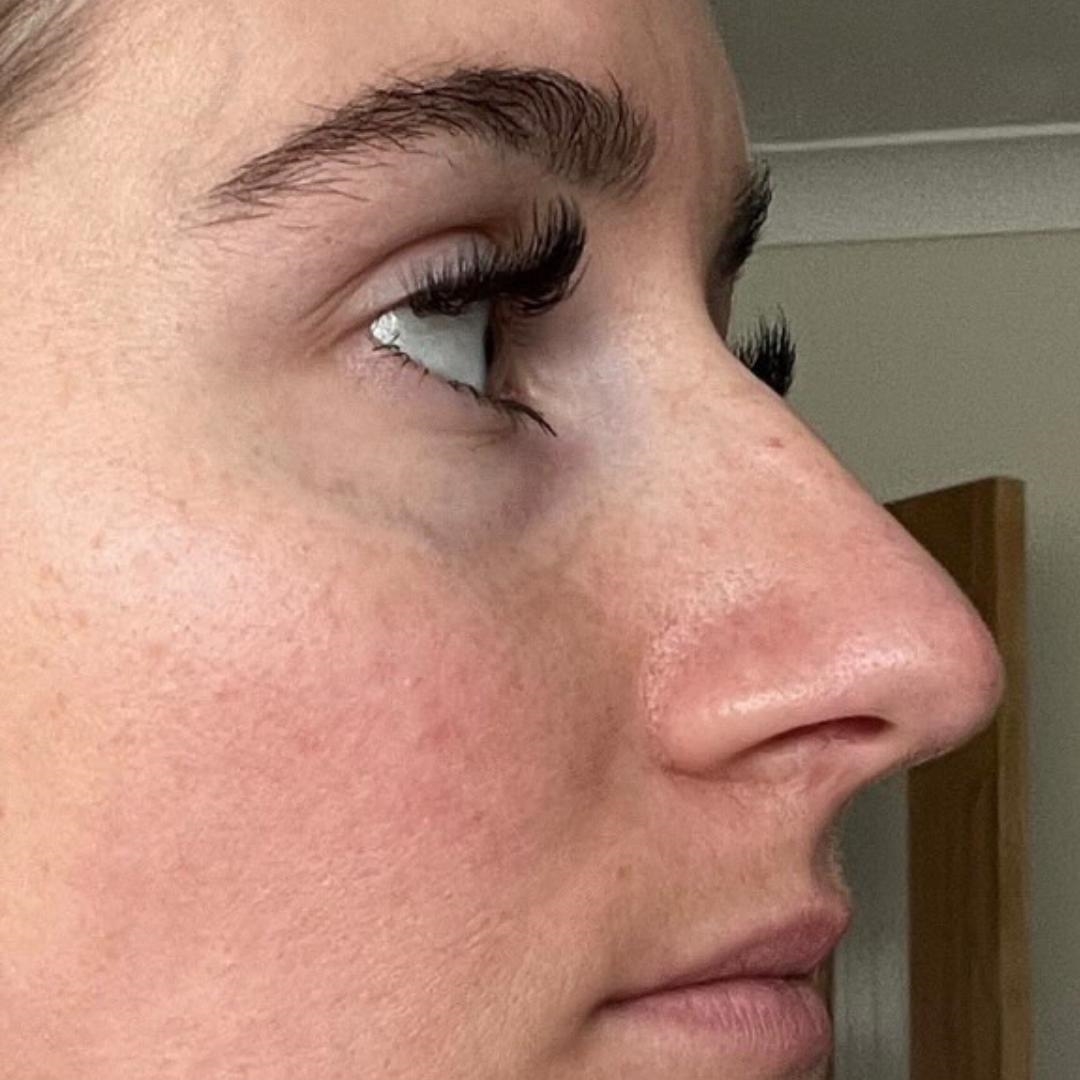
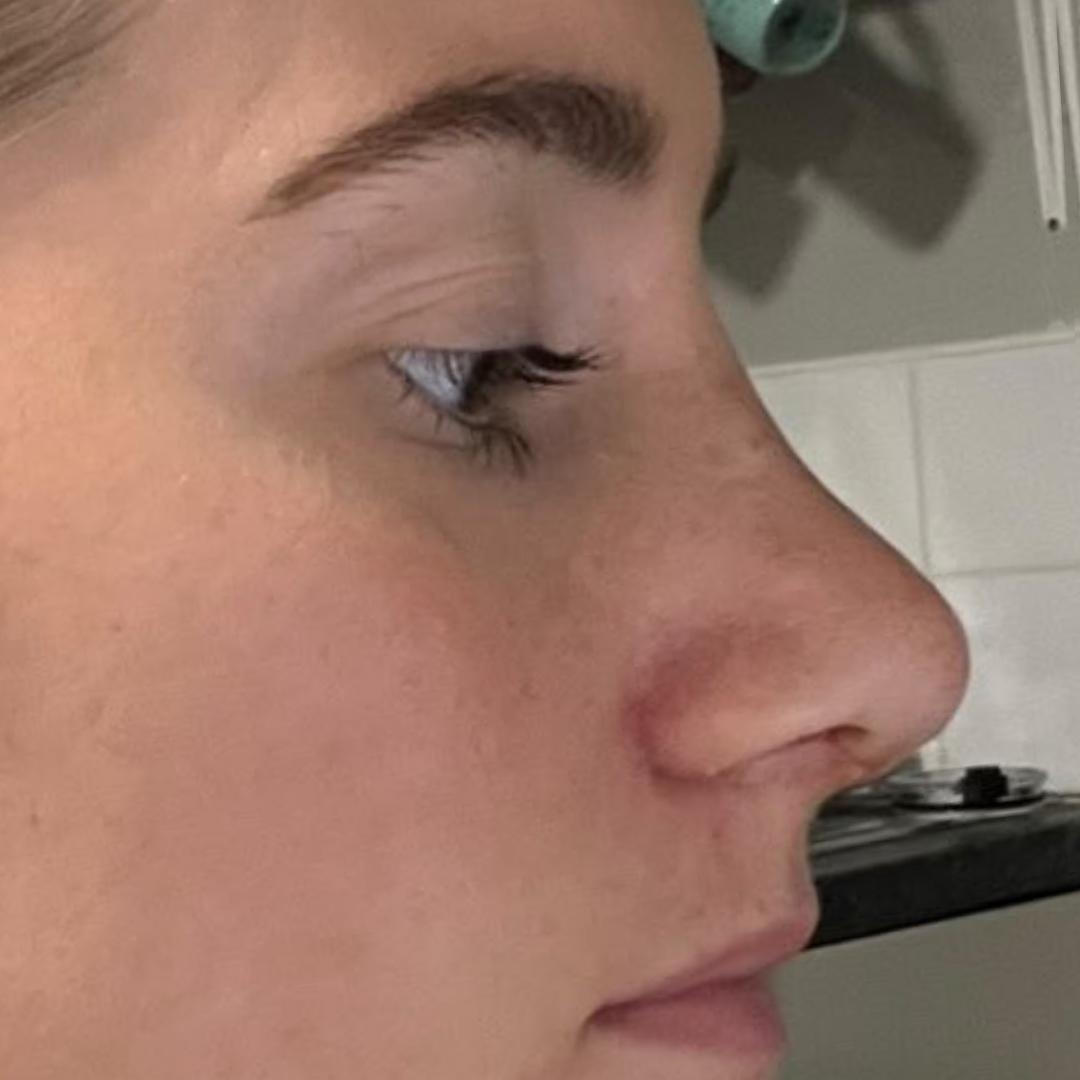
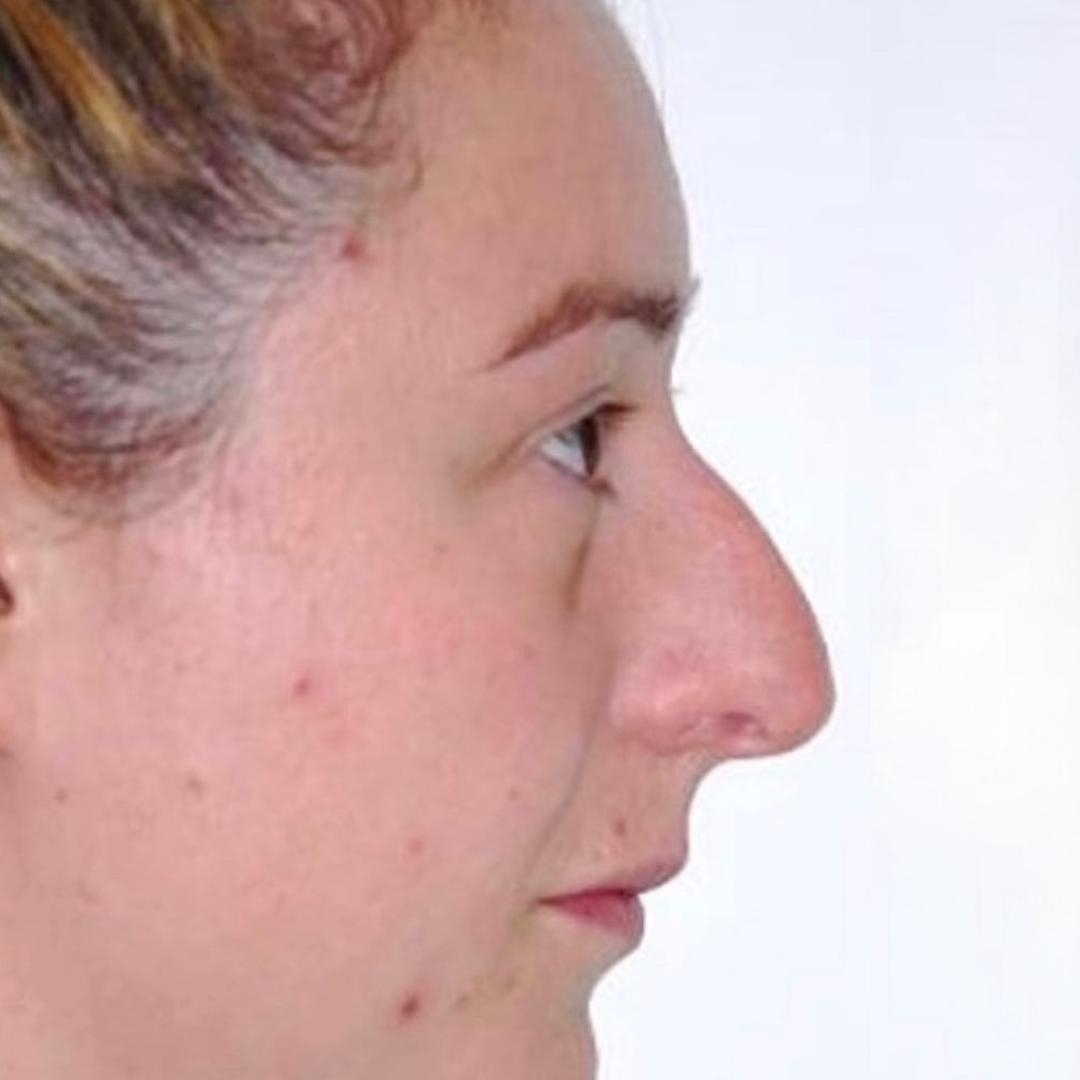
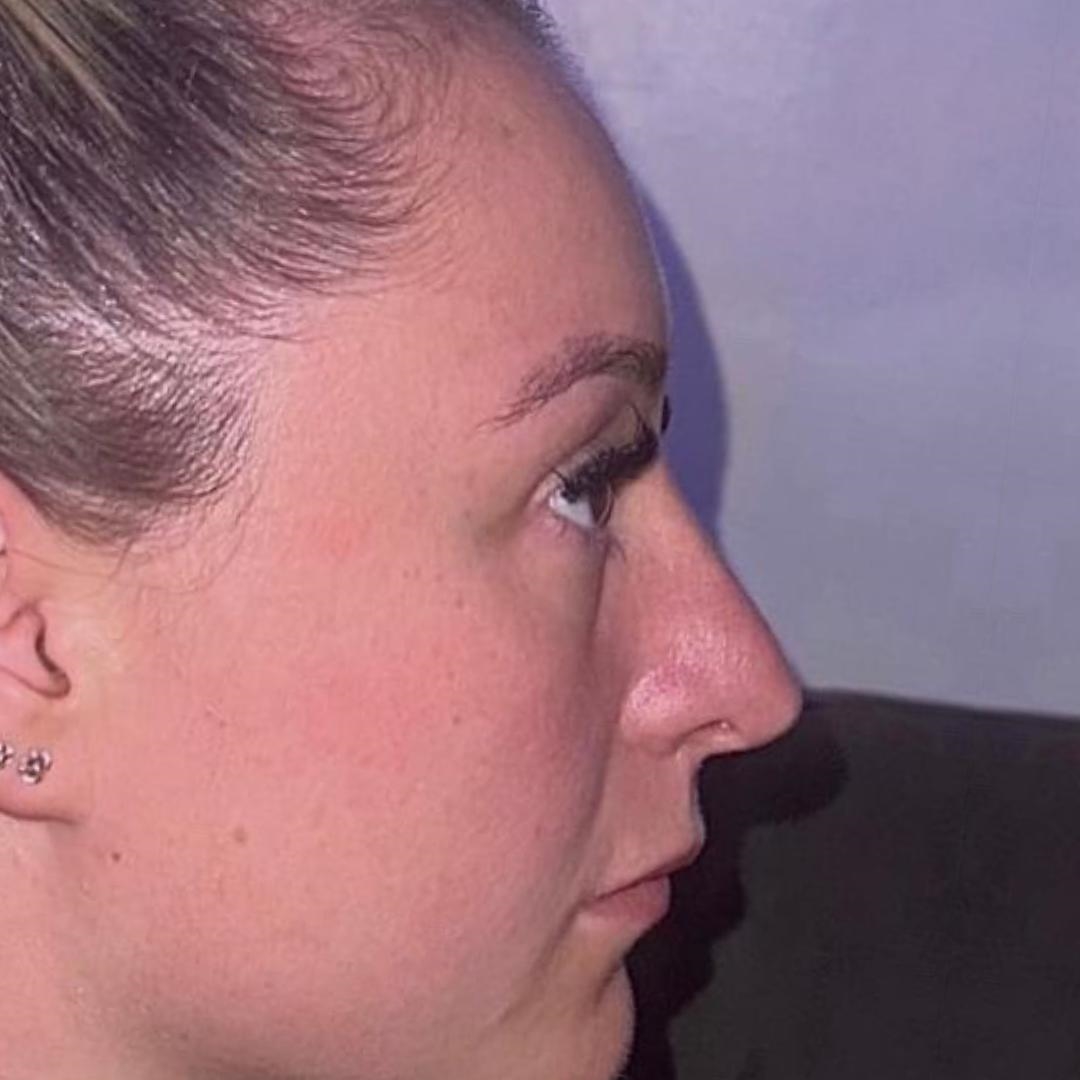


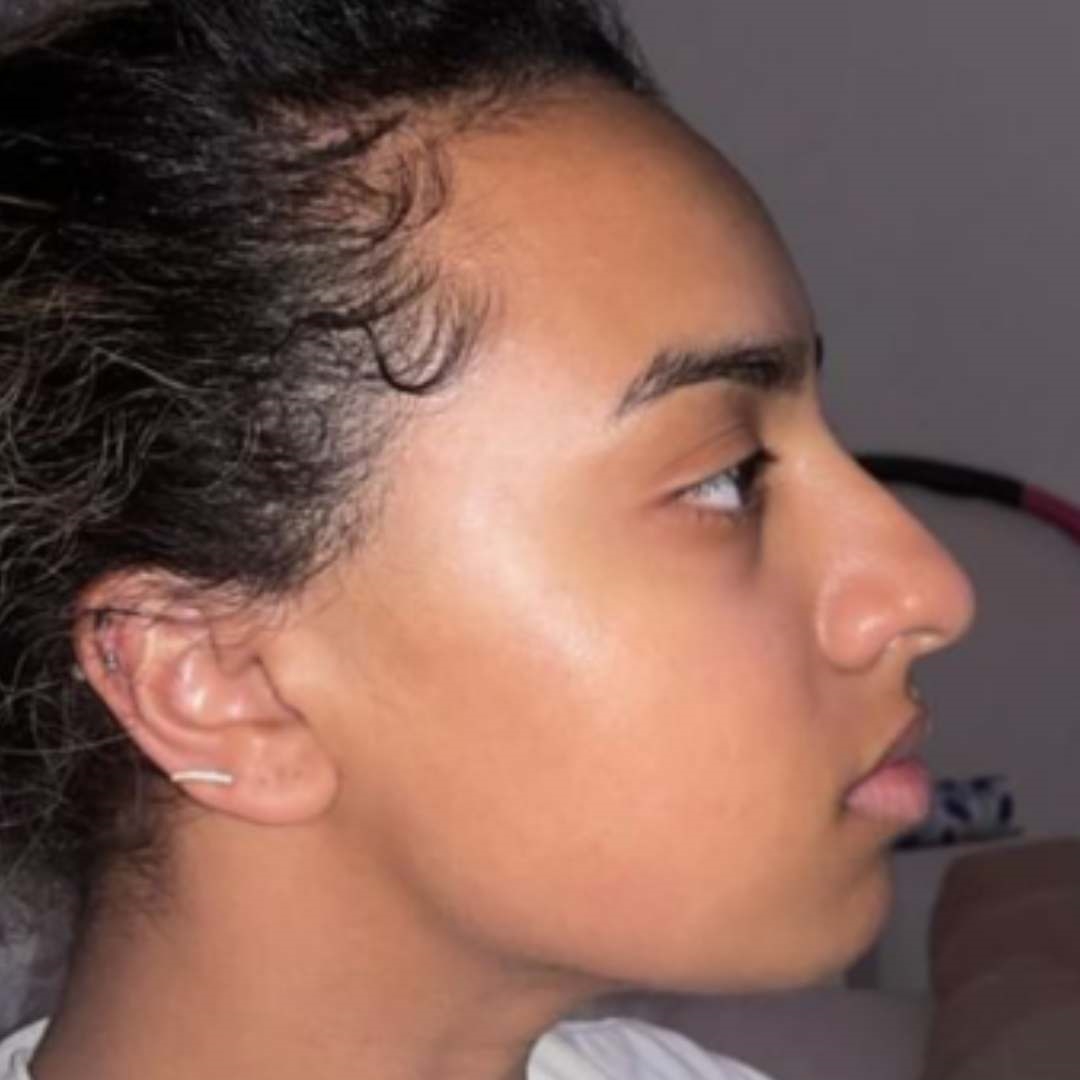
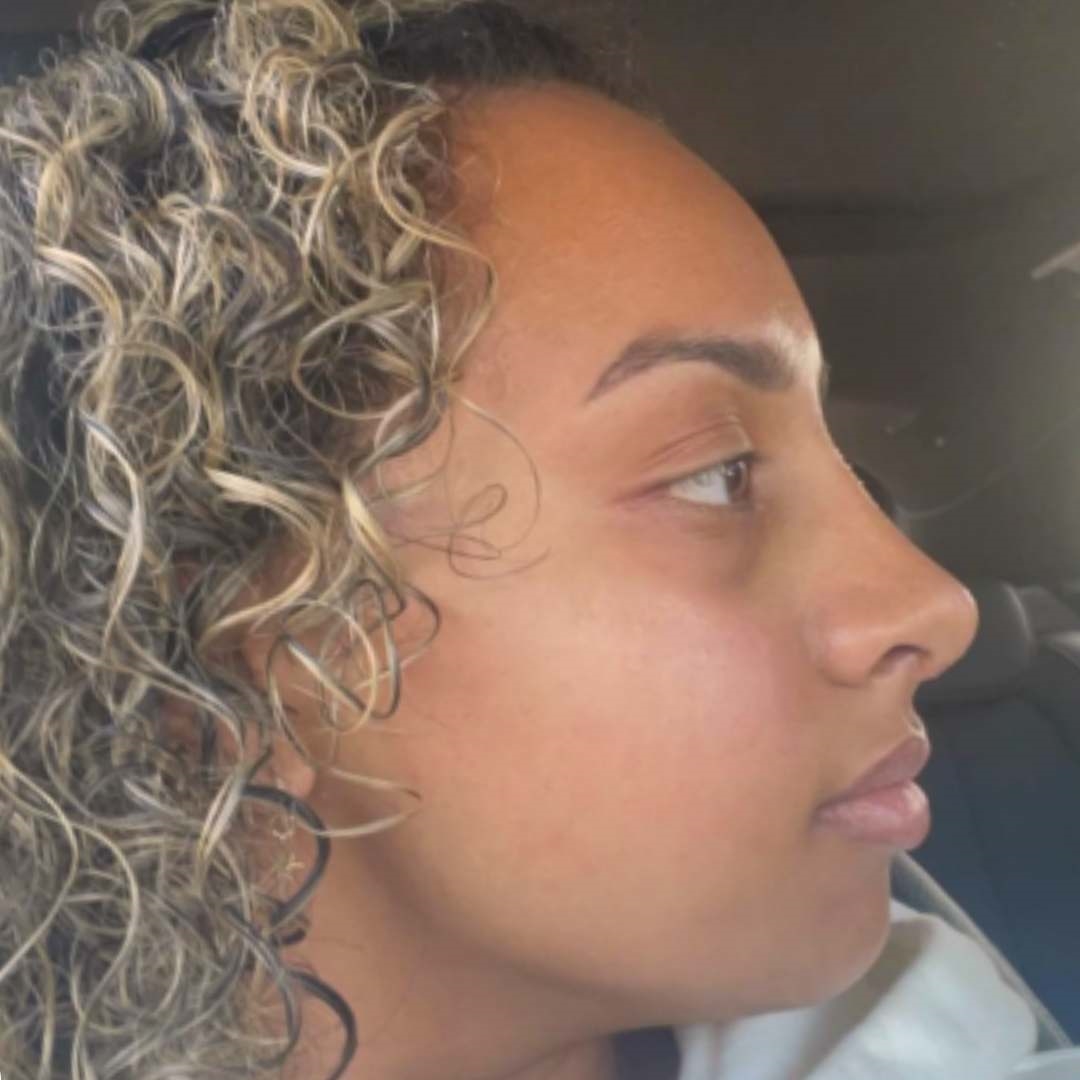
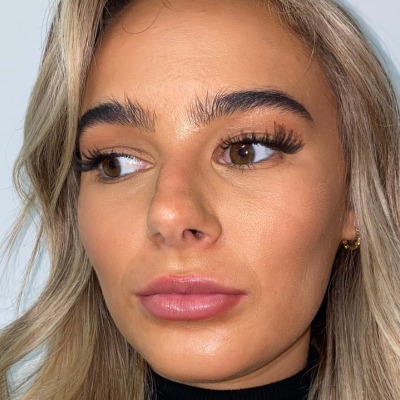



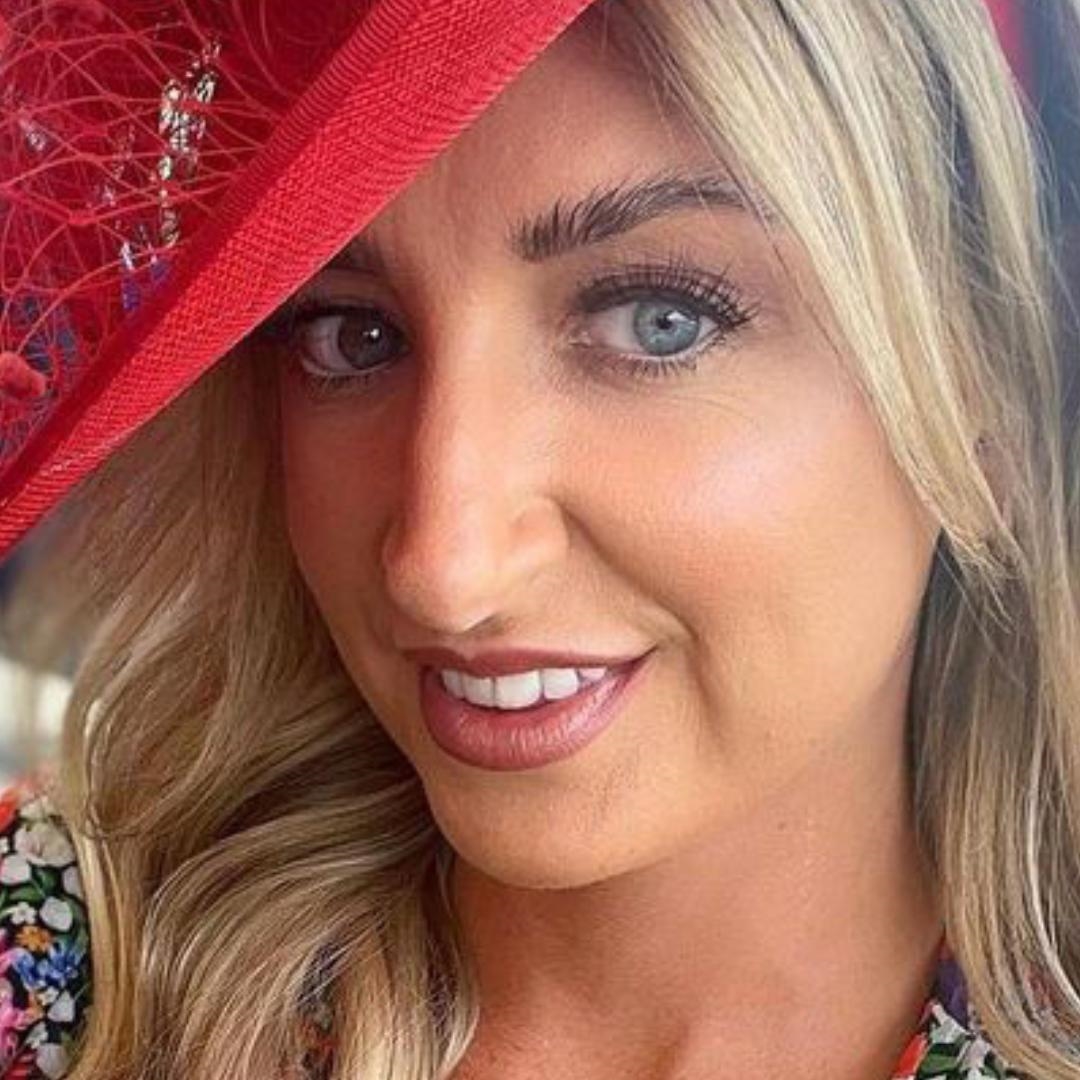

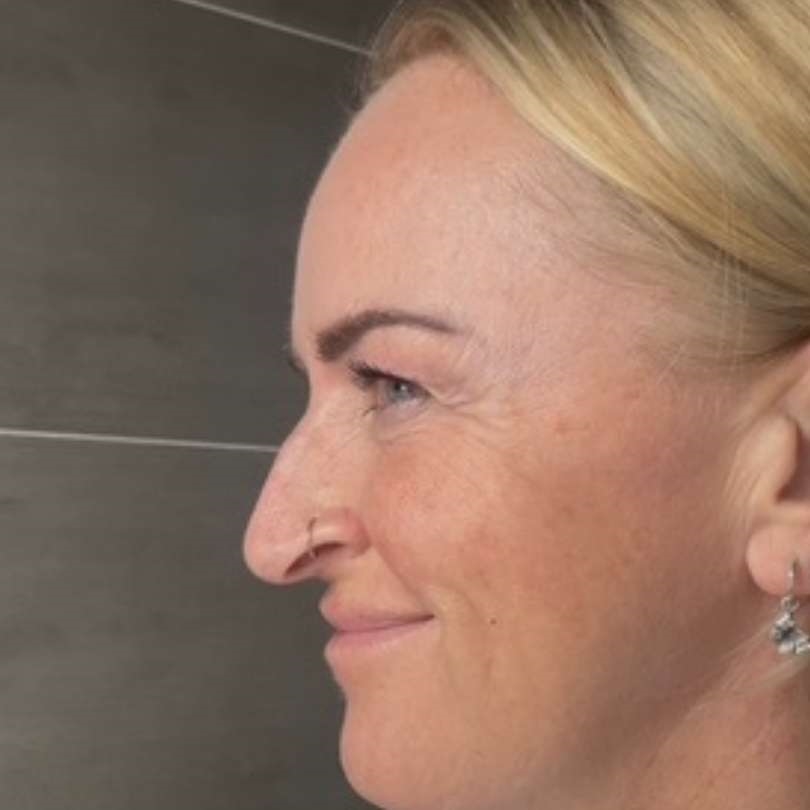
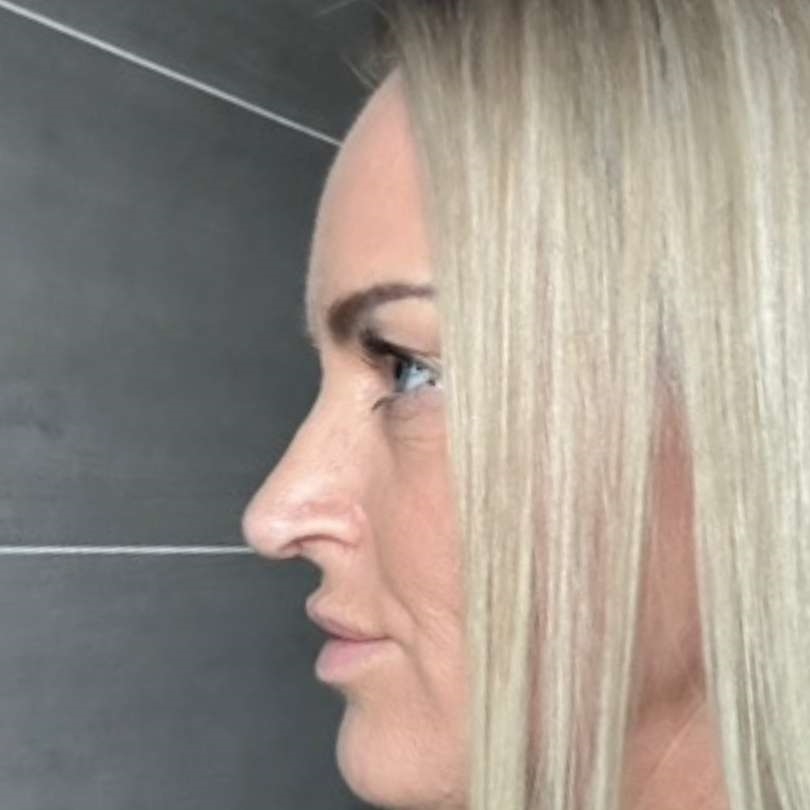


Rhinoplasty surgery can alter the look of your nose and help treat medical issues such as nasal obstruction.
Nose reshaping surgery, commonly known as Rhinoplasty, is ideal for correcting a crooked, flat, or upturned nose, and can help you achieve your desired nose shape.
When it comes to making your nose smaller or narrower, nose reduction surgery (also known as reduction Rhinoplasty) can help with this. Nose reduction reduces the size of the nose by removing pieces of cartilage or bone from the nasal area.
When it comes to making the base of your nose appear naturally narrower, alarplasty surgery is an appropriate option. Nose reduction and alarplasty are not the same procedures, but their purpose in reducing the size of the nose is similar.

The complete opposite of nose reduction, nose augmentation refers to Rhinoplasty that enlarges the shape of the nose. Nose augmentation can widen or lengthen the nose, from the bridge of the nose to the tip and nostrils.
If you have a downturned nose, or it is specifically the tip of your nose that you are unhappy with, tip plasty surgery is a good way to alter it. In comparison to standard Rhinoplasty, tip plasty is often much easier and the recovery time is shorter. This is because there is no reconstruction of the nasal bone and cartilage on the bridge of the nose.
Those with facial birth defects, particularly a cleft lip or cleft palate and a deviated septum, would be most appropriate for Septoplasty. A deviated septum can also be the result of an injury and can result in difficulty breathing as one nasal passage is smaller than the other. With Septoplasty surgery, this can be corrected for both cosmetic and medical purposes.
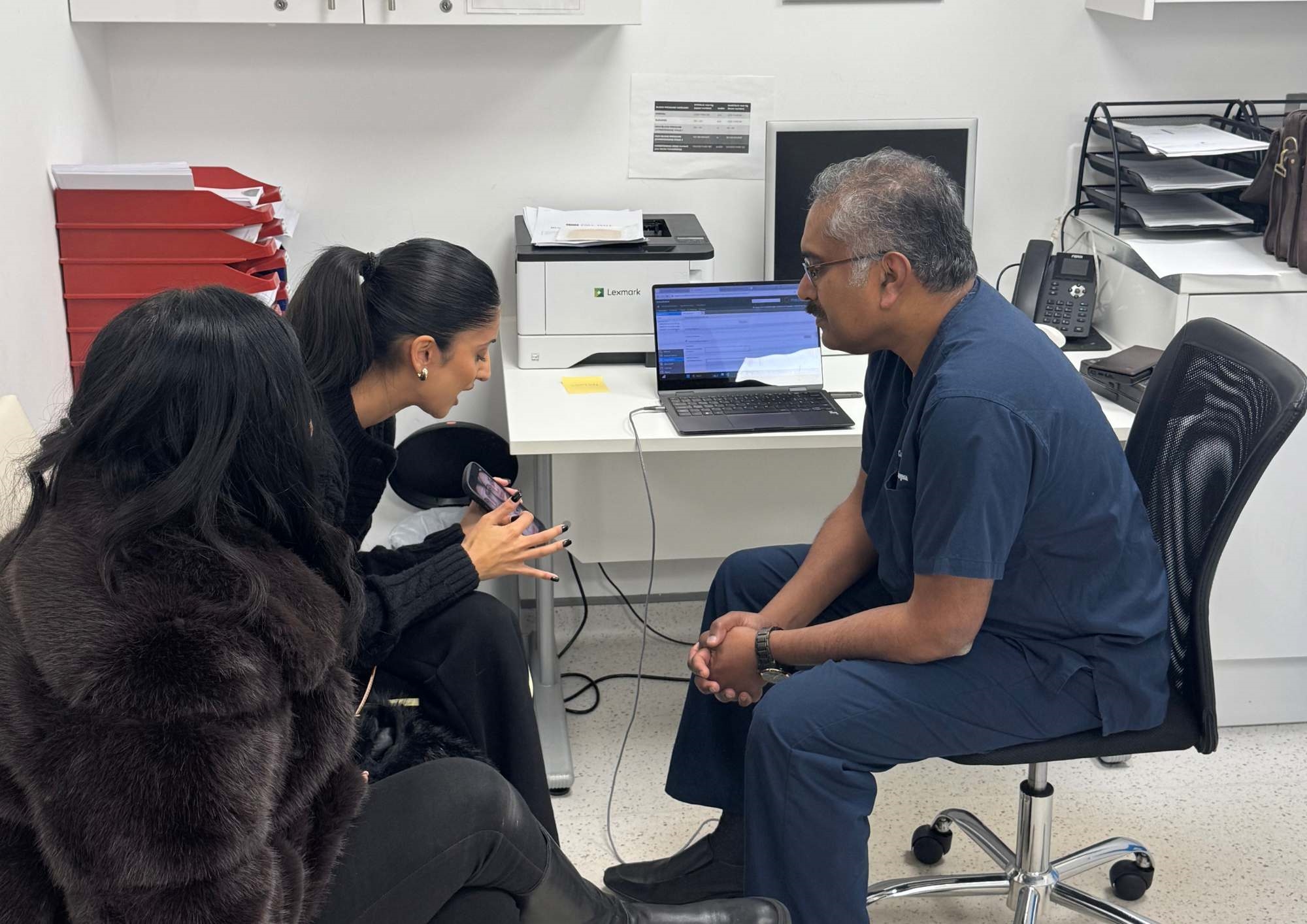
From your first call or email, we’re here to look after you. Whether you’re still researching Rhinoplasty and would like more information, or you’re ready to meet a surgeon to see what results you can achieve, our team of patient coordinators are here to help.
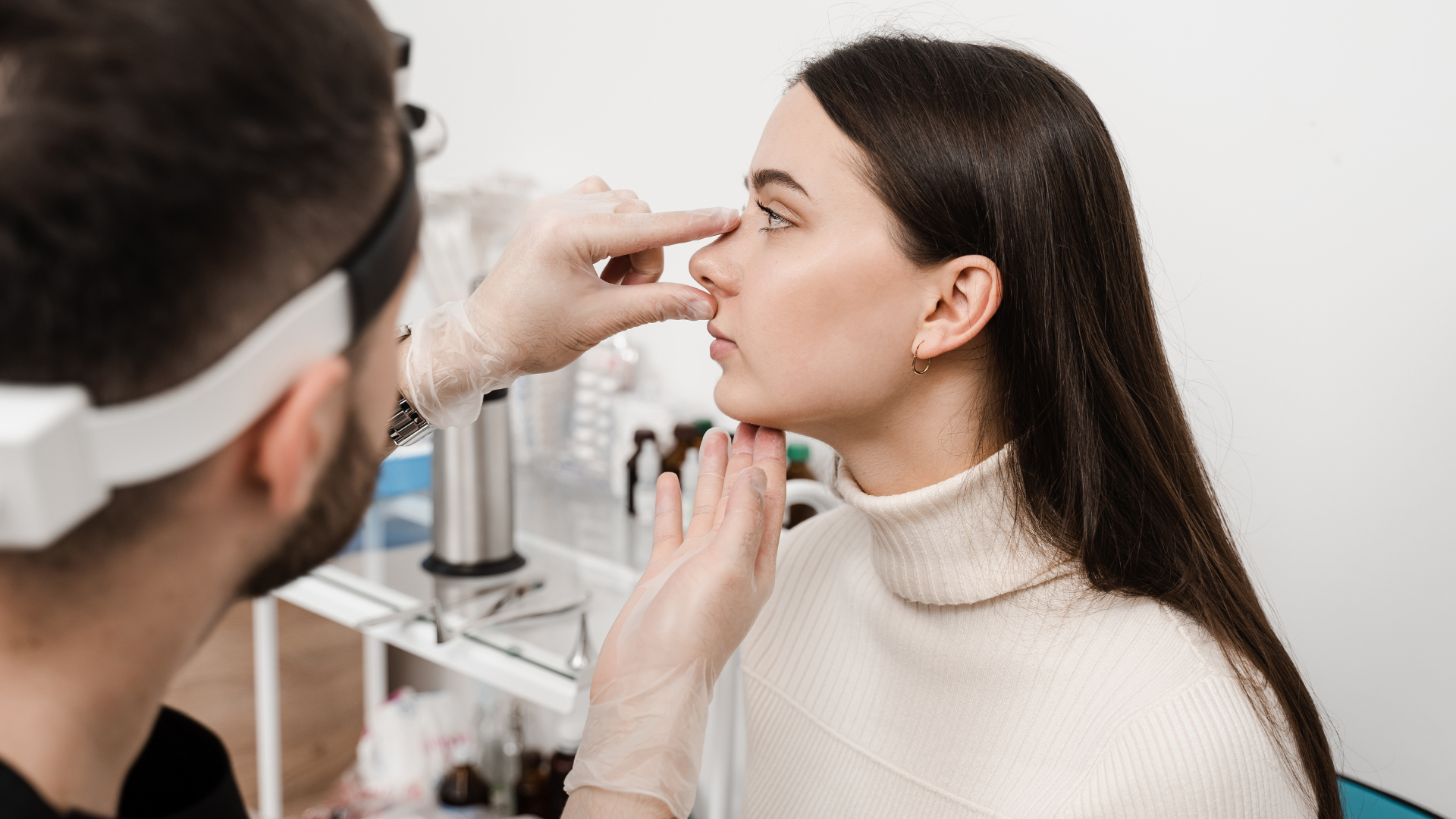
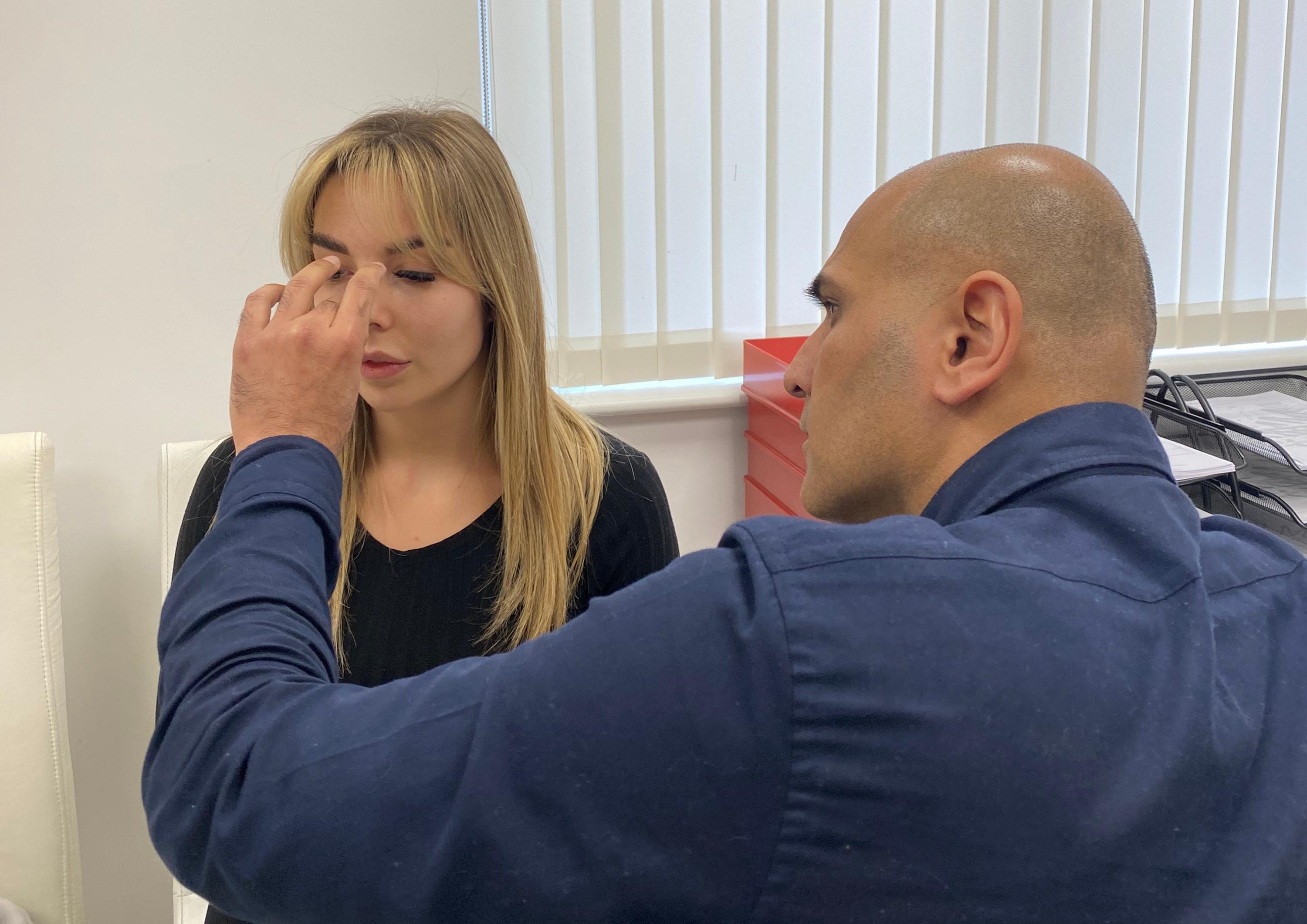
Your surgeon will examine your nose and hold a discussion about the purpose of the operation, as the approach and surgery undertaken will depend on whether the purpose is medical or cosmetic.
The meeting will last 20-45 minutes and the surgeon will be available to answer any questions you may have. The surgeon will also discuss how the operation works, the aftercare involved and what results can be expected.
We will invite you to attend a pre-operative assessment, where you’ll take part in a series of medical checks to ensure you are healthy and fit enough for the surgery. This may involve tests for MRSA and the administration of some blood and urine tests.
The most important part of this pre-rhinoplasty assessment is taking photos of your nose so that we have the medical records of how it looked prior to the surgery.
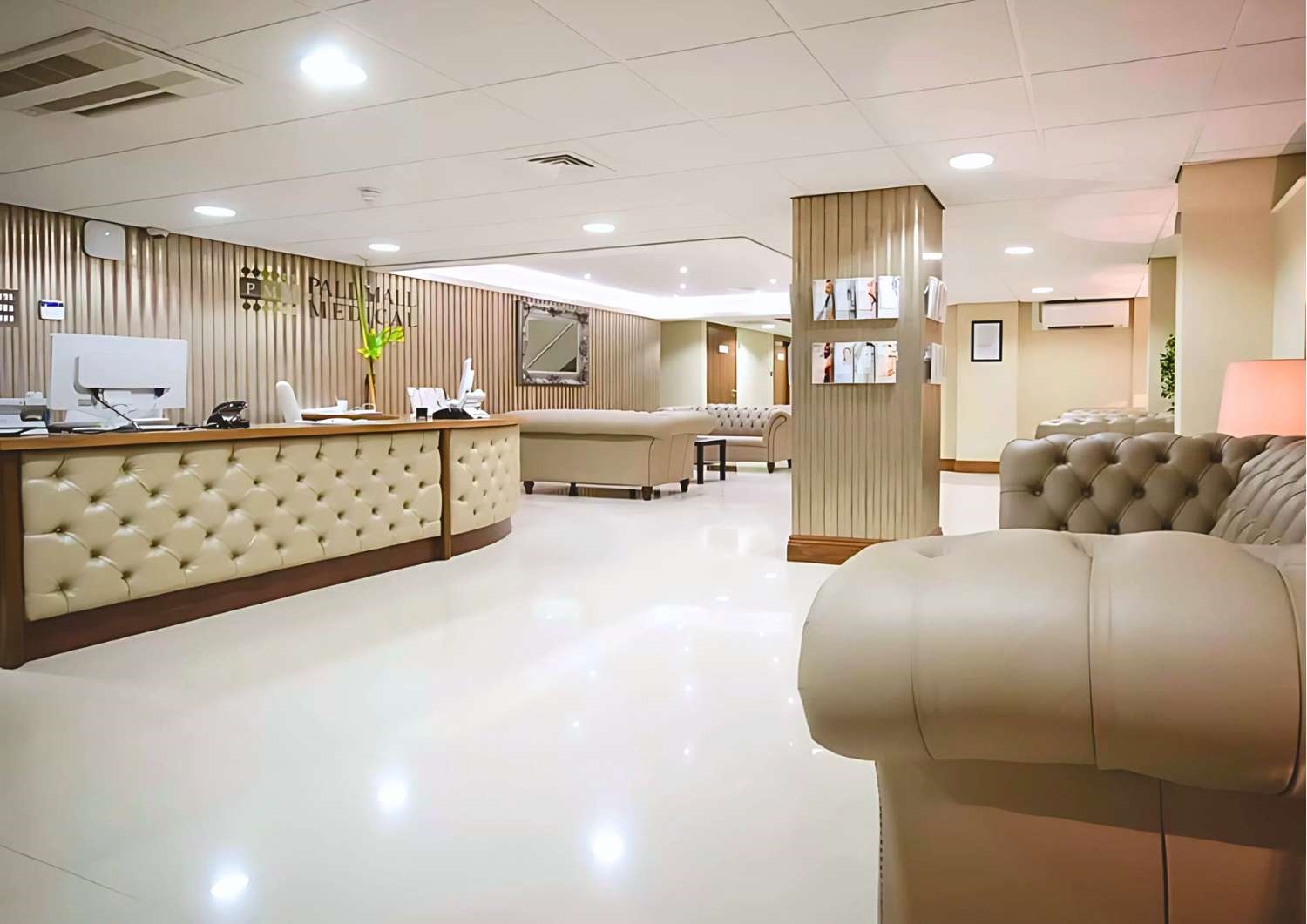
Upon arrival at our private hospital, you will be shown to your spacious and comfortable en suite room. Your surgeon will then visit you to conduct a final health check and address any last-minute questions, ensuring you are completely healthy for the surgery. Your written consent will be confirmed for the final time.
The Operation
The surgical team will then accompany you into the theatre. The operation typically lasts between 1.5 to 3 hours. You will be sedated using a general anaesthetic and will remain unconscious throughout the surgery.
Surgical Technique and Reshaping
Your surgeon will begin by making precise incisions. The approach depends on your specific procedure: incisions are made either between (Open Rhinoplasty) or inside (Closed Rhinoplasty) your nostrils. Once the skin is separated from the cartilage and bone, the surgeon will alter the appearance of your nose based on your goals.
If you are opting for a nose reduction, some cartilage and bone will be carefully removed to achieve the desired shape once healed.
For nose augmentation (a larger nose), the surgeon may perform a graft, using cartilage or bone taken from your ear or another part of your body to build up the nasal area.
For nose reshaping, the internal bone structure may be gently broken while you are under general anaesthesia, enabling the cartilage and connective tissue to be rearranged and repositioned to achieve your desired aesthetic look.
Recovery and Discharge
As Rhinoplasty is a day case, you will be cleared for discharge once you have recovered from the general anaesthesia. It is essential that someone else drives you home, as the lingering effects of the anaesthesia make it unsafe for you to drive. You will receive detailed aftercare instructions before you leave.
We offer a range of post-surgery appointments for our patients. The first will be one week after your surgery, during which the nurse will remove your cast. You will also have an appointment after six weeks for your surgeon to check that you are happy with the result. Our patient experience team will call you post-surgery to see how you are recovering, get you booked in for your one week post-op appointment and ensure you have all the information you require to aid your recovery at home.
From a personal perspective, you should look to stay away from social areas for around 2 weeks after the surgery to avoid catching a cold, whilst strenuous exercise and heavy lifting needs to be avoided for 4-6 weeks. Our team also recommends resting in an upright position for at least a few days after the op.
We like to get our patients back in after the surgery twice within the first six weeks. In addition, our nurses will check on your progress as you may experience bruising, swelling or numbness.
Rhinoplasty for men, also called male rhinoplasty, is a surgical procedure that improves the appearance or function of the nose, while preserving distinctly masculine features.
Male rhinoplasty involves a customised approach that takes male physiology and aesthetics into consideration. This frequently includes skin thickness, which can affect the appearance of subtle changes, and the stronger nasal framework typical to the male face. This is especially true in septorhinoplasty where form and function are combined.
Men's nose jobs are typically designed to define and enhance masculine features like strength and angularity in proportion with the face.
Our experienced ENT surgeons understand the subtle but important aesthetic differences for men seeking a nose job.
If you’re considering rhinoplasty to improve your nose shape, correct trauma, or breathe easier, the Pall Mall team offers experience you can trust, combined with a deep understanding of male aesthetics. Your patient coordinator and surgeon will discuss your goals in detail, beginning from your initial consultation.
Unlike female rhinoplasty, male procedures focus on maintaining strength, proportion, and angularity in line with male facial anatomy.
Rhinoplasty (Improve size, shape and profile)
| Type of Rhinoplasty | Price From |
| Surgeon Consultation | FREE |
| Tip Only | £5,995 |
Rhinoplasty (Normal Complexity) | £8,495 |
Rhinoplasty (High Complexity) | £12,995 |
Rhinoplasty & Alar Base Reduction/Adjustment | Quote at consultation |
Septoplasty (improve airflow/breathing)
| Type of Septoplasty | Price From |
| Surgeon Consultation | FREE |
Septo | £8,495 |
Septo + Septal perforation | £12,995 |
Septo + cartilage graft + septal perforation repair | £14,795 |
Septo plus + Nasal valve obstruction | £10,995 |
Septorhinoplasty (Breathing & Aesthetic concerns)
| Type of Septorhinoplasty | Price From |
| Surgeon Consultation | FREE |
Septorhino only | £8,995 |
Septo + Septal perforation | £12,995 |
Septorhino + septal perforation | £12,995 |
Revision Rhinoplasty
| Type of Revision | Price From |
| Surgeon Consultation | FREE |
Revision Rhinoplasty | £9,995 |
We know that the cost of a procedure can feel overwhelming, especially when you're juggling financial concerns. That's why we offer a variety of flexible payment options, designed to make your treatment more accessible, no matter your financial situation. Whether you have limited or no credit history, or a low credit score, we understand that upfront costs can be a major barrier.
Want to know what your treatment could cost each month? Use our finance calculator to explore your estimated monthly payments and find a finance option that suits you.
Our cosmetic surgeons are leading experts in Rhinoplasty procedures and will help you achieve the look you want. Your initial free, no obligation consultation will allow your surgeon to understand your goals and how we can help you.
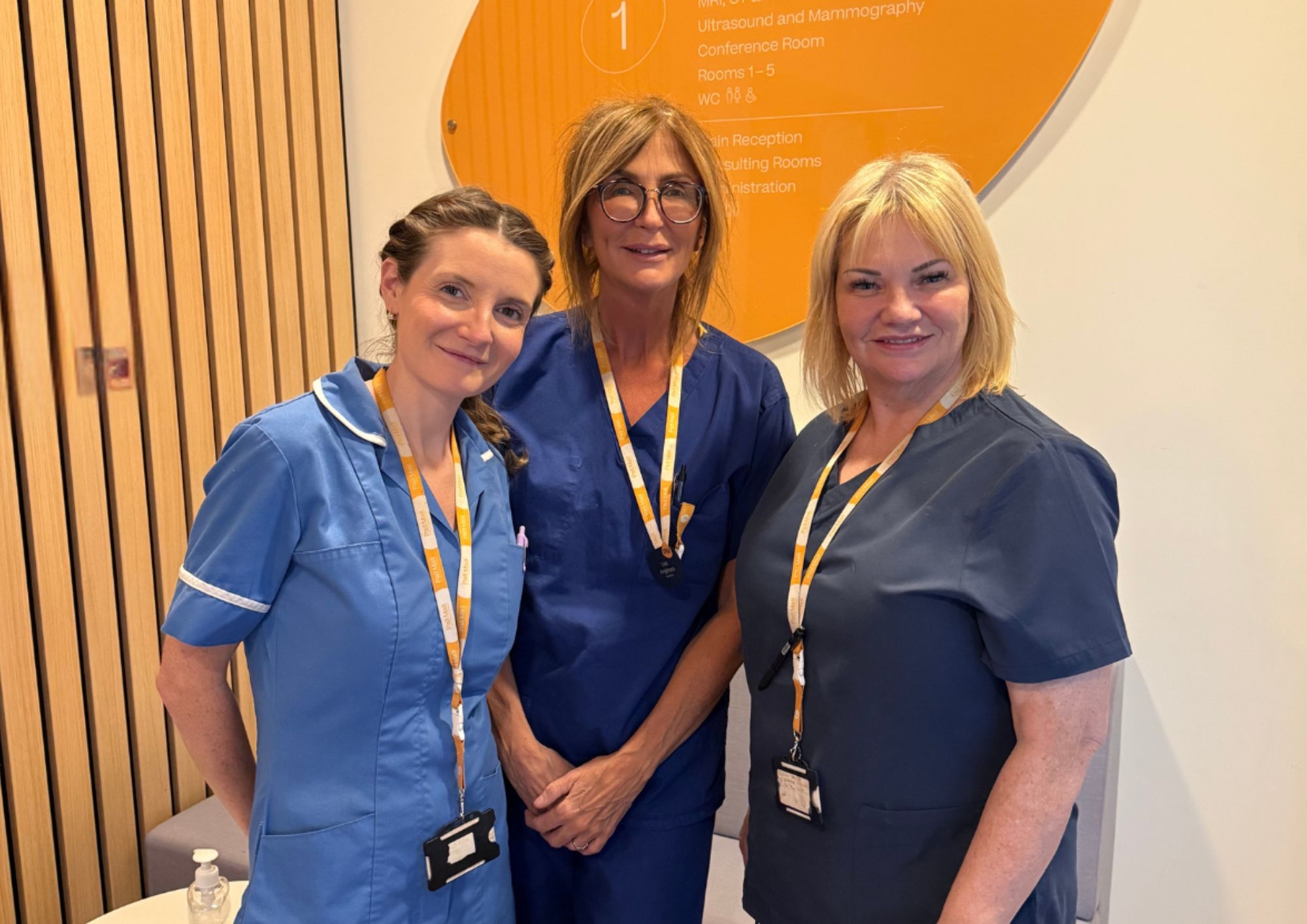
As a leading private healthcare provider, Pall Mall is committed to delivering exceptional rhinoplasty care tailored to each individual. Our expert surgeons and highly trained nursing team combine advanced surgical precision with meticulous attention to detail, ensuring your safety, comfort, and confidence at every stage of your journey.
In England, all clinics providing cosmetic surgery must be registered with the Care Quality Commission (CQC). At Pall Mall, you can rest assured that each of our clinics has the appropriate certifications to deliver you the best service.
We understand how big the decision is to undergo any cosmetic procedure. We’re always on hand to answer any questions you have, and you may be able to find the information you’re looking for below.

Upon your arrival at our state of the art private hospital, you will be shown to your spacious and comfortable en-suite room. Your surgeon will then come to see you and make sure you’re in good spirits and health for the surgery before asking for your consent for a final time.
The team will then take you into the theatre for the operation. That will take around 1.5 to 3 hours, during which time you will be sedated with a general anaesthetic.
Yes – a Rhinoplasty isn’t just a cosmetic procedure. Specific surgical techniques during the procedure can improve breathing issues.
Patients typically need between one and two weeks off work to recover from rhinoplasty surgery.
It might be several months before the full effect of the operation can be visible, and up to six months for the swelling to completely go down.
Open Rhinoplasty is a technique where the columella (the tissue that separates your nostrils) is used as an access point to open the skin of the nose. Closed Rhinoplasty is performed through incisions made inside the nose. Each technique has its own set of advantages and disadvantages, which your surgeon can discuss with you at your consultation.
All surgeries come with some degree of risk. Some of the possible complications of Rhinoplasty include bleeding, infection, scarring, narrowed airways, impaired smell and dark skin under eyes.
Fortunately, Rhinoplasty risks are small and complications are rare. Your surgeon will talk to you about the risks and benefits in detail at your consultation and preoperative appointments.
After your nose surgery, regardless of the type of Rhinoplasty that you had, the recovery and aftercare process is extremely important. You may find that you experience swelling, numbness, and bruising after surgery. These are all common due to the increased blood flow to your nose, as your body works to heal the visible scars.
After a week, one of our dedicated nurses will a specialist should be able to remove your splint. It is recommended that you avoid going outside for at least two weeks after the procedure and avoid the following activities for four to six weeks:
Running and other strenuous physical activities, e.g. swimming
Blowing your nose (until the splint is removed)
Sneezing - whenever possible, try sneezing through your mouth
Chewing excessively
Excessive facial movements, e.g. laughing and smiling
Excessive sun exposure (this prevents skin discolouration around the nose)
Wearing glasses
Pulling clothes over your head
Hot baths
You may find comfort in elevating your head above your chest using multiple pillows or resting in an upright position to help with reducing swelling and bleeding for the first few days after the operation.
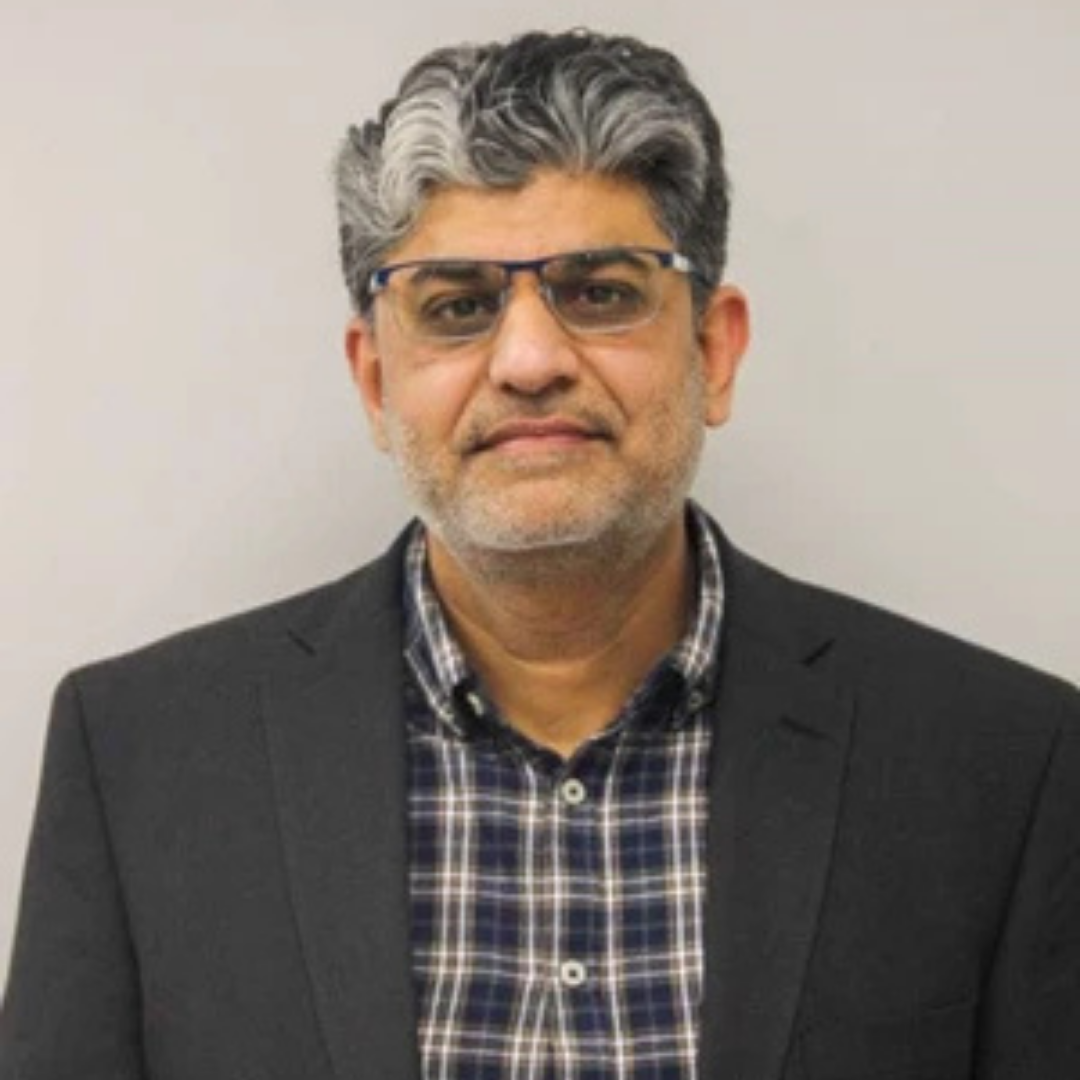
Yes we can! Nasal septal perforation is a full-thickness defect of the nasal septum that is very frequent in patients. We can provide you with a personalised quote and a free no obligation consultation for this procedure with our Ear, Nose and Throat specialist, Professor Raghavan.
It is recommended that you avoid smoking, drinking alcohol, putting topical creams on your face, and taking ibuprofen, aspirin or even vitamin E before your surgery. Your surgeon and nursing team will inform you about pre-op instructions prior to the actual surgery, so it is important that you listen to them.
Pack all of your cosmetic surgery essentials, including spare clothes (loose and easy to take on and off), identification, your phone and charger, toiletries, and a travel pillow
If you have any concerns or questions about what you need to do pre-op, contact your patient coordinator for advice and information.
Yes, we offer all of our Rhinoplasty procedures for men.
Usually rhinoplasty surgery does not leave obvious visible scars. Closed rhinoplasty is performed inside the nose and leaves no external scarring. Open rhinoplasty uses a small incision on the columnella - the skin between your nostrils - which can leave a fine line. Most patients report that its appearance fades very well over time and is very difficult to notice once its fully healed (typically 6 - 12 months).
Early on, scars can look pink and slightly raised. They will soften and fade over time. Its important to remember that scarring is individual, and some factors can affect scarring. It's really important to follow the correct aftercare carefully, too.
Our Facebook Group is a welcoming community of upcoming and past patients who offer great advice, too - we'd love to see you there!
Rhinoplasty can temporarily alter your sense of smell because of swelling and congestion inside the nose. In the vast majority of cases, loss of smell recovers with the healing process.
If you have any concerns, our 2 year guaranteed aftercare has you covered.
Yes, although it is recommended to avoid wearing them for the first few days. When you do wear glasses after a rhinoplasty, try to stick to a lightweight pair. At first, glasses may leave a temporary impression from the swelling - this will stop as the swelling goes down.
Yes, you can still be considered for rhinoplasty if you have previously had nose filler, but your surgeon will need to know when it was placed, what product was used, and whether any complications occurred. In some cases, filler may need to be dissolved before surgery so the surgeon can accurately assess the natural nasal structure. Filler can also affect tissue planes and surgical planning, so it should always be disclosed during consultation. Your suitability will depend on your anatomy, goals, medical history and the timing of your filler treatment.
Yes, having a nose piercing does not automatically prevent you from having rhinoplasty. However, you will usually need to remove the jewellery before surgery to reduce the risk of infection, interference with surgical access, or complications during anaesthesia. If the piercing is recent, your surgeon may advise waiting until it has fully healed before proceeding. Your surgeon will also assess whether the piercing position could affect incisions, swelling or healing.
Yes, braces do not usually prevent you from having rhinoplasty. Rhinoplasty focuses on the nose, while braces affect the teeth and bite, so they are normally separate treatment areas. However, your surgeon will still want to understand your orthodontic treatment plan, especially if wider facial balance or jaw development is relevant. In some cases, it may be helpful for your surgeon and orthodontist to coordinate timing.
Yes, some patients with sinusitis or allergies can still be suitable for rhinoplasty, but this needs careful assessment. Active sinus infection, uncontrolled allergies or significant inflammation may need treatment before surgery. Your surgeon may examine your nasal airway and, where appropriate, recommend ENT input if breathing or sinus symptoms are a major concern. Rhinoplasty can change nasal shape, but it is not a guaranteed treatment for sinus disease or allergies.
Rhinoplasty is usually approached with caution if you are taking isotretinoin, commonly known by the brand name Accutane. This medication can affect skin, dryness and healing, so many surgeons prefer patients to stop treatment and wait for a period of time before elective surgery. The exact timing depends on your dose, treatment history, skin condition and your surgeon’s protocol. You should not stop isotretinoin without speaking to the clinician who prescribed it, and your rhinoplasty surgeon should be fully informed during consultation.
Yes, rhinoplasty or septorhinoplasty may be considered if your nose is crooked, previously broken or affected by trauma. The surgeon will assess both the external shape and the internal nasal structures, including whether the septum is deviated or breathing is affected. A broken or crooked nose can be more complex to correct, particularly if the injury happened some time ago. The aim is usually to improve symmetry, support and function where possible, but perfect straightness cannot be guaranteed.
While travelling abroad for surgery like rhinoplasty can seem like a good deal, it’s important to consider everything that cosmetic surgery involves, including safety, aftercare, and access to your surgeon.
Standards we often take for granted in the UK may not be as high in other countries.
| Factor | UK surgery | Surgery abroad |
| Surgeon qualifications | GMC-registered, UK-regulated standards | Varies by country and clinic |
| Aftercare | Ongoing, local follow-up appointments | Limited once you return home |
| Travel Required | None | Flights + accommodation needed |
| Complication Support | Immediate access to aftercare team and surgeons | May require UK emergency care |
| Consultation Process | In-person detailed planning | Often remote or short consultations |
| Regulation & Safety | Strict UK healthcare regulations | Standards vary significantly |
| Cost | Higher upfront cost | Lower upfront cost, but potential hidden costs |
| Revision surgery | Easier access if needed | Difficult and costly to arrange |
| Pain relief | Strong pain relief available | Varies by country |

A member of our team will be in touch with you to discuss your requirements.